Polymer Barrier
Waterproof and breathable outdoor fabrics frequently incorporate a thin elastomer layer to prevent water entry while allowing moisture transmission. In performance apparel construction, a polyurethane membrane is laminated to woven face fabrics to create windproof and rainproof garments. The elastomer layer is characterized by its high stretch and elastic recovery.
Material Classification
Breathable layers are classified as either microporous or hydrophilic depending on their chemical structure and transport mechanism. Hydrophilic versions use solid-state molecular diffusion to transport water vapour along hydrophilic segments of the polymer chain, while microporous versions contain physical sub-micron holes. Both types provide high resistance to water penetration under pressure.
Lamination Process
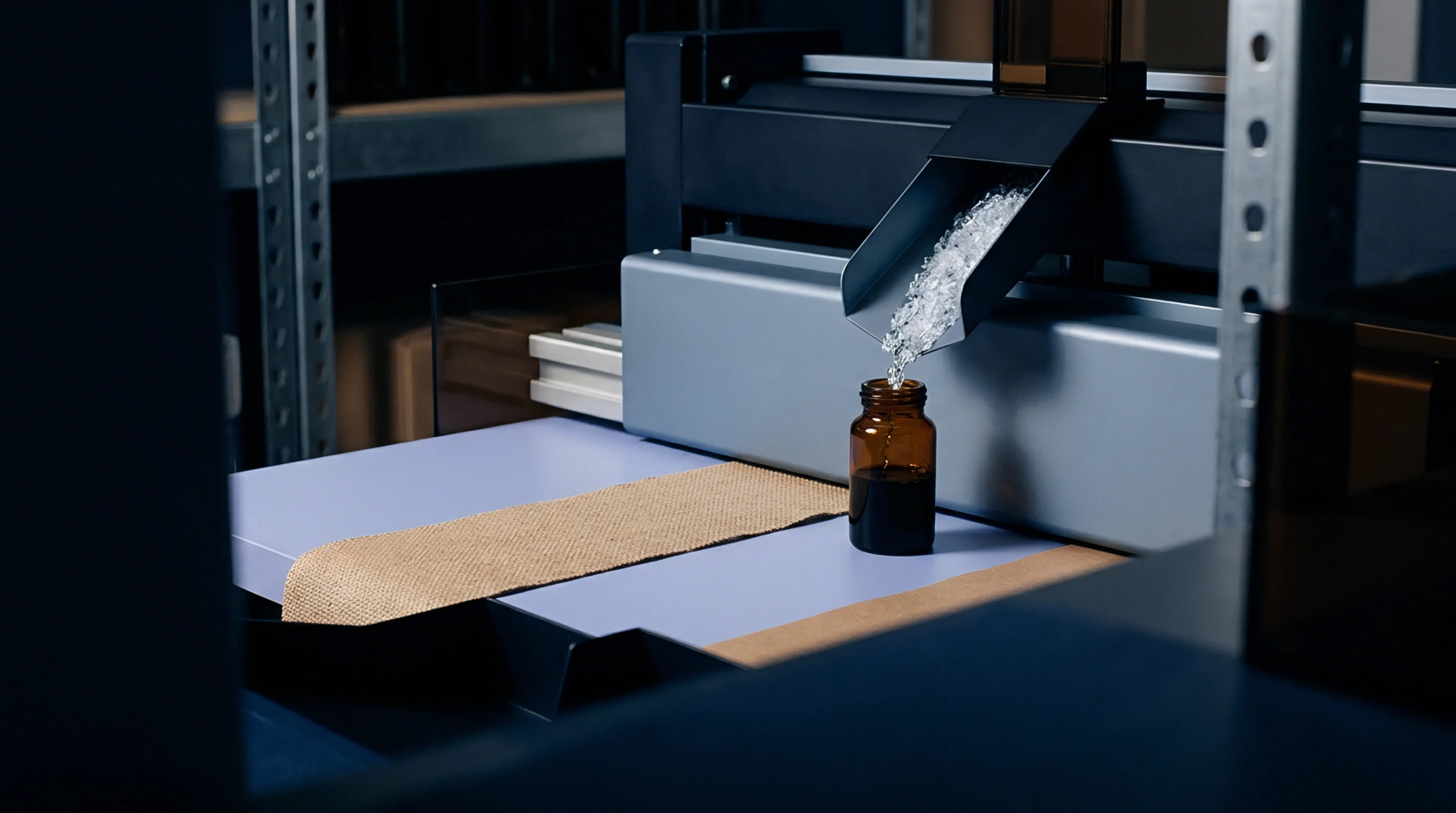
Bonding the elastomer sheet to the outer fabric involves applying reactive hot-melt adhesives in a dot or mesh pattern to preserve breathability. Garment factories test the peel strength of this composite to ensure the layers do not separate after repeated wash cycles. This quality control step is crucial for high-end skiwear and running jackets where delamination would cause the garment to lose its windproof and waterproof properties.
Performance Boundary
Laboratory testing evaluates the membrane performance using hydrostatic pressure tests and moisture vapour transmission rates. The barrier does not resist high temperatures and can degrade if exposed to strong chemical solvents or bleach. It forms the protective core of mid-tier performance outerwear and corporate workwear.