Polymer Membrane Formaldehyde Extraction Fundamentals under Standard Water Bath Conditions
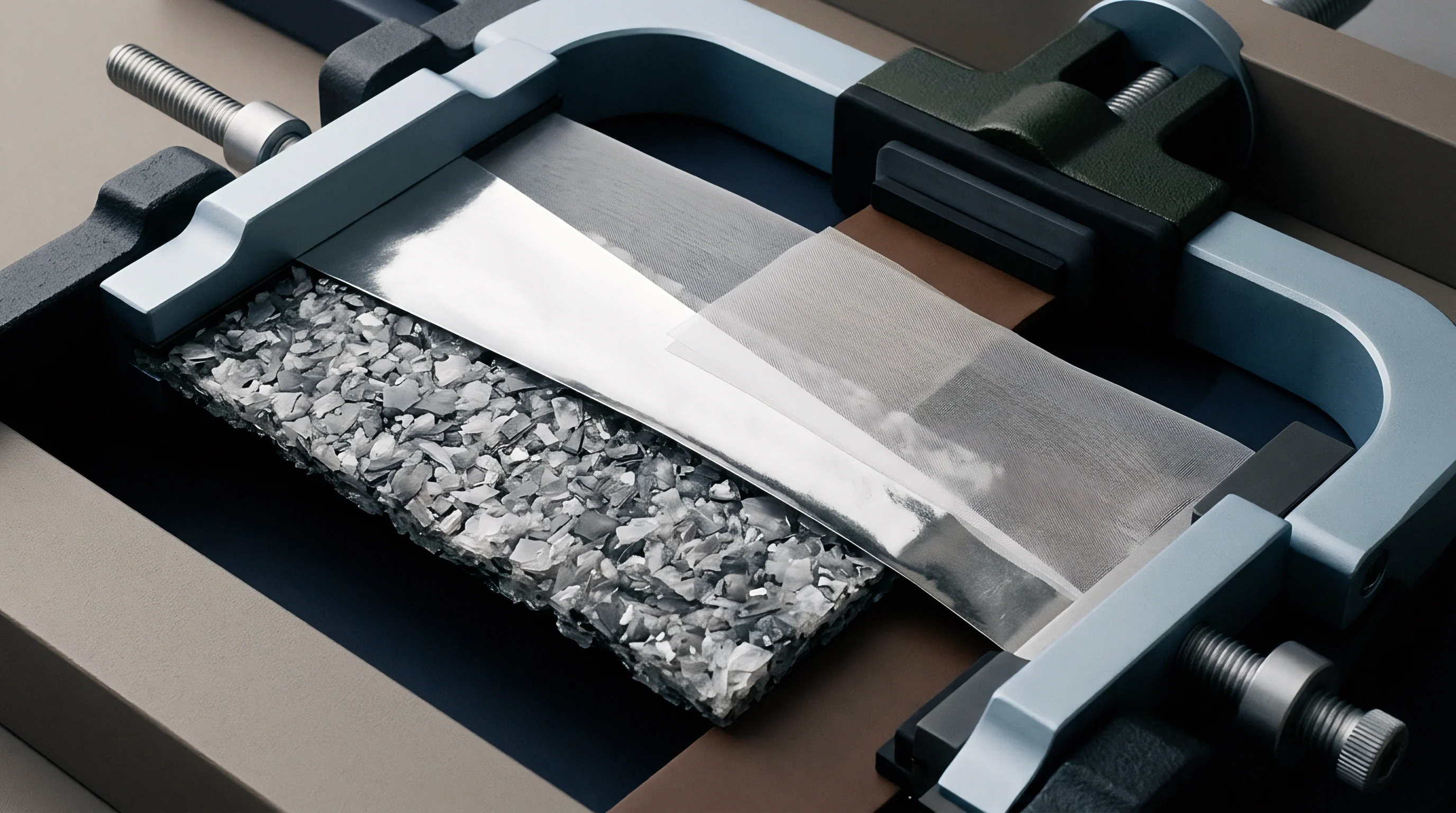
ISO 14184-1 extracts free formaldehyde at 40 °C for 60 min, forming a 412 nm lutidine complex where dye leaching requires HPLC-UV verification.


Bath
Standard analytical determination of extractable formaldehyde relies on controlled liquid immersion at elevated temperature. The ISO 14184-1 standard specifies immersion of textile and polymer membrane specimens in grade 3 deionized water at 40 °C ± 2 °C for 60 minutes ± 5 minutes. The ratio of extraction fluid to specimen mass remains strictly standardized at 100:1, typically using 1.00 g ± 0.01 g of sliced substrate in 100 mL of water inside a 250 mL stoppered Erlenmeyer flask.
The stopper prevents volatile gaseous formaldehyde from escaping into the headspace during heat bath incubation.
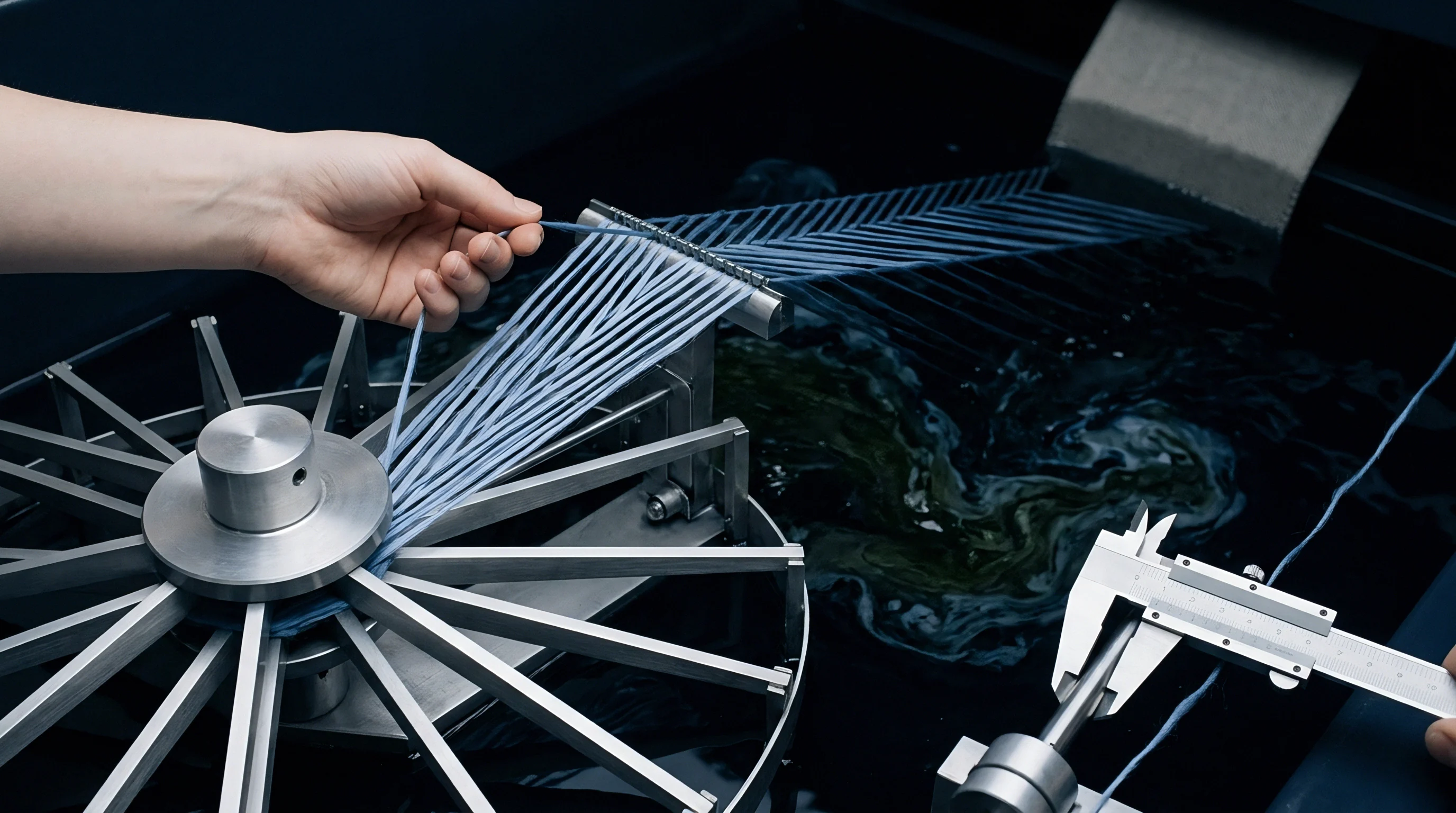
Aqueous Extraction Dynamics in Polymer Matrices
Water functions as both solvent and thermodynamic driving force during ISO 14184-1 testing. Heat drives the extraction reaction. Water molecules penetrate porous or hydrophilic polymeric structures, dissolving unbound free formaldehyde instantly.
The aqueous medium simultaneously initiates slow liquid hydrolytic cleavage of labile cross-linking bonds within surface finishes, resin coatings, and adhesive layers. Hydrophilic polyurethane membranes absorb water rapidly, swelling matrix chains and allowing entrapped formaldehyde to diffuse into the surrounding bath. Hydrophobic membranes such as expanded polytetrafluoroethylene resist fluid penetration, limiting extraction primarily to surface coatings, laminating adhesives, and textile backing interfaces.
Agitation during the immersion period alters mass transfer rates. ISO 14184-1 permits static bath placement with gentle manual shaking at 15-minute intervals, whereas orbital shaking water baths maintain continuous liquid motion. Continuous agitation reduces the stagnant boundary layer at the polymer surface, maintaining maximum concentration gradients between substrate pores and the bulk solution.
Temperature controls define test repeatability. A temperature shift from 40 °C to 45 °C increases hydrolytic cleavage rates of formaldehyde donor resins, artificially inflating measured free formaldehyde levels by 12 percent to 18 percent.
The standard water bath method isolates water-soluble free aldehyde without total chemical decomposition of stable resin networks. Water extracts the free aldehyde. Solvents like ethanol or hot water above 60 °C cause excessive resin degradation, giving false positive readings for free aldehyde.
Testing laboratory staff follow a strict operational protocol to maintain extraction accuracy.
- Cut representative membrane swatches into small pieces measuring approximately 5 mm by 5 mm to maximize liquid surface contact.
- Weigh 1.00 g of prepared specimen on an analytical balance precise to 0.001 g and place into a clean 250 mL glass-stoppered flask.
- Add 100 mL of grade 3 deionized water pre-conditioned to 40 °C using a calibrated volumetric dispenser.
- Seal the flask securely with a ground glass stopper, submerge in a thermostatically controlled water bath at 40 °C ± 2 °C, and incubate for exactly 60 minutes with controlled intermittent agitation.
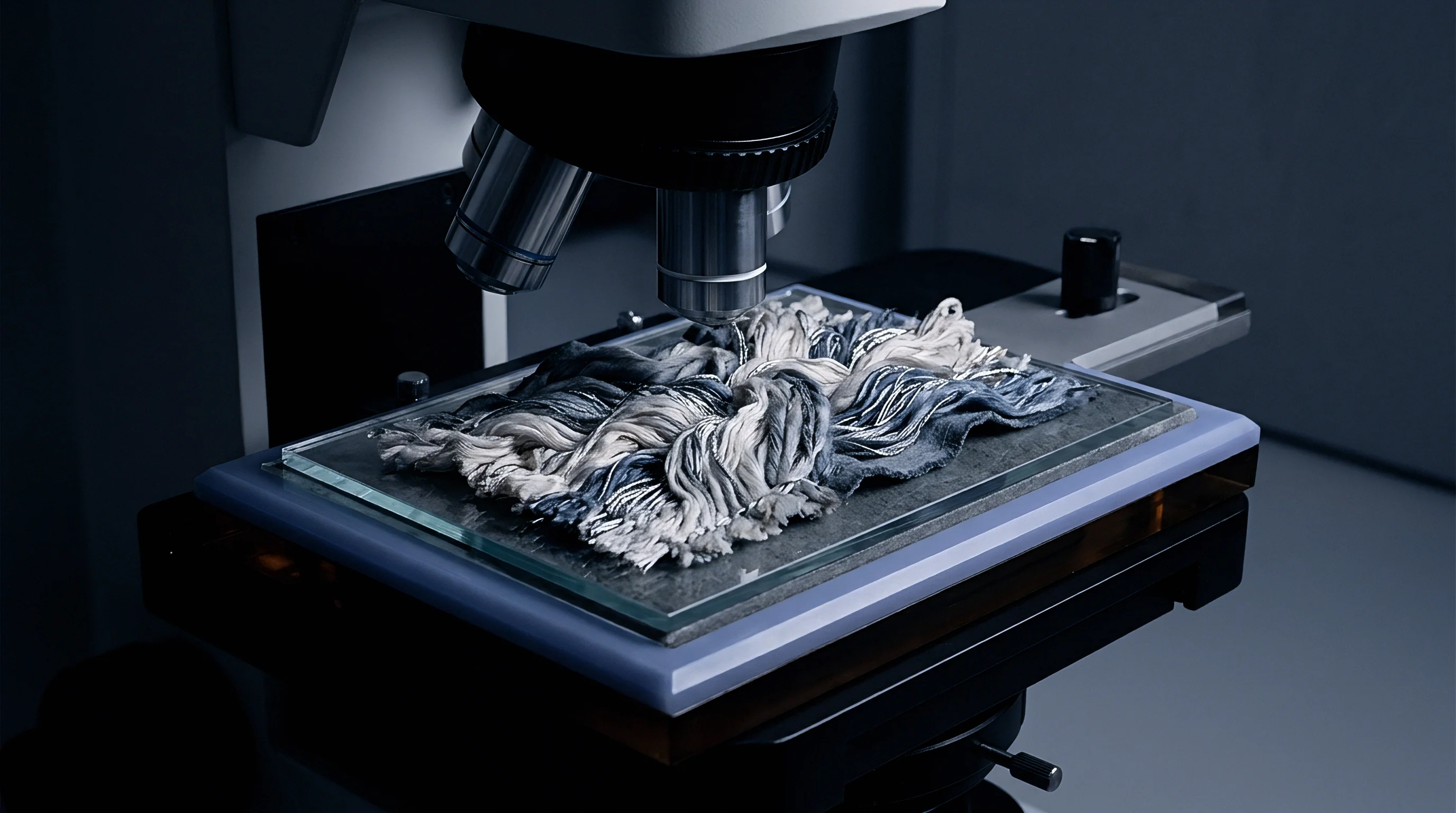
Operational Parameters for Aqueous Extraction
Strict thermal stability dictates the repeatability of quantitative analytical extraction. Variations in bath volume, vessel geometry, and immersion depth generate localized thermal gradients, causing significant measurement spread across replicate specimens. The target stays fixed.
Specimen mass precision directly alters extraction stoichiometry. The specimen weight governs ratio.
| Parameter | ISO 14184-1 Standard Method | JIS L 1041 Method A (Water Bath) | Modified Brand Screening Protocol |
|---|---|---|---|
| Water Temperature | 40 °C ± 2 °C | 40 °C ± 1 °C | 25 °C ± 1 °C |
| Extraction Duration | 60 min ± 5 min | 60 min ± 2 min | 30 min ± 2 min |
| Liquor to Specimen Ratio | 100:1 (100 mL / 1.00 g) | 100:1 (100 mL / 1.00 g) | 50:1 (50 mL / 1.00 g) |
| Agitation Method | Manual shaking every 15 min | Continuous orbital shaking | Continuous magnetic stirring |
| Vessel Type | 250 mL glass stoppered flask | 100 mL sealed glass bottle | 100 mL capped vial |
| Primary Target Compound | Free and extractable hydrolyzed aldehyde | Free aldehyde and water-extractable fraction | Unbound surface free aldehyde |
Extraction parameters chosen for lab verification must match standard temperature and timing rules, because minor shifts in water temperature change hydrolysis equilibrium points across all resin formulations.

Resin
Polymeric membrane structures incorporate crosslinking agents and surface treatments that contain unreacted aldehyde compounds. Thermoplastic polyurethane films, polyether-ester laminates, and acrylic coatings rely on chemical additives to enhance structural stability, flame retardancy, or water repellency. Dimethyloldihydroxyethyleneurea derivatives, melamine-formaldehyde crosslinkers, and self-crosslinking acrylic emulsions serve as primary sources of residual formaldehyde in functional textile membrane assemblies.
Hydrolysis Mechanisms of Crosslinking Polymeric Binders
Methylol functional groups in self-crosslinking acrylics release formaldehyde upon contact with moisture. During fabric curing, N-methylol groups condense to form ether bridges that join polymer chains. Unreacted N-methylol groups remain trapped inside the cured membrane matrix.
When exposed to the 40 °C aqueous environment of an ISO 14184-1 water bath, these ether bonds undergo reverse hydrolysis. The equilibrium constant of this reaction favors methylol dissociation under neutral or slightly acidic aqueous conditions, releasing free formaldehyde molecules into the extract solution.
Ether crosslinks in membrane finishes yield free formaldehyde under warm aqueous conditions through reversible hydrolytic cleavage.
Polyurethane membrane adhesives utilize polyisocyanate crosslinkers to achieve high bond strength between the membrane film and face fabrics. Formaldehyde is not a functional component of pure polyurethane polymer chains. Contamination arises from formaldehyde-releasing preservatives added to waterborne polyurethane dispersions.
Biocides such as tetramethylolglycoluril, imidazolidinyl urea, and triazine compounds prevent microbial growth in liquid polymer storage drums. During membrane drying and lamination, these biocides decompose partially, leaving residual free formaldehyde distributed across the laminate matrix.
Polyurethane Coating Formulations and Aldehyde Off-Gassing
Aqueous polyurethane dispersions frequently employ latent crosslinkers to achieve chemical durability. Hydroxymethylated additives break down during heat curing to generate reactive species. Insufficient curing oven residence time or incomplete temperature profiles leave unreacted hydroxymethyl residues within the polyurethane coating.
These residues off-gas formaldehyde into sealed packaging during container transit. Unbound monomer off-gasses rapidly.
When an importer challenges elevated test results, a laminating mill typically responds that the residual aldehyde originates entirely from face-fabric pre-treatments rather than their proprietary membrane formulation.
Chromophore
Spectrophotometric detection relies on the reaction between extracted formaldehyde and acetylacetone in an ammonium acetate buffer. The Hantzsch reaction forms the analytical basis of ISO 14184-1 quantitative determination. Formaldehyde reacts with ammonium ions and 2,4-pentanedione (acetylacetone) to synthesize 3,5-diacetyl-1,4-dihydrolutidine.
This reaction product forms a distinct yellow lutidine complex that exhibits strong light absorption at a wavelength of 412 nanometers.
Nash Reaction Chemistry and Lutidine Complex Formation
Ammonium ions react with acetylacetone and formaldehyde at neutral pH to yield 3,5-diacetyl-1,4-dihydrolutidine. Reagents require fresh daily preparation. The standard Nash reagent uses 150 g ammonium acetate, 3 mL glacial acetic acid, and 2 mL acetylacetone dissolved in 1 L deionized water, maintaining a pH of 6.0 ± 0.1.
Equal volumes of sample extract and Nash reagent mix inside test tubes, followed by incubation in a 40 °C water bath for 30 minutes. The yellow color intensity correlates directly with formaldehyde concentration according to Beer-Lambert law principles.
A 30-minute incubation of aqueous extract with Nash reagent at 40 °C achieves complete lutidine chromophore development without causing secondary chemical breakdown.
Absorbance reflects color complex density. Calibration curves constructed using standardized formaldehyde solutions prepared from primary sodium thiosulfate titrations yield precise linear response factors. The limit of quantification for the spectrophotometric method sits at 16 mg/kg of sample weight, corresponding to 0.16 mg/L in the aqueous extract.
Spectrophotometer optical paths require accurate zero adjustments against a reagent blank consisting of deionized water and Nash solution.
Spectral Correction for Extract Coloration
Dyes and finishing auxiliaries that leach into the aqueous phase alter light transmittance at 412 nanometers. Darkly colored textiles, fluorescent brightening agents, and water-soluble polyurethane auxiliaries yield colored extracts that produce false positive concentration readings. Dye migration shifts absorption peaks.
Standard analytical protocols resolve this background absorption by evaluating a sample blank containing sample extract and deionized water without Nash reagent.
| Interference Mechanism | Source In Membrane Laminate | Spectral Effect At 412 nm | Corrective Analytical Protocol |
|---|---|---|---|
| Direct Dye Leaching | Acid or direct dyes on face fabric | Baseline absorbance elevation | Subtract sample extract blank without Nash reagent |
| Fluorescent Emission | Optical brighteners on synthetic backing | Secondary excitation at 400-420 nm | Use derivative spectrophotometry or HPLC ISO 14184-3 |
| Turbidity / Emulsion | Leached polyurethane emulsifiers | Light scattering across visible spectrum | Filter extract through 0.45 µm PTFE membrane prior to reagent addition |
| Chemical Reaction | Residual sodium bisulfite or reductants | Destruction of lutidine complex | Perform recovery spike check; switch to HPLC-UV determination |
Failing to execute background blank corrections on strongly colored aqueous extracts leads directly to batch rejections for compliant merchandise, costing converters tens of thousands of dollars in disputed shipments.
Swatch
Laboratory specimen preparation directly dictates the recovery percentage of volatile aldehydes during aqueous extraction. Physical sampling procedures, cutting tools, sample mass, and storage conditions prior to immersion affect analytical repeatability. Formaldehyde exhibits high volatility and rapid ambient off-gassing.
Improper handling of cut membrane specimens permits volatile aldehyde loss before liquid extraction begins, leading to artificially depressed test results that hide non-compliance.
Sampling Mechanics and Edge Shear Volatility
Cutting membrane laminates exposes interior core layers and accelerates local gaseous loss. Precision die-cutters or clean stainless steel shears cut samples cleanly without excessive friction heating. Heat generated by dull cutting blades volatilizes surface formaldehyde instantly.
Specimen storage prior to weighing requires airtight glass vessels or sealed aluminum foil bags with zero headspace. Standard conditioning per ISO 139 (20 °C ± 2 °C, 65% ± 4% RH) must occur in a controlled environment free from atmospheric formaldehyde contamination, limited to the minimum time needed for moisture equilibration.
Standard quality control procedures require strict adherence to sampling protocols across all testing facilities.
- Unsealed Sample Transit allows volatile free formaldehyde to escape into shipping bags, causing a 30 percent loss of measurable content during hot transit.
- Thermal Shearing Friction during rapid mechanical cutting heats membrane edges above 50 °C, driving off unbound free aldehyde before weighing.
- Delayed Jar Stopper Insertion leaves extraction flasks unsealed for several minutes after adding warm water, releasing volatile gaseous formaldehyde into ambient lab air.
- Non-Representative Layer Ratio occurs when edge trimming separates membrane film from face fabric, skewing the mass balance of the tested specimen.
Standard compliance contracts include strict language governing physical sample integrity, declaring that test reports produced from specimens conditioned in unsealed packaging are legally void for product qualification purposes.
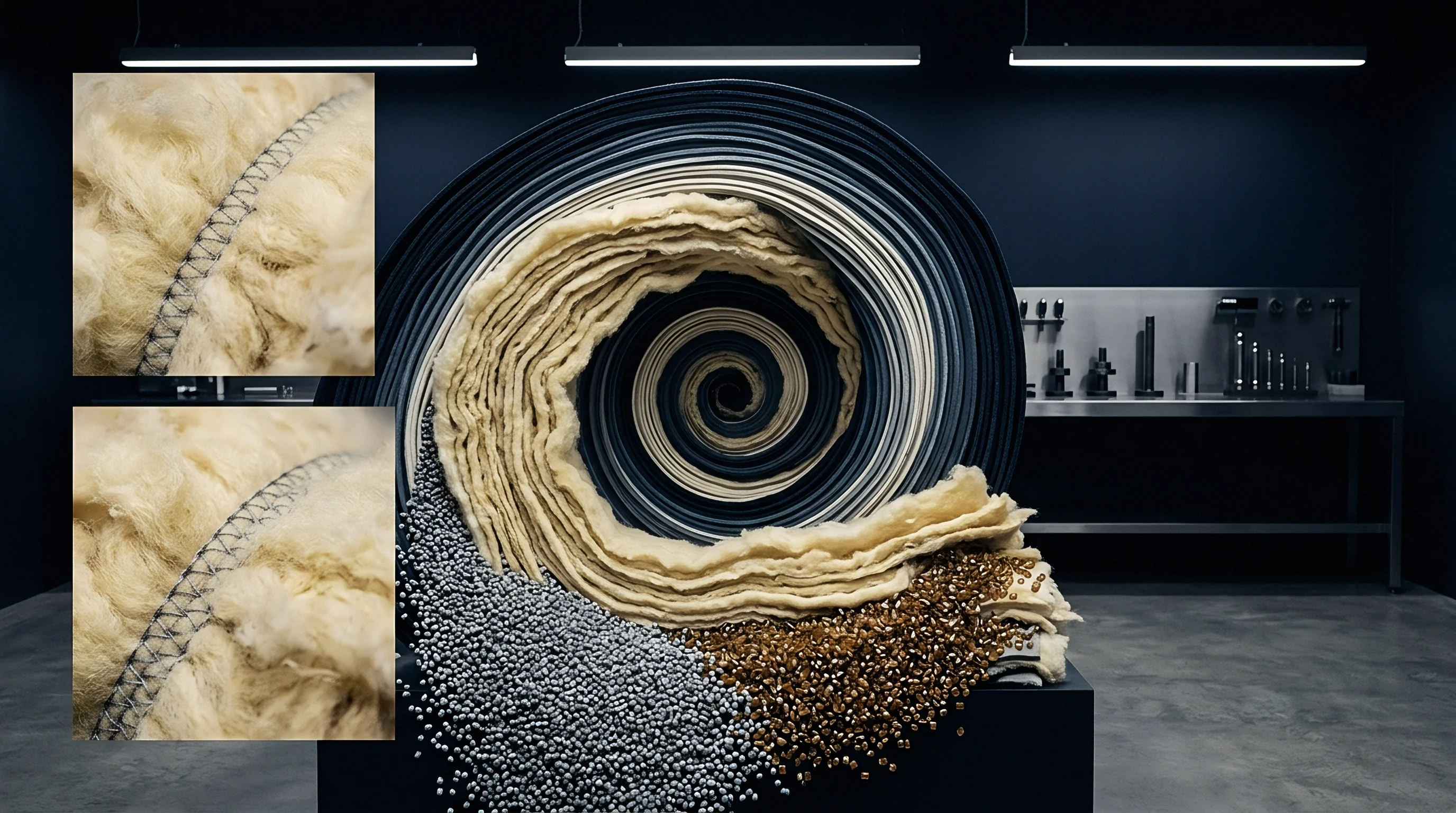
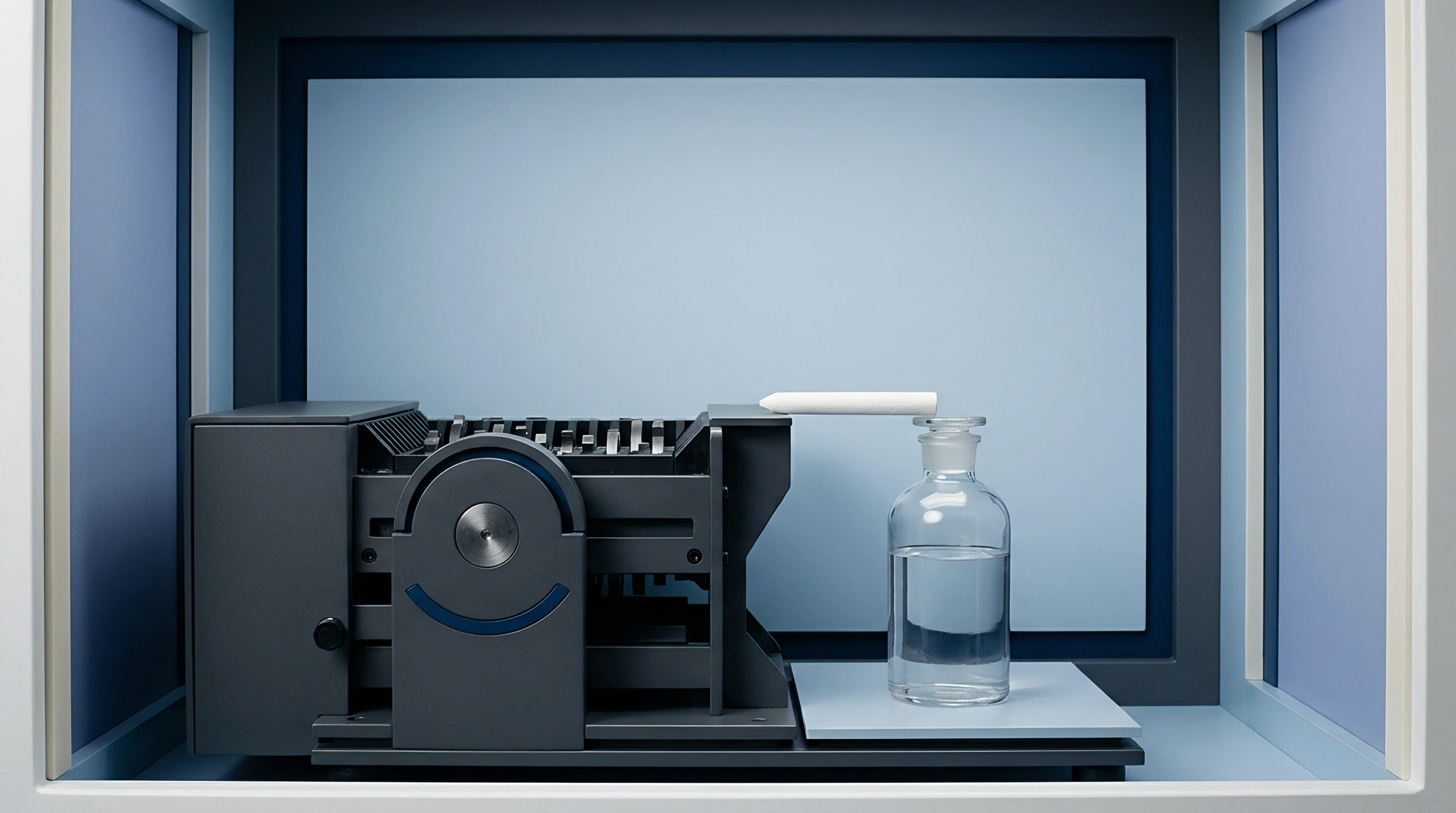
Disparity
Divergence between testing standards creates conflicting chemical compliance figures for identical membrane lots. ISO 14184-1 water extraction at 40 °C measures free and water-soluble hydrolyzed formaldehyde. Japanese Law 112 (JIS L 1041 Method B) employs sealed jar vapor absorption at 49 °C for 20 hours, suspending the specimen above a water reservoir.
The vapor absorption method drives extensive thermal cleavage of resin crosslinkers, yielding formaldehyde numbers up to three times higher than ISO 14184-1 liquid extraction on identical polyurethane coatings.
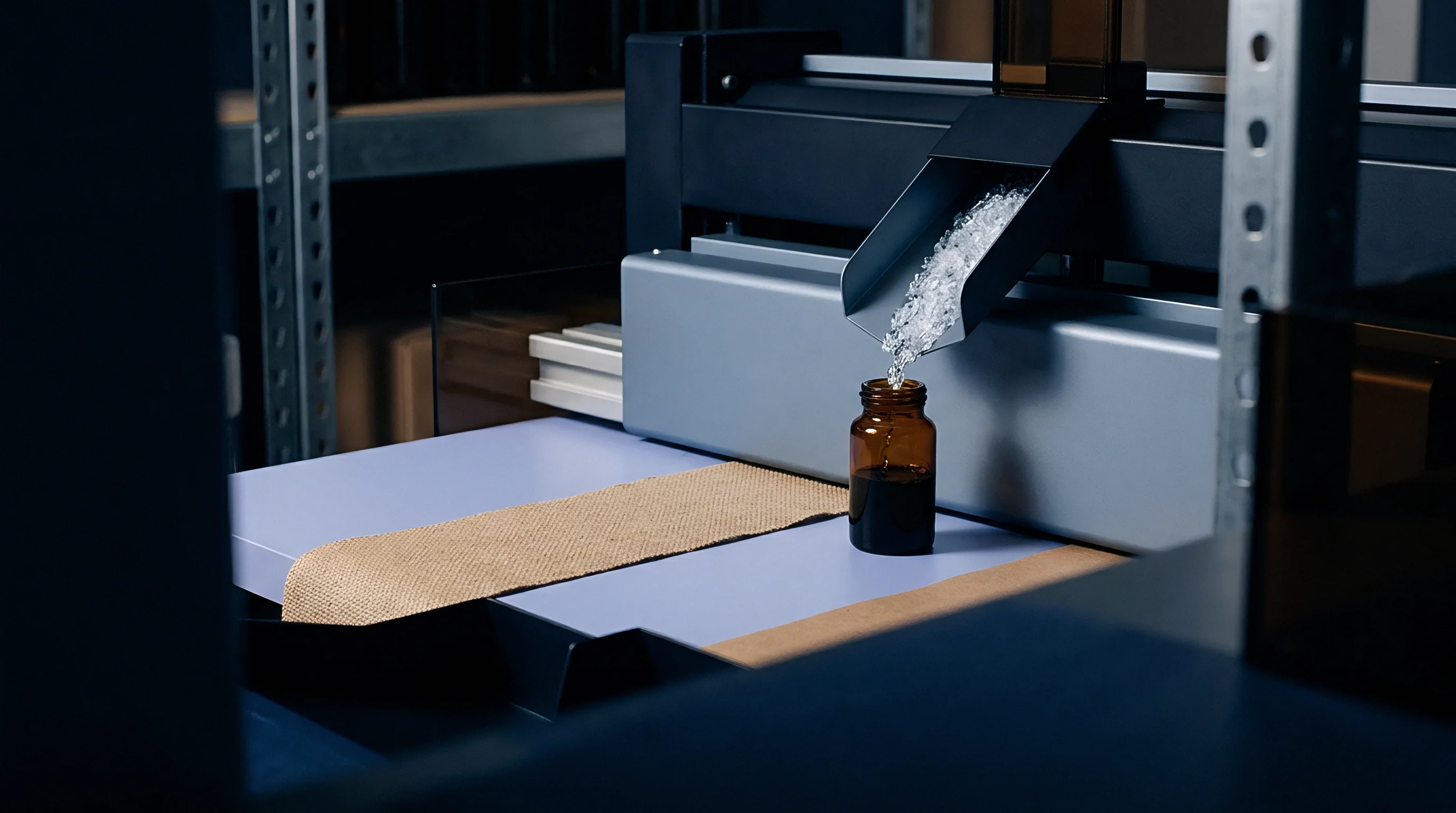
Which Method Resolves Leached Dye Interference in Dark Membranes?
Liquid chromatography coupled with ultraviolet detection isolates formaldehyde from background colored interferences. ISO 14184-3 specifies extraction per ISO 14184-1 followed by derivatization with 2,4-dinitrophenylhydrazine (DNPH). The resulting formaldehyde-DNPH hydrazone undergoes chromatographic separation on a C18 reverse-phase HPLC column, detected at 355 nm.
High-performance liquid chromatography eliminates dye color interference completely, providing absolute chemical selectivity down to detection limits of 1 mg/kg.
ISO 14184-3 HPLC-UV analysis isolates formaldehyde-DNPH derivates from background dye interferences, providing absolute chemical quantification without color spectral distortion.
| Standard Designation | Extraction Medium | Thermal & Time Profile | Detection Mechanism | Primary Application Scope |
|---|---|---|---|---|
| ISO 14184-1 / EN ISO 14184-1 | Water bath immersion | 40 °C for 60 minutes | Acetylacetone spectrophotometry (412 nm) | Global commercial textile compliance |
| ISO 14184-2 / JIS L 1041 B | Water vapor headspace | 49 °C for 20 hours | Acetylacetone spectrophotometry (412 nm) | Japanese market regulatory entry |
| ISO 14184-3 | Water bath immersion | 40 °C for 60 minutes | DNPH derivatization & HPLC-UV (355 nm) | Discrepancy resolution & dark dyestuffs |
| AATCC 112 | Vapor headspace | 49 °C for 20 hours | Chromotropic acid titration / photometry | US fabric mill resin finish evaluation |
Selection of analytical methodology requires evaluation of substrate construction, dye stability, and target destination rules.
- Regulatory Scope Alignment matches the specific test method to target market customs laws, avoiding method-mismatch rejections.
- Color Spectrum Verification identifies dyed membrane extracts requiring HPLC derivatization rather than Nash colorimetry.
- Crosslink Hydrolysis Assessment evaluates whether elevated test results represent actual free monomer or method-induced thermal decomposition.
The central analytical uncertainty remains whether international harmonization will eventually standardize on HPLC-UV detection across all product classes, rendering spectrophotometric Nash methods obsolete for complex functional laminates.
Exposure
Regulatory thresholds across international markets penalize non-compliant textile import containers at the port of entry. The European Union REACH Regulation Annex XVII Entry 72 mandates a maximum limit of 75 mg/kg for formaldehyde in clothing and accessible textile accessories. OEKO-TEX Standard 100 Class I imposes a limit of non-detectable (below 16 mg/kg LOQ) for infant wear, while Class II permits up to 75 mg/kg for direct-to-skin contact fabrics.
Scope exclusions create buyer exposure.
Regulatory Thresholds across Global Product Classes
OEKO-TEX Standard 100 sets strict limits based on intended skin contact. A Scope Certificate covers only explicitly named article groups. A transaction certificate that cites a scope certificate covering untreated woven polyester face fabric does not extend chemical compliance protection to a three-layer laminated membrane garment assembled with polyurethane adhesives.
Market surveillance authorities sample finished garments at retail, testing whole composite panels. If laminating adhesives contain 110 mg/kg formaldehyde, the entire garment fails compliance, leading to public recall databases listing the brand name.
OEKO-TEX Class I certification mandates formaldehyde concentrations below the 16 mg/kg quantification threshold for infant textile products.
Commercial Retest Mechanics and Lot Rejection Arithmetic
A worked calculation demonstrates the financial impact of batch compliance failure under commercial delivery contracts. Assume a brand purchases 25,000 meters of 3-layer waterproof membrane fabric valued at $12.00 per meter, totaling $300,000 landed invoice value. Destination customs testing reveals a formaldehyde level of 92 mg/kg under ISO 14184-1, exceeding the 75 mg/kg REACH threshold.
Retest protocols permit two secondary duplicate tests from the same production lot. Retesting costs approximately $350 per specimen at an accredited ISO 17025 laboratory. If secondary tests confirm levels of 88 mg/kg and 95 mg/kg, the batch faces permanent rejection.
Port demurrage charges accumulate at $250 per container per day during a 20-day quarantine hold, adding $5,000 in logistics penalties. Destruction of non-compliant merchandise under customs supervision adds $0.40 per kilogram, costing approximately $2,800 for a 7,000 kg shipment.
Contractual liability allocation shifts all retest fees, port demurrage, destruction costs, and lost sales margin back to the converting mill when purchase orders explicitly mandate batch-level ISO 14184-1 compliance certificates tied directly to specific roll numbers.