International Standard
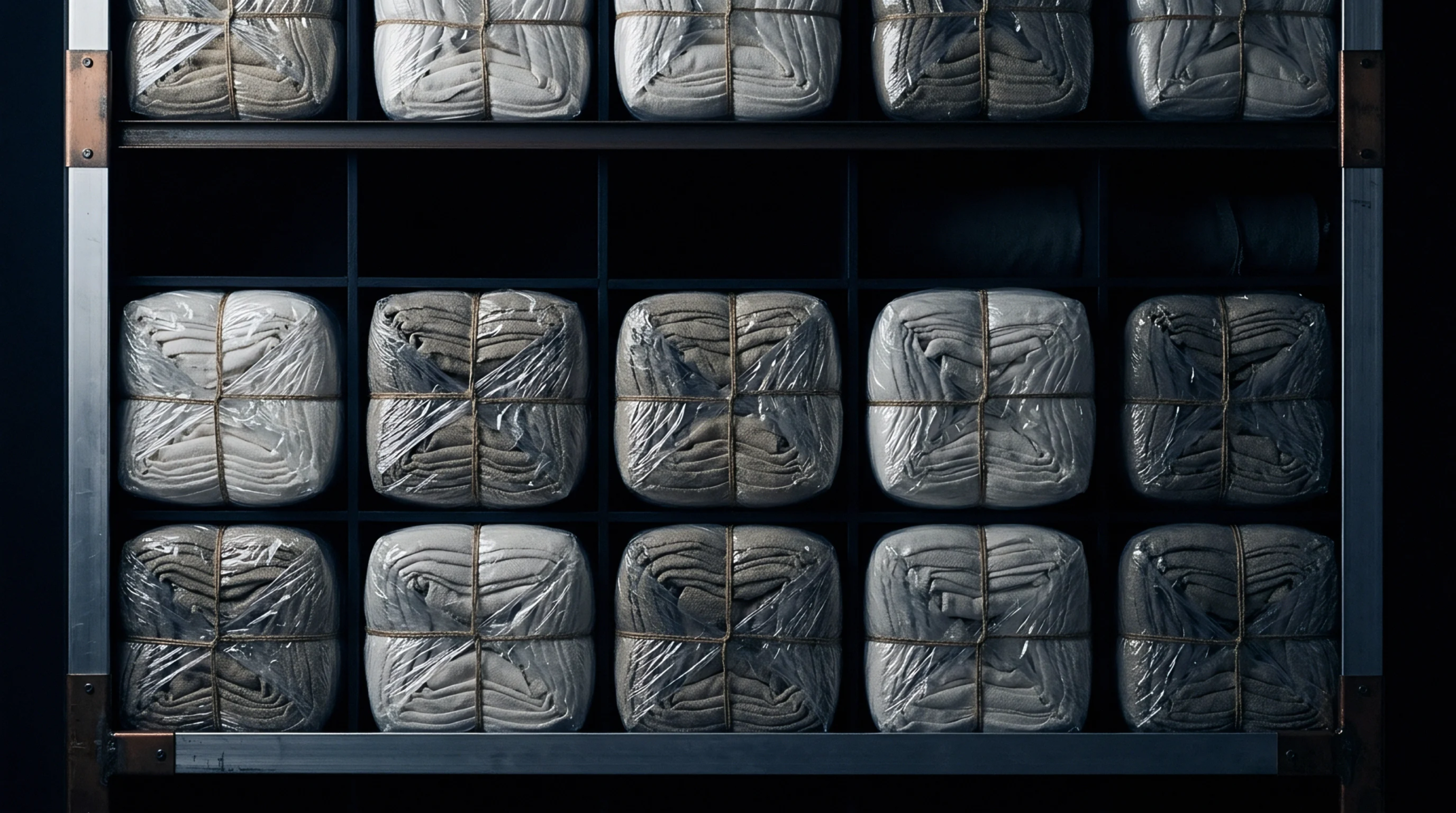
Measurement of released formaldehyde from textile fabrics is conducted using a vapour absorption method to simulate storage conditions in warehouses. This protocol, designated as iso 14184-2, determines the amount of chemical released under humid conditions without direct water contact. The procedure is vital for assessing garments that are packaged and shipped in sealed plastic bags.
Testing Procedure
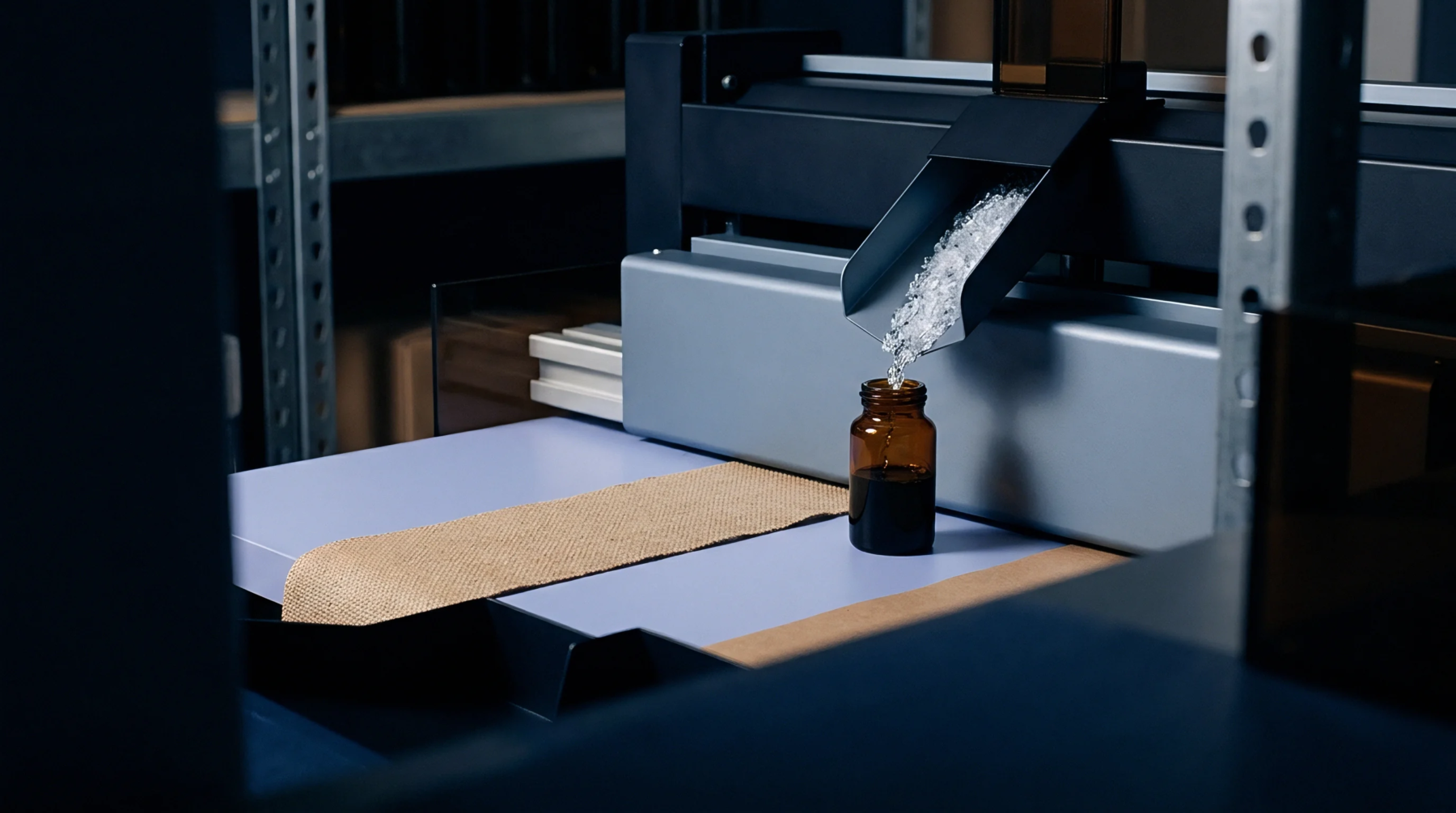
Fabric specimens are suspended over water in a sealed jar at forty-nine degrees Celsius for twenty hours. The released formaldehyde gas is absorbed by the water, which is then analyzed using acetylacetone colorimetry. This method simulates the microclimate of a shipping container during long-distance maritime transport.
Analytical Verification
Spectrophotometric evaluation of the water solution yields the concentration of released formaldehyde in parts per million. Mill quality teams use this data to identify garments that might develop unpleasant chemical odours during transit. This test prevents the shipment of finished goods that would fail retail inspection upon arrival at the distribution center, avoiding costly returns and product repackaging.
Industrial Scope
Safety audits utilize this vapor-phase test for coated, printed, and resin-treated fabrics. The method does not measure the chemically bound formaldehyde that cannot release as a gas. It provides a specialized assessment of vapor release during logistics and warehousing.