Bonding Polymer
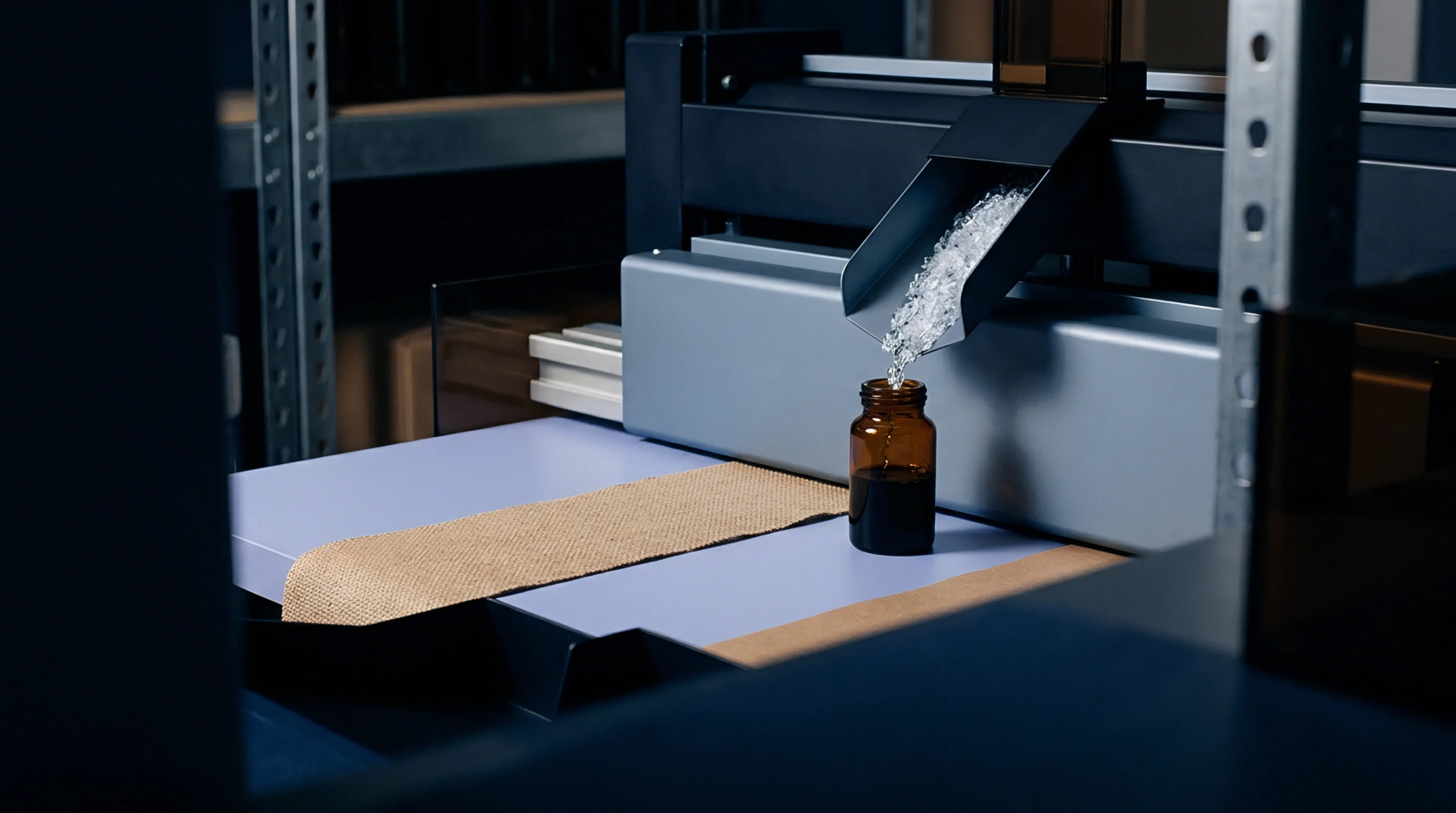
Thermoplastic compounds that liquify upon heating and solidify upon cooling are used to join textile layers without solvent evaporation. In garment construction, hot-melt adhesive provides a secure bond for seam sealing tapes, hem finishes, and laminated functional fabrics. The polymer compound develops high bond strength almost immediately after cooling.
Thermal Behaviour
The polymer transition from a solid state to a high-viscosity liquid occurs at a specific activation temperature, typically between one hundred and one hundred and fifty degrees Celsius. Once melted, the adhesive wets the fabric surface and penetrates between the individual yarn fibres. This mechanical interlocking creates a durable bond that resists subsequent washing and dry cleaning cycles.
Application Method
Slot-die coating, rotogravure printing, or spray nozzles apply the molten polymer to the fabric substrate. Garment factories use heated press rollers or tape-sealing machines to combine the fabrics under controlled pressure. This automated process increases production speeds compared to liquid sewing adhesives, ensuring a clean and flat seam appearance on waterproof outerwear or performance sportswear.
Industrial Assembly
Technical textiles for automotive interiors and medical gowns utilize these polymer webs for dry lamination. The bond does not provide structural strength if exposed to temperatures above the polymer melting point. It replaces traditional stitching in modern seamless garments.