Restricted Chemical Substance Limits for Textile Import Border Clearance
Import border clearance demands batch-level analytical test reports matching precise article specifications, restricted substance thresholds, and valid lab scope.
Import border clearance demands batch-level analytical test reports matching precise article specifications, restricted substance thresholds, and valid lab scope.
Subcontracted wet processing requires binding batch-level chemical verification and milestone payments to prevent catastrophic border seizures of converted yardage.
Water bath extraction per ISO 14184-1 quantifies free formaldehyde in textile membranes via 40°C incubation and acetylacetone spectrophotometry at 412 nm.
Enforcing chemical indemnity demands tripartite swatch escrow with nitrogen-sealed splits to withstand foreign judicial scrutiny and analytical retesting.
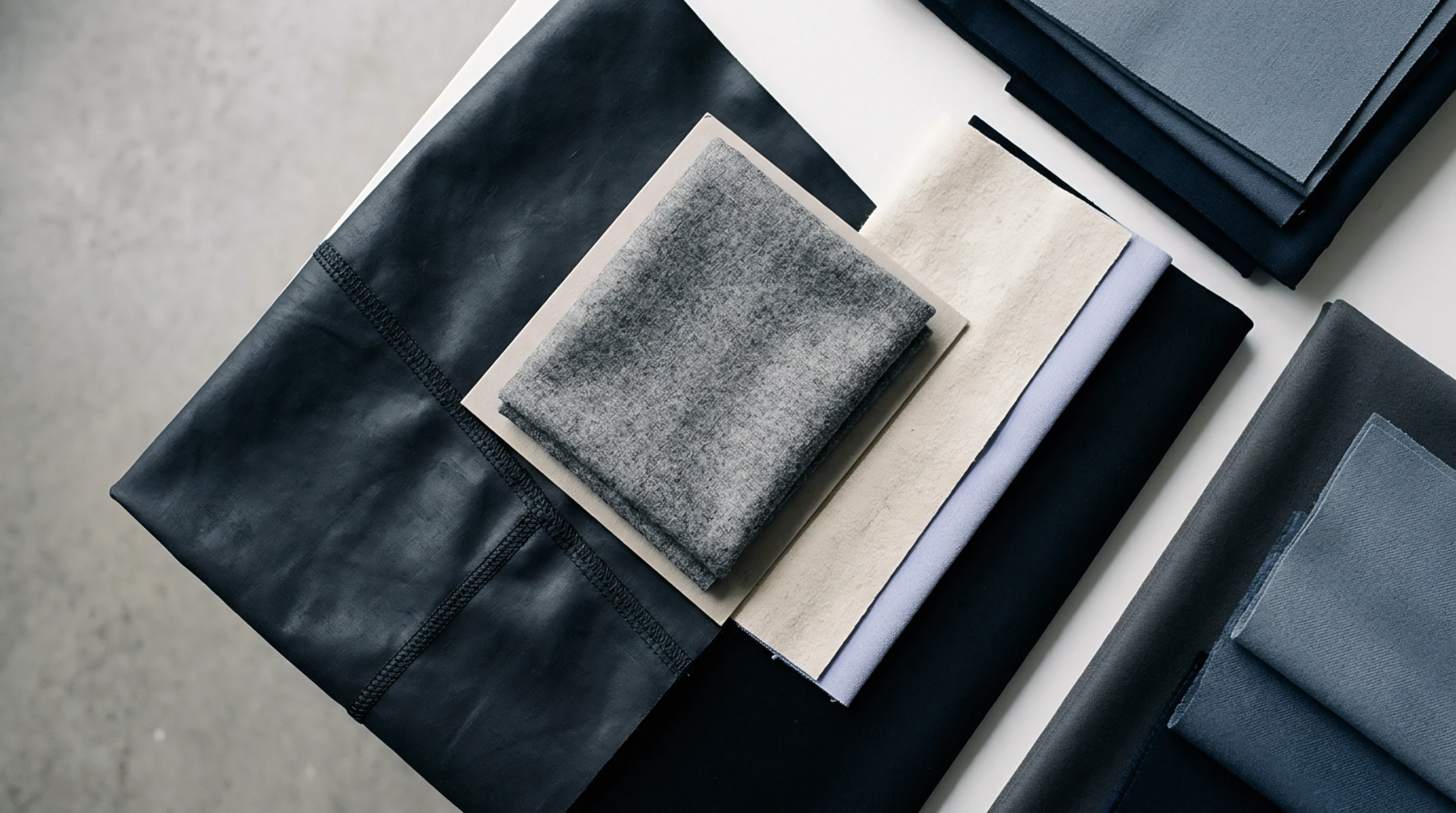
Baseline chemical retesting for woven fabric requires lot-tied testing intervals matched to finishing risk, analytical variance buffers, and contract indemnity.
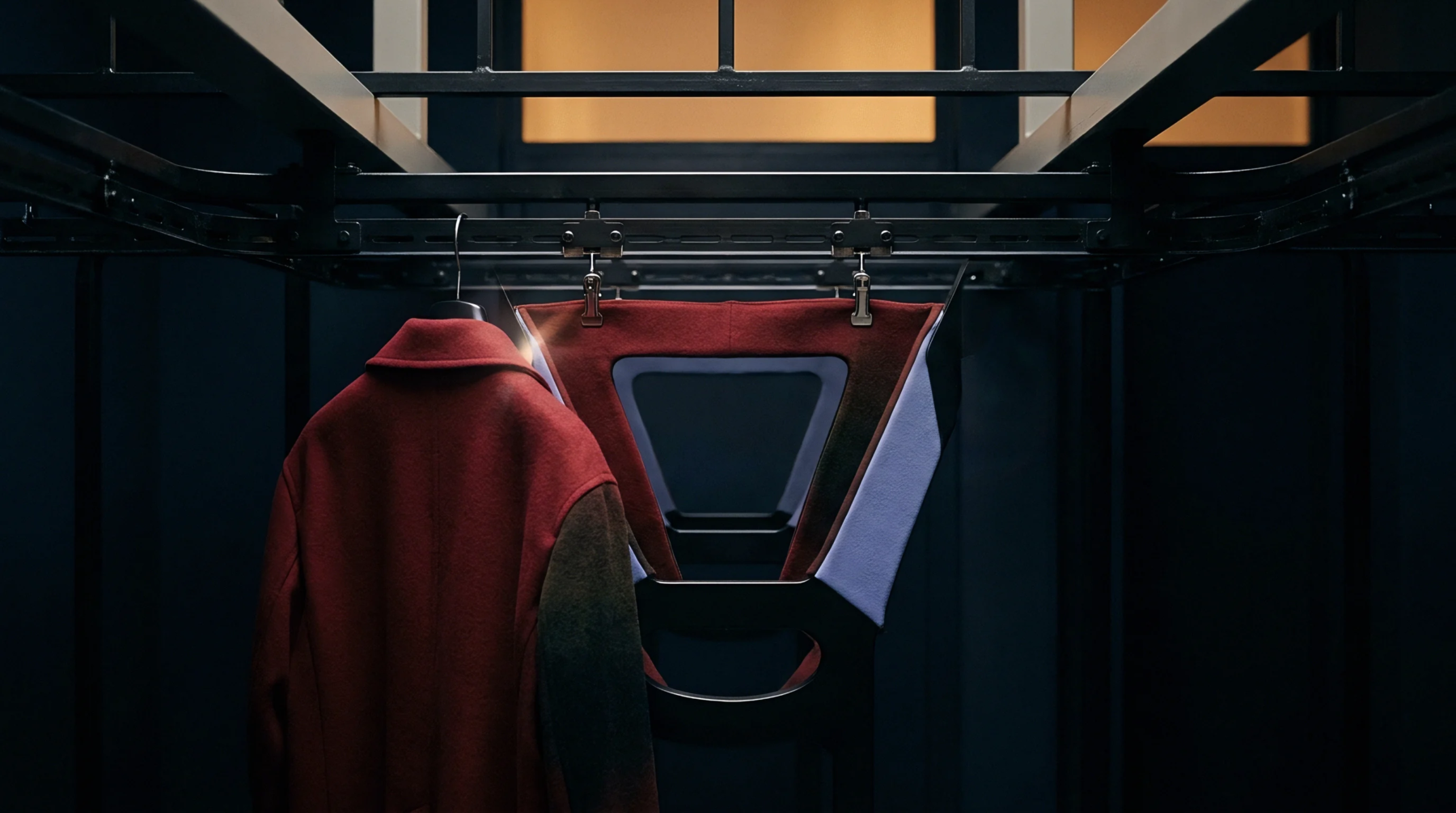
Industrial garment wet processing alters garment dry mass and creates matrix interferences, shifting analytical chemical concentrations past legal thresholds.
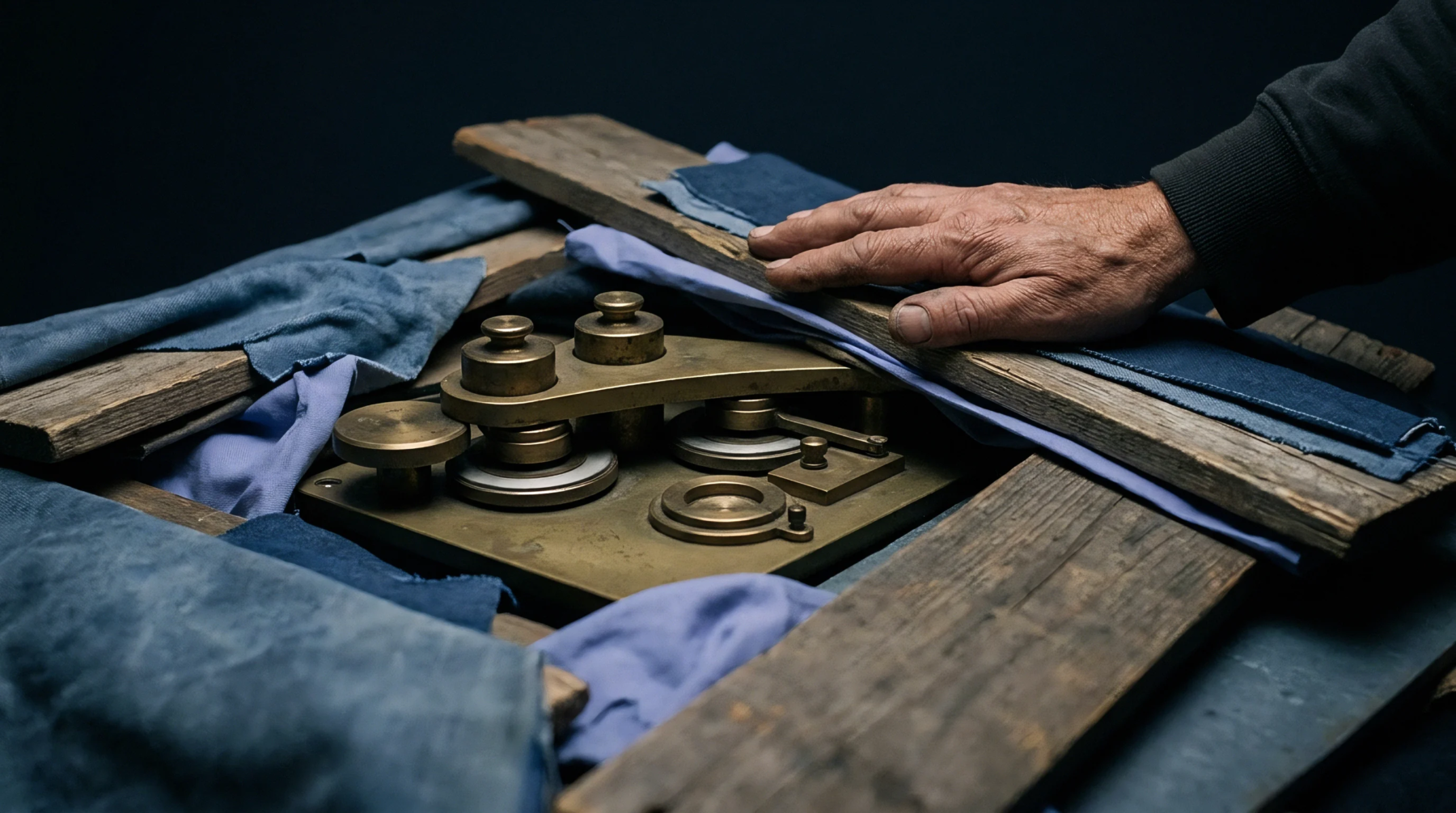
ISO 14184-1 quantifies free formaldehyde via water extraction at 40°C and spectrophotometry at 412 nm, enforcing batch release limits from 16 to 75 mg/kg.
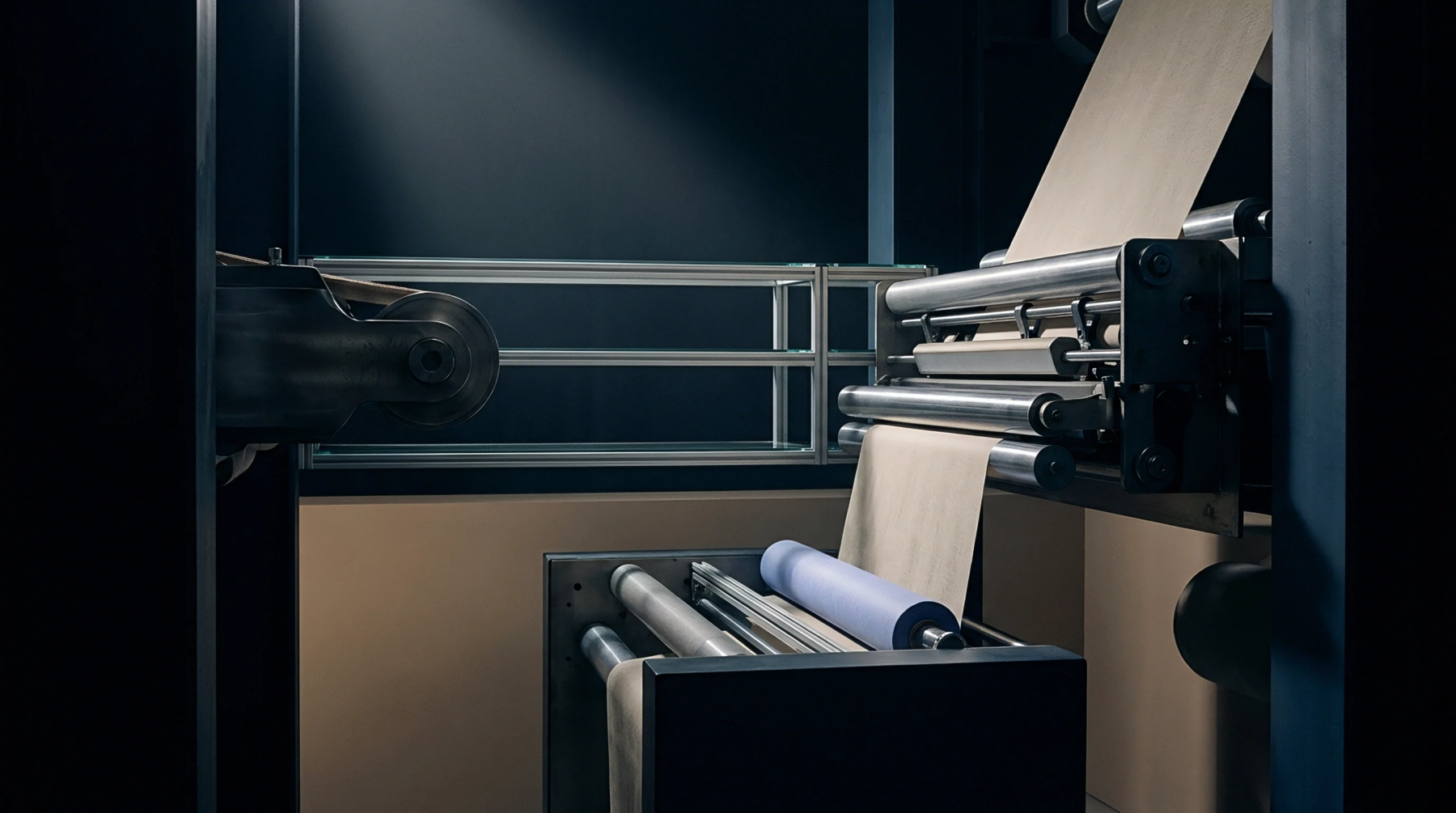
ISO 14184-1 extracts free formaldehyde at 40 °C for 60 min, forming a 412 nm lutidine complex where dye leaching requires HPLC-UV verification.
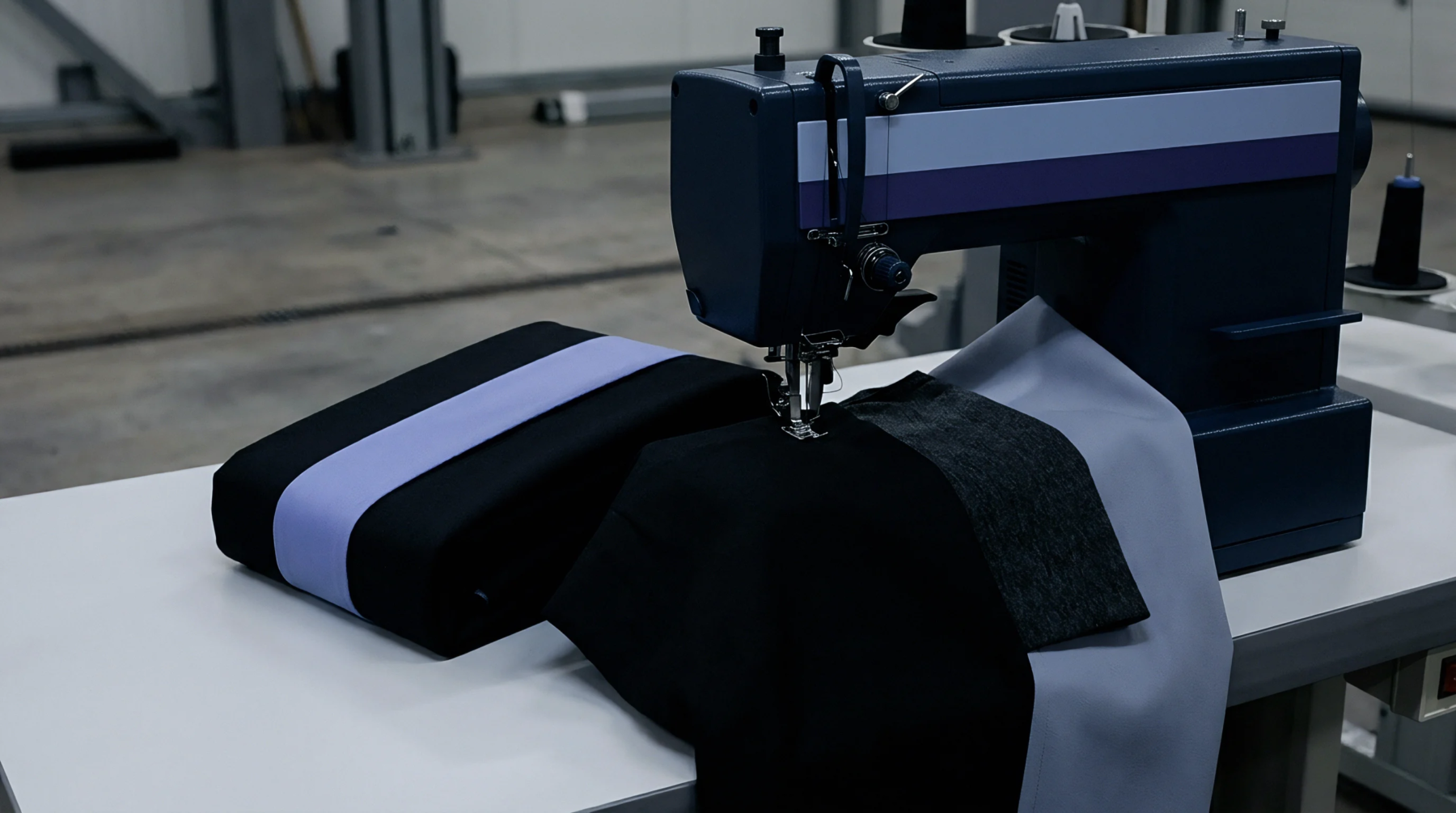
Assembling valid textile customs clearance files requires aligning invoice line weights with transaction certificate sequences and accredited laboratory test reports.
Polymer membrane swelling and unmixed boundary layers delay formaldehyde release during ISO 14184-1 testing, causing severe extraction dossier discrepancies.
Expertise is a utility, not a secret. sentiention™ publishes its working knowledge as open reference: intelligence layer covering the materials it sources, the markets it enters, and the reference that serves both.