
Managing Post-Certificated Chemical Transformation in Ocean Container Cargo Shipments
Ocean transit microclimates hydrolyze textile finishes, requiring desiccant dimensioning and mill-level curing stabilization to clear destination surveillance.
Ocean transit microclimates hydrolyze textile finishes, requiring desiccant dimensioning and mill-level curing stabilization to clear destination surveillance.
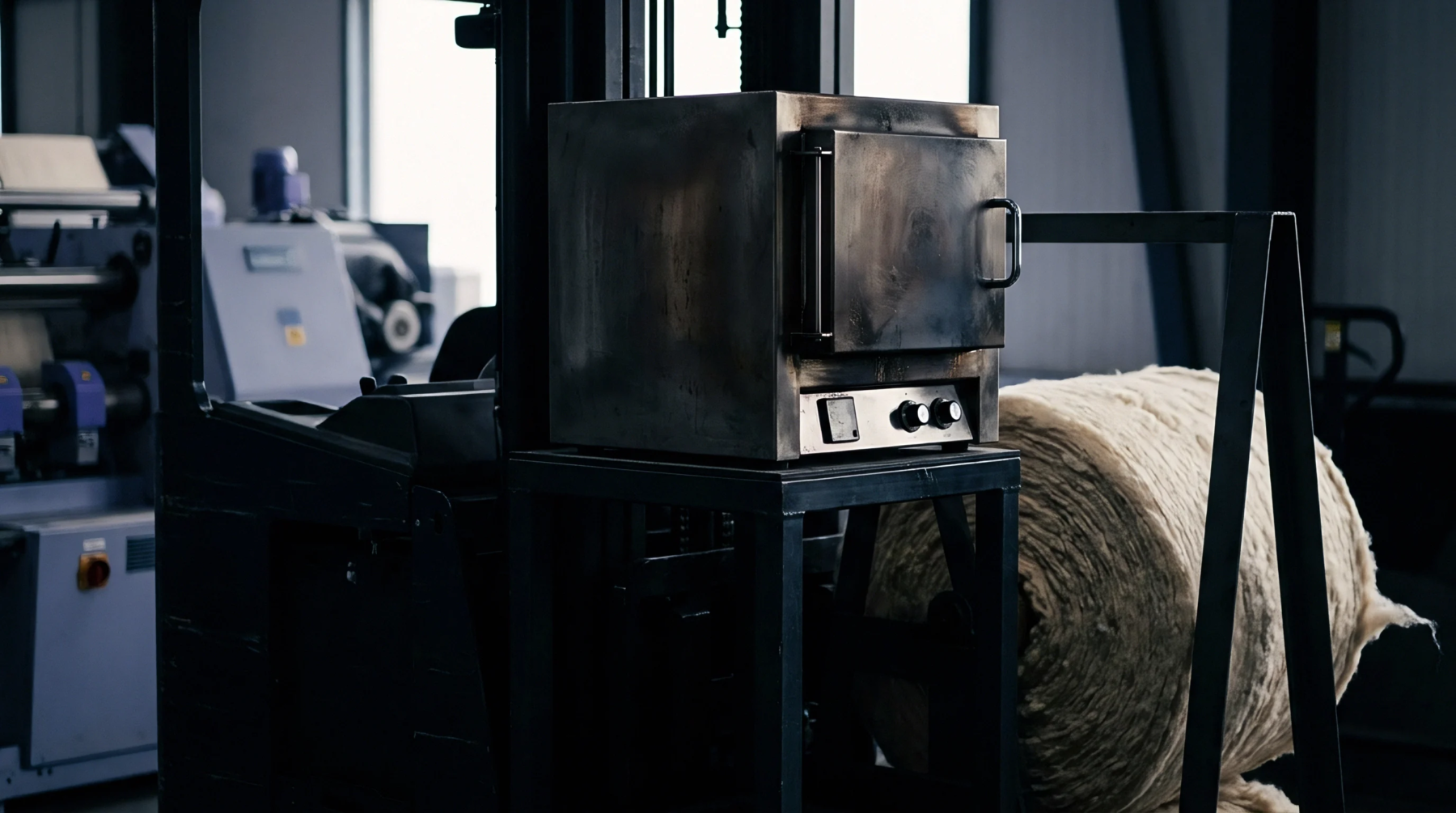
Controlling textile extract measurement temperature within 20 °C ± 1 °C prevents temperature-induced pH drift and false ISO 3071 compliance rejections.
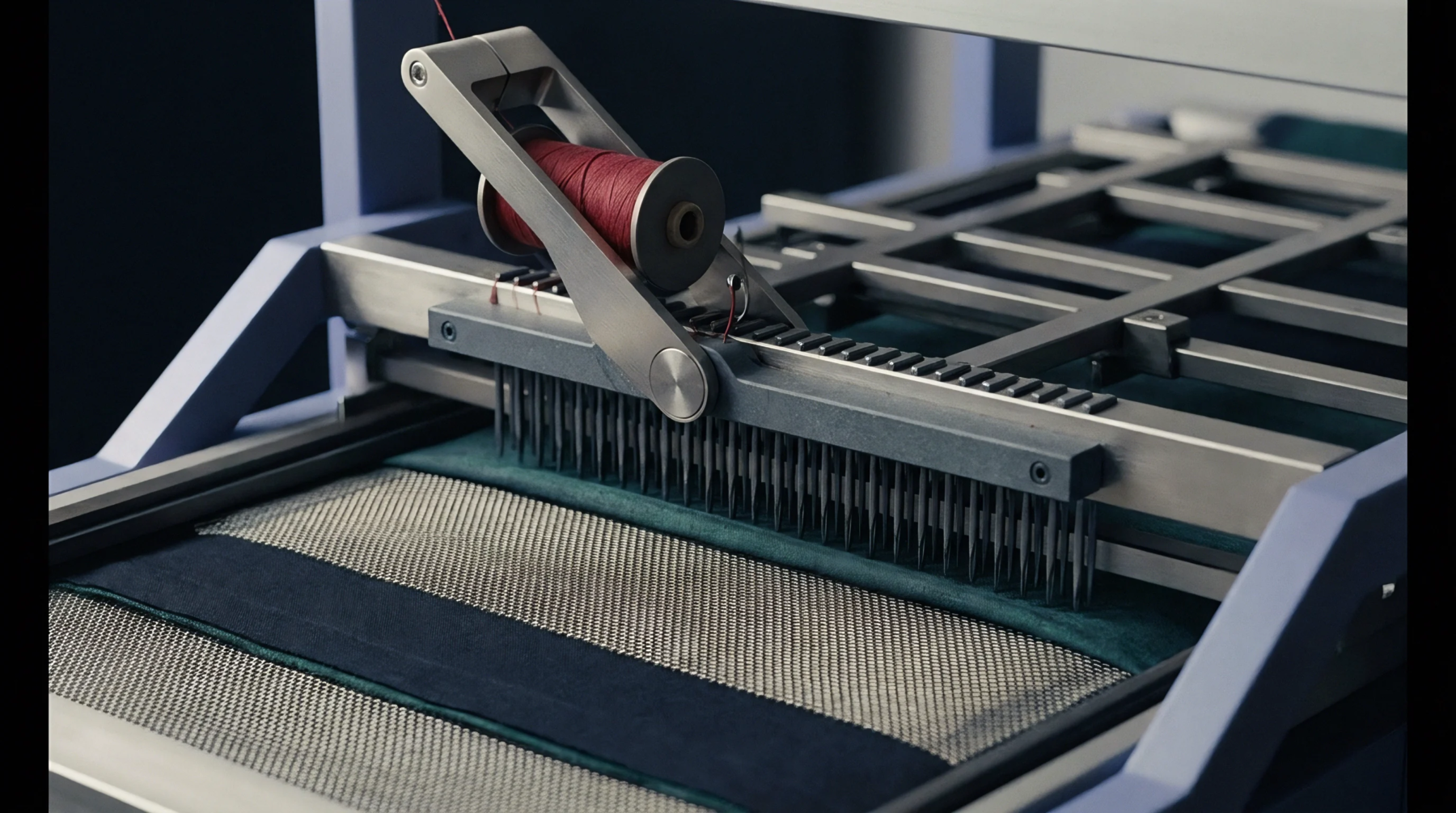
Unified chemical threshold matrices enable multi-market fabric clearance by harmonizing the strictest global limits into single-lot test protocols.
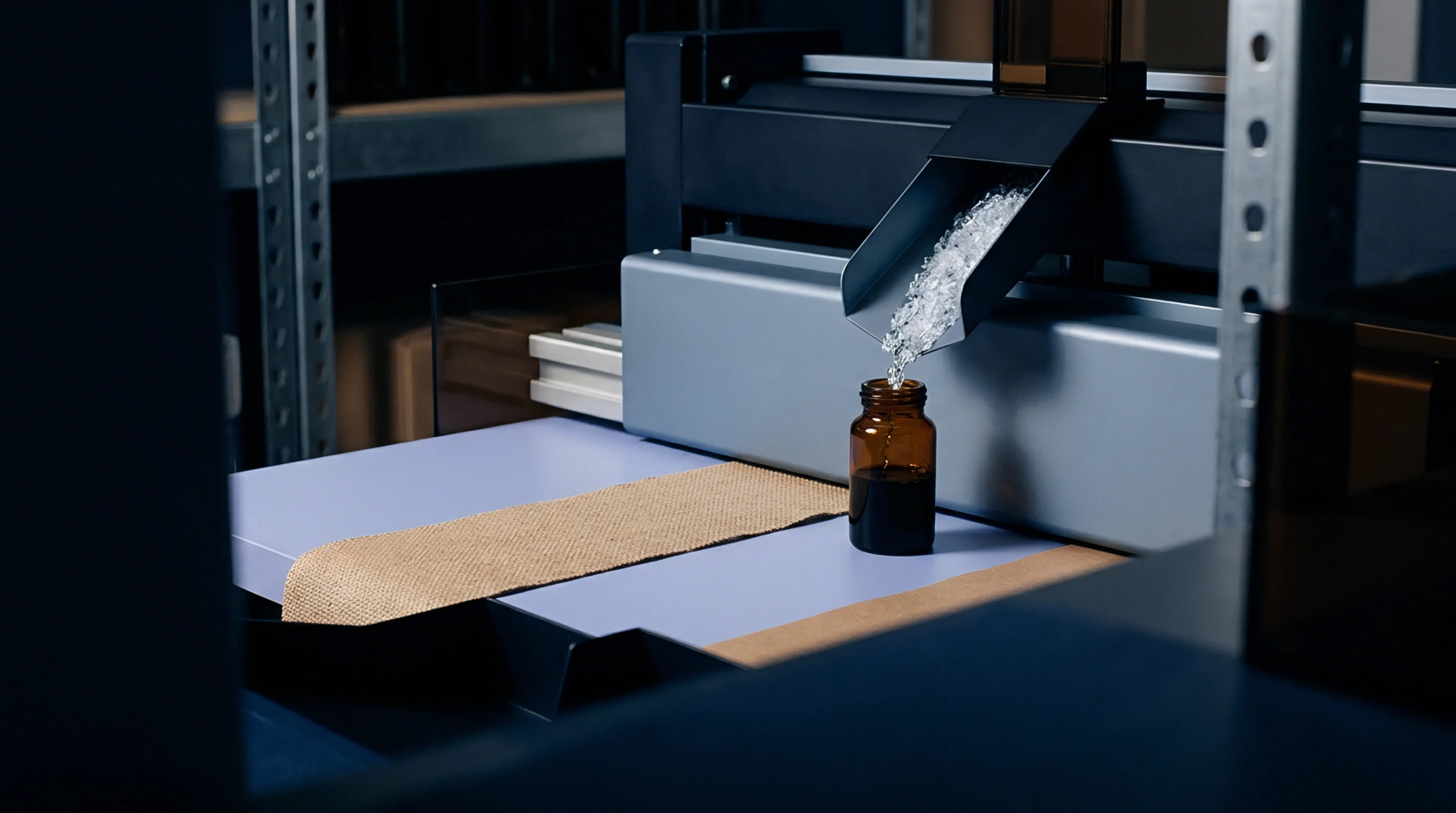
Standardized formaldehyde acceptance testing relies on ISO 14184 water extraction and ISO 17226 chromatography to quantify residual resin risks before shipment.
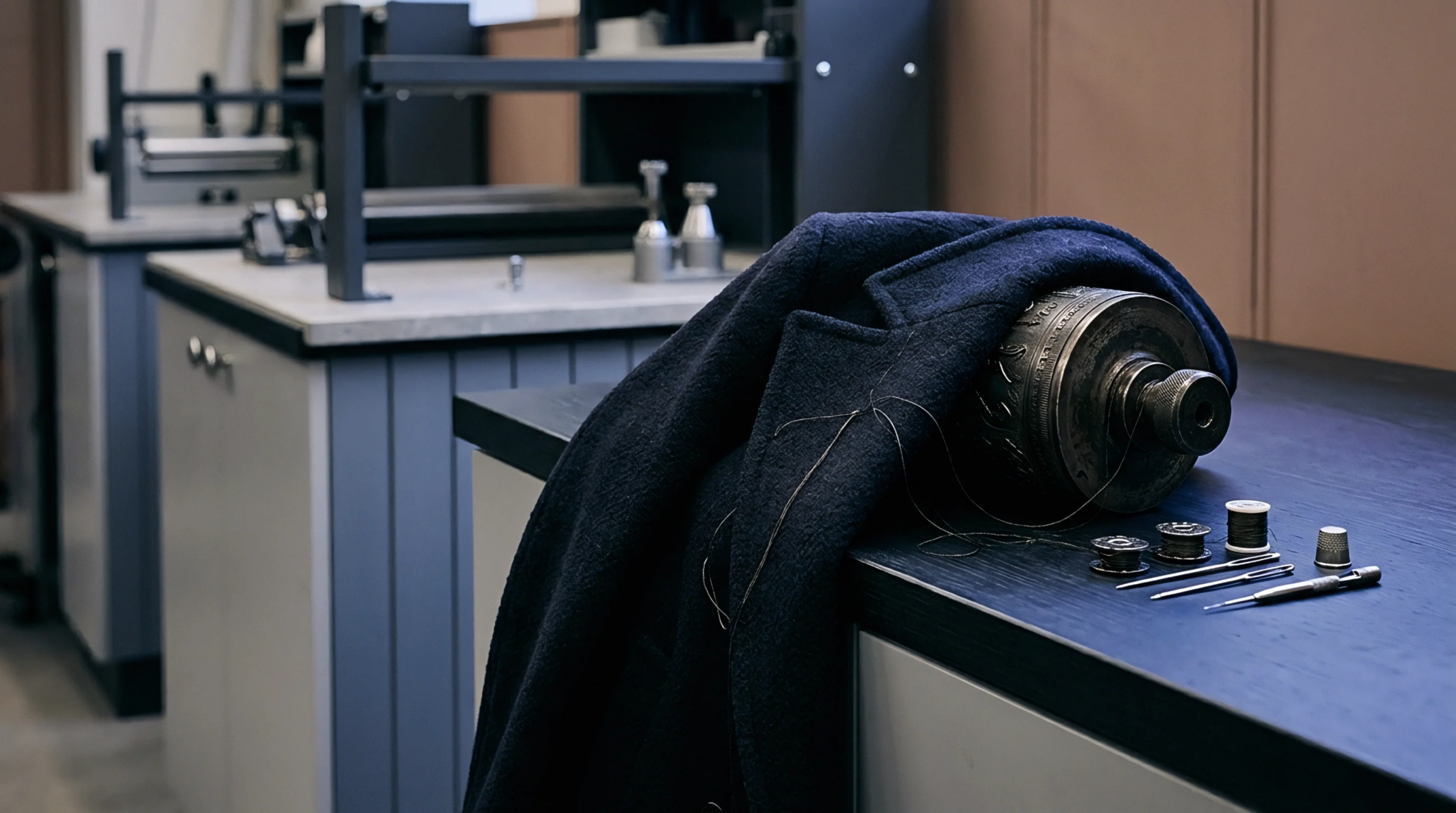
Cross-border restricted substance clearance demands aligning solvent extraction parameters, instrument detection limits, and batch sampling protocols across jurisdictions.
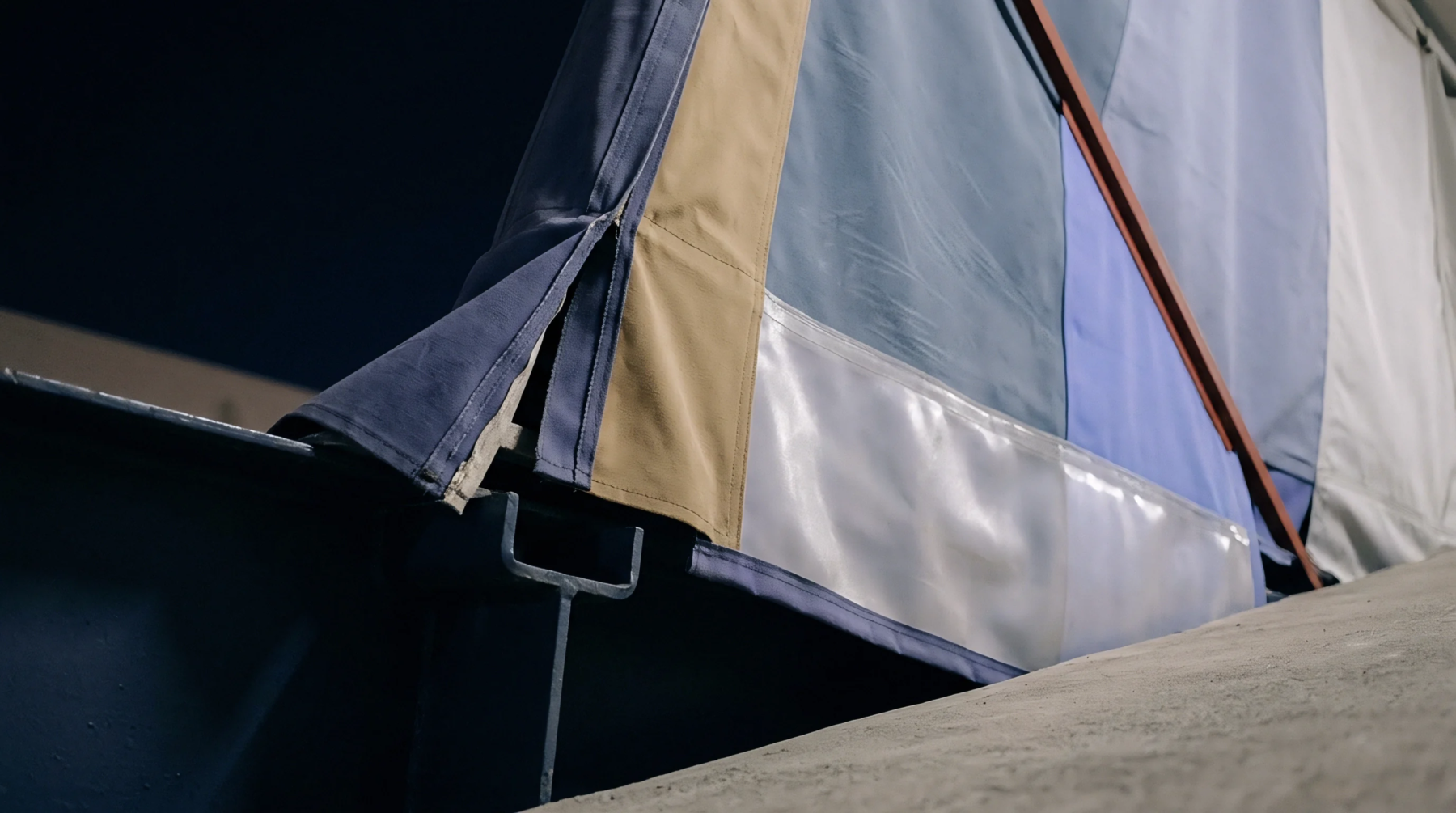
ISO 17025 envelope testing establishes clearance by testing worst-case chemical and physical fabric boundaries to clear full material families across markets.

Harmonizing transpacific chemical retests requires matrix-matched solvent selection, standardized extraction temperatures, and agreed guardbanding decision rules.
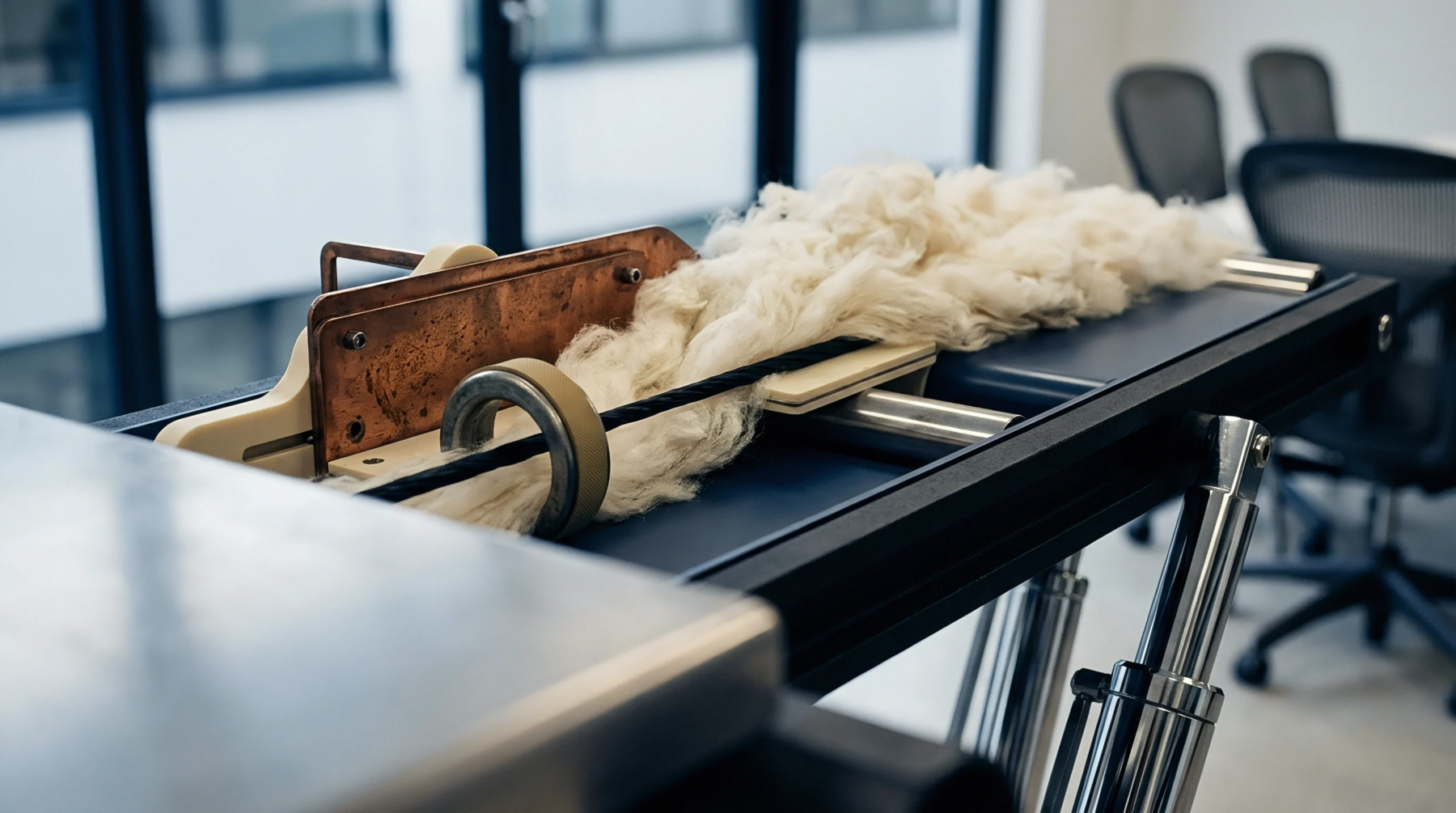
Harmonize multi-market physical fabric testing by implementing worst-case envelope protocols and validating ISO 17025 laboratory accreditation scopes.
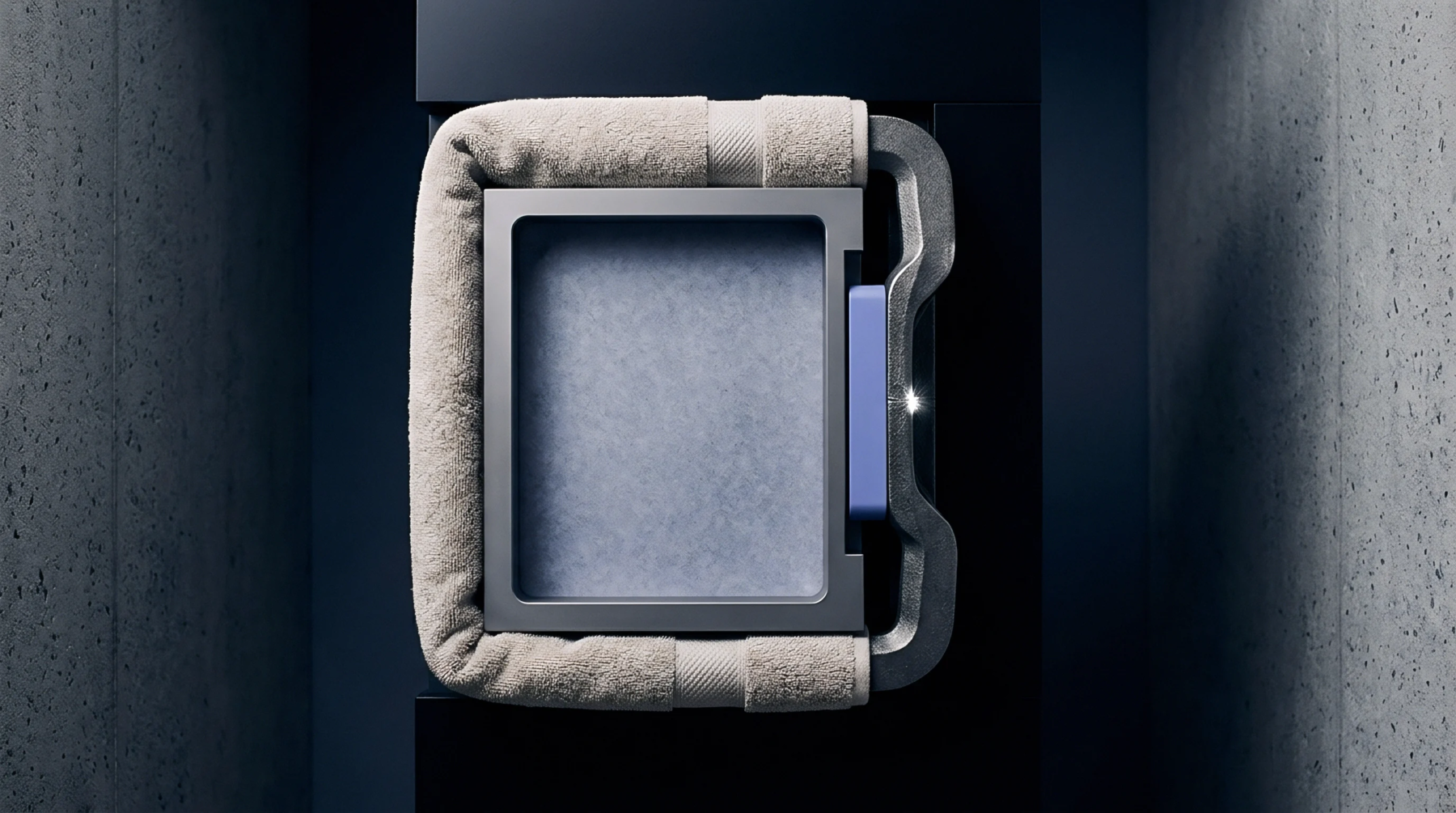
Global textile clearance demands lot-specific ISO 17025 test reports verifying chemical limits and physical integrity standards matching customs entries exactly.
Expertise is a utility, not a secret. sentiention™ publishes its working knowledge as open reference: intelligence layer covering the materials it sources, the markets it enters, and the reference that serves both.