Surface Friction
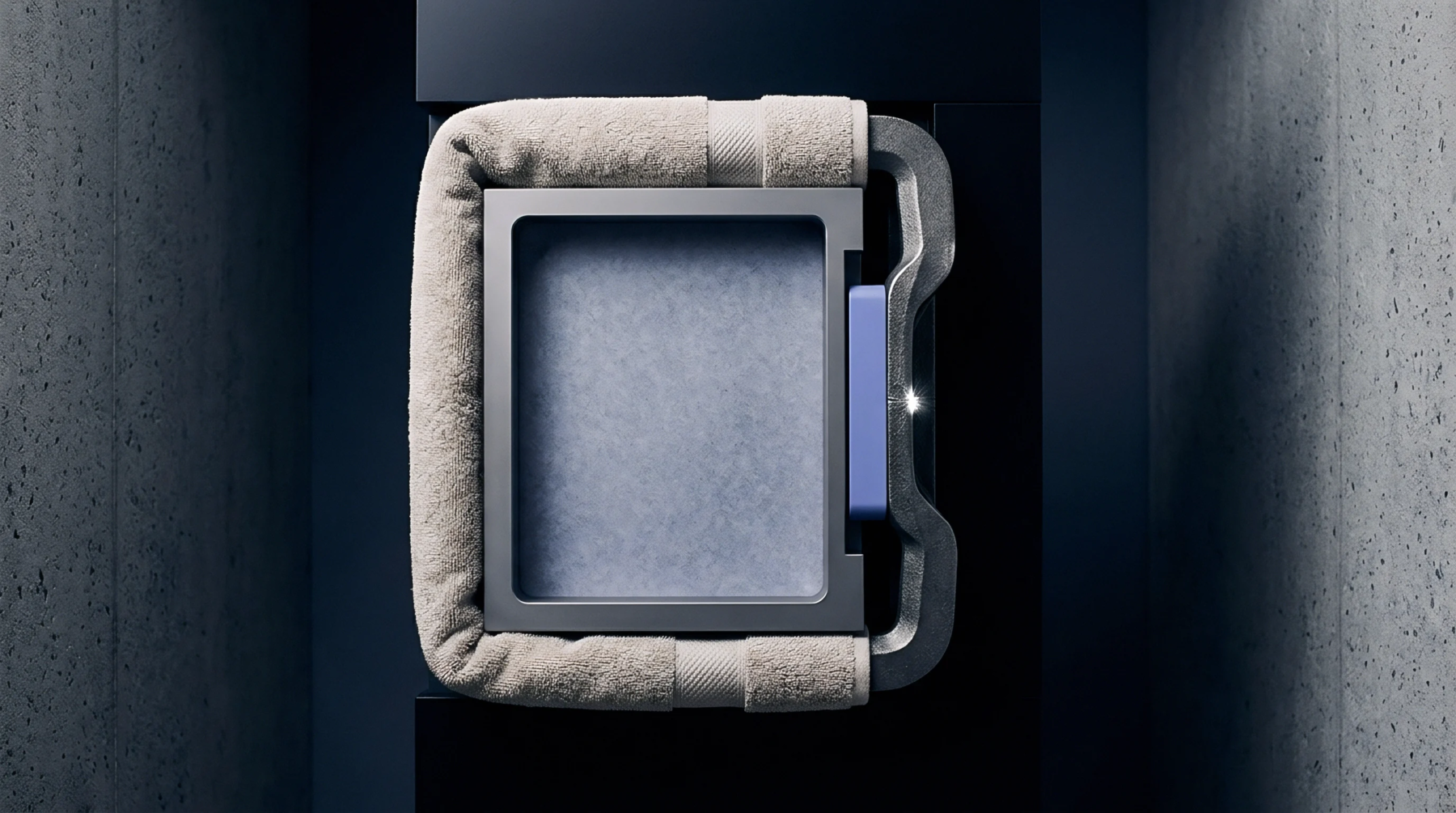
Transfer of colorant from the exterior of a textile substrate to an adjacent surface under controlled mechanical pressure acts as the standard metric for assessing dye stability during dry and wet contact conditions. Crocking fastness quantifies the amount of pigment or dye debris moving from a dyed or printed material when subjected to standard abrasion cycles. Labs utilize a standardized machine equipped with a weighted rubbing finger to simulate the intermittent force applied by human movement against adjacent fabrics.
This test identifies the susceptibility of finished goods to leave marks on lighter surfaces or upholstery. The measurement stops at the evaluation of color transfer onto the specified white test fabric, leaving chemical degradation or structural fiber wear outside the scope of this protocol.
Rubbing Mechanics
Standardized protocols require the placement of a dry or water soaked cotton square over the reciprocating head of a testing device. The operator performs ten full cycles of back and forth movement across a flat segment of the textile under a total load of nine Newtons. After completion, the cotton square undergoes examination against a standardized greyscale to assign a numerical grade for color transfer.
Fabrics with high saturation or significant surface resin accumulation frequently show poor results because the excess dye particles reside loosely on the outer layer of the yarns.
Assessment Criteria
Grading follows the visual comparison of the abraded cotton against the international greyscale for staining, where five indicates no observable transfer and one signifies severe loss of colorant onto the white fabric. Manufacturers set minimum thresholds for these ratings based on the end application of the textile. Garments that experience high friction in localized zones require higher grades to prevent visible defects during extended wear.
Finished goods reaching the assembly floor carry these ratings as proof of chemical fixation quality. A low grade indicates insufficient scouring or improper thermofixation during the dyeing cycle, requiring the correction of chemical bonding parameters before the bulk production lot clears for shipment.
Batch Variance
Variations in moisture content within the lab environment influence the migration of water soluble dyes during wet testing procedures. Atmospheric humidity affects the swelling of fibers, which in turn alters the release rate of unreacted or surface bound molecules during the friction cycles. Technicians ensure the conditioning of specimens in a climate controlled room before starting the physical test to remove these variables from the final numeric output.
A material demonstrating acceptable performance under dry conditions frequently fails the wet test due to the mobility of pigment ions in the presence of water. This specific distinction dictates the suitability of the fabric for use in high humidity zones or as components in multilayered apparel. Every reportable grade constitutes a permanent record of the dyeing process efficiency and the durability of the colorant bond against external mechanical stress.