Greige Storage Conditions Impact on Subsequent Dye Absorption
Uncontrolled greige storage triggers moisture migration, lipid autoxidation, and sizing retrogradation, which impair surface wettability and cause severe dye absorption variances.
Moisture
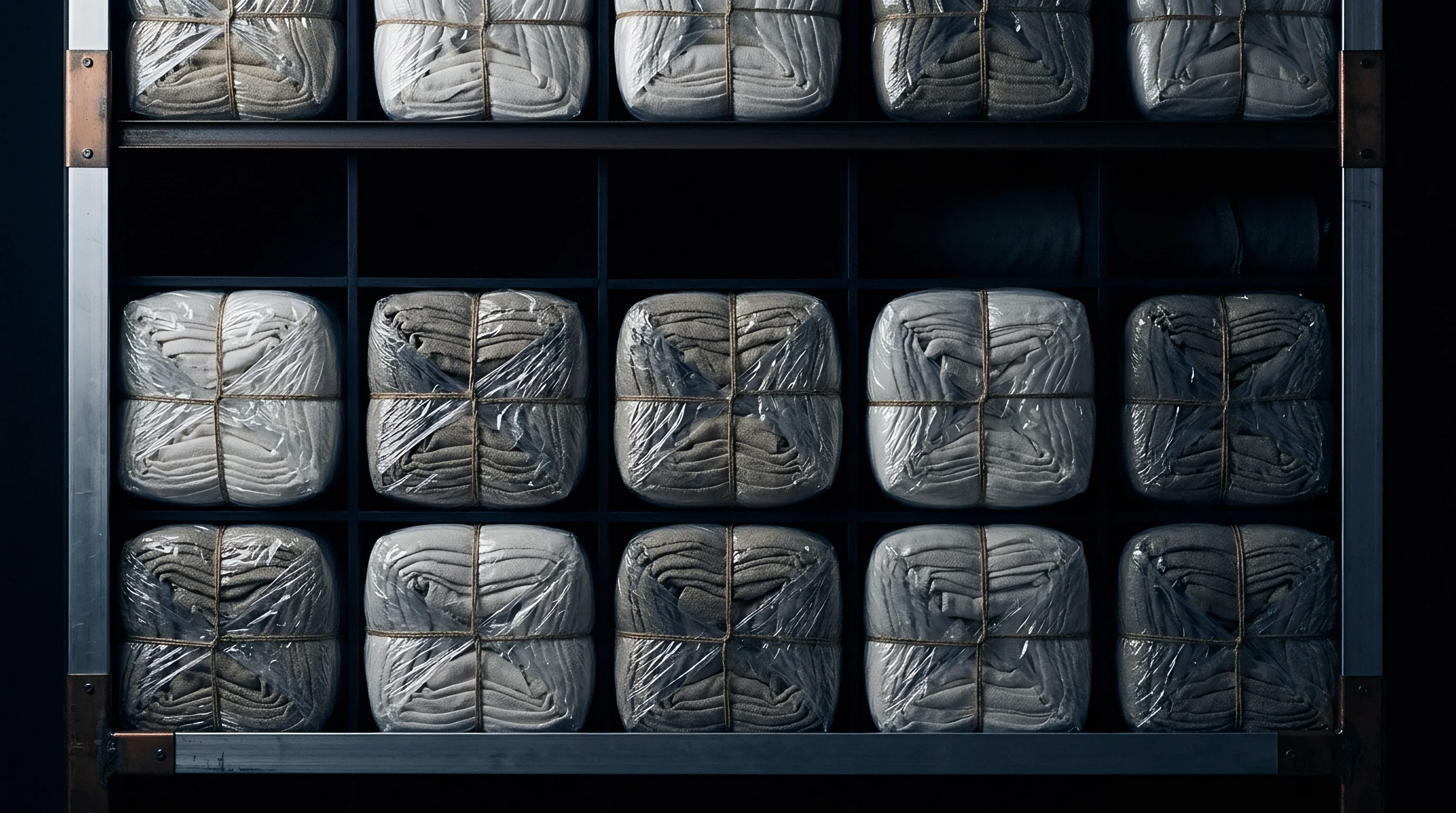
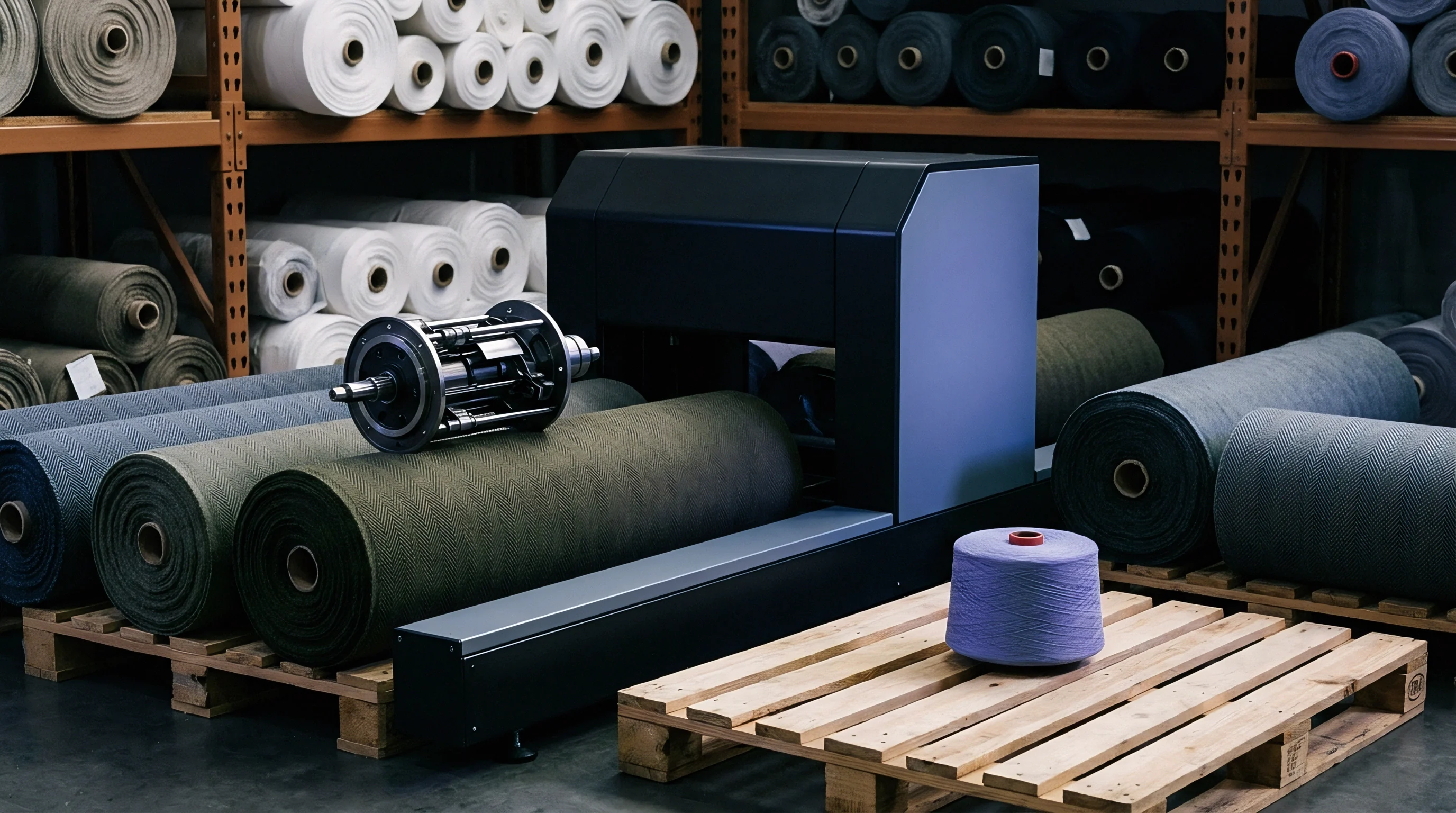
Water vapor exchange between ambient warehouse air and stored fabric rolls determines internal regain equilibrium. Raw, un-scoured greige fabric carries natural waxes, pectins, residual spinning oils, and temporary warp sizes, making it a dynamic hygroscopic structure. When stored in unconditioned facilities, shifts in ambient humidity change moisture content across the roll diameter, altering internal yarn tension.
Pallet-stored fabric absorbs moisture from the outer wrap inward, creating a steep hydration gradient between the exterior shell and the core. At relative humidity levels above 65 percent, hydrophilic sizing polymers ~ native starch, carboxymethyl cellulose, and polyvinyl alcohol ~ absorb atmospheric water. Water activity within inner roll layers eventually reaches levels that alter polymer structure, changing how accessible the fibre matrix is to aqueous dyebaths in downstream preparation and dyeing.
Atmospheric Equilibrium and Regain Gradients
Humidity swings in a facility drive ongoing sorption and desorption cycles inside the packed yarn core. Hydrophilic natural fibres such as cotton and viscose rayon seek an equilibrium moisture content matching ambient air. Cotton greige carries a standard commercial regain of 8.5 percent, but above 80 percent relative humidity, local regain rises past 12.5 percent.
Viscose greige regain climbs from its standard 13.0 percent to over 22.0 percent under humid conditions.
Dense fabric rolls wrapped in polyethylene film retain trapped moisture through diurnal temperature swings. Warm daytime heat evaporates water from outer layers, driving vapor toward the cooler core where it condenses. These micro-droplets settle onto structural yarns, creating localized high-moisture domains that cause shade banding.
Synthetic greige like polyester and nylon absorbs far less ambient water, but the warp sizing binders on these yarns remain sensitive to trapped interfacial moisture.
The table below details equilibrium moisture regain values for principal textile fibres across relative humidity thresholds at 20 degrees Celsius, highlighting transitions where sizing alteration begins.
| Fibre Material | Standard Regain (%) at 65% RH | Equilibrium Regain (%) at 85% RH | Critical Water Activity (aw) Threshold | Structural Sizing Vulnerability |
|---|---|---|---|---|
| Combed Cotton Greige | 8.5 | 13.2 | 0.68 | Native starch gelatinization and fungal hydrolysis |
| Viscose Rayon Greige | 13.0 | 21.5 | 0.65 | Carboxymethyl cellulose migration and film softening |
| Polyester Staple Greige | 0.4 | 0.8 | 0.80 | Acrylic binder plasticization and re-tackification |
| Polyamide 6,6 Greige | 4.5 | 8.1 | 0.72 | Polyvinyl alcohol hydro-crystallization |
| Flax/Linen Greige | 12.0 | 19.0 | 0.62 | Pectic substance migration and localized compaction |
| Data determined under lab atmospheric conditioning standards ISO 139 at 20 degrees Celsius. Critical water activity indicates the threshold where biological degradation and binder film re-crystallization initiate. | ||||
Starch Plasticization and Sizing Migration
Warp-sizing polymer films absorb atmospheric moisture during prolonged storage. Native corn and tapioca starch films plasticize once local moisture exceeds their glass transition point. The starch matrix relaxes, allowing linear amylose chains to realign into dense, crystalline clusters via hydrogen bonding ~ a retrogradation process that permanently reduces sizing solubility.
Water-soluble sizing agents like polyvinyl alcohol (PVA) also retrograde under high humidity and elevated temperatures. Hydroethylated and partially hydrolyzed PVA grades undergo post-crystallization, rendering the film insoluble in warm desizing baths. Over time, mobile water carrying dissolved additives migrates toward roll crowns and exposed selvages via capillary action.
As this moisture evaporates during dry spells, heavy concentrations of size, wax, and surfactant accumulate along the roll edges.
This capillary migration creates an uneven sizing barrier along the warp direction. When greige enters continuous desizing and scouring ranges, dense size deposits resist enzyme attack and hot water extraction. Unscoured or partially desized areas leave fewer accessible pores for dye molecules.
Processing fabric with localized size concentrations leads to severe shade listing, center-to-edge color variation, and blotchy surface appearance in jet dyeing.
Storage facilities with uncontrolled moisture profiles create defects across raw fabric inventory, causing specific processing failures on the dyehouse floor:
- Starch Retrogradation irreversible crystallization of amylose polymers reducing water solubility during enzyme desizing.
- Capillary Size Migration accumulation of polyvinyl alcohol and wax binders along exposed roll edges, creating severe edge-to-center absorption differentials.
- Hydro-Crystallization densification of synthetic warp size films under cyclic humidity, causing localized dye liquor repellency.
- Yarn Regain Variations uneven moisture distribution within packed rolls, yielding local tension relaxation and irregular dye uptake.
Mills storing greige stock in unconditioned buildings face batch-to-batch yield variance. Evaluating incoming greige lots requires testing warp regain at three roll depths before committing dyehouse capacity. Variations exceeding 1.5 percent regain across a single roll signal internal moisture migration.
Skipping incoming moisture checks leads directly to un-level dye absorption, costly strip-and-redye cycles, and missed delivery deadlines.
Oxidation
Chemical deterioration of spinning lubricants and natural lipids occurs when greige rolls sit exposed to ambient oxygen during extended warehouse storage. Raw cotton contains 0.6 to 1.2 percent natural waxes composed of high molecular weight fatty acids, free fatty alcohols, and esters. Spinning mills add secondary lubricants ~ such as tallow, mineral oils, and unsaturated synthetic esters ~ to aid high-speed carding and ring spinning.
Thermal swings inside storage areas drive further moisture movement.
Unsaturated carbon-carbon double bonds in these lipid compounds react continuously with atmospheric oxygen. Warm temperatures in storage yards accelerate free radical autoxidation, rapidly forming hydroperoxides along fatty acid chains that decompose into volatile aldehydes, ketones, and short-chain organic acids. As residual lubricants undergo oxidative rancidity, fluid, emulsifiable oils break down into viscous, hydrophobic varnishes that anchor firmly to fibre surfaces.
Autoxidation of Residual Spinning Lubricants
Unsaturated fatty acid esters in tallow-based sizing softeners react readily with atmospheric oxygen. Free radicals strip hydrogen atoms from reactive methylene groups adjacent to double bonds, starting a radical chain reaction. The resulting peroxides cross-link with neighboring fatty acid chains to build high molecular weight polymer networks.
These cross-linked lipid networks resist aqueous alkaline scouring, failing to emulsify even at standard operating temperatures of 95 degrees Celsius.
Cotton greige stored above 75 percent relative humidity for 120 days exhibits a 28 percent drop in reactive dye fixation under standard cold pad-batch processing.
Oxidized oil films coat individual cotton micro-fibrils, creating a hydrophobic barrier where free fatty acids repel water-soluble dyes and block dyebath liquor. Water drop absorbency times measured by AATCC 79 standards increase from under 5 seconds on fresh greige to over 180 seconds on material stored for 180 days in tropical warehouse conditions. Dyebath surfactants cannot overcome this cross-linked barrier during the short dwell times typical of continuous pad dyeing lines.
Oxycellulose Formation and Hydrophobic Barrier Creation
Atmospheric oxygen combined with heat converts hydroxyl groups on the cellulose polymer chain into carbonyl and carboxyl functional groups. Residual metal ions from harvesting or water filtration, like trace iron and copper, act as catalysts. Oxycellulose forms primarily at the C2, C3, and C6 carbon positions of the anhydroglucose unit; carbonyl groups alter local reactivity, while carboxyl groups introduce negative electrostatic charges directly onto the fibre backbone.
This carboxyl formation increases the anionic charge density of cotton in aqueous baths, repelling anionic dyestuffs like reactive, direct, and acid dyes. Dyestuff anions (SO3-) are repelled by the negative surface potential, hindering exhaustion and ionic binding. Regions with elevated carboxyl content finish significantly lighter than un-oxidized zones, causing severe color streaks and cloudy dyeings.
How Does Lipid Peroxidation Alter Reactive Dye Sites?
Peroxide intermediates generated during oil breakdown react directly with the primary hydroxyl groups of cotton cellulose. Covalently bonded peroxides block the nucleophilic cellulosate anions (Cell-O-) needed to react with dye functional groups. Under alkaline conditions, vinylsulfone and monochlorotriazine reactive dyes rely on nucleophilic substitution or addition at these hydroxyl sites, so this oxidation alters available cellulose binding sites.
When reactive dye sites are blocked by oxidized lipid residues or converted into non-reactive carboxyl groups, covalent dye-fibre bond density drops. Dye yield decreases in direct proportion to peroxide concentration on the greige yarn. Color strength (K/S) values measured by spectrophotometry fall dramatically in zones affected by lipid autoxidation, while overall fixation efficiency drops ~ leaving unbound dye molecules to hydrolyze in the liquor, which lengthens wash-off times and degrades wet fastness.
Processing aged greige frequently brings disputes over raw material variance. Shade variations are often attributed to original yarn lot blending rather than warehouse exposure. Yet chemical analysis of scoured greige extracts reveals elevated peroxide values and free fatty acid numbers, confirming that long-term storage oxidizes surface lubricants and damages the underlying fibre structure.
Degradation
Biological activity and chemical breakdown of native warp sizing compromise raw woven fabric uniformity during extended storage. Starch-based sizing derived from corn, potato, or tapioca provides an abundant carbon source for microflora. Airborne fungal spores ~ including Aspergillus, Penicillium, and Rhizopus species ~ colonize greige rolls kept in unconditioned environments where relative humidity stays above 70 percent, while ambient heat accelerates chemical breakdown.
Microbial proliferation occurs rapidly in internal fabric layers where moisture is trapped. Fungi secrete extracellular amylase and lipase enzymes that cleave starch polymer chains into short-chain oligosaccharides and simple sugars, while bacteria consume primary starch binders. Hydrolysis of warp size reduces its mass and disrupts surface tension, leaving irregular bio-films and acidic metabolic byproducts distributed unevenly throughout the yarn package.
Enzymatic Sizing Breakdown and Microflora Proliferation
Fungal enzymes target alpha-1,4 and alpha-1,6 glucosidic bonds in starch, generating dextrins and glucose. These smaller fragments absorb atmospheric moisture faster than intact starch, accelerating local regain. Acidic metabolic secretions from bacterial colonies can drop local fabric pH from a neutral 6.8 down to 4.2, altering the dissociation state of chemical auxiliaries applied during subsequent wet preparation.
Bacterial lipase activity breaks down lipid softeners and tallow additives into free fatty acids. This accumulation of organic acids produces persistent rancid odors and creates insoluble calcium and magnesium soaps when exposed to hard water during wet processing. Microflora colonies also generate metabolic pigments that stain raw fibres.
These bio-stains resist standard hydrogen peroxide bleaching, leaving permanent dark specks and uneven whiteness that spoil pale and medium dye shades.
Standard purchasing terms stipulate that greige fabric exceeding 0.5 percent free fatty acid content by weight must undergo solvent extraction prior to dyebath immersion at the mill’s expense.
Spatial Dye Depth Variance across Roll Core and Exterior
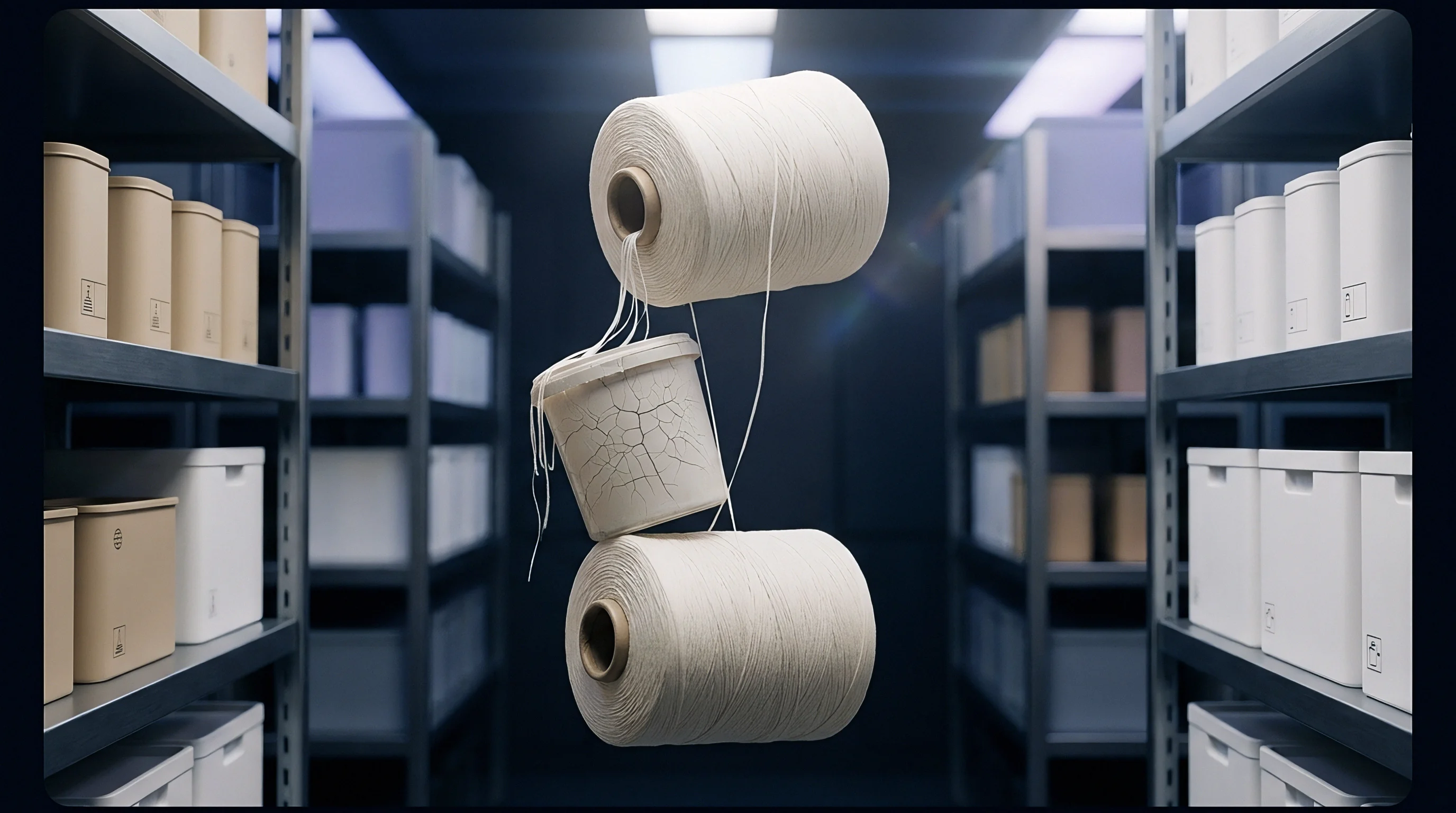
Outer fabric layers on wrapped rolls respond to storage environments quite differently from interior wraps. The outermost layers face maximum exposure to ambient oxygen, ozone, light, and humidity shifts. Interior layers stay insulated from thermal fluctuations, but suffer from trapped moisture and prolonged microflora growth, especially in unheated warehouses that promote condensation cycles.
When an aged greige roll unwinds onto a continuous dyeing range, fabric properties cycle periodically between outer circumference and inner core. Every 1.5 to 3.0 metres ~ corresponding to one full roll rotation ~ the degree of size degradation, surface wettability, and fibre oxidation shifts. This produces pitch-length shade repetition, or roll-patterning, which dyebath migratory leveling agents cannot correct.
Worked Case of Dye Absorption Skew in Jet Dyeing
Consider a bulk dye batch of 2,000 metres of 100 percent cotton twill fabric (240 g/m², 3/1 construction) stored for 180 days under uncontrolled warehouse conditions (temperature range 18 to 38 degrees Celsius, relative humidity 55 to 90 percent). The greige batch is divided into two 1,000-metre jet dyeing ropes and processed under identical shade recipes targeting a 2.0 percent shade depth of Reactive Blue 19.
Rope A contains fabric drawn from rolls stored in the dry upper racking of the warehouse (average regain 7.2 percent). Rope B contains fabric drawn from bottom-pallet rolls resting near a damp concrete floor (average regain 11.8 percent, exhibiting localized microflora degradation and lipid autoxidation). Both ropes undergo standard preparation comprising enzymatic desizing (1.5 g/L alpha-amylase, 60 degrees Celsius, pH 6.5, 30 minutes) and alkaline scouring (3.0 g/L NaOH, 2.0 g/L chelating surfactant, 98 degrees Celsius, 45 minutes) prior to dye injection.
Spectrophotometric evaluation of finished goods using ISO 105-J03 color difference criteria (D65 illuminant, 10-degree observer) reveals severe shade divergence between the two ropes and across individual roll profiles:
| Roll Location & Storage Zone | Desizing Efficiency (%) | Surface Wettability (AATCC 79, sec) | Spectrophotometric K/S Value (at 590 nm) | Color Difference (Δ Ecmc) vs Target |
|---|---|---|---|---|
| Upper Racking Core (Control) | 96.5 | 2.1 | 14.80 | 0.00 (Reference) |
| Upper Racking Outer Wrap | 94.2 | 4.5 | 14.35 | 0.62 (Pass) |
| Floor Pallet Core (Damp/Degraded) | 68.1 | 42.0 | 10.25 | 3.45 (Severe Fail) |
| Floor Pallet Outer Wrap (Oxidized) | 78.4 | 28.5 | 11.90 | 2.10 (Fail) |
| Floor Pallet Selvage Edge | 52.0 | 115.0 | 8.60 | 4.82 (Severe Fail) |
Spectrophotometric color strength (K/S) drops from 14.80 on control fabric down to 10.25 on floor pallet core fabric, representing a 30.7 percent loss in color yield under identical dye machine conditions. The color difference (Δ Ecmc) reaches 3.45 units, far exceeding standard commercial acceptance limits (Δ Ecmc le 0.80). When inspecting long-stored cotton greige, light box assessments under D65 and TL84 illuminants frequently reveal micro-striping.
Hydrophobic fatty acid residues and cross-linked starch remnants impede dyebath migration, preventing vinylsulfone dye molecules from penetrating secondary cell walls in the cotton fibres. The dyebath liquor exhausts prematurely in solution, leaving un-reacted dye to wash away during post-dyeing rinses while hydrophobic films block liquor access.
This shift in dye yield leaves an unresolved operational question: how dyehouse auditors can non-destructively inspect stored greige packages to isolate degraded inventory before loading dyebaths.

Kinetics
The rate and extent of dye liquor diffusion into textile fibres depend heavily on the physical state of the fabric surface prior to wet processing. Dye absorption follows multi-step kinetic pathways: convective mass transport in the liquor, boundary-layer surface adsorption, and intra-fibre diffusion into accessible amorphous polymer zones. Chemical contamination or structural alteration during storage disrupts each step.
Surface wetting acts as the rate-limiting gate for aqueous processing. High contact angles caused by oxidized oils or retrograded warp sizes slow the displacement of trapped air inside yarn interstices. When greige fabric enters continuous pad dye baths or high-speed jet machines, inadequate wetting reduces dyebath pickup, causing liquor tailing and uneven shade along the run.
Desizing Efficiency and Solubility Shifts
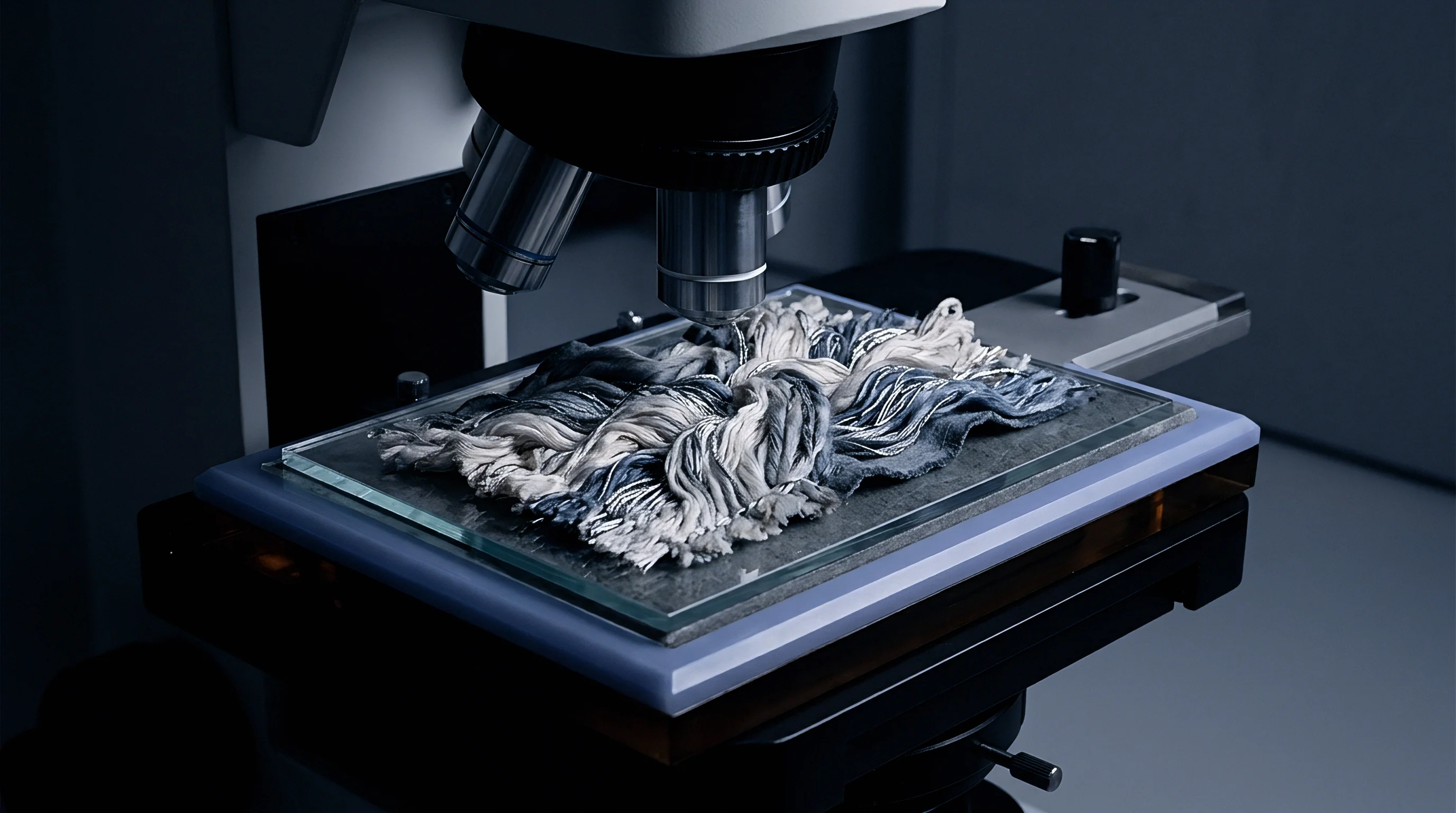
Removing protective warp films becomes harder as stored greige ages. Native starches degraded by microbial enzymes break down into non-uniform fragments, while un-degraded starch fractions realign into insoluble crystalline structures. Polyvinyl alcohol films undergo thermal cross-linking when stored at temperatures above 40 degrees Celsius in closed container yards, raising the water temperature needed to dissolve aged PVA films from 70 degrees Celsius to over 90 degrees Celsius.
Incomplete size removal leaves a physical barrier restricting dye diffusion. In jet dyeing machines, residual size swells upon contact with hot liquor, forming a viscous gel layer on the fabric surface that retards flow into the core of dense structural yarns. Dye molecules concentrate within this swollen surface gel rather than binding to the internal fibre matrix.
When washed, the gel dissolves and carries unfixed dye away, leaving the fabric light in shade depth.
Dyebath Penetration Rates and Diffusion Coefficients
Mass transport of dye molecules from the aqueous phase into the polymer matrix follows Fickian diffusion laws under optimized preparation conditions. The apparent diffusion coefficient (Da) describes the speed at which dye molecules move through internal fibre pores. Oxidized greige exhibiting micro-structural collapse or dense surface films shows a significant drop in this coefficient.
Lower diffusion rates force dyehouses to extend hold times at peak temperatures to achieve level penetration. Standard jet dyeing cycles ~ running at 130 degrees Celsius for polyester or 80 degrees Celsius for cotton ~ lose efficiency when processing aged goods. If hold times are not adjusted, dye molecules collect on the outer fibre skin, producing ring-dyeing profiles.
Ring-dyed yarns exhibit poor rubbing fastness (ISO 105-X12 crocking fastness drops by 1.5 to 2.0 grades) and expose pale inner cores when subjected to mechanical abrasion during garment wear.
Fabric rolls stored directly on concrete warehouse floors always absorb ambient dampness faster at the core edges than rolls elevated on steel racking.
Evaluating the kinetic readiness of aged greige requires systematic bench preparation testing prior to scheduling bulk dye lots:
- Condition test specimens in accordance with ISO 139 at 20 degrees Celsius and 65 percent relative humidity for 24 hours prior to absorbency evaluation.
- Perform AATCC 79 water drop absorbency testing across five distinct locations along the roll width, recording time to complete specular reflectance loss.
- Extract a 10-gram sample in boiling distilled water for 30 minutes, measuring the electrical conductivity and pH of the extract to detect free acid accumulation.
- Determine residual size content using TEGEWA violet scale iodine staining, rating the visual color reaction from 1 (high size content) to 9 (complete desize).
- Quantify residual grease and wax content via Soxhlet extraction using petroleum ether solvent according to ISO 3074 methods, establishing baseline lipid mass.
Greige inventory left in ambient storage past its optimal window exhibits altered chemical diffusion properties, requiring modified dyebath liquor kinetics.
Remediation
Restoring non-uniform or aged greige to a dye-receptive condition requires targeted chemical and thermal interventions before dyeing. Standard preparation routes designed for fresh greige fail to remove cross-linked lipid hydroperoxides, retrograded starch deposits, and fungal bio-stains. Dyehouses must adjust scouring formulations, increase chemical dosing, and extend machine dwell times, adding direct process cost to every finished metre.
Alkaline scouring formulations require higher sodium hydroxide concentrations paired with specialized solvent-based emulsifiers. Caustic soda saponifies free fatty acids generated by autoxidation, converting insoluble lipids into water-soluble sodium soaps. Solvent scouring additives penetrate cross-linked wax matrices, swelling oxidized hydroperoxides so surfactants can sweep contaminants into the wash bath.
Alkaline Scouring and Solvent Extraction Upgrades
Saponifying free fatty acids and extracting oxidized lipid residues demand elevated caustic soda concentrations during preparation. While standard scouring of fresh cotton greige uses 1.5 to 2.0 g/L solid NaOH, remediating aged, oxidized greige calls for 4.0 to 6.0 g/L NaOH combined with 2.0 g/L of a non-ionic alkoxylated fatty alcohol surfactant offering strong solvent extraction capabilities.
High temperature alkaline scouring restores surface wettability but cannot rebuild cellulose chains damaged by prolonged fungal enzyme action.
Bleaching schedules must also be intensified to eliminate persistent fungal bio-stains and neutralize oxycellulose carboxyl groups. Hydrogen peroxide (H2O2, 50% concentration) dosing escalates from 3.0 g/L to over 7.0 g/L under alkaline conditions (pH 10.8 to 11.2) at 98 degrees Celsius for 60 minutes. Tetrasodium pyrophosphate or organic phosphonate chelating agents are added at 2.5 g/L to sequester liberated iron and copper ions, preventing catalytic fibre degradation and pinhole formation during high-temperature bleaching.
Commercial Cost Mechanics and Yield Adjustments
Unplanned chemical treatment cycles inflate the cost per finished metre of dyed fabric. Intensive remediation increases chemical consumption, extends processing times, and drives up water and steam usage. Mills forced to re-scour and re-bleach aged greige suffer capacity losses across continuous ranges and jet dye frames.
The table below breaks down the additive preparation costs, processing time penalties, and yield adjustments required to remediate aged cotton greige fabric lots across varied storage degradation states.
| Storage Condition & Duration | Required Remediation Route | Chemical Additions (per kg fabric) | Process Time Penalty (%) | Direct Remediation Cost (USD/m) |
|---|---|---|---|---|
| Controlled Warehouse (60 Days) | Standard Preparation (Enzyme Desize + Light Scour) | Base Alpha-Amylase (1.0g), NaOH (1.5g), Surfactant (1.0g) | 0.0 (Baseline) | 0.04 |
| Uncontrolled Storage (90 Days, Moderate Humidity) | Enhanced Scour (High Caustic + Solvent Surfactant) | NaOH (4.0g), Solvent Emulsifier (2.5g), Chelator (1.5g) | + 25.0 | 0.11 |
| Uncontrolled Storage (180 Days, High Humidity) | Double Scour + Elevated Peroxide Bleach | NaOH (6.0g), H2O2 50% (7.0g), Stabilizer (2.5g), Surfactant (3.0g) | + 60.0 | 0.24 |
| Floor Contact Storage (180+ Days, Fungal Mold Present) | Solvent Extraction + Caustic Boil-Off + Heavy Bleach | Solvent Scour (4.0g), NaOH (8.0g), H2O2 (10.0g), Peracetic Acid (2.0g) | + 110.0 | 0.42 |
Commercial contracts must protect buyers from incurring remediation overhead caused by supplier storage failures. Incorporating explicit receiving quality thresholds forces weaving mills and converters to maintain controlled storage atmospheres. Setting storage limits at 60 percent relative humidity protects dye fixation yield.
When aged greige displays severe absorbency variation or microflora damage upon incoming inspection, buyers rely on contract specifications to allocate financial responsibility. Master supply agreements should include the following quality assurance terms:
- Max Moisture Regain Variance incoming greige fabric rolls shall not exhibit internal moisture regain variation exceeding 1.2 percent between outer wrap and internal core when tested under ISO 139 protocols.
- Absorbency Requirement greige inventory stored past 60 days from weave date must demonstrate an AATCC 79 water drop absorbency time of less than 15 seconds prior to dispatch to wet processing facilities.
- Free Fatty Acid Limit residual lipid extracts obtained via ISO 3074 ether extraction shall contain no more than 0.35 percent free fatty acids by weight, preventing hydrophobic varnish formation.
- Remediation Surcharge Allocation any secondary scouring, solvent extraction, or elevated bleaching processes required to achieve level dyeing on fabric stored over 90 days shall be billed directly to the storage facility operator.
Standard purchasing specifications define that greige fabric failing incoming absorbency or regain consistency benchmarks shall be returned to the supplier or re-processed at the converter’s exclusive expense under mandatory debit note issuance.