
Standard Testing Protocols for Ocean Container Cargo Condensation
Container condensation prevention requires verifying pallet timber moisture below sixteen percent and calculating desiccant unit dosage under DIN 55473.
Container condensation prevention requires verifying pallet timber moisture below sixteen percent and calculating desiccant unit dosage under DIN 55473.

Desorption hysteresis distorts landed yarn mass; resolving weighbridge discrepancies relies on oven-dry testing per ISO 6741 to establish commercial weight.

Transoceanic yarn weight shifts stem from differential fiber regain kinetics, requiring vapor barrier foil packaging and ISO 6741 dry mass contract rules.

Ocean container moisture gain alters gross arrival weight without adding fibre substance; ISO 6741 commercial mass reconciliation converts wet transit weight to legal billing mass using oven-dry polymer weight plus official regain rates.

Container transit alters fibre moisture equilibrium, demanding standard laboratory conditioning before instrument strength testing to eliminate commercial claims.

Size calcium chloride desiccants to absorb static container vapor, door seal infiltration, and cargo desorption mass to keep relative humidity below 65%.

Invoicing recycled cellulosic yarn on standard regain values creates mass disputes when transport humidity traps desorption water inside amorphous fiber structures.
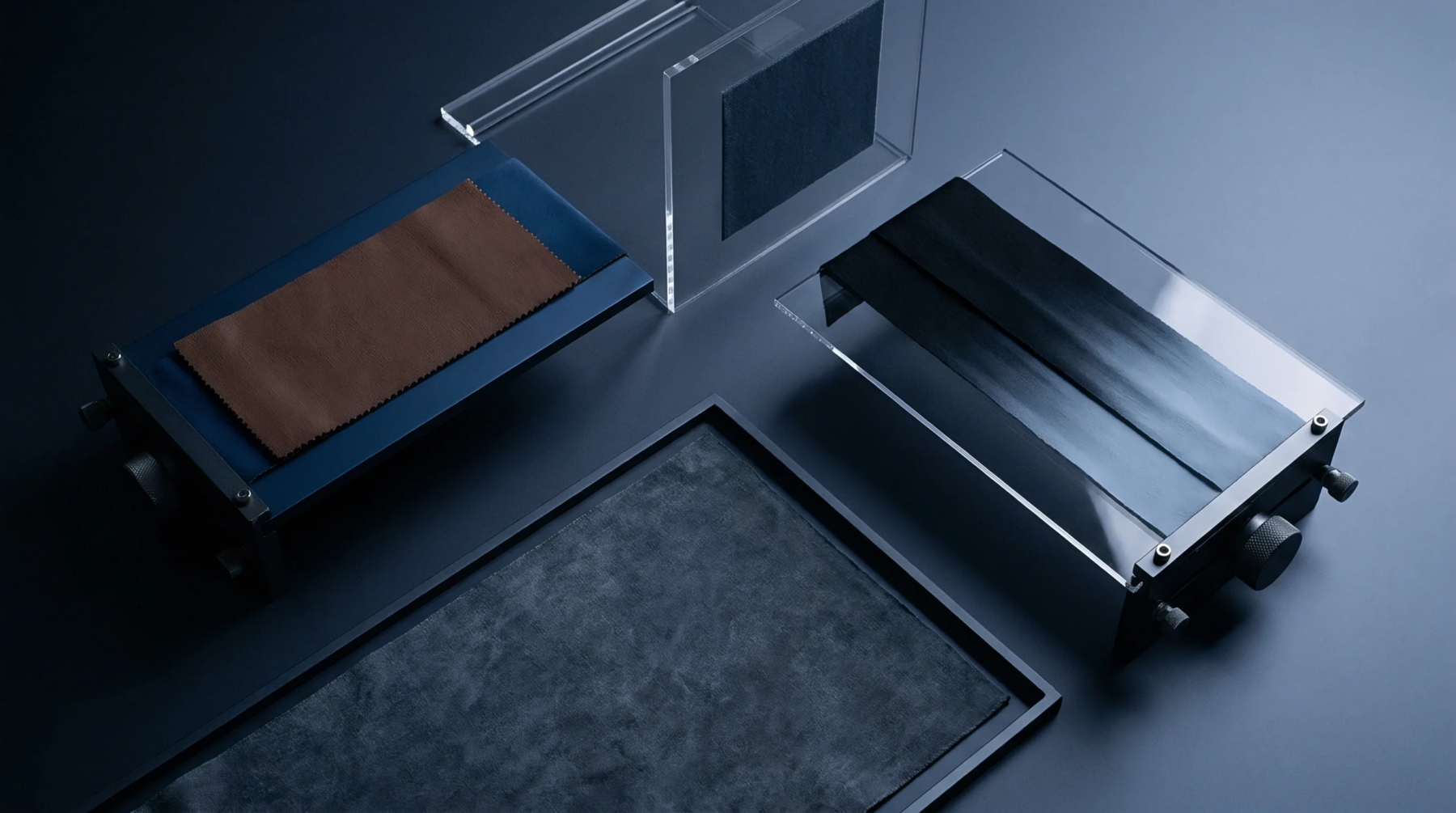
Standard atmosphere conditioning eliminates moisture hysteresis variance, ensuring accurate dry-mass calculation and precise tariff line entry for binary viscose blends.
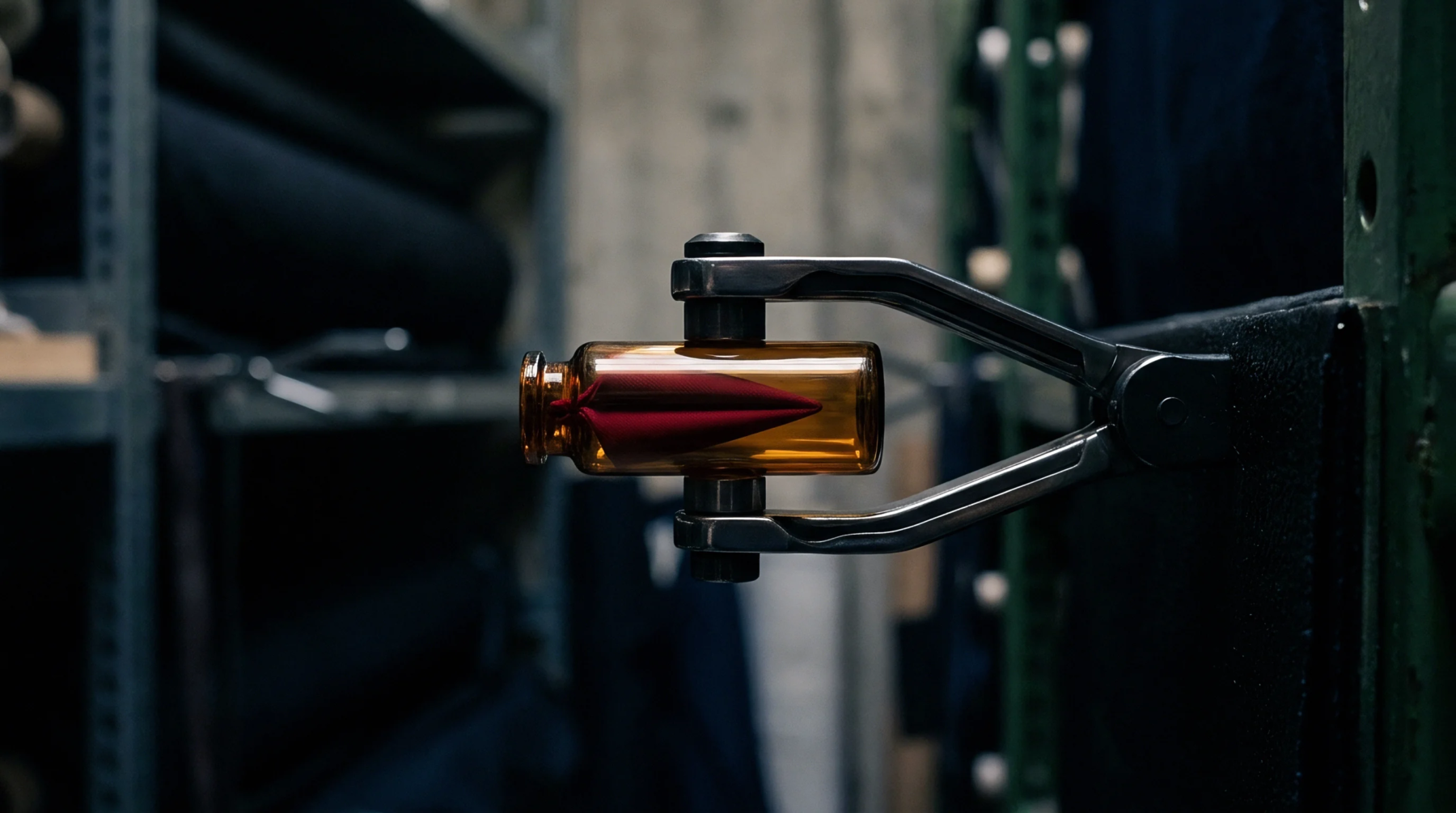
Dynamic marine container heat cycles drive cyclic moisture sorption and permanent hygrothermal creep in wound textiles, requiring foil barriers and sized desiccants.
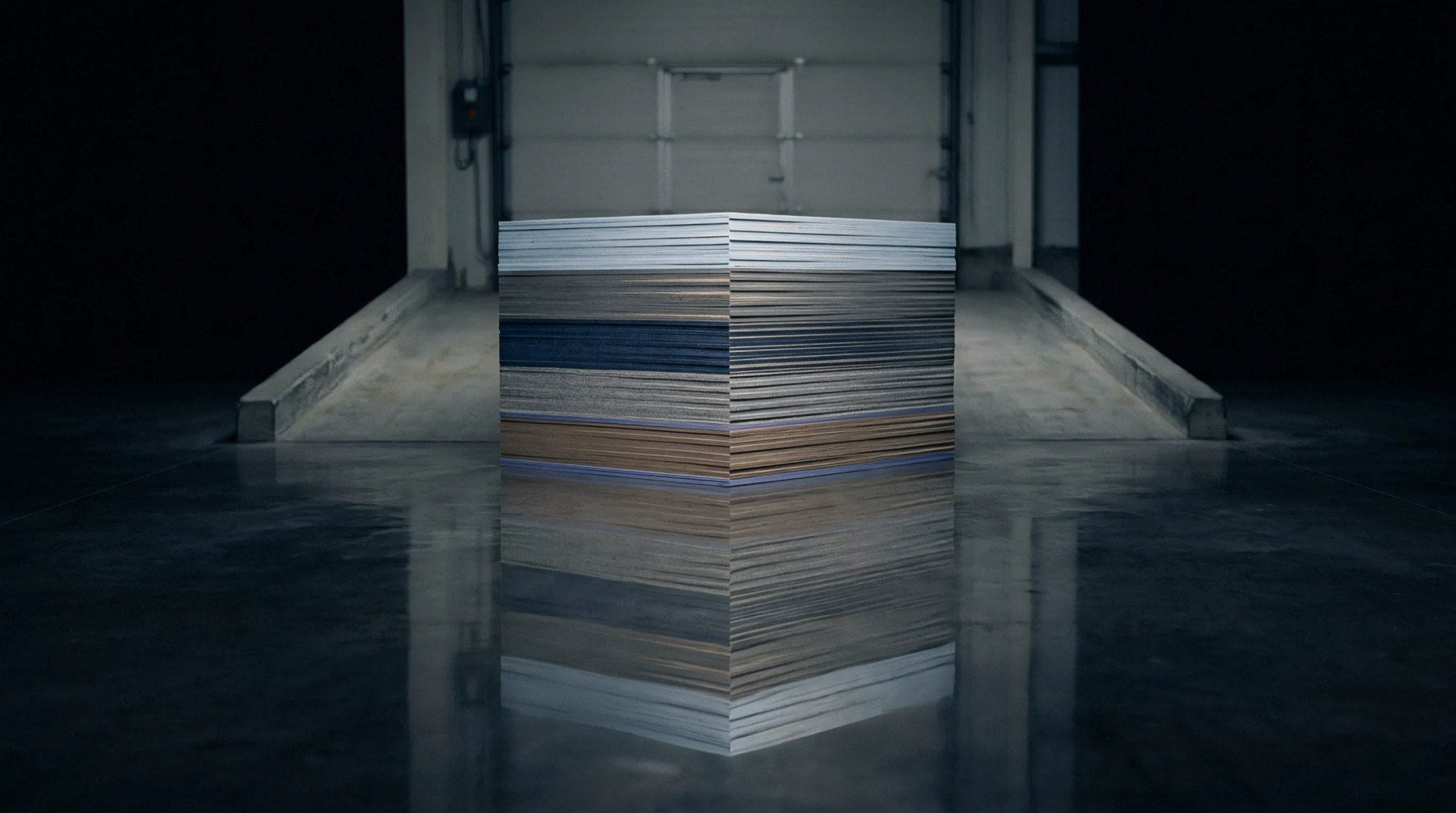
Dynamic moisture sorption hysteresis shifts blended fabric commercial weights up to three percent depending on preconditioning history and transit humidity.

Desorption hysteresis inflates combed cotton arrival weight by over one percent, requiring ISO 6741 commercial mass terms to prevent customs value adjustments.

Calculating Guggenheim-Anderson-de Boer isotherms prevents mold risk, tariff misclassification, and weight claims during transoceanic viscose shipping.

Commercial cotton weight relies on standard moisture regain adjustments, calculating dry mass through oven drying to settle invoices accurately on net dry fibre.

Uncontrolled greige storage triggers moisture migration, lipid autoxidation, and sizing retrogradation, which impair surface wettability and cause severe dye absorption variances.
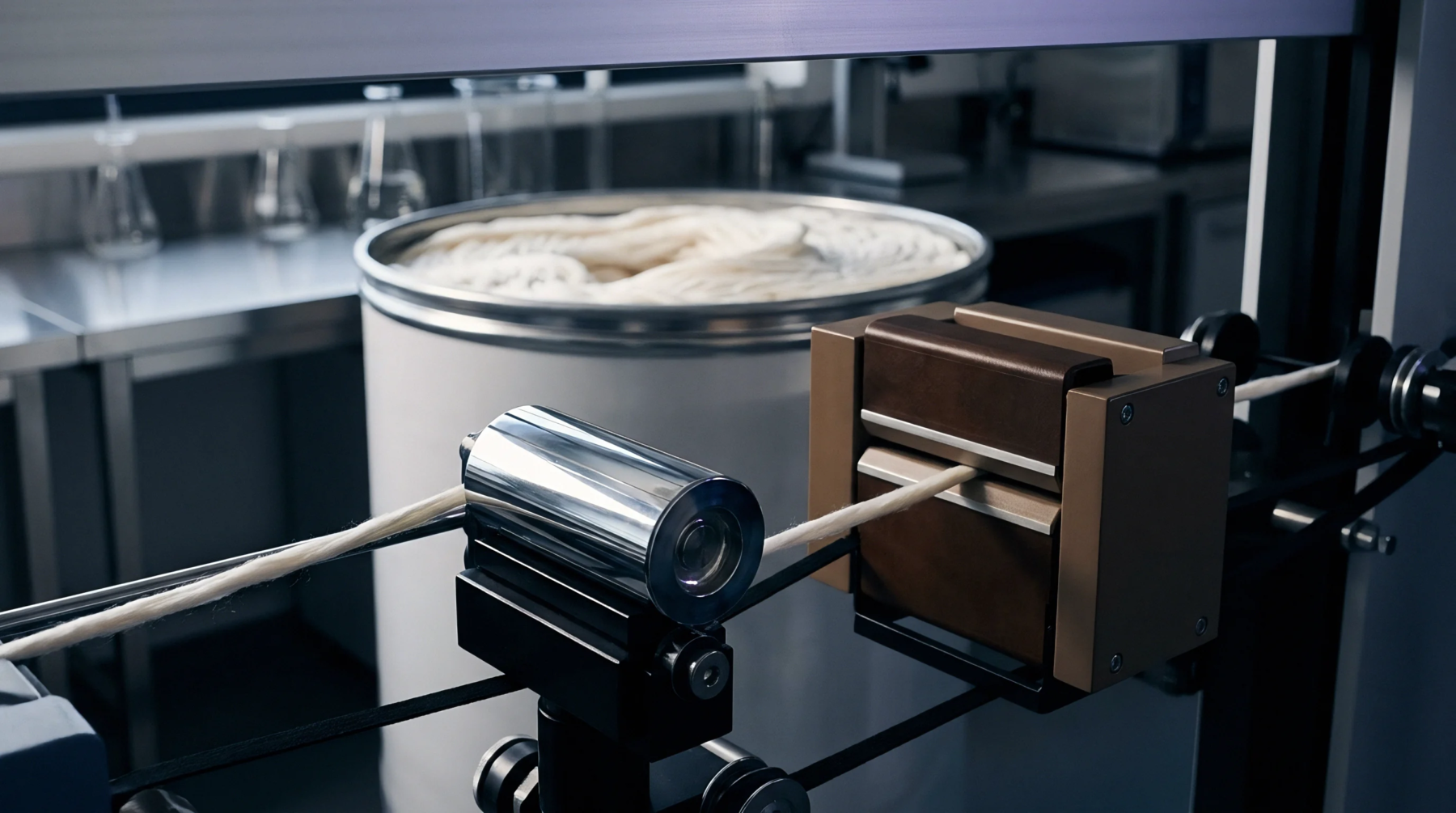
Transit moisture absorption alters ocean container cargo mass beyond standard laboratory regain corrections, creating financial and customs discrepancies.

Polymeric fibre desorption hysteresis traps bound water during ocean transit, requiring commercial mass adjustments based on core gravimetric oven testing.
Expertise is a utility, not a secret. sentiention™ publishes its working knowledge as open reference: intelligence layer covering the materials it sources, the markets it enters, and the reference that serves both.