Moisture Damage
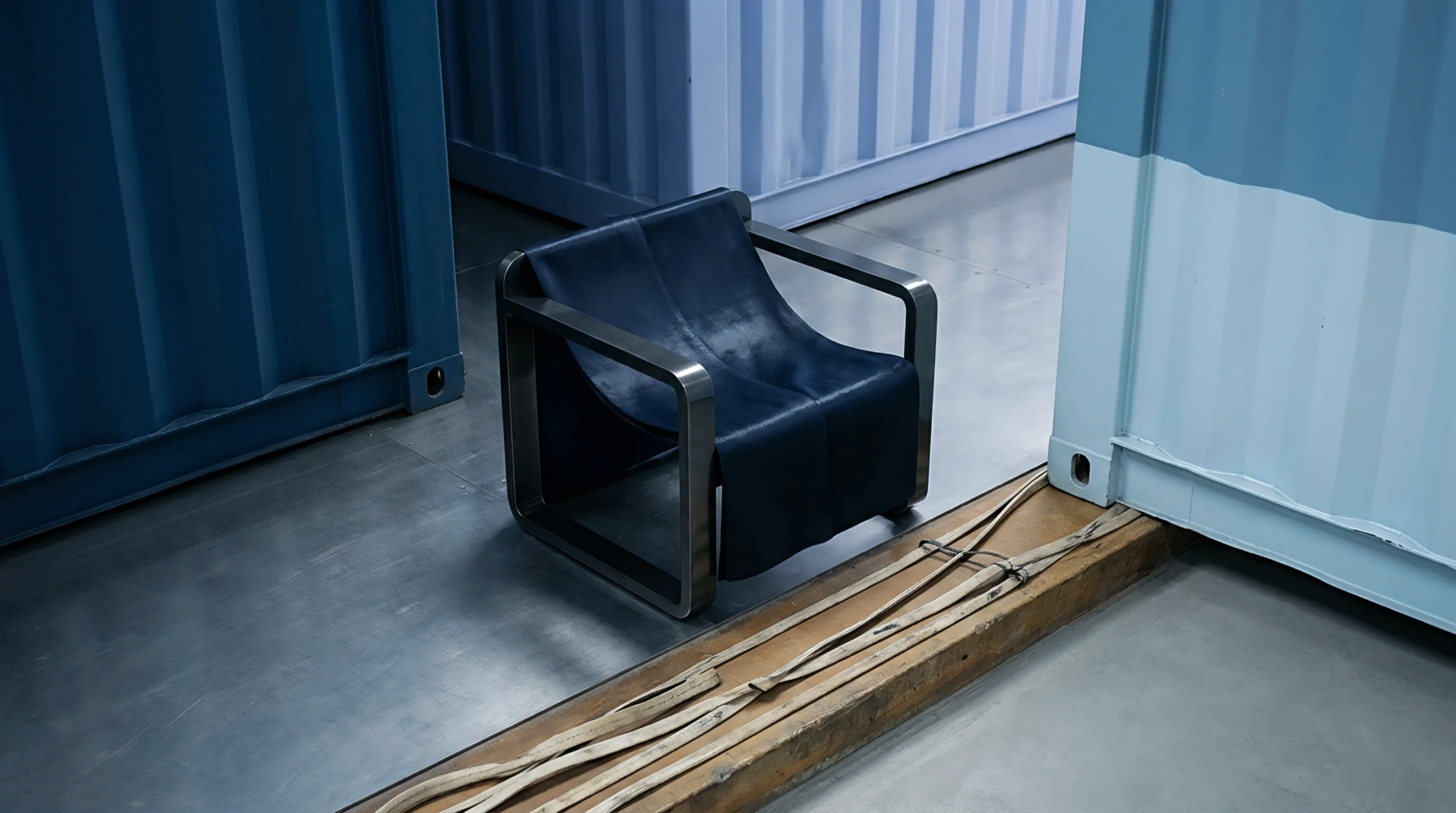
Atmospheric condensation within enclosed shipping steel enclosures presents a severe threat to fabric goods during maritime transit. The phenomenon known as container rain occurs when moisture-laden air inside a cargo container cools below its dew point, causing liquid water to drip onto stored cartons. This dripping can stain fabrics, degrade cardboard packaging, and lead to mould growth on finished apparel.
Dew Point Mechanism
Diurnal temperature variations during long voyages drive the continuous cycle of evaporation and condensation. As the shipping vessel crosses different climate zones, the warm air inside the metal container holds high amounts of moisture evaporated from wooden pallets and textile goods. When night temperatures drop, the container walls cool rapidly, causing the humid air to condense on the ceiling.
This condensed water accumulates until gravity pulls the drops down onto the cargo below.
Prevention Method
Logistics managers use high-capacity desiccants and proper container liners to protect dry apparel shipments. Placing calcium chloride bags throughout the container lowers the relative humidity of the internal air. Liners wrapped around the cargo block droplets from making contact with the boxes.
Financial Outcome
Moisture-damaged garments are unfit for retail shelves and usually require total destruction. Insurance providers require temperature and humidity logs to approve claims filed for cargo ruined by condensation during transit. Brands suffer lost sales when entire seasons of stock are lost to mould.