
Mass Balance Verification Mechanics in Cross-Border Organic Cotton Consignments
Mass balance verification in cross-border organic cotton requires reconciling raw lint transaction certificates, spinning waste loss, and customs origin proofs.
Mass balance verification in cross-border organic cotton requires reconciling raw lint transaction certificates, spinning waste loss, and customs origin proofs.

Dynamic replenishment dosing calibrated to dyestuff substantive affinity factors eliminates longitudinal tailing across high-speed continuous pad dye lines.

Ocean transit microclimates hydrolyze textile finishes, requiring desiccant dimensioning and mill-level curing stabilization to clear destination surveillance.

Marine container moisture gain alters physical weight on arrival; commercial settlement under ISO 6741 requires adjusting clean oven-dry mass to standard regain.
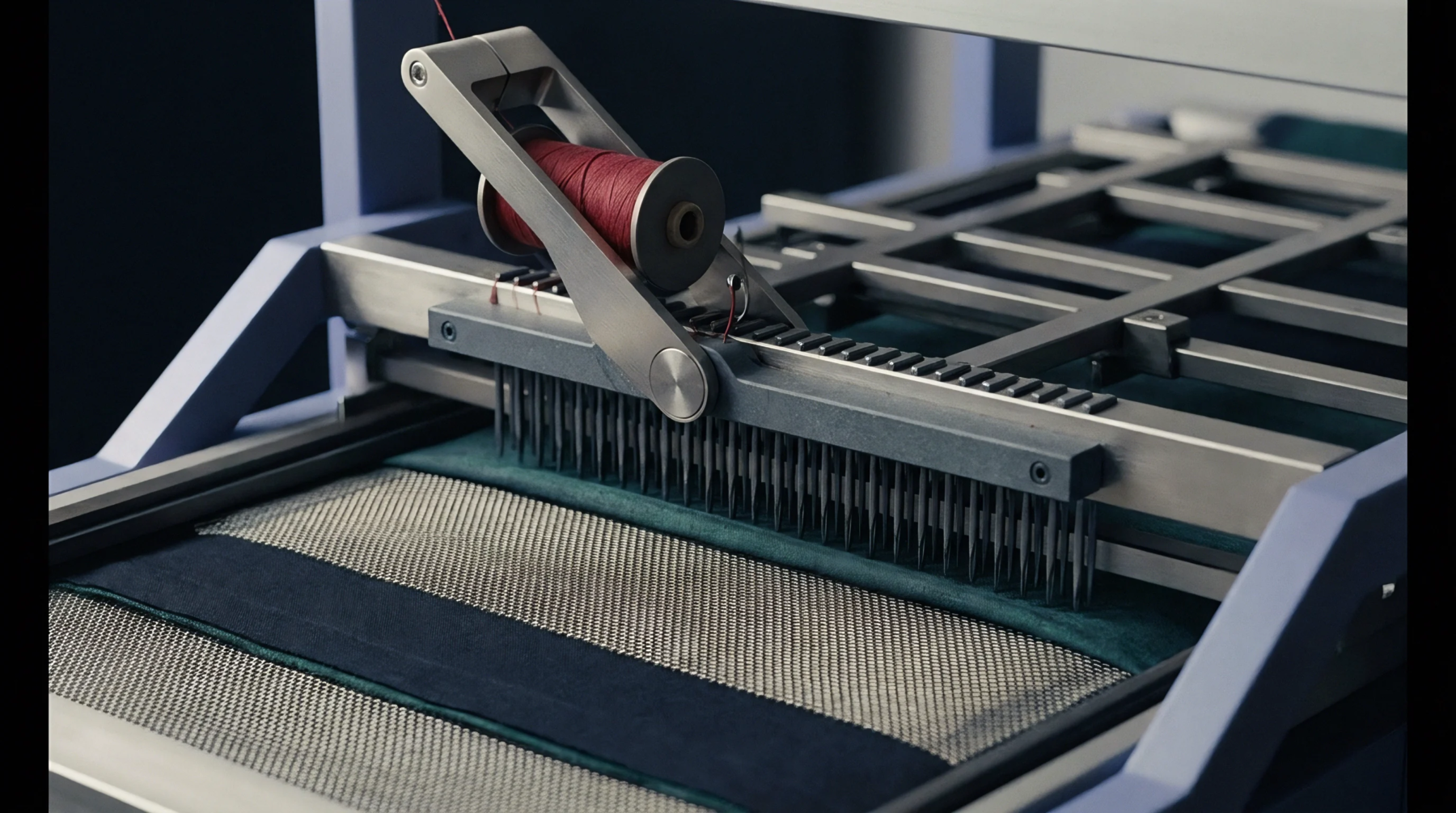
Preconditioning dispute samples at 50°C and 15% RH eliminates sorption hysteresis, ensuring repeatable multi-mill mass and physical testing acceptance.

Accurate cellulosic blend analysis requires pairing strict solvent reflux kinetics and d-factor scission corrections with standard commercial regain adjustments.

Commercial weight recalculation adjusts raw fiber invoice mass by adding official contractual moisture regain allowances to laboratory verified oven-dry fiber mass.

Determine commercial moisture regain standards through representative bale core sampling and forced-draft oven drying to convert net shipping mass into billable commercial weight.

Determining recovered yarn linear density involves unraveling measured lengths, removing crimp under standardized tension, and correcting dry mass for size.

Verify high volume raw fibre shipments using ISO 3951 variable sampling to enforce statistical bundle strength and micronaire limits before mill laydown.

Align customs entries with physical net scale weight while stating ISO 6741 regain calculations on commercial invoices to prevent chief weight misdeclaration penalties.

Correcting cotton yarn density for moisture regain standardizes commercial invoiced mass and prevents package dyeing defects caused by swelling.

Calculating container desiccant capacity requires balancing cargo regain desorption wood pallet vapor release and ocean route temperature differentials.
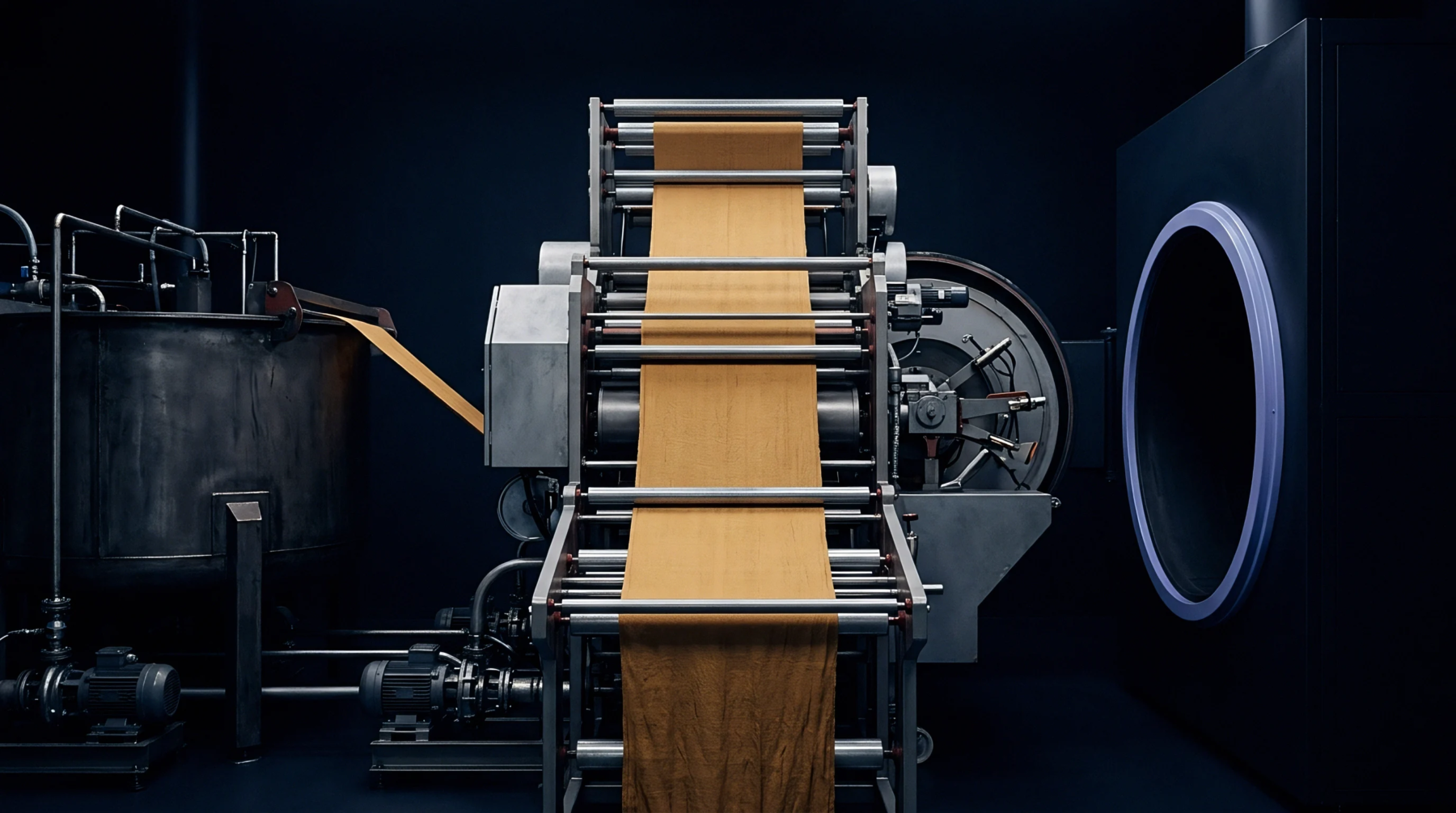
Symmetric nozzle velocity between 18 and 22 m/s during intermediate drying prevents dye migration and maintains shade uniformity in polyester cotton blends.

Solvent extraction removes non-fibrous sizing and oils before applying statutory moisture regains to clean dry fibre masses for tariff classification.

Solvent extraction isolates spin finishes and waxes from spun yarns, preventing excess processing aids from inflating commercial mass and landed duty costs.
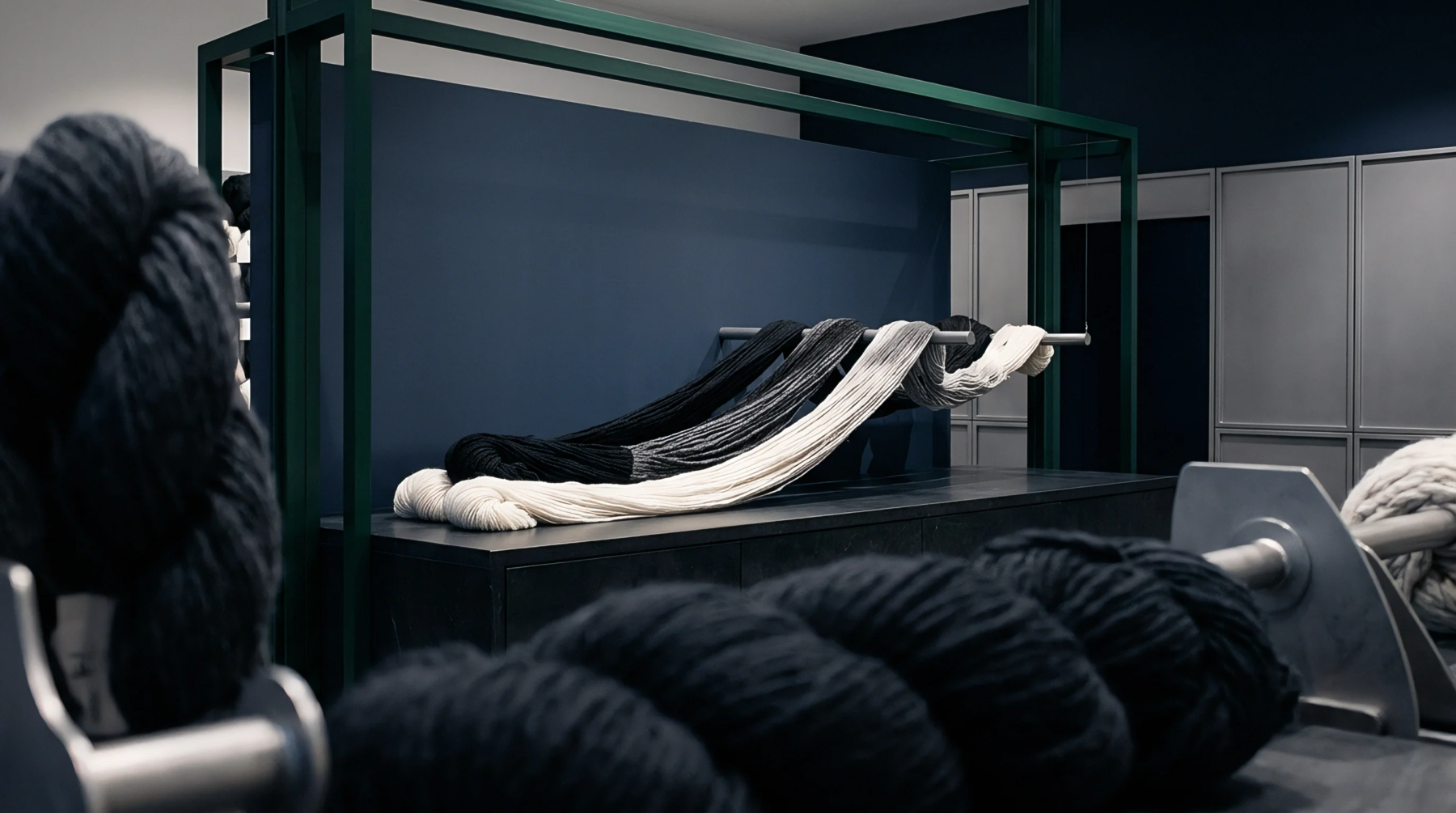
Chemical dissolution tolerances require applying fibre-specific correction factors d to dry residue masses while holding temperature and exposure limits precise.

Official moisture regain calculations convert anhydrous dry mass into legal commercial mass to determine chief weight tariff lines for binary fibre imports.

Adjust clean oven-dry mass using official commercial regain percentages to ensure accurate tariff classification and prevent commercial mass invoicing errors.

Air jet spinning waste ranges from three to nine percent, driven by short fiber index and nozzle pressure, directly shifting yarn yield and blend ratios.

True dry fiber mass requires quantitative solvent extraction of non-fibrous processing aids prior to forced-draft oven drying to constant weight.

Accurate comber noil extraction calculations require mass balance testing under conditioned moisture standards, balancing waste removal against secondary resale value.

Baseline moisture allowances convert raw lot weight into commercial mass using ISO regains to prevent paying yarn prices for ambient water.

Adjust landed textile valuation disputes by converting gross scale weights to ISO 6741 dry mass plus commercial regain using dockside moisture sample reports.
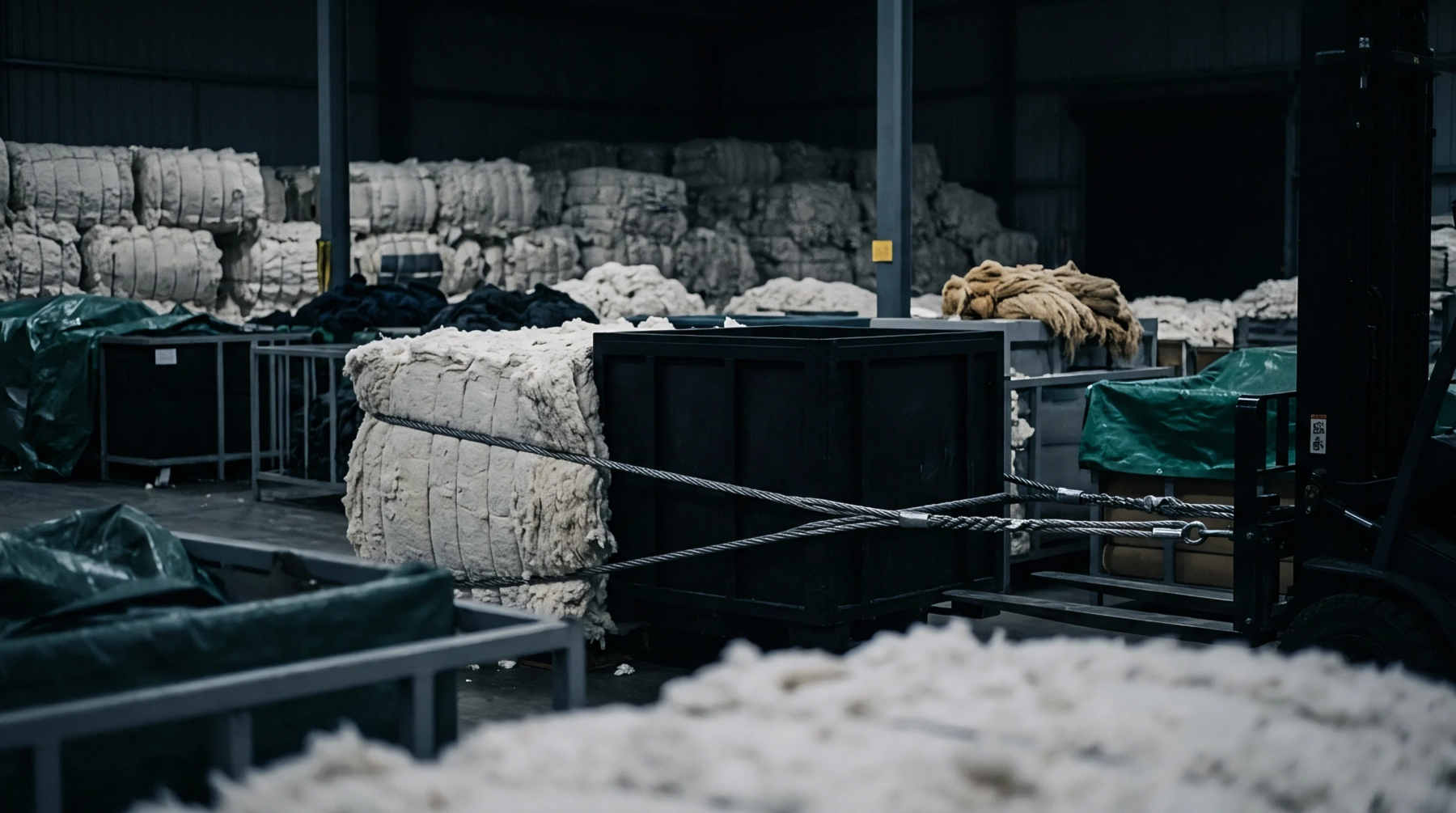
Commercial mass arbitration of maritime viscose transport converts scale weights to oven-dry fiber mass under ISO 6741 using official regain factors.

Commercial weight equals dry polymer mass multiplied by one plus the standard commercial regain percentage, converting tested moisture levels into trade invoices.
Unfinished greige fabric preservation demands humidity control between 50 and 65 percent relative humidity to prevent size retrogradation and oil oxidation.
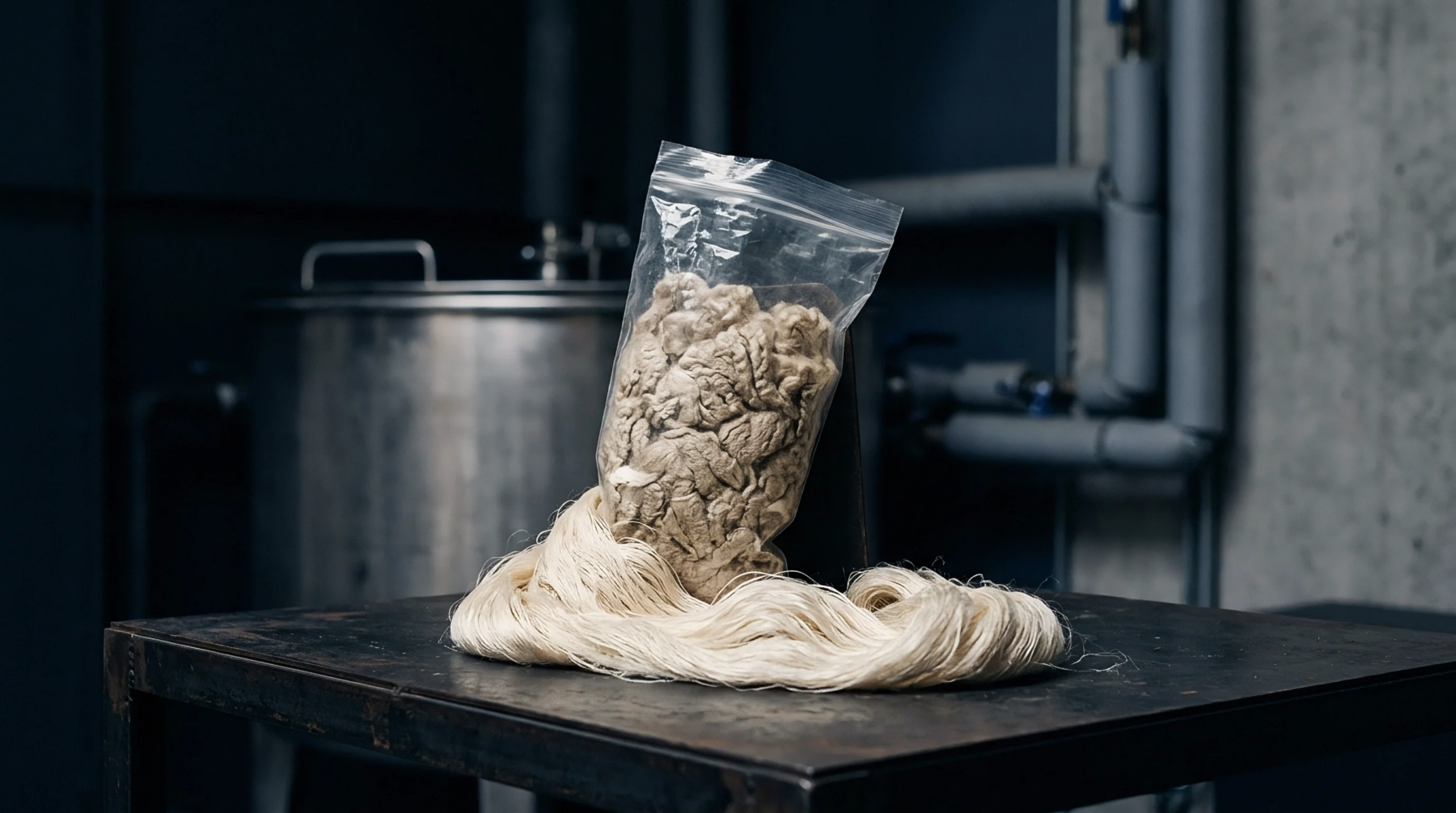
Quantitative fibre blend analysis uses selective chemical dissolution, gravimetric desiccation, and microscopic counting to verify trade declarations.
Expertise is a utility, not a secret. sentiention™ publishes its working knowledge as open reference: intelligence layer covering the materials it sources, the markets it enters, and the reference that serves both.