Moisture Regain Standards in Commercial Yarn Weight Verification
Commercial yarn weight verification relies on oven-dry mass determination modified by standard moisture regain percentages to determine billable weight.

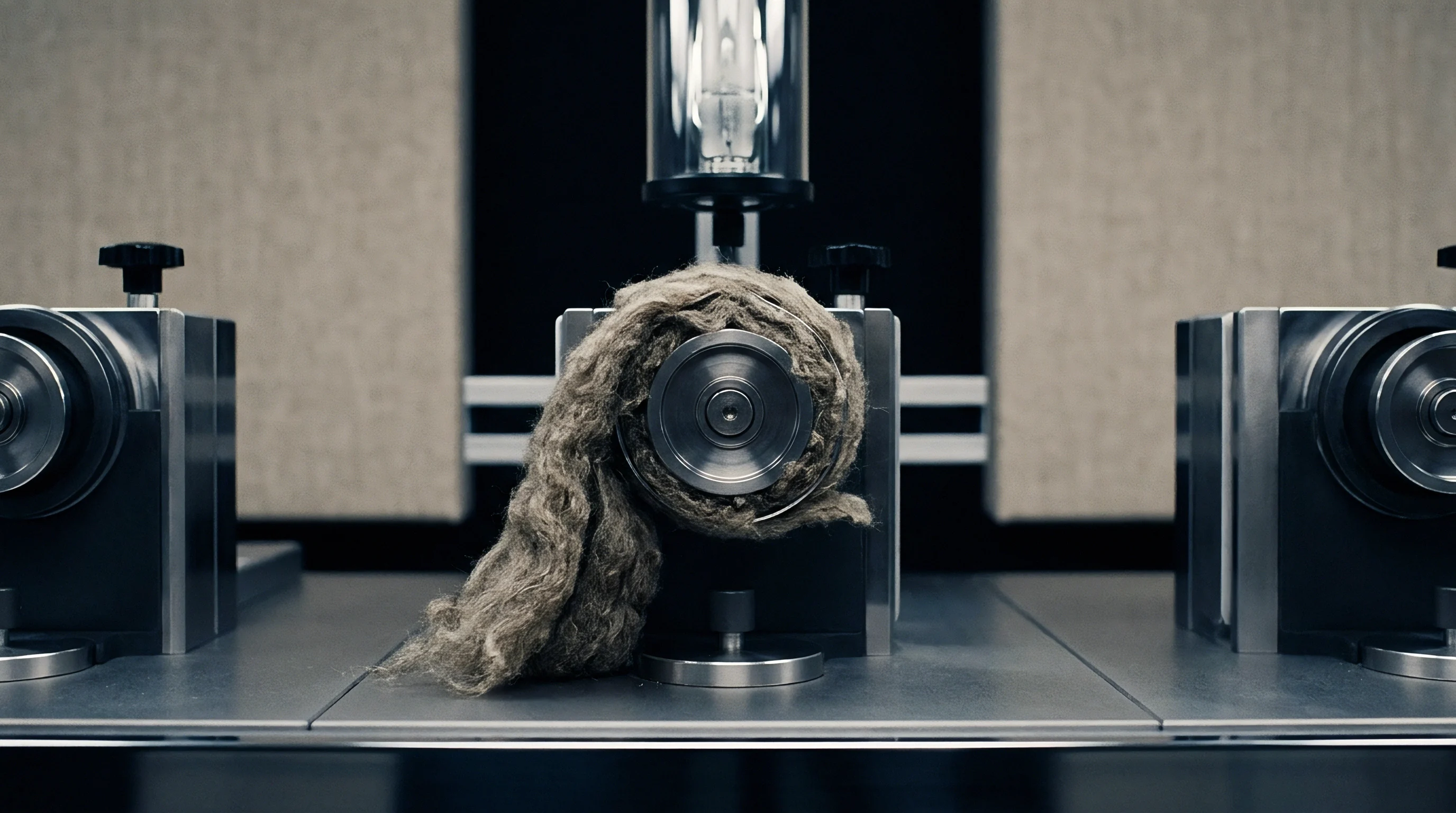
Oven
Drying a yarn consignment down to its absolute dry mass removes free atmospheric moisture while keeping the underlying polymer intact. Standard procedures under ISO 6741-1 and ASTM D2495 place specimen samples in a ventilated chamber held at 105°C ± 2°C, with airflow across the heating elements drawing off vapor until successive weighings fifteen minutes apart vary by less than 0.05 percent. This oven-dry baseline serves as the reference point for all commercial weight calculations.
Hydrophilic natural fibres have amorphous regions that readily bond with ambient water vapor, so unconditioned lot weights often swing by several percentage points across transit environments. Synthetics, being hydrophobic, pick up little internal moisture and carry water mostly on the filament surface. To stop specimens from taking on moisture as they move to precision analytical balances, ISO 139 holds testing-room air to 20°C ± 2°C and 65% ± 4% relative humidity.
Cotton yarn heated beyond 110°C loses non-water volatile oils that artificially inflate calculated moisture content.
Because fibres absorb moisture at substantially different rates, international bodies like ISO, ASTM, and BISFA establish standard commercial regain allowances for trade. The table below lists these baseline regain figures and allowable finish additions across primary commercial fibre categories.
| Fibre Classification | ISO 6741 Commercial Regain (%) | ASTM D1909 Commercial Regain (%) | Standard Finish Allowance (%) |
|---|---|---|---|
| Carded Cotton Yarn | 8.50 | 8.50 | 0.00 |
| Combed Cotton Yarn | 8.50 | 8.50 | 0.00 |
| Viscose Rayon Filament | 13.00 | 11.00 | 0.00 |
| Wool Yarn (Combed) | 18.25 | 13.60 | 1.50 |
| Polyester Staple/Filament | 1.50 | 1.50 | 0.00 |
| Nylon 6 / Nylon 6,6 | 4.50 | 4.50 | 0.00 |
| Acrylic Staple | 2.00 | 1.50 | 0.00 |
| Values express percentage additions to oven-dry mass under standard commercial agreements. | |||
Pushing drying temperatures past set tolerances degrades organic fibres, volatilizing spinning lubricants and natural waxes alongside water. Thermogravimetric testing shows that raw cotton begins losing lipids above 110°C, while scoured wool undergoes amino acid oxidation under sustained dry heat beyond 108°C. Strict laboratory protocol limits thermal exposure so that recorded weight loss reflects water evaporation alone.
Under ISO 6741-1 Clause 7.2, weighing sample containers before thorough desiccation adds up to 0.4 percent in false tare weight.

Allowance
Commercial mass establishes an agreed settlement weight by adding a standard regain allowance back to the measured oven-dry mass. Invoicing yarn on gross scale weight alone invites commercial distortion, since humidity at the packing dock nudges scale figures up or down. Commercial mass formulas strip out these atmospheric swings to produce a settled contractual unit.

Commercial Mass Equations
Converting laboratory dry weight to billable commercial mass relies on a standard calculation. For single-component yarn consignments, the formula runs:
Calculated Mass = Dry Mass (100 + Regain Percentage + Finish Allowance) / 100
If a shipment arrives at 20,000 kilograms gross with a tested moisture content of 11.0 percent, the laboratory oven-dry mass yields 17,800 kilograms. For combed cotton carrying an 8.5 percent standard commercial regain, the billable commercial mass comes to 19,313 kilograms. The buyer receives an invoice adjustment deducting the 687 kilograms of excess environmental water.

Blend Weighted Calculations
Blended yarns require a weighted calculation based on each fibre fraction. A 60/40 polyester and cotton spun yarn carries no single regain baseline of its own; instead, it combines the individual allowances of both components:
Weighted Regain = (Fraction A Regain A) + (Fraction B Regain B)
For a 60 percent polyester (1.5% regain) and 40 percent combed cotton (8.5% regain) blend, the weighted regain is 4.3 percent. If a 10,000 kilogram lot of this yarn tests at 7.0 percent moisture, the dry core comes out to 9,300 kilograms. Factoring in the 4.3 percent regain sets billable commercial mass at 9,699.9 kilograms, cutting 300.1 kilograms of unaccounted transit water off the final invoice.
- Draw representative core samples across ten percent of total shipment cartons immediately upon receipt.
- Seal drawn yarn samples inside airtight, non-reactive glass containers within two minutes of sampling.
- Record the gross wet sample mass using an analytical scale accurate to 0.001 grams.
- Subject samples to continuous thermal desiccation at 105°C until reaching mass equilibrium.
- Weigh the desiccated samples inside an integrated hot-weighing chamber to obtain the precise dry mass.
- Calculate actual moisture content percentage by comparing gross wet mass against oven-dry mass.
- Compute the weighted commercial regain percentage based on certified fibre blend ratios.
- Multiply oven-dry net weight of the total lot by the commercial mass expansion factor to yield billed weight.
When delivered blend ratios drift from declared compositions, the regain baseline changes with them, moving invoice totals on high-volume transactions.
Deriving blended yarn contracts without verifying each component fibre’s standardized regain percentage shifts all atmospheric weight exposure onto the buyer.

Scale
The integrity of commercial weight verification depends on how samples are pulled. Extracting bobbins without protective sealing exposes yarn to room air before testing starts. Reliable protocols draw packages from deep within unopened cartons across multiple pallet positions, avoiding surface moisture created by container condensation during transport.

Core Package Sampling
Bobbins sitting on pallet exteriors trade moisture with ambient air long before packages buried in the interior lose their ocean-transit equilibrium. Technicians pull packages systematically from top, middle, and bottom layers across random cartons, transferring them straight into vapor-tight containers.
Container Vapor Isolation
Gasketed metal canisters or laminated foil pouches prevent air exchange between the warehouse floor and the test bench. Leaving a container open for five minutes in humid surroundings adds up to 0.3 percent in unearned moisture mass to hydrophilic fibres like viscose and wool.

How Do Atmospheric Fluctuations Alter Shipping Mass?
Temperature shifts inside ocean shipping containers generate internal condensation, known in freight as container rain. Paper cones and outer package layers absorb moisture as it settles on carton exteriors. Without core sampling protocols, testing surface packages produces artificially high readings, triggering improper claims against the spinning mill.
- Package Surface Condensation occurs when thermal shifts inside shipping containers force ambient water vapor onto yarn package surfaces, creating localized artificially high moisture readings.
- Unsealed Sample Transport allows drawn yarn specimens to exchange water vapor with room air prior to initial laboratory weighing, invalidating the calculated moisture percentage.
- Tare Mass Variations emerge when paper cone weights vary across production lots without adjustment, assigning cone mass variations directly to yarn water content.
- Volatile Finish Evaporation happens when high drying oven temperatures burn off spinning lubricants, incorrectly registering lost oil weight as evaporated water mass.
Unsealed container transport between spinning floor and laboratory transforms ambient humidity into billable yarn weight.
Disputes over weight loss during ocean transit typically center on whether moisture changes originated from container condensation or improper lot conditioning prior to containerization.
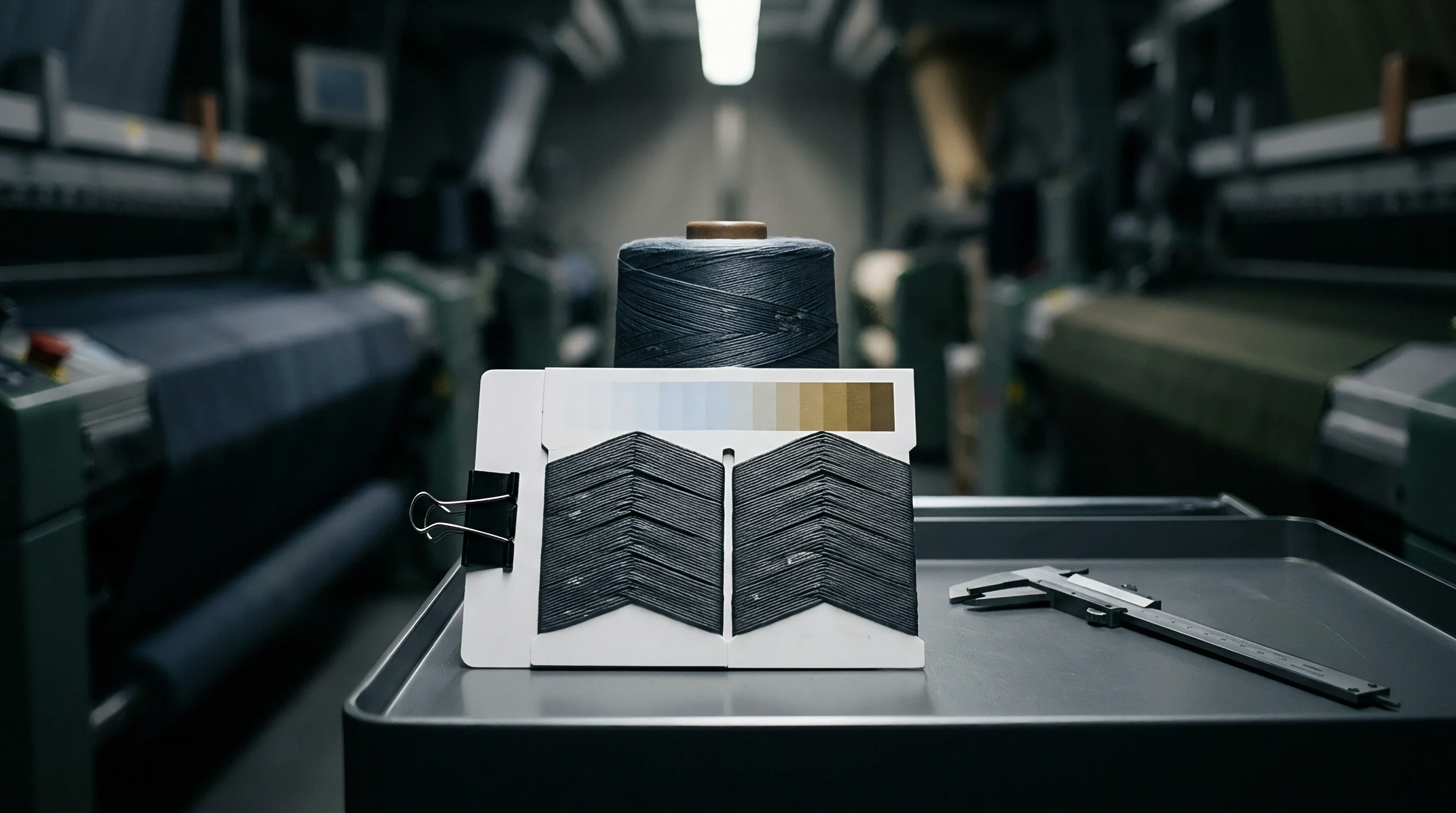
Dispute
Commercial contracts apply standard tolerance bands before triggering financial settlements. Trade rules established by the International Wool Textile Organisation (IWTO) and BISFA place commercial mass within a ±1.0 percent neutral zone, absorbing normal test variances without requiring invoice adjustments.
When verified commercial weight falls short of the invoice by more than 1.0 percent, the seller issues a credit note covering the missing mass. If verified weight runs more than 1.0 percent over invoiced mass, the buyer covers the surplus, provided the underlying agreement permits over-shipment billing.
| Fibre Blend | Tolerance Threshold (%) | Action Trigger Point | Settlement Adjustment Mechanism |
|---|---|---|---|
| 100% Ring Spun Cotton | ±1.00 | Variance > 1.00% | Full debit/credit adjustment to net commercial mass |
| 100% Textured Polyester | ±0.50 | Variance > 0.50% | Invoice adjusted strictly to dry weight plus 1.5% regain |
| 50/50 Cotton/Polyester Blend | ±0.75 | Variance > 0.75% | Pro-rata adjustment based on weighted commercial formula |
| 100% Combed Wool Top | ±1.00 | Variance > 1.00% | Arbitration via neutral IWTO accredited laboratory |
Variances that fall outside agreed tolerances go to an independent, accredited referee facility for binding retesting. Commercial terms generally dictate that both parties accept the referee laboratory’s findings as final, dividing testing costs based on which party’s initial claim sat furthest from the neutral result.
BISFA commercial rules require weight adjustments whenever the net delivered commercial weight departs from invoiced weight by more than one percent.
- Mandatory Referee Clause designating an ISO 17025 accredited laboratory for binding retests in commercial purchase agreements.
- Standardized Regain Specification citing explicit ISO or ASTM standards governing each material line item within the purchase order.
- Sampling Protocol Assignment defining whether core package or random carton extraction governs incoming lot verification procedures.
- Defined Moisture Thresholds setting clear percentage variance limits that trigger formal invoice debit or credit adjustments.
Settling yarn invoices against raw scale weights rather than verified commercial mass inflates raw material costs by up to three percent across wet-season shipping windows.
Invoice
Cross-referencing landed customs entries against laboratory test certificates avoids misclassification penalties and overpaid import tariffs. Customs authorities classify imported yarns by physical chief weight under Harmonized System tariff codes. Blend declarations derived from unconditioned scale readings risk improper classification whenever uneven moisture uptake shifts the material ratio across a tariff line.
A 50/50 flax and polyester yarn shipped under humid conditions takes on water unevenly; flax accepts up to 12.0 percent regain while polyester retains 1.5 percent. Scale weighing unconditioned samples produces a mass ratio skewed toward the natural fibre, which can trigger higher tariff schedules assigned to flax-predominant yarns. Converting measured mass to standardized commercial dry mass restores the true 50/50 blend ratio and protects the import declaration against tariff reclassification.
Weaving and knitting mills count on accurate commercial weight to budget yarn consumption per meter of finished cloth. Processing yarn heavy with unadjusted ambient moisture produces fabric yield deficits, as evaporated water leaves behind fewer running meters of structural yarn than raw package weights promised.