Analytical Verification Protocols for Subcontracted Dyehouse Auxiliary Input Control
Empirical laboratory testing of raw liquid chemical auxiliaries prior to vat injection is mandatory to prevent subcontracted dyehouse contamination.


Vat
Liquid chemical additions in third-party commission dyehouses are the single largest blind spot in textile supply chain integrity. When a primary mill outsources yarn or fabric wet processing to a secondary facility, chemical assurance frameworks often break down at the loading dock. Primary mills usually maintain controlled chemical inventories backed by Zero Discharge of Hazardous Chemicals Manufacturing Restricted Substances List declarations and Safety Data Sheets.
Commission dyehouses, working on thin margins and fast turnarounds, frequently alter auxiliary recipes, source uncertified commodity chemicals, or blend proprietary leveling agents, wetting auxiliaries, and softeners without testing for restricted residues.
Subcontracted wet processing exposes finished goods to unmonitored chemical contamination. A certified fabric supplier can ship clean, grey goods to a subcontracted commission dyehouse and receive finished rolls contaminated with alkylphenol ethoxylates, free formaldehyde, or organotin catalysts. This contamination rarely originates from the primary fiber or structural dyestuff.
Instead, it enters the bath inside auxiliary formulations added to improve liquor penetration, equalize dye uptake, adjust pH, or soften hand feel. Commission dyehouses frequently buy low-cost auxiliaries from local formulators who lack analytical screening programs or certified technical data sheets.
Different auxiliary categories perform distinct functions in the wet processing bath, each carrying specific risks for restricted substance contamination. Wetting agents and dispersants rely heavily on non-ionic surfactants. If local suppliers use unethoxylated alkylphenols as raw materials or run incomplete ethoxylation processes, residual nonylphenol ethoxylates and octylphenol ethoxylates end up in the processing water.
These surfactants break down in municipal effluent and persist on fiber structures, exceeding brand restricted substance limits of 100 milligrams per kilogram. Leveling and retarding agents used for polyester or acrylics frequently incorporate chlorinated aromatic carriers, like trichlorobenzenes or chlorotoluenes, to promote dye dispersion under high heat. These volatile organic compounds transfer onto the textile matrix during high-temperature setting and re-emerge during regulatory product testing.
Sequestering agents and water softeners introduced to tie up iron, calcium, and magnesium ions in untreated mill water present another contamination route. Heavy metal chelators often rely on ethylenediaminetetraacetic acid or diethylenetriaminepentaacetic acid. When poorly purified, these chelating agents carry trace background levels of free heavy metals, including cadmium, lead, and arsenic, which deposit directly onto cellulose fibers.
Softeners and cross-linking fixatives designed to improve wet fastness or add lubricity frequently rely on melamine-formaldehyde resins, polyaziridine agents, or organosilicon emulsions. These formulations break down or release unbound free monomeric formaldehyde under heat, causing finished fabrics to fail international human-ecological standards like OEKO-TEX STANDARD 100 Class I for baby items, which sets a limit of 16 milligrams per kilogram.

Auxiliary Contamination Mechanisms
Chemical transfer occurs through bath carryover, unclean delivery pipelines, and reused processing liquor. Commission dyehouses operate batch machinery under tight production schedules. When a machine transitions from a heavy shade reactive dye process to a soft finish disperse process without a thorough boil-out, residual auxiliary chemistries stay bound to vessel walls, heat exchangers, and dosing pumps.
Lines feeding auxiliary dosing tanks often trap concentrated residues that leach into subsequent production lots.
Dyeing machines rely on closed-loop circulation where auxiliary chemicals are metered over set intervals. In jet and overflow machines, liquid auxiliaries pass through internal heat exchangers before reaching the fabric. If an auxiliary compound contains thermally unstable contaminants, high processing temperatures break down complex molecules into regulated monomeric species.
Phthalate plasticizers, added as emulsifiers or defoamers in commercial auxiliary blends, can also migrate from rubber seals and synthetic gaskets inside aged dosing pumps into the bath, leaving detectable residues of bis(2-ethylhexyl) phthalate and dibutyl phthalate on fabric swatches.

Input Verification Vulnerabilities
Receiving inspection at subcontracted dyehouses rarely extends beyond basic density and pH checks. Commission facilities seldom perform chromatographic or spectroscopic screening on incoming auxiliary totes, relying instead on paper self-declarations from Tier 3 chemical vendors. These declarations regularly reference outdated safety data sheets that omit components present below 1 percent by weight under standard Global Harmonization System rules.
Many regulated target analytes, such as per- and polyfluoroalkyl substances or organotin compounds, trigger brand compliance failures at concentrations measured in parts per million or parts per billion ~ far below standard safety data sheet reporting thresholds.
Dilution practices in mixing rooms further compound chemical variance. Operators routinely dilute concentrated auxiliaries with untreated well water or recycled wash water to adjust flow rates in automatic dispensing systems. Reused rinse liquor introduces accumulated heavy metals, nitrates, and persistent surfactants directly into fresh auxiliary blends.
Without empirical verification protocols applied directly to auxiliary liquids before bath injection, brand owners stay unaware of contamination until finished garments undergo customs clearance testing or brand audit screening.
Compliance certificates provided by vendors often cover general product lines while omitting specific batch lot numbers and failing to disclose changes in raw material synthesis routes.


Formulation
Chemical auxiliary mixtures contain complex blends of active agents, solvents, functional additives, and unintentional synthesis byproducts. Evaluating auxiliary safety requires moving beyond active ingredient analysis to examine trace contaminants in raw chemical feedstocks. Industrial formulators source raw materials globally, subject to fluctuating purity grades and variable synthesis conditions.
A wetting agent formulated with high-purity fatty alcohol ethoxylates operates cleanly, whereas the same agent made from low-grade, mixed-chain petroleum feedstocks introduces unreacted alkylphenols and residual ethylene oxide into finished liquid inputs.
Chemical classification rules under the Globally Harmonized System of Classification and Labelling of Chemicals require safety data sheet disclosure only for ingredients classified as health or environmental hazards above specific weight thresholds ~ typically 0.1 percent for carcinogens or reproductive toxins, and 1.0 percent for general skin irritants. Regulated restricted substances, such as specific phthalates, organotins, short-chain chlorinated paraffins, and polycyclic aromatic hydrocarbons, trigger regulatory enforcement at concentration levels far below these standard disclosure cutoffs. A safety data sheet showing zero restricted substances in Section 3 can easily contain 400 milligrams per kilogram of dibutyltin compounds used as esterification catalysts during softener synthesis.
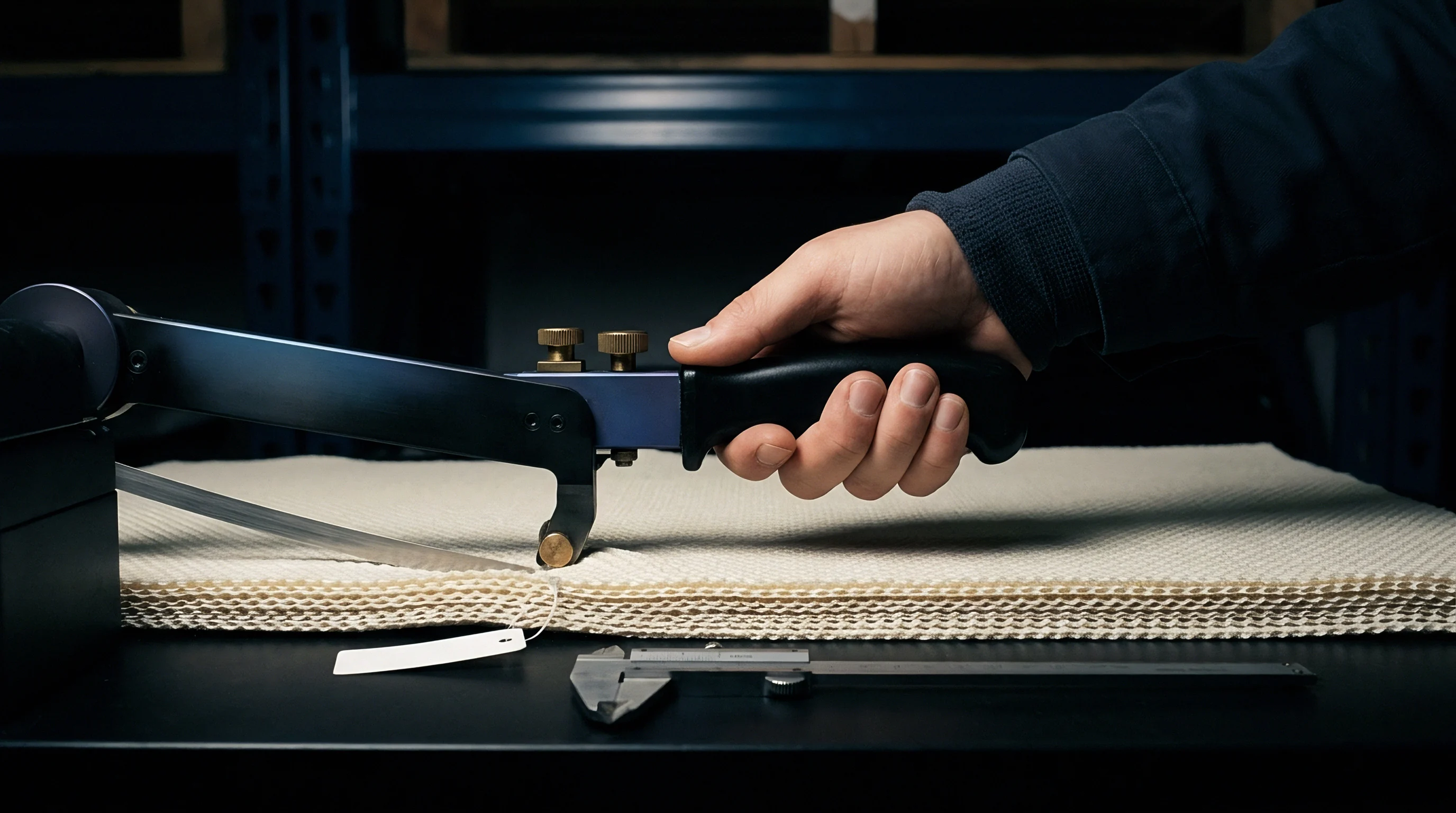
Impurity Profiles across Chemical Classes
Subcontracted dyehouse auxiliaries fall into distinct functional groups, each presenting specific impurities derived from raw material manufacturing and formulation steps. Surfactants used in scouring, wetting, and leveling operations are the primary vector for alkylphenol ethoxylate contamination. Nonylphenol ethoxylates and octylphenol ethoxylates function as cost-effective emulsifiers, but their breakdown products, nonylphenol and octylphenol, act as endocrine disruptors.
Industrial synthesis of alternative alcohol ethoxylates frequently uses shared reaction vessels previously exposed to alkylphenols, resulting in cross-contamination of certified eco-friendly wetting agents.
Fixing agents, crease-resisting resins, and dimensional stabilizers rely on formaldehydic chemistry. Urea-formaldehyde and melamine-formaldehyde condensation products retain free, unreacted formaldehyde in the liquid phase. Even low-formaldehyde glyoxal-based resins contain residual monomeric formaldehyde that leaches into processing liquor during high-temperature curing.
Lubricants, anti-static agents, and synthetic softeners formulated from silicone polymers or fatty acid amides often contain cyclic siloxanes, such as octamethylcyclotetrasiloxane (D4), decamethylcyclopentasiloxane (D5), and dodecamethylcyclohexasiloxane (D6), alongside residual organotin catalysts like dibutyltin dilaurate used during polymer condensation.
The presence of nonylphenol ethoxylates in auxiliary liquid concentrations as low as 50 milligrams per kilogram triggers finished fabric compliance failures during standardized water extraction testing.
Carrier chemistries used in disperse dyeing of synthetic fibers rely on aromatic hydrocarbons to swell polyester fibers at lower processing temperatures. Chlorinated aromatic carriers, including dichlorobenzenes, trichlorobenzenes, and chlorotoluenes, exhibit high aquatic toxicity and extreme persistence. Formulators sometimes replace chlorinated carriers with aromatic esters or phthalate derivatives, inadvertently introducing diisobutyl phthalate or bis(2-ethylhexyl) phthalate into the wet processing line.
Fluorinated oil and water repellents, alongside soil-release auxiliaries, utilize per- and polyfluoroalkyl chemistry. Residual unreacted side-chain fluorotelomer alcohols and perfluorooctanoic acid impurities remain trapped inside polymer emulsions, transferring onto treated textiles during curing.

Regulatory Threshold Comparison
Establishing effective verification protocols requires aligning auxiliary input limits with international regulations and brand restricted substance lists. Regulatory frameworks like REACH Annex XVII set mandatory legal thresholds for finished textile articles sold within the European Union, while industry standards like the ZDHC Manufacturing Restricted Substances List (MRSL v3.1) enforce limits directly on chemical formulations applied inside dyehouses. Verifying compliance requires screening auxiliary liquids against both formulation limits and final article limits.
The table below summarizes primary chemical auxiliary categories, their functional roles, target hazardous contaminants, standard analytical test methods, and maximum allowable input limits under current ZDHC MRSL v3.1 guidelines.
| Auxiliary Category | Functional Role | Target Contaminants | Test Method | ZDHC MRSL v3.1 Limit |
|---|---|---|---|---|
| Wetting Agents & Scouring Auxiliaries | Surface tension reduction, wax removal | APEOs, NPEOs, OPEOs, Free Nonylphenol | ISO 18254-1 / LC-MS | 100 mg/kg (total APEO) |
| Fixing Agents & Resins | Color fastness, wash durability, shrinkage control | Free and Hydrolyzed Formaldehyde | ISO 14184-1 / UV-Vis | 150 mg/kg (formulation) |
| Leveling & Dispersing Agents | Dye migration, shade levelling | Chlorinated Benzenes & Toluenes | DIN 54232 / GC-MS | 20 mg/kg (individual) |
| Softeners & Lubricants | Hand feel adjustment, seam lubricity | Organotins (DBT, DOT, TBT), Siloxanes (D4, D5, D6) | ISO 22744 / GC-MS | 1 mg/kg (Organotins) |
| Water & Oil Repellents | Hydrophobic and oleophobic finishing | PFAS (PFOA, PFOS, FTOHs), Total Fluorine | CEN/TS 15968 / LC-MS/MS / CIC | 1 mg/kg (PFOA/PFOS) |
| Carrier Chemistries | Polyester dyeing acceleration | Phthalate Esters (DEHP, DBP, BBP, DIBP) | ISO 14389 / GC-MS | 50 mg/kg (sum) |
Discrepancies between formulation thresholds and final article limits complicate input control. A chemical auxiliary meeting a ZDHC MRSL threshold of 100 milligrams per kilogram can still cause finished fabric failure if applied at high pickup ratios without adequate washing off. A soft finishing process applying a 5 percent bath concentration of an auxiliary containing 80 milligrams per kilogram of alkylphenol ethoxylates deposits 4 milligrams per kilogram of contaminant directly onto dry fabric.
If the finishing process operates in a closed system without subsequent rinsing, the contaminant concentrates entirely on the fiber surface, approaching critical brand action limits.
Effective verification protocols account for liquor application ratios, bath exhaustion rates, and thermal volatilization factors when evaluating auxiliary safety. Chemical verification that relies exclusively on testing finished textiles fails to prevent cross-contamination early in production cycles. Testing the raw liquid auxiliary input prior to vat mixing remains the only reliable technique for intercepting hazardous contaminants before they contaminate machinery and pollute mill wastewater streams.
Chemical inputs meeting safety data sheet disclosure thresholds can still fail final article compliance tests when concentrated during low-liquor ratio applications.

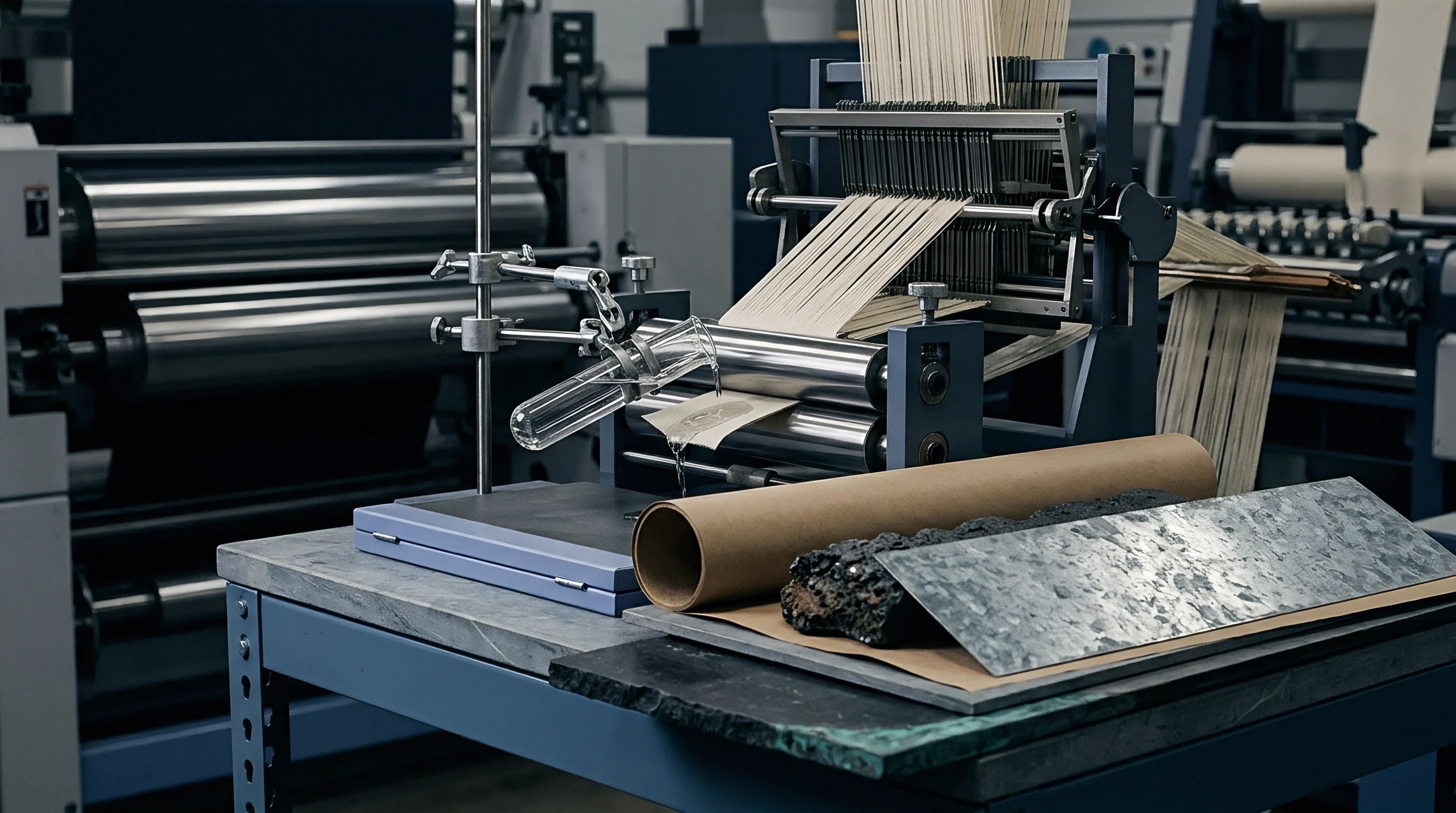
Specimen
Sampling liquid chemical auxiliaries from subcontracted dyehouses demands rigorous protocols to collect representative aliquots while preventing sample contamination. Liquid auxiliaries arrive at commission dyehouses in diverse containers, including 25-kilogram plastic drums, 200-liter metal barrels, and 1,000-liter intermediate bulk containers. Chemical components inside high-viscosity emulsions, silicone softeners, and dispersion agents readily stratify over time.
Taking a sample from the surface of an unmixed container yields inaccurate analytical results, missing settled phases that carry high concentrations of heavy catalysts, insoluble phthalates, or hydrophobic surfactants.
Representative sampling requires mechanical homogenization prior to extraction. Drums and intermediate bulk containers must undergo thorough mixing using clean, non-contaminating pneumatic agitators or stainless steel drum pumps. Sampling personnel must avoid using wooden stirrers, flexible PVC tubing, or plastic buckets, as these materials leach phthalate plasticizers and organotin stabilizers directly into specimens.
Clean glass drum thieves, polytetrafluoroethylene liquid samplers, or high-purity stainless steel dip tubes are mandatory sampling tools.
Chain of Custody and Container Handling
Chain-of-custody protocols safeguard sample validity from the dyehouse floor to the analytical laboratory. Every chemical specimen extracted from a subcontracted dyehouse must go immediately into pre-cleaned amber glass bottles fitted with polytetrafluoroethylene-lined screw caps. Amber glass prevents photolytic degradation of light-sensitive contaminants, while polytetrafluoroethylene cap liners eliminate solvent interactions and plasticizer contamination from the cap enclosure.
Sampling operators must assign a unique alphanumeric barcode identifier to every bottle and record it on a chain-of-custody tracking log.
The tracking log records essential metadata: subcontracted facility name, master purchase order number, production lot designation, chemical auxiliary commercial name, raw material manufacturer lot number, container type, sampling date, ambient temperature, and sampler identity. Duplicate samples must be collected from every batch: one primary sample sent immediately to an ISO 17025 accredited testing laboratory, and one retain sample stored in a temperature-controlled archive at the primary facility for dispute resolution testing.
- Homogenize the target chemical auxiliary container for fifteen minutes using an electric or pneumatic agitator operating at moderate shear to avoid micro-foaming.
- Insert a clean stainless steel or polytetrafluoroethylene liquid sampler slowly to the full depth of the container, capturing a core column across top, middle, and bottom fluid zones.
- Transfer 250 milliliters of the sampled liquid directly into a pre-cleaned amber glass bottle, leaving minimal headspace to prevent volatile compound loss.
- Seal the bottle with a polytetrafluoroethylene-lined cap, applying tamper-evident security tape across the cap-to-bottle junction.
- Affix a weatherproof barcode label to the glass body, detailing the lot number, sample extraction date, and chemical product code.
- Complete the physical chain-of-custody tracking form, securing signatures from both the sampling technician and the subcontracted dyehouse manager.
- Pack the sealed specimen into an insulated shipping container equipped with temperature monitoring loggers to maintain transport conditions between two and eight degrees Celsius.

Which Chemical Markers Confirm Auxiliary Contamination in Wet Processing?
Analytical laboratories rely on specific chemical indicators to distinguish raw input contamination from environmental water background contamination. When screening liquid auxiliaries, specific precursor chemicals, unreacted raw material residues, and characteristic degradation isomers point directly to poor manufacturing or unauthorized input substitution by the commission dyehouse.
Alkylphenol ethoxylate contamination in liquid auxiliaries presents distinct chromatographic distributions. The presence of short-chain ethoxylates ~ specifically nonylphenol mono-ethoxylate (NP1EO) and nonylphenol di-ethoxylate (NP2EO) ~ indicates breakdown of longer-chain surfactant formulations or raw material degradation. Free nonylphenol or octylphenol monomers found in liquid dispersants point to residual raw material impurities from incomplete industrial ethoxylation reactions.
Detecting these low-ethoxylate oligomers confirms that the auxiliary itself carries the contamination, ruling out background levels from incoming processing water.
Formaldehyde contamination manifests as free unreacted formaldehyde dissolved within the aqueous phase, or as labile hydrolyzable formaldehyde bound to resin polymers. Liquid resins exhibiting free formaldehyde concentrations above 200 milligrams per kilogram indicate poor condensation control during chemical manufacture. Fluorinated repellent auxiliaries carry characteristic side-chain fluorotelomer alcohol residues, including 8:2 fluorotelomer alcohol (8:2 FTOH) and 6:2 fluorotelomer alcohol (6:2 FTOH), which indicate incomplete polymer washing during formulation.
Contract terms enforced against subcontracted dyehouses should include a mandatory chemical quarantine clause stating that no chemical auxiliary tote may be unsealed or injected into wet processing machinery until an accredited laboratory issues an electronic conformity certificate matching the specific batch lot code on the container seal.

Instrumentation
Empirical verification of chemical auxiliary purity requires analytical instrumentation capable of isolating, identifying, and quantifying trace hazardous contaminants within complex organic matrices. Liquid auxiliaries are often dense, highly viscous mixtures containing high concentrations of surfactants, polymers, oil emulsions, and inorganic salts. These matrix components interfere with standard laboratory instruments, causing matrix suppression, chromatographic column fouling, and signal distortion.
Analytical protocols must incorporate specialized sample preparation techniques ~ such as liquid-liquid extraction, solid-phase extraction, and column clean-up steps ~ to isolate target analytes prior to injection.
Selecting the correct instrument depends on the chemical structure, volatility, polarity, and thermal stability of the target contaminant. Gas chromatography coupled with mass spectrometry (GC-MS) serves as the primary technique for volatile and semi-volatile hydrophobic organic compounds, including chlorinated carriers, phthalate plasticizers, organotin compounds, and cyclic siloxanes. Gas chromatography separates compounds based on boiling point and stationary phase affinity, while mass spectrometry provides structural identification via electron ionization fragment spectrum matching against verified spectral libraries.
Chromatography and Mass Spectrometry Protocols
For non-volatile, highly polar, or thermally labile analytes, liquid chromatography coupled with tandem mass spectrometry (LC-MS/MS) provides superior sensitivity and specificity. Alkylphenol ethoxylates, per- and polyfluoroalkyl substances, and specific aromatic amine residues derived from azo dye degradation decompose inside high-temperature gas chromatography columns. LC-MS/MS uses reverse-phase liquid chromatography to separate compounds in the liquid phase, followed by electrospray ionization and triple-quadrupole mass filtering.
Multiple reaction monitoring modes isolate specific parent-to-product ion transitions, allowing accurate quantification at parts-per-billion levels even within concentrated surfactant matrices.
Volatile organic solvents, such as dimethylformamide, dimethylacetamide, N-methylpyrrolidone, and chlorinated solvents, require static headspace gas chromatography-mass spectrometry (HS-GC-MS). Liquid auxiliary samples are sealed in gas-tight glass vials and heated to establish equilibrium between the liquid matrix and the gaseous headspace above it. The instrument samples the gaseous phase directly, preventing non-volatile polymers and surfactants from entering and fouling the injection port and analytical column.
Inductively coupled plasma mass spectrometry (ICP-MS) and inductively coupled plasma optical emission spectrometry (ICP-OES) serve as standard techniques for heavy metal analysis. Auxiliaries undergo microwave-assisted acid digestion using concentrated nitric acid and hydrogen peroxide to destroy organic matrices, releasing bound heavy metal ions into clear aqueous solutions. ICP-MS atomizes and ionizes the solution within an argon plasma flame exceeding 6,000 Kelvin, detecting elements like cadmium, lead, arsenic, mercury, chromium, and cobalt down to sub-part-per-billion concentrations.
Total fluorine analysis via combustion ion chromatography (CIC) offers a broad screening approach for per- and polyfluoroalkyl substances. Liquid auxiliary specimens undergo high-temperature pyro-hydrolytic combustion at temperatures exceeding 1,000 degrees Celsius in an oxygen atmosphere, converting organic fluorine into hydrogen fluoride gas. The gas absorbs into an aqueous solution and enters an ion chromatograph for fluoride ion quantification.
Total fluorine screening identifies any fluorinated chemical inputs, bypassing the limitations of targeted LC-MS/MS methods that screen only for specific regulated per- and polyfluoroalkyl molecules.

Instrumental Limits and Matrix Challenges
Accurate quantification requires establishing clear distinctions between instrument Limit of Detection (LOD) and Limit of Quantification (LOQ). The limit of detection represents the lowest concentration of an analyte that produces a signal reliably distinguishable from background noise ~ typically defined as three times baseline noise. The limit of quantification represents the lowest concentration that can be measured with acceptable precision and accuracy, defined as ten times the baseline noise level.
Reporting limits used for auxiliary verification must be set at or above the verified limit of quantification.
Matrix interference presents a major challenge in auxiliary verification testing. Viscous softeners and concentrated wetting agents cause significant ion suppression during LC-MS/MS analysis, artificially dampening signal intensity and producing false negative results. To counteract matrix effects, laboratories must use isotopically labeled internal standards, such as carbon-13 or deuterium-labeled analogs of target analytes.
Internal standards added to liquid samples prior to extraction undergo identical matrix effects and extraction losses, allowing matrix factor corrections during signal processing.
The table below details analytical methods, instruments, limits of detection, limits of quantification, and common matrix interferences associated with screening major chemical auxiliary input categories.
| Target Analytes | Instrumental Technique | Test Method Standard | Limit of Detection (LOD) | Limit of Quantification (LOQ) | Common Matrix Interferences |
|---|---|---|---|---|---|
| APEO / NPEO / OPEO | LC-MS/MS (ESI+) | ISO 18254-1 | 1.0 mg/kg | 5.0 mg/kg | High surfactant background, ion suppression |
| Phthalate Esters | GC-MS (EI) | ISO 14389 | 2.0 mg/kg | 10.0 mg/kg | High-viscosity oil emulsions, column bleed |
| Organotin Compounds | GC-MS (Derivatized) | ISO 22744 | 0.02 mg/kg | 0.1 mg/kg | Incomplete tetraethylborate derivatization |
| Chlorinated Carriers | GC-MS / HS-GC-MS | DIN 54232 | 0.1 mg/kg | 0.5 mg/kg | Volatile organic solvent co-elution |
| Free Formaldehyde | UV-Vis / HPLC-DAD | ISO 14184-1 | 2.0 mg/kg | 10.0 mg/kg | Color background interference, opacity |
| Heavy Metals (As, Cd, Pb, Hg) | ICP-MS / ICP-OES | EN 16711-1 | 0.05 mg/kg | 0.2 mg/kg | Incomplete acid digestion of siloxanes |
| PFAS / PFCs | LC-MS/MS / CIC | CEN/TS 15968 | 0.01 mg/kg | 0.05 mg/kg | Fluoropolymer vessel contamination |

Quantitative Auxiliary Contaminant Recovery Calculation
Evaluating auxiliary purity requires calculating percent analytical recovery from spiked matrix samples to verify that extraction techniques overcome matrix binding forces. Suppose a laboratory receives a concentrated silicone softener auxiliary suspected of containing dibutyltin (DBT) catalyst residues. The analytical method utilizes solvent extraction followed by derivatization with sodium tetraethylborate and GC-MS quantification.
To validate the extraction method on this specific matrix, the laboratory prepares three distinct test aliquots: an unspiked auxiliary matrix sample (Cunsπked), a matrix sample spiked with a known concentration of dibutyltin standard (Csπked), and a pure solvent blank spiked with the identical standard concentration (Cknown).
Sample preparation parameters and measured mass values:
Auxiliary sample test mass (m): 2.00 grams
Final extraction solution volume (V): 10.0 milliliters
Concentration of dibutyltin added to spiked sample (Cknown): 5.00 milligrams per kilogram
Measured concentration in unspiked auxiliary sample (Cunsπked): 0.80 milligrams per kilogram
Measured concentration in spiked auxiliary sample (Csπked): 5.30 milligrams per kilogram
The analytical percent recovery (R) calculation follows the formula:
R = left( fracCsπked – CunsπkedCknown right) × 100
Substituting the measured values into the recovery equation:
R = left( frac5.30 – 0.805.00 right) × 100 R = left( frac4.505.00 right) × 100 = 90.0%
An analytical recovery of 90.0 percent falls comfortably within the acceptable regulatory quality control range of 80 to 120 percent, confirming that the extraction protocol successfully isolates organotin analytes from the dense silicone softener matrix without significant signal dampening.
Calculating the true corrected concentration (Ccorrected) of the contaminant within the unspiked auxiliary liquid accounts for recovery efficiency:
Ccorrected = fracCunsπked(R / 100) Ccorrected = frac0.800.900 = 0.889 milligrams per kilogram
The matrix-corrected dibutyltin concentration of 0.889 milligrams per kilogram approaches the ZDHC MRSL threshold limit of 1.0 milligram per kilogram. Without applying recovery correction calculations, the raw uncorrected value of 0.80 milligrams per kilogram creates a false indication of full compliance, highlighting the absolute necessity of rigorous matrix validation in auxiliary testing.
Verification protocols must account for specific failure modes during laboratory analysis:
- Incomplete Matrix Digestion ~ Viscous silicone softeners form micro-emulsions that resist standard nitric acid digestion, trapping heavy metals inside organic droplets and yielding falsely suppressed ICP-MS readings.
- Solvent Evaporation Losses ~ Volatile chlorinated aromatic carriers escape during nitrogen gas blow-down concentration steps, artificially lowering calculated carrier concentrations in GC-MS reports.
- Derivatization Inefficiency ~ Organotin compounds require complete conversion into alkylated derivatives using sodium tetraethylborate; incomplete reaction steps reduce chromatic peak areas, generating false low readings.
- Surfactant Ion Suppression ~ Concentrated alkyl alcohol ethoxylates co-eluting with target analytes during LC-MS/MS separation suppress electrospray ionization efficiency, underreporting perfluorinated chemical levels.
- Background Container Leaching ~ Sample collection into non-certified plastic containers leaches phthalate plasticizers directly into liquid auxiliaries, generating false positive compliance failures.
A contract clause mandating ISO 17025 accredited laboratory testing remains ineffective unless the laboratory’s documented scope of accreditation explicitly covers liquid chemical auxiliary matrices under specific test methods.
Unresolved questions persist regarding whether low-level accumulation of multiple distinct perfluorinated side-chain polymers within shared dyehouse water recycling loops can cause cumulative finish failures on fabrics treated with non-fluorinated auxiliaries.


Flowdown
Ensuring chemical assurance across complex subcontracted supply chains requires translating brand compliance requirements into enforceable operational controls at the sub-tier level. Primary mills routinely sign brand restricted substance agreements, but frequently fail to flow down these requirements to Tier 2 commission dyehouses and Tier 3 chemical formulators. Subcontracted dyehouses operate under separate commercial contracts focused on shade matching, hand feel, and turnaround schedules, detached from primary environmental compliance specifications.
Bridging this gap requires integrating chemical flow-down architecture directly into subcontract manufacturing agreements. Primary converters must bind subcontracted dyehouses to maintain verified Chemical Inventory Management systems. Every chemical formulation entering the facility must be logged in a central database linked to active safety data sheets, technical datasheets, and batch conformity certificates.
Unregistered chemicals brought onto the factory floor by operators represent a direct contract breach, triggering immediate facility disqualification.

Audit Protocols and Verification Mapping
On-site chemical auditing provides physical verification of flow-down execution. Standard environmental audits evaluating general wastewater parameters fail to catch targeted auxiliary non-conformities. Advanced verification protocols rely on physical chemical audits focused specifically on chemical intake docks, storage rooms, dosing preparation stations, and hazardous waste areas.
Auditors cross-reference chemical inventory containers found on the dyehouse floor against approved inventory lists and master purchasing receipts. Every auxiliary container in the facility must carry legible commercial labeling showing product names, batch lot numbers, manufacturing dates, and hazard classifications matching official declarations. Unlabeled drums, hand-transferred buckets, and expired totes represent high-risk compliance failures that demand immediate isolation and laboratory testing.
Verification mapping tracks chemical flow from purchasing to application. Auditors compare total volume purchases of approved auxiliaries against total production yardage processed by the commission dyehouse. If a subcontracted facility processes 500,000 meters of fabric requiring soft finishing, but purchase records show auxiliary procurement volumes sufficient for only 100,000 meters, the facility is using unapproved local alternatives to cover the deficit.

Digital Traceability and Chemical Gatekeeping
Digital traceability platforms provide real-time visibility into auxiliary chemical flow. Modern chemical gatekeeping systems integrate directly with accredited certification databases, such as ZDHC Gateway, OEKO-TEX ECO PASSPORT, and bluesign FINDER. Subcontracted dyehouses upload monthly chemical inventory logs into the platform, which automatically verifies the certification status, expiration dates, and MRSL conformity levels of every logged auxiliary.
Digital gatekeeping systems automatically block batch production approvals if an auxiliary’s certification expires or if a formulator suffers certification revocation due to market surveillance failures. Linking digital chemical authorization directly to dyehouse enterprise resource planning systems ensures that automated dispensing equipment will not release dosing valves for unapproved auxiliary lots.
Effective flow-down governance relies on structured verification criteria:
- Approved Input Listing ~ Maintaining an explicit list of authorized chemical auxiliaries, cross-referenced against active ZDHC Level 2 or Level 3 certification records, prohibiting any unlisted chemical addition.
- Batch Lot Traceability ~ Mandating that commission dyehouses record specific auxiliary lot numbers on every wet processing batch card, creating a permanent link between fabric rolls and chemical inputs.
- Intake Chemical Quarantine ~ Enforcing physical isolation of incoming chemical deliveries in designated quarantine areas until receiving personnel verify lot numbers against approved supplier certificates.
- Sub-tier Auditing Rights ~ Incorporating unannounced physical audit clauses allowing primary mill compliance teams and brand inspectors full access to subcontracted dyehouse chemical storage facilities.
- Substitution Penalty Clauses ~ Establishing clear commercial damages and financial cost recovery provisions triggered whenever a subcontractor performs unauthorized chemical auxiliary substitution.
When primary mills fail to enforce mandatory auxiliary screening on subcontracted wet processing, contaminated finished goods face border detentions, brand recalls, canceled orders, and severe reputational damage.

Recovery
Commercial contracts governing subcontracted wet processing must establish clear financial liability and legal recourse mechanisms when auxiliary contamination causes finished product failure. Primary converters often absorb heavy financial losses when brand compliance audits detect restricted substances on finished goods. These failures usually stem directly from subcontracted dyehouses introducing unapproved, contaminated auxiliaries into processing baths.
Standard purchase order boilerplates lack specific chemical indemnity provisions, leaving converters unable to recover costs from defaulting processors.
Legally enforceable compliance agreements place absolute liability for chemical non-conformity on the facility that introduced the input. Contracts must mandate that subcontracted dyehouses indemnify primary converters against all direct and consequential damages resulting from restricted substance failures. Consequential damages extend far beyond the basic processing cost of the failed batch, incorporating greige fabric material values, international freight charges, customs duties, third-party laboratory retesting fees, brand non-compliance administrative penalties, and retail product recall costs.
Commercial Recourse Allocation and Chargeback Protocols
Executing commercial recovery requires structured chargeback protocols supported by clear analytical evidence. When a brand audit identifies chemical non-compliance on finished cloth, the primary converter must immediately establish a chain of custody isolating the exact point of contamination. The converter secures retain swatches of the original greige fabric, archival samples of the applied chemical auxiliaries, and certified retest reports generated by an independent ISO 17025 accredited laboratory.
If analytical testing confirms that greige fabric swatches remain free of contamination while liquid auxiliary retain samples contain matching chemical fingerprinted contaminants, legal liability shifts entirely to the subcontracted dyehouse and its vendor. Chargeback notices issue formal financial claims detailing itemized damages. Subcontracting agreements should authorize primary converters to offset verified chargeback amounts against outstanding processing invoices across all active production orders handled by the commission processor.
The table below presents a comparative exposure matrix mapping chemical auxiliary non-compliance severity tiers to direct financial liabilities, operational actions, and contractual recovery mechanisms.
| Severity Tier | Chemical Non-Compliance Root Cause | Operational Impact | Financial Exposure Scope | Contractual Recovery Mechanism |
|---|---|---|---|---|
| Tier 1: Process Contamination | Trace machine residual carryover (e.g. 20 mg/kg APEO) | Batch re-washing, re-testing release delay | Rinse processing costs, local laboratory re-test fees | Processing fee deduction, mandatory wash-off chargeback |
| Tier 2: Unapproved Substitution | Subcontractor uses cheap local uncertified softener | Fabric quarantine, total finish stripping or batch rejection | Greige fabric cost, re-dyeing costs, delivery delay fines | Full batch material chargeback, contract penalty enforcement |
| Tier 3: Regulatory Border Failure | Prohibited chemical present (e.g. PFAS, toxic organotins) | Customs seizure, container rejection at destination port | Landed goods value, ocean freight, customs fines, disposal fees | Total order indemnification, global facility disqualification |
| Tier 4: Market Recall Event | Carcinogenic amine or excessive formaldehyde on retail shelves | Public product recall, legal action, brand damage | Retail recall execution, brand penalties, legal settlement costs | Comprehensive legal recourse, corporate asset indemnity enforcement |

Quarantine and Quarantine Release Frameworks
Managing non-compliant inventory requires physical and legal quarantine protocols. Once laboratory testing detects chemical non-conformity in a production batch, the primary converter issues an immediate quarantine hold order. The subcontracted dyehouse must physically segregate affected fabric rolls into a locked hold area marked with high-visibility warning tags to prevent accidental shipment.
Quarantine release requires approved chemical remediation or certified product destruction. For minor, water-soluble contaminants like low-level free formaldehyde or residual surfactant traces, remediation may involve multi-stage industrial washing with approved stripping auxiliaries inside clean machinery, followed by mandatory re-testing. For non-remediable contaminants like bound per- and polyfluoroalkyl substances, heavy phthalate plasticizers, or persistent organotins, remediation is impossible.
The non-compliant goods must undergo certified destruction at licensed hazardous waste facilities, accompanied by official certificates of destruction to prevent unauthorized liquidation into secondary markets.
Securing financial recovery requires embedding specific dispute resolution clauses in master processing contracts. Contracts should specify that analytical test results issued by a mutually agreed, independent ISO 17025 accredited laboratory serve as final, binding evidence of chemical non-conformity. Subcontracted dyehouses must maintain product liability insurance policies carrying chemical contamination endorsements that name primary converters as additional insured parties.
This coverage provides financial recovery even if the subcontracted processor faces insolvency following a major recall event.
When commercial disputes proceed to formal arbitration, arbitrators enforce financial recovery claims based on documented chain of custody tracking, verified analytical test reports, and explicit contract clauses governing sub-tier chemical auxiliary controls.