Raw Construction
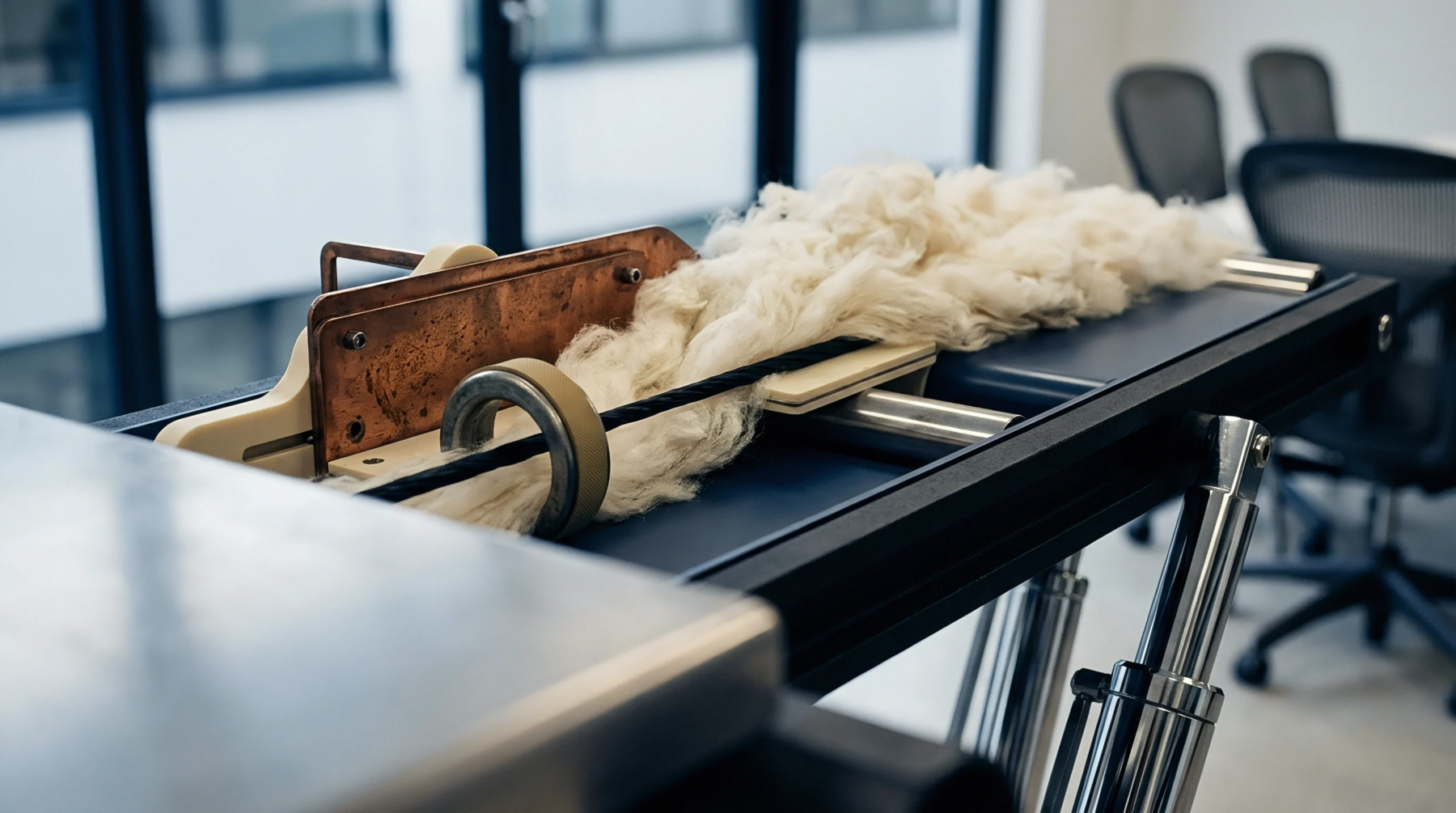
Loom-state material consists of woven or knitted fibers that have not yet undergone dyeing or finishing. While greige fabric appears off-white or yellowish due to natural impurities and sizing agents, it represents the fundamental structural state of the textile. This material is the standard starting point for converters who purchase bulk yardage for custom processing.
Surface Inspection
Quality control at this stage focuses on identifying weaving defects such as broken ends or oil stains. Because greige fabric has not been shrunk or heat-set, its width and density are different from the final specifications of the garment. Accurate grading ensures that the yield during the dyeing phase remains predictable.
Chemical Pretreatment
Scouring and bleaching remove the waxes and pectins that interfere with dye absorption. The history of the greige fabric, including the types of lubricants used during spinning, dictates the intensity of the cleaning required. Failing to remove these substances results in blotchy color or poor wash fastness in the end product.
Storage Condition
Humidity and light exposure must be controlled to prevent the degradation of the fibers or the growth of mildew. Protective wrapping keeps greige fabric clean during transit between the weaving mill and the dye house.