Greige Fabric Storage Requirements and Preservation Standards
Unfinished greige fabric preservation demands humidity control between 50 and 65 percent relative humidity to prevent size retrogradation and oil oxidation.
Shed
Unfinished woven and knitted goods leave the machinery carrying organic starch sizes, synthetic polyvinyl alcohol coatings, paraffin waxes, and unsaturated knitting oils. These chemical compounds protect warp yarns during weaving and loop formation, yet they render unwashed cloth sensitive to atmospheric conditions. Storage environments dictate whether these temporary processing aids remain benign or degrade into permanent fabric defects.
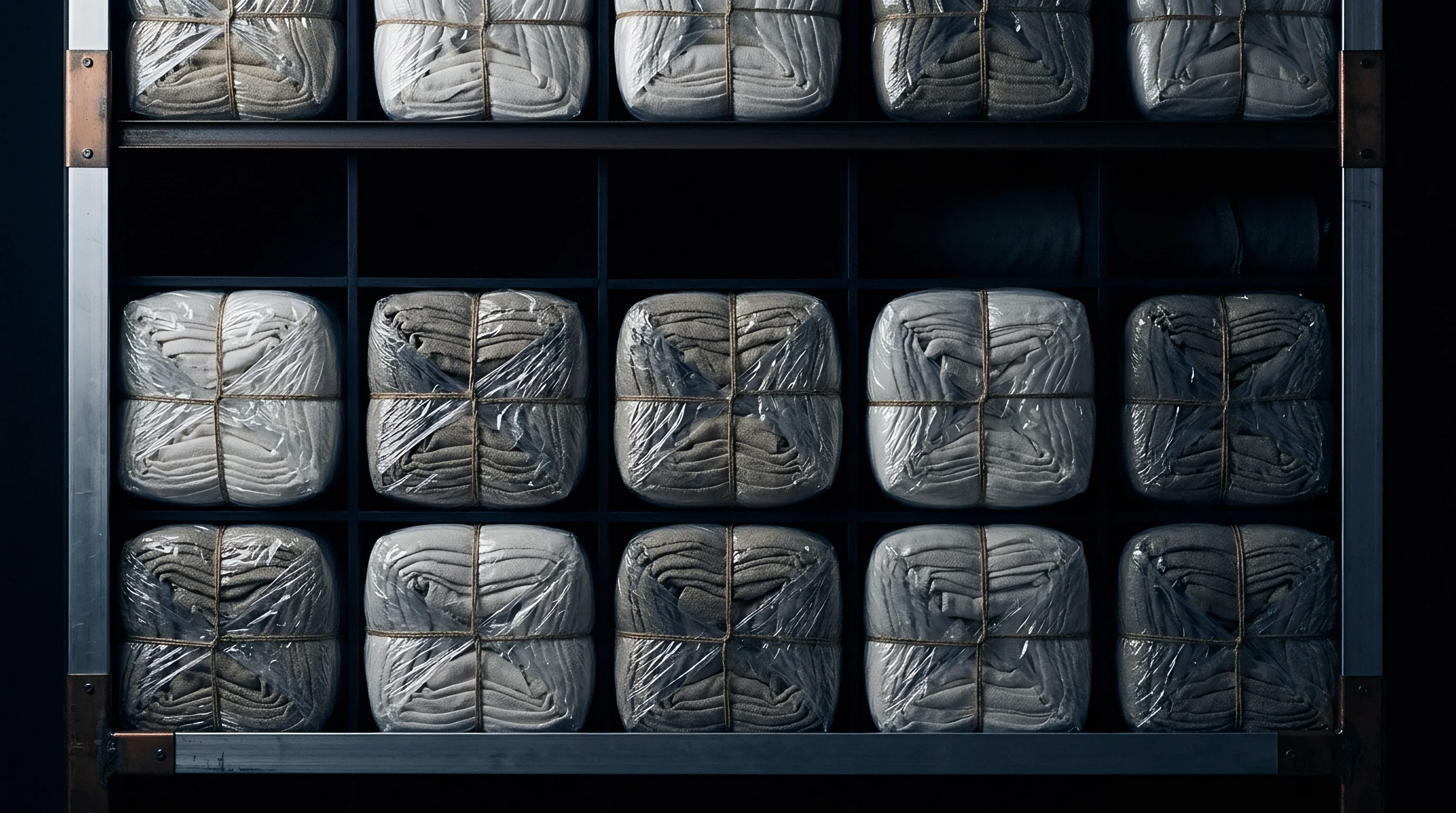
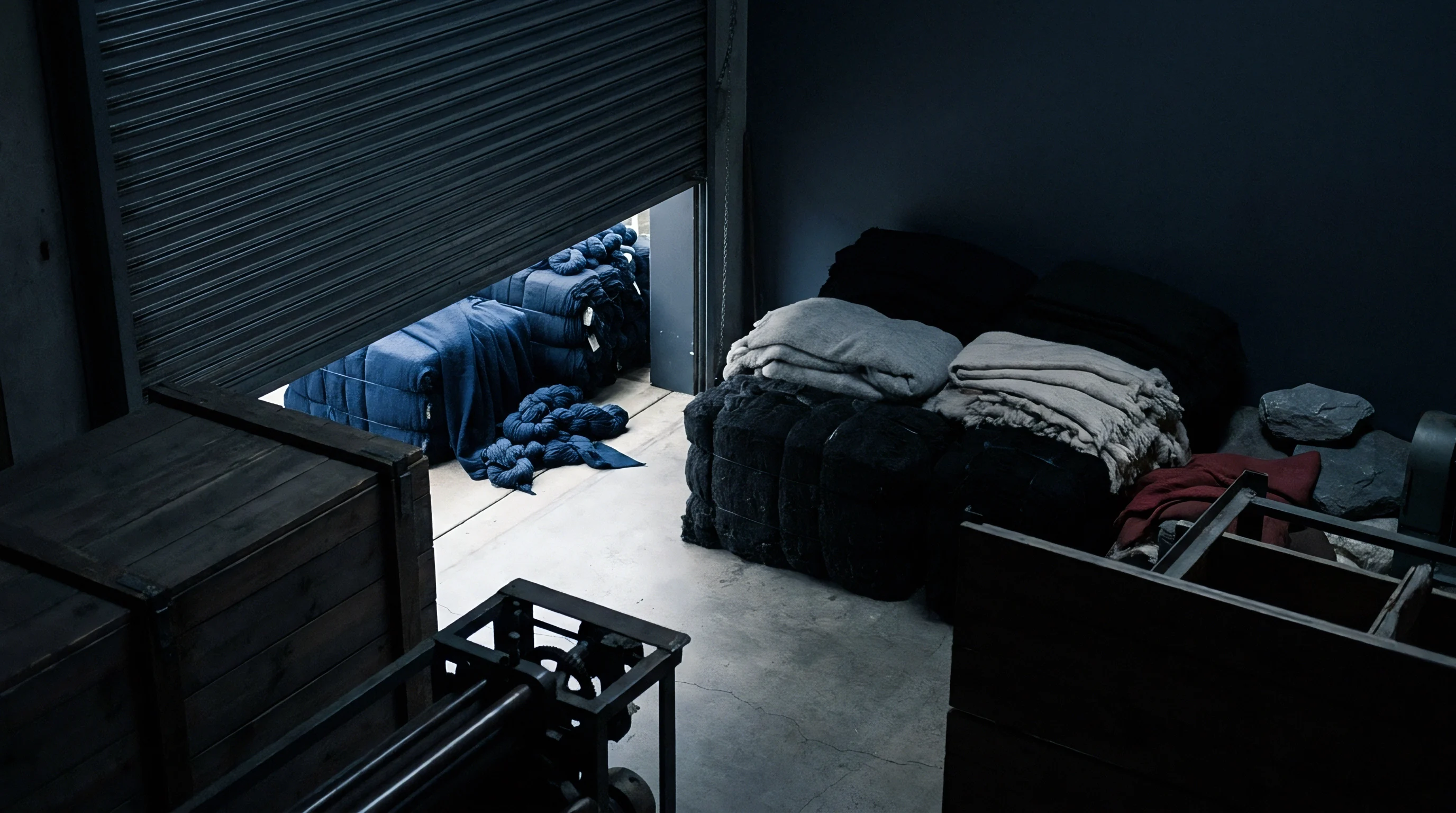
Raw grey cloth stored without environmental control undergoes physical pressure from stacked roll weight, chemical alteration of sizing agents, and physical distortion along the selvedges. Fabric rolls stored directly on concrete floors absorb ambient moisture through capillary action, causing localized fiber swelling and sizing hydration.

Structural Deformation under Static Mass
Stacking roll inventory without rack support induces physical deformation across the fabric package. The weight of upper rolls exerts continuous compression on lower tiers, crushing paperboard cores and flattening yarn crimp at contact points. This uneven compression creates localized density variations across the roll diameter, altering liquor pickup rates when crushed fabric feeds into continuous dye ranges and causing periodic transverse shade bands across the finished bolt.
Primary Storage Failure Modes
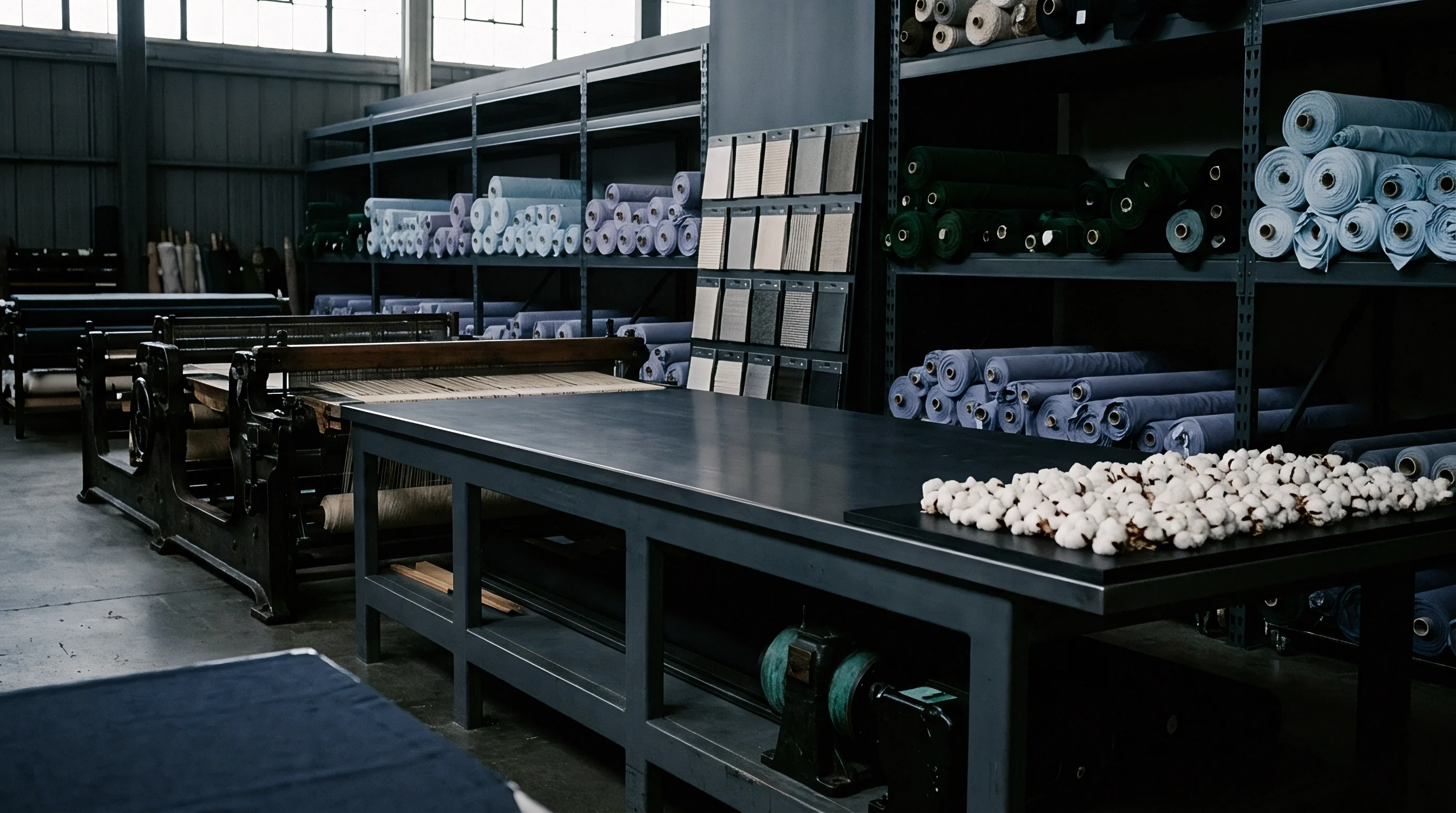
Physical breakdown during extended warehouse holding manifests through four primary failure mechanisms that directly affect cutting yield and finishing performance.
- Crease Setting Elevated relative humidity combined with persistent roll pressure sets sharp longitudinal creases across inner roll layers, creating permanent dye-resist lines during continuous wet processing.
- Roll Ovality Excessive stacking height collapses paperboard core tubes, converting cylindrical rolls into oval cross-sections that cause severe tension variations during unwinding on high-speed inspection frames.
- Edge Curling Unbalanced single jersey knits roll tightly at the selvedges when stored in dry environments, increasing fabric waste on cutting tables by three percent.
- Selvedge Tension Decay Differential moisture absorption between exposed roll ends and packed roll centers causes permanent differential stretch, resulting in wavy edges across finished rolls.
A static roll pile exceeding four tiers generates contact pressure above forty kilopascals on the bottom core, forcing irreversible crimp flattenings in cotton yarns within ninety days.
Neglecting weight limits on bottom-tier rolls forces early re-rolling cycles, adding zero point twelve US dollars per metre in handling costs before scouring begins.
Vapor
Atmospheric moisture dictates the chemical equilibrium of raw cellulosic and protein fibers during extended warehouse holding. Hydrophilic fibers adjust moisture content until reaching equilibrium with ambient relative humidity. Excessive humidity triggers fungal growth and sizing hydrolysis, while sub-zero or arid conditions embrittle sizing films.
Maintaining strict relative humidity windows prevents dimensional instability and localized sizing gelling inside tightly wound rolls.
Hygral Expansion and Moisture Equilibrium
Hydrophilic fibers adjust their internal moisture content continuously based on ambient vapor pressure. Cotton, viscose, and wool absorb substantial water mass from humid air, expanding in diameter and shrinking in length, which alters fabric tightness factor and mass per unit area while rolls sit on pallets. Synthetic fibers like polyester and nylon pick up minimal moisture directly into the polymer matrix, but capillary condensation between filament spaces creates damp pockets that nurture anaerobic bacteria.
| Fiber Blend Standard | Standard Moisture Regain Limit (%) | Target Storage Relative Humidity (%) | Target Temperature Range (°C) | Maximum Holding Duration (Days) |
|---|---|---|---|---|
| 100% Ring-Spun Cotton Woven | 8.5 | 55 – 65 | 18 – 22 | 365 |
| 50/50 Polyester/Cotton Blend | 5.0 | 50 – 60 | 18 – 24 | 365 |
| 100% Textured Polyester Filament Knit | 0.4 | 45 – 65 | 15 – 26 | 730 |
| 95/5 Cotton/Elastane Single Jersey | 8.0 | 50 – 60 | 18 – 20 | 180 |
| 100% Viscose Rayon Woven | 13.0 | 45 – 55 | 18 – 22 | 180 |
| Regain figures measured per ISO 139 standard atmosphere testing conditions of 20°C and 65% relative humidity. | ||||
Environmental Staging Procedure
Preparing raw goods for processing demands systematic acclimation to prevent thermal and hygral shock when rolls enter wet processing halls.
- Measure core temperature and internal moisture levels using needle probe insertion sensors placed into roll ends upon warehouse receiving.
- Move incoming fabric rolls into a climate-controlled acclimation staging zone held at twenty-one degrees Celsius for forty-eight hours prior to processing.
- Wrap opened rolls in transparent polyethylene sheathing immediately after cutting inspection swatches to prevent moisture absorption.
- Record ambient temperature and relative humidity twice daily to monitor dew point margins inside storage facilities.
Relative humidity spikes inside sealed poly wraps trigger localized starch retrogradation long before visible fungal spots form on the fabric face.
Storing greige goods in spaces subject to daily temperature swings causes condensation under plastic wrapping, ruining fabric faces without leaving dry water stains.
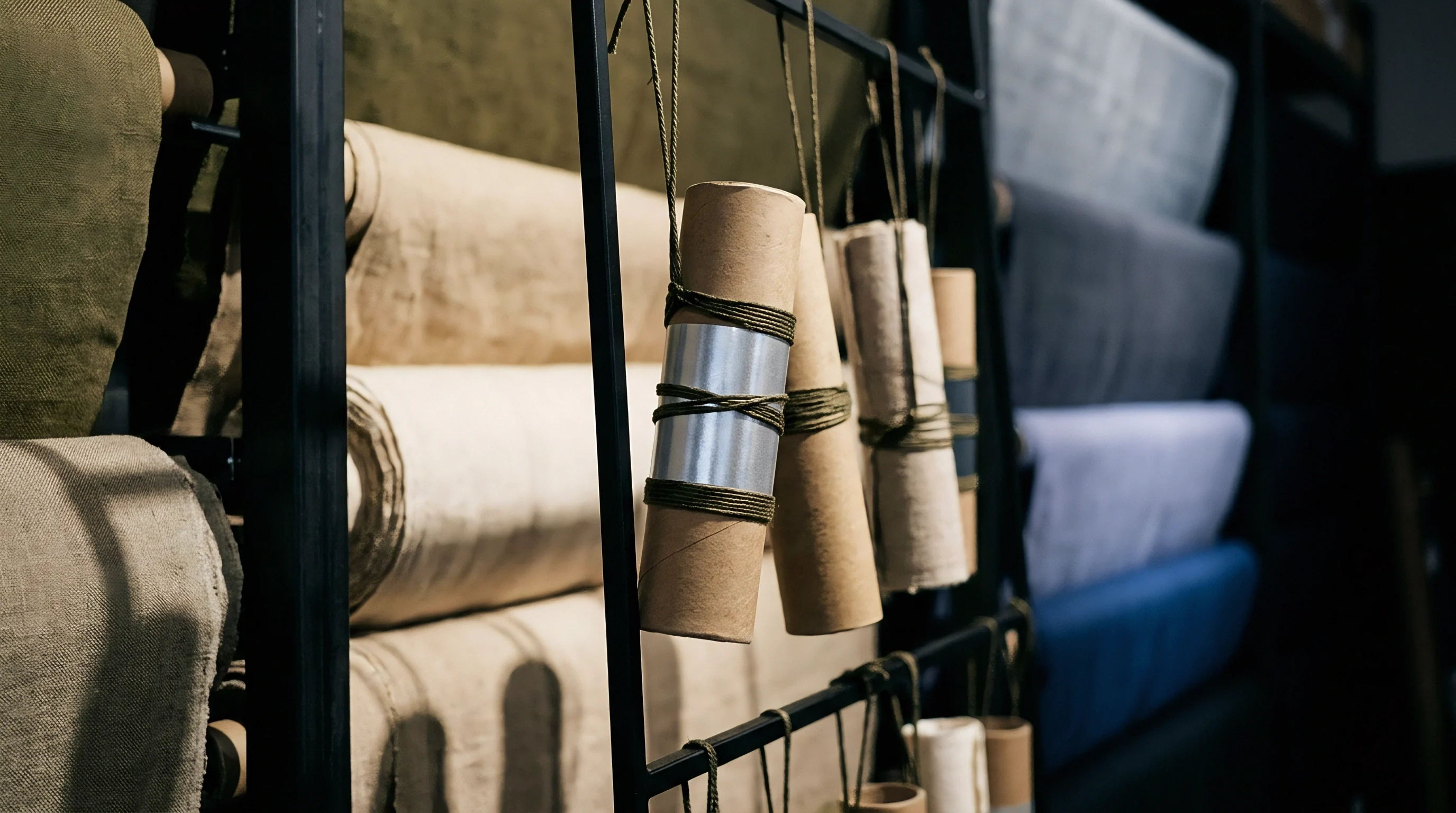
Oxidation
Spin finishes, coning oils, and synthetic sizing additives undergo continuous chemical breakdown when exposed to ambient oxygen and thermal variations over time. Vegetable-based lubricants and unsaturated synthetic esters cross-link under ambient oxygen, transforming soluble loom lubricants into insoluble varnish compounds that resist aqueous scouring baths and cause patchy dye uptake or streakiness in finished goods.
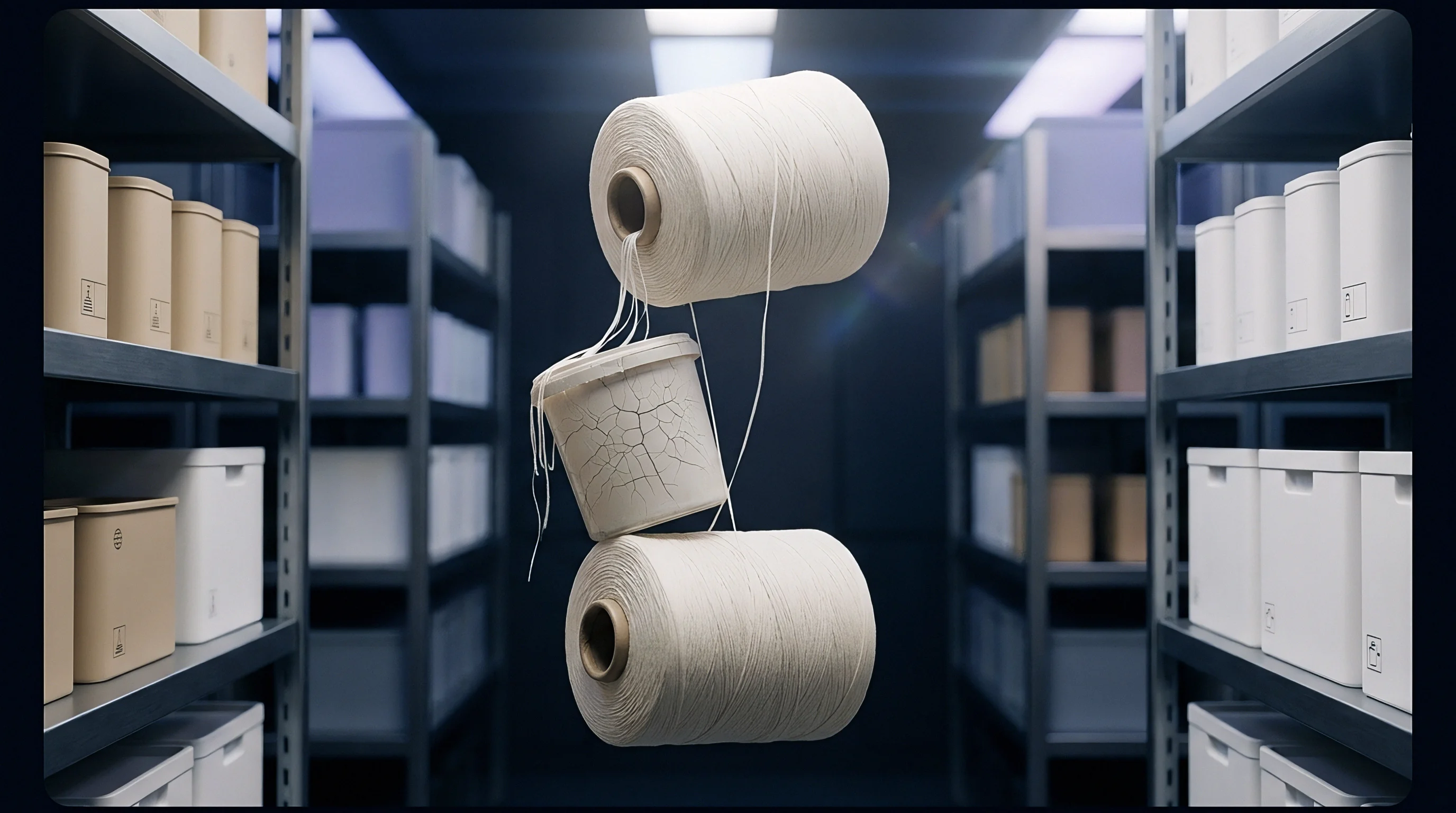
Chemical Aging of Spin Finishes and Sizes
Unsaturated fatty acids within natural yarn lubricants react with atmospheric oxygen through free-radical mechanisms, forming hydroperoxides that decompose into organic acids, aldehydes, and conjugated dienes. This alteration increases the molecular weight of the finish, elevating its melting point and reducing solubility in standard alkaline scour liquors. Starch sizes undergo parallel degradation when atmospheric moisture and mild acidity induce retrogradation, forming tightly packed crystalline starch structures that resist enzymatic breakdown during desizing baths.
How Does Long Term Storage Alter Peroxide Bleaching Demand?
Continuous chemical degradation during extended holding increases the chemical consumption required to reach target whiteness values in wet processing. For a bulk lot of 200 grams per square metre cotton twill woven fabric carrying a standard cornstarch and tallow size formulation, enzymatic desizing thirty days post-weaving removes ninety-eight percent of size solids using four grams per litre of sodium hydroxide and two grams per litre of enzyme product. Bleaching this fresh cloth to a CIE Whiteness index of 78 demands six grams per litre of fifty-percent concentration hydrogen peroxide.
When an identical roll lot remains in unconditioned storage for two hundred and seventy days at ambient temperatures averaging thirty degrees Celsius, oxidized tallow waxes and retrograded starch reduce desizing efficiency to seventy-four percent under identical bath parameters. Removing the cross-linked size residue forces the dyehouse to elevate sodium hydroxide concentrations to ten grams per litre and increase hydrogen peroxide dosing to eleven point five grams per litre to reach the target CIE Whiteness of 78. This chemical escalation adds zero point eighteen US dollars per finished metre in processing chemistries and reduces fabric strip tensile strength by twelve percent due to radical-induced oxidative damage to the cellulose polymer chain.
| Chemical Additive Class | Degradation Mechanism | Storage Trigger Condition | Wet Processing Consequence |
|---|---|---|---|
| Unsaturated Mineral Coning Oils | Free-radical oxidation forming yellow polymers | UV light exposure and temperature over 25°C | Permanent oil yellowing and uneven disperse dye absorption |
| Corn Starch Sizing Agents | Retrogradation and crystalline re-alignment | Relative humidity fluctuations above 65% | Incomplete enzymatic desizing and stiff fabric hand |
| Polyvinyl Alcohol (PVA) | Thermal cross-linking and insolubilization | Heat exposure exceeding 35°C | High hot-water scouring temperature requirement and sizing spots |
| Polyamide/Elastane Lubricants | Hydroperoxide formation and polymer embrittlement | Extended air exposure past 180 days | Elastane degradation, core breakage, and loss of elastic recovery |
ISO 105-X18 phenolic yellowing testing mandates a maximum optical density change of zero point two to prevent permanent shade casting in light-dyed fabrics.
Yellowed roll exterior faces rarely wash out completely during standard alkaline scouring without requiring extra hydrogen peroxide additions.
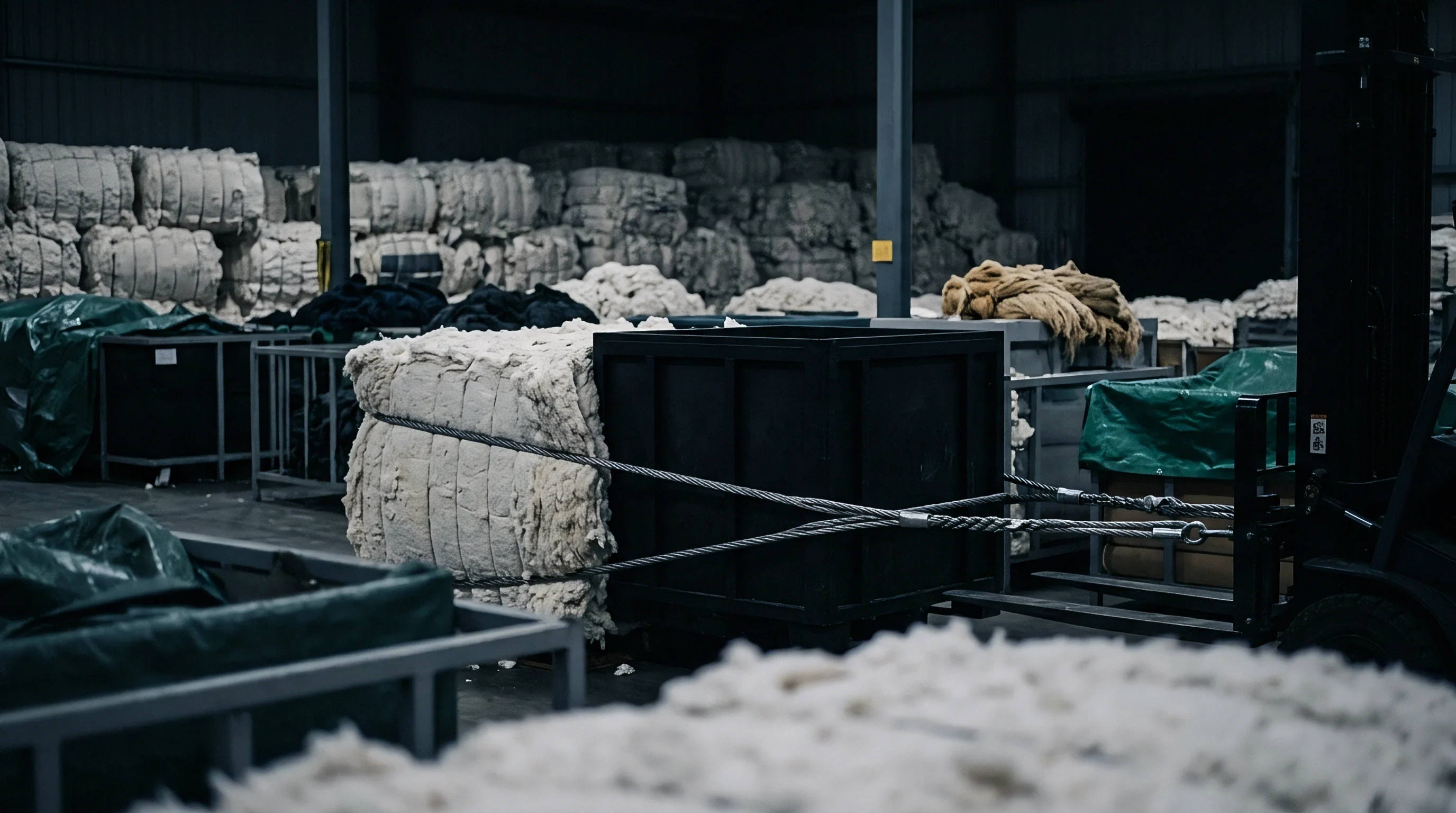
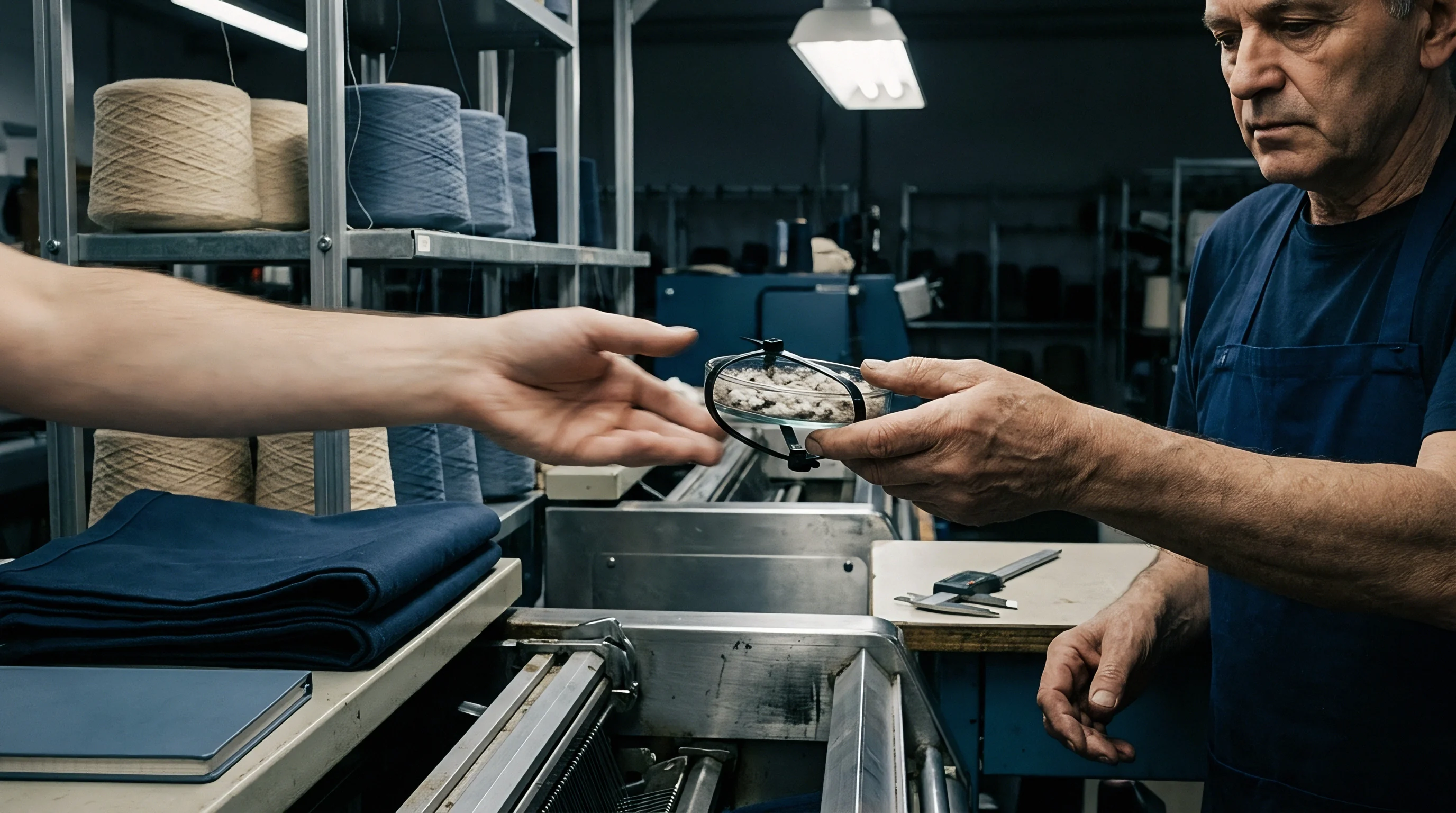
Rack
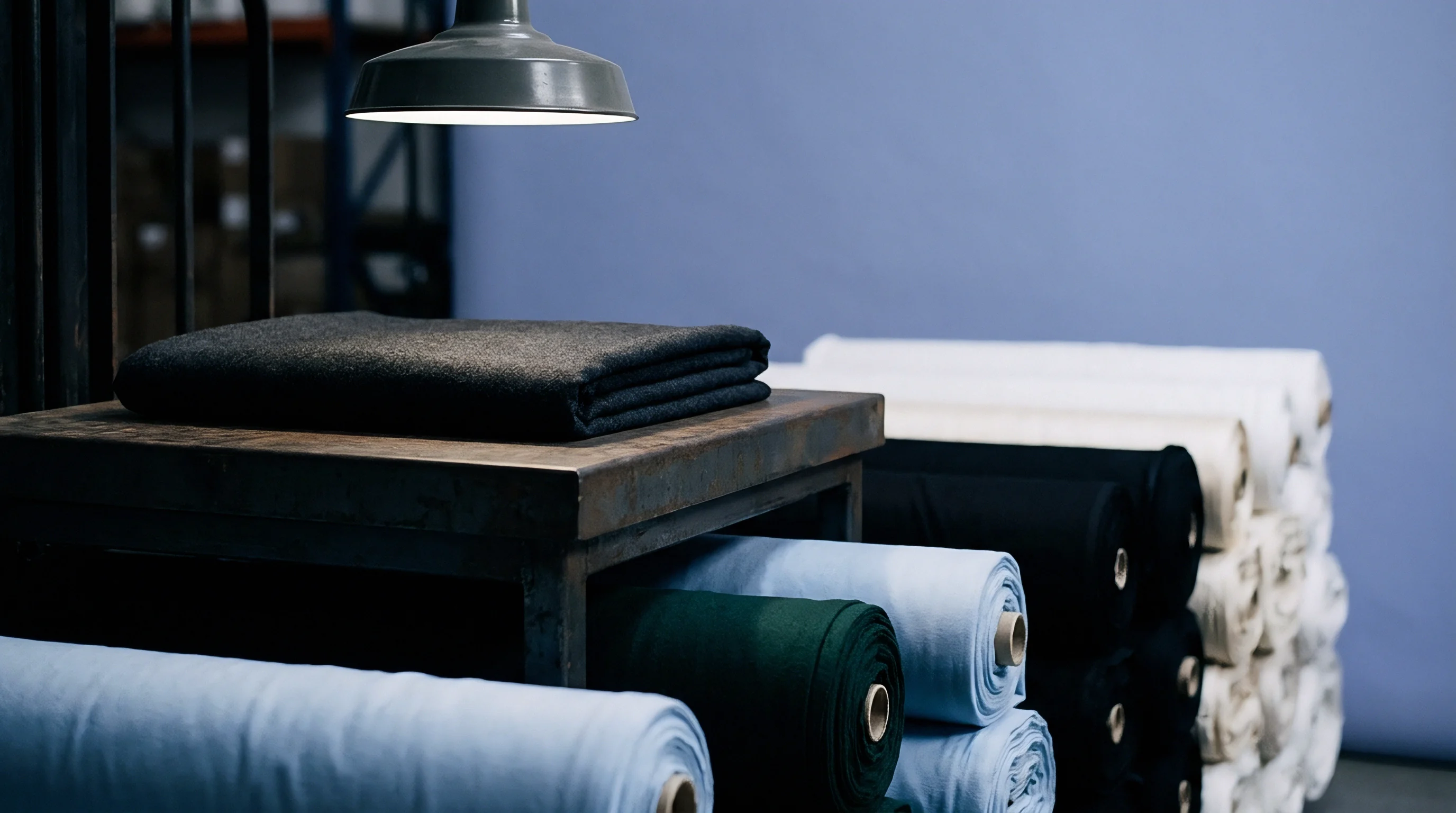
Vertical warehouse engineering dictates space efficiency while safeguarding the physical structure of rolled textile inventory. Floor stacking without structural support causes bottom-roll crushing, core collapse, and selvedge distortion. Cantilever racking and specialized roll cradles distribute static mass evenly, preserving roll roundness and fabric width uniformity.
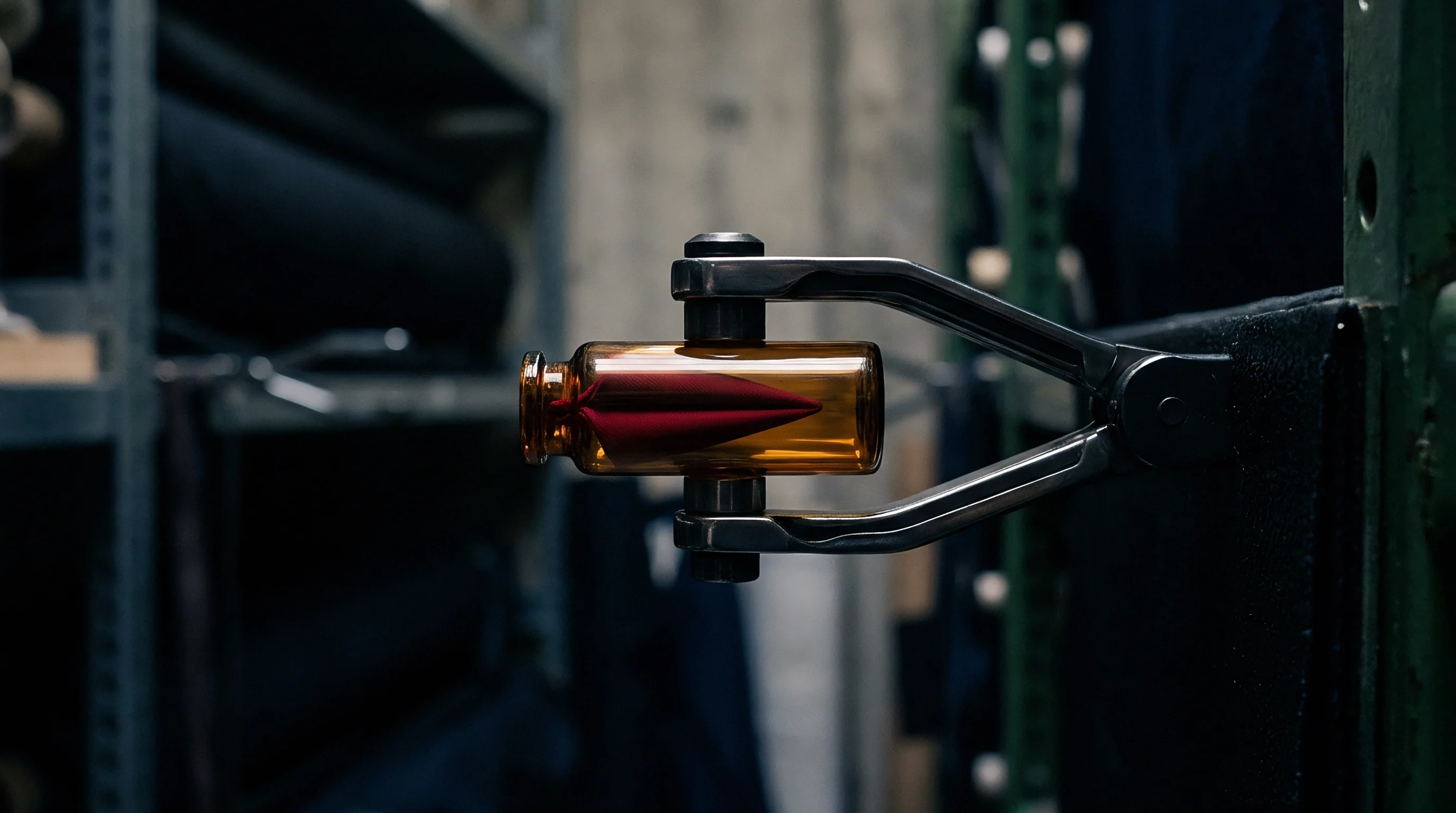
Roll Handling and Containment Hardware
Mechanical suspension systems preserve fabric roundness by supporting rolls through central steel pipes inserted through core centers. Suspended cradle racking eliminates surface contact pressure entirely, preventing flattened spots and longitudinal creasing across sensitive circular knits and elastomeric woven builds. Stacking pallets flat without vertical support frames pinches roll ends, leaving severe pressure marks that persist through stenter frame drying.
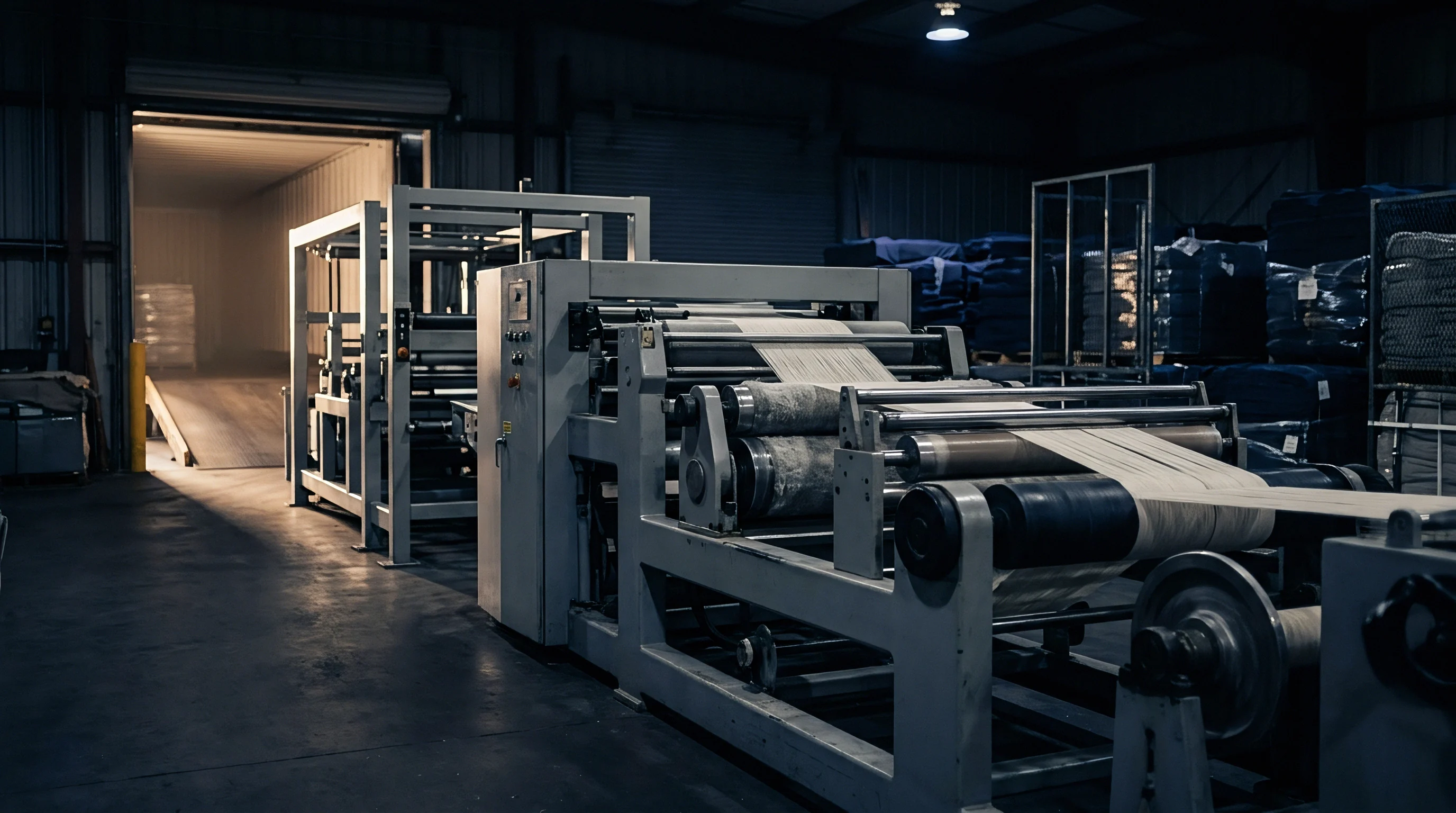
Preservation Packaging Specifications
Protective polymer film wrapping shields raw fabric packages from airborne particulates, humidity shifts, and light exposure during warehouse holding.
- Polyethylene Sheathing Density High-density polyethylene tubing with a minimum thickness of eighty micrometres prevents moisture vapor transport and physical puncturing during forklift movement.
- Core Tube Wall Thickness Spiral-wound paperboard tubes with a minimum wall thickness of eight millimetres prevent roll sag when suspended on cradle rack arms.
- Pallet Deck Gap Spacing Slatted wooden pallets demand maximum gap openings of two centimetres to prevent localized fabric sagging and pressure creasing under bottom roll tiers.
- Light Barrier Opacity Opaque UV-inhibiting plastic wrapping protects light-sensitive synthetic spin finishes from photo-oxidation near warehouse windows.
The standard storage preservation clause in international fabric conversion agreements mandates sellers to replace any roll whose core deformation exceeds five millimetres from true circular geometry.
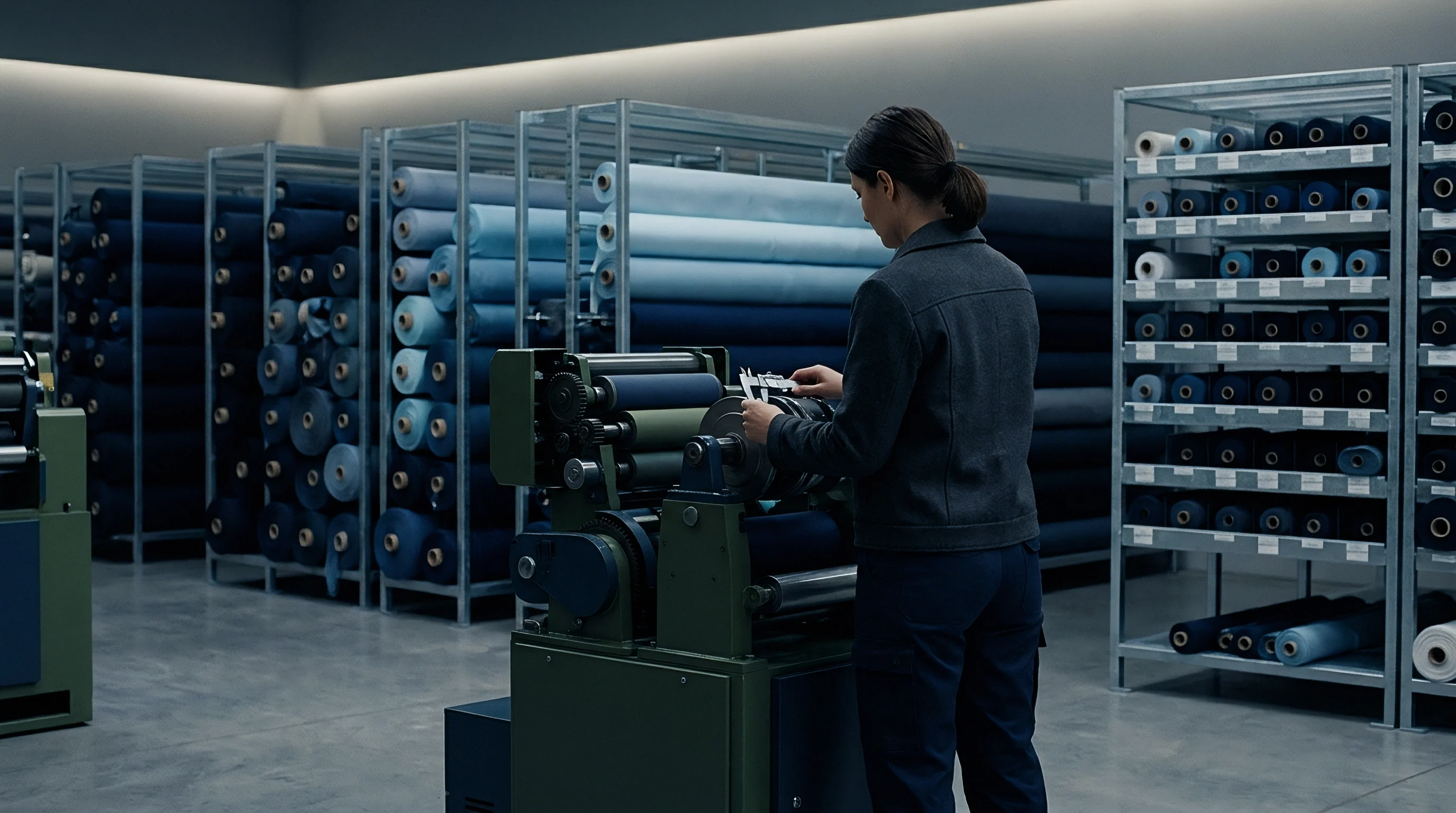
Lot
Quality verification prior to wet processing requires systematic sampling across aged roll inventories to quantify structural and chemical drift. Re-testing aging greige stock ensures that desizing, scouring, and dyeing parameters match the current chemical state of the fabric face, avoiding dye streaks, blotchy shades, and unexpected strength losses during bleaching.
Pre Processing Requalification Testing
Laboratory analysis of sample rolls selected from aged inventory identifies degradation prior to chemical processing. Technicians evaluate absorbency using AATCC 79 water drop absorbency methods to detect hydrophobic wax migration. Measuring residual sizing through iodine staining for starch or solvent extraction for mineral oils confirms whether standard wash recipes will successfully clear the fabric.
Tensile testing per ISO 13934-1 confirms whether fiber degradation occurred during prolonged holding under elevated thermal conditions.
Acceptance Sampling Thresholds
Statistical evaluation across delivered rolls establishes clear quality gates before releasing aged inventory into preparation ranges.
- Starch Sizing Absorbency AATCC 79 water drop absorbency time must remain under five seconds for scoured samples to confirm uniform dye liquor penetration.
- Tensile Strength Retention ISO 13934-1 strip tensile tests must show less than five percent strength loss compared to original loom-state retain swatches.
- Phenolic Yellowing Resistance ISO 105-X18 test rating must meet or exceed Grade 4 on the grey scale for staining to approve light shade dyeing.
- Residual Oil Content ISO 14389 solvent extraction must confirm residual spin finish levels below zero point five percent by dry fabric weight.
Unwashed greige goods stored past twelve months undergo localized crystallization of synthetic sizes, reducing desizing efficiency by thirty percent.
The exact threshold at which oxidized elastane lubricants cause permanent core breakage during continuous stenter drying varies across knitting operations.
Valuation
Inventory capital depreciation accelerates as raw fabric remains in storage beyond defined preservation windows. Holding greige goods ties up operating cash while increasing processing costs at the dyehouse, requiring discounts that reflect chemical degradation and physical rework expense.
Inventory Carrying Cost Mechanics
Financial overhead associated with fabric storage extends beyond warehouse floor rental fees. Carrying aged stock incurs financing interest, insurance premiums, re-testing labor expense, and chemical surcharges at the dyehouse. As raw fabric ages past six months, the risk of un-scourable oil spots and reduced dye affinity forces write-downs in inventory valuation to reflect necessary processing adjustments or restricted end-use applications.
| Aging Bracket (Days) | Risk Profile | Processing Cost Adjustment | Commercial Asset Valuation |
|---|---|---|---|
| 0 – 90 | Baseline Loom-State Integrity | Standard wet-processing cost | 100% Book Value |
| 91 – 180 | Minor Spin Finish Oxidation | + 3% to + 5% Scouring Surcharge | 95% Book Value |
| 181 – 365 | Moderate Sizing Stiffening & Yellowing | + 8% to + 12% Bleaching & Desizing Surcharge | 80% Book Value |
| 366 – 730 | Severe Oxidation & Mold Risk | Mandatory Re-Scouring & Dark Shade Re-Routing | 60% Book Value |
| > 730 | High Core Failure & Indissoluble Size | Salvage Scouring or Mechanical Re-use Only | 30% Book Value |
Calculating net asset value on aged greige stocks requires deducting both the anticipated dyehouse surcharge and the re-testing laboratory fees from the original purchase invoice figure.