Cross Contamination Risk Management and Chemical Extraction Limits for Greige Textile Sizing Auxiliaries
Verify greige chemical compliance through physical sizing cooker isolation, mass-balance audit trails, and matrix-compensated laboratory solvent extractions.
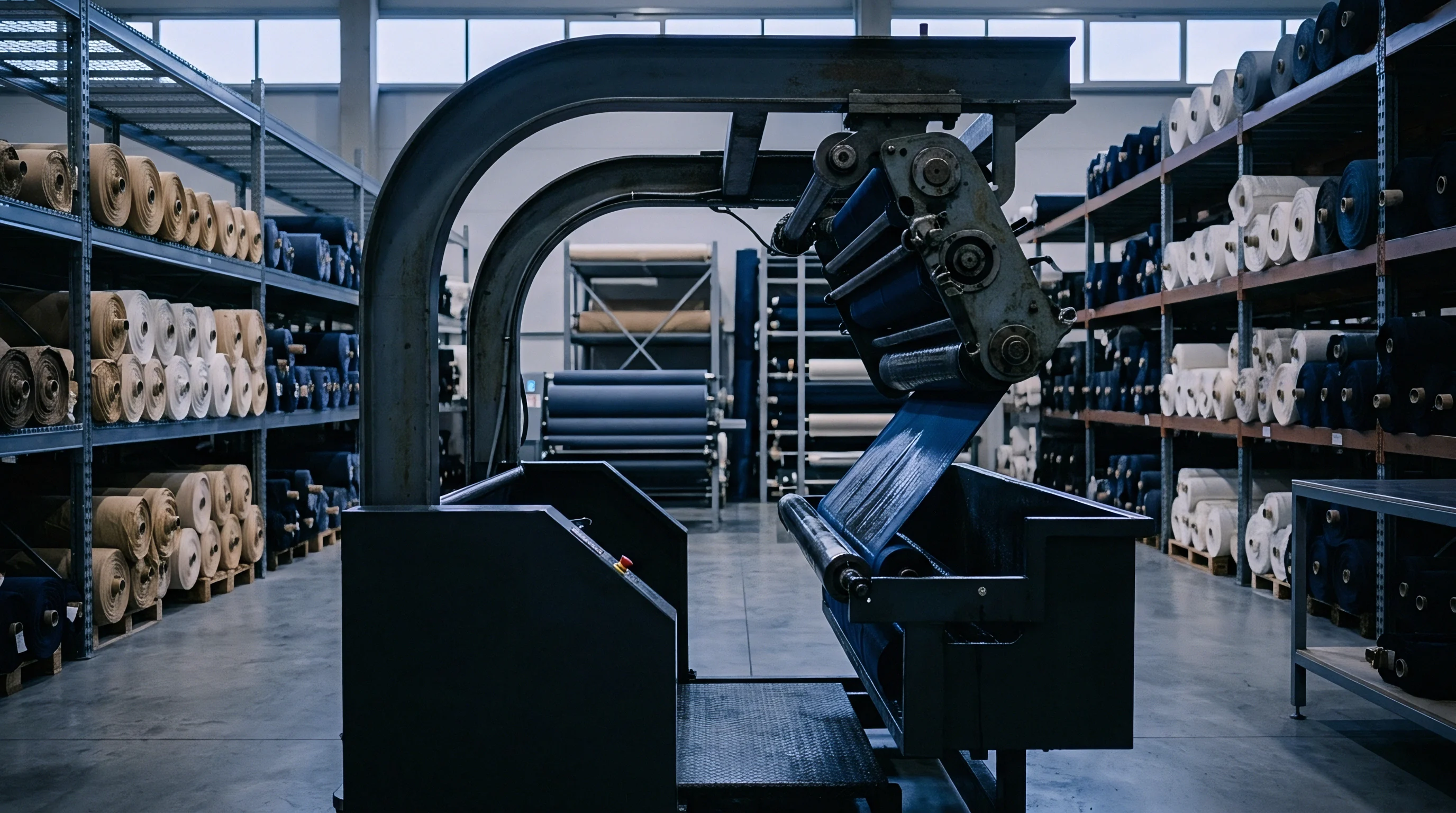
Trough
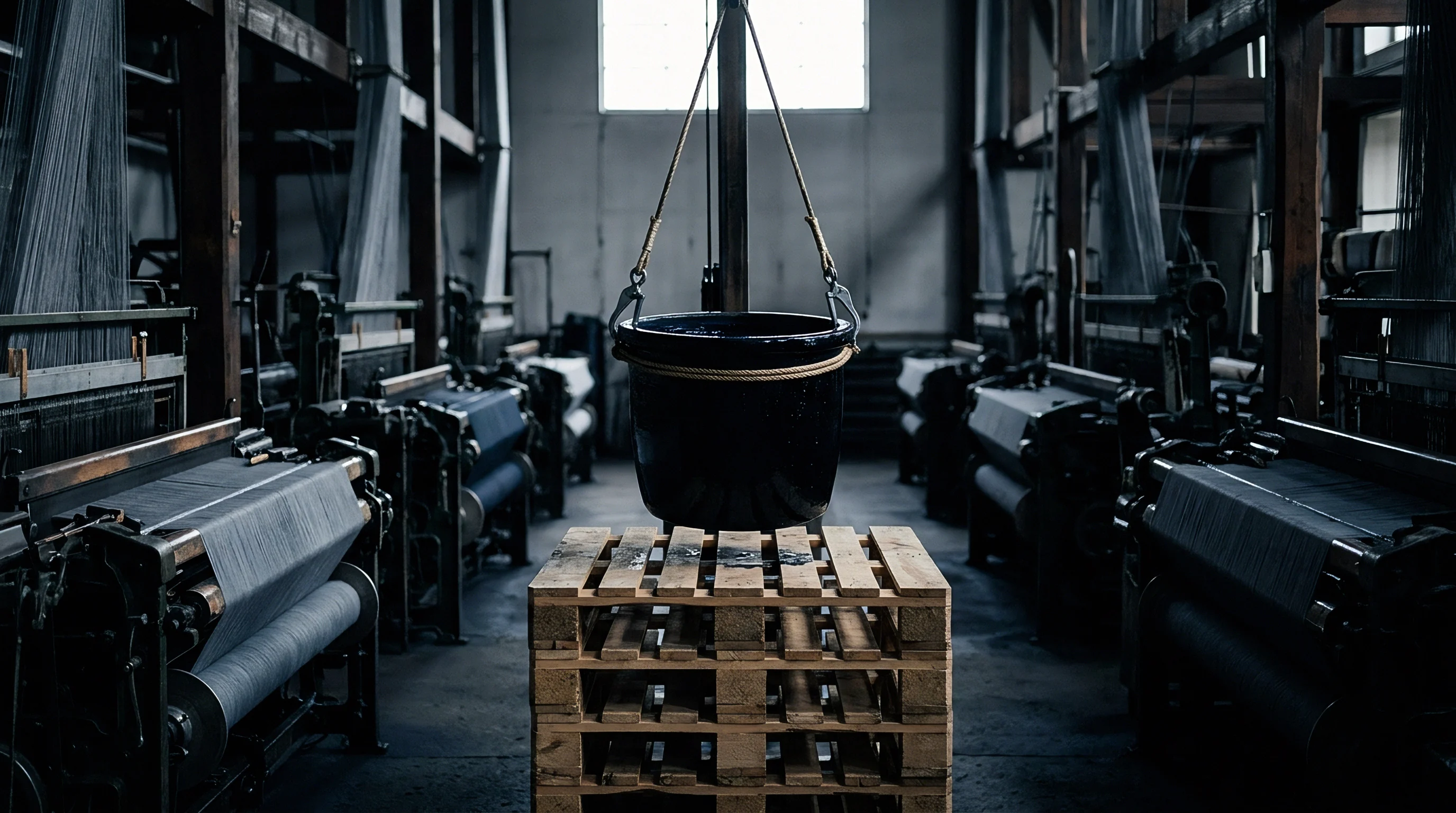
Greige yarn running through an industrial sizing box picks up more than modified starches, polyvinyl alcohol, and acrylic binders. It strips residue from the dry contact surfaces, draws contaminants from the shared liquor feed, and absorbs auxiliary formulations that carry unlisted chemical residues directly into the substrate. When an unwashed greige loom-state fabric lands in an analytical testing laboratory to verify restricted substance list compliance, the laboratory does not distinguish between intentional wet processing chemistry and accidental mechanical cross contamination.
The analytical detector registers the ion counts, and the laboratory issues a failure report against the buyer specification.
Modern high-speed air-jet and rapier weaving operations require high-performance sizing auxiliaries to reduce warp yarn hairiness, minimize friction against drop wires and heald frames, and prevent yarn breaks under dynamic tensions exceeding 300 centinewtons. These sizing auxiliaries include lubricating softeners, synthetic lubricants, antistatic agents, wetting penetrants, and liquid defoamers. Mills frequently blend commodity auxiliary formulations on the weave room floor in open-air compounding vessels.
These identical vessels, pump lines, and recovery troughs often handle raw sizing mixes for domestic greige qualities alongside export lots intended for strict zero-discharge chemical certification.
Cross contamination inside the sizing hall operates through three physical mechanisms: vessel residue carryover, recovered size liquor recirculation, and raw auxiliary batch cross mixing. Sizing cookers operating at atmospheric pressure or under low-temperature enzymatic conversion leave dried films of oxidized starch and synthetic esters on heating coils, agitator blades, and drain sumps. When a mill switches from a legacy contract running tallow-based mutton wax to an export warp requiring certified chemical compliance, these insoluble fatty residues disperse into the fresh auxiliary bath.
Alkylphenol ethoxylates historically used as emulsifiers in low-cost textile waxes migrate into the new formulation, depositing directly onto the cellulosic or synthetic filaments.
A shared sizing liquor preparation vessel carries residual nonylphenol ethoxylates across formulation switches through grease films bonded to unpolished steel.
The financial impact of an auxiliary cross contamination incident hits before dyeing and finishing. Importers buying loom-state greige goods for regional garment manufacturing routinely mandate compliance testing on the raw fabric roll to prevent contaminating their wet-processing dyehouse wastewater streams. A detected restricted substance on greige goods triggers purchase order cancellation, border holds under customs environmental screening, and total loss of greige material value.
Salvaging contaminated greige requires aggressive solvent scouring or hot caustic desizing, processes that destroy the fabric’s commercial classification as virgin loom-state goods and incur processing penalties exceeding forty percent of original invoice value.

Lubricant
Chemical sizing auxiliaries rely on complex surfactant systems and fatty esters to plasticize brittle starch or polyvinyl alcohol films. Understanding the restricted chemistry entering greige goods requires categorizing the active chemical functions present in commercial sizing auxiliary products.
Surfactant Systems and Residual Alkylphenols
Penetrating agents added to the sizing box lower the surface tension of the aqueous size mix, promoting uniform liquor absorption across high-twist warp yarns. Formulators historically deployed nonylphenol ethoxylates and octylphenol ethoxylates due to their low cost and stable hydrophilic-lipophilic balance across variable sizing liquor temperatures ranging from 60 to 95 degrees Celsius. In modern compliant supply chains, these branched nonionic surfactants are substituted with linear alcohol ethoxylates.
Cross contamination occurs when non-certified sizing penetrants, stored in bulk storage tanks without dedicated line isolation, enter the dispensing system through manifold leaks.
The breakdown products of these surfactants, specifically nonylphenol and octylphenol, demonstrate high persistence and bioaccumulation. Laboratory gas chromatography mass spectrometry testing identifies these compounds on greige yarns even after high-temperature drying over sizing cylinder cans. The analytical limit of quantification for alkylphenols sits at 10 milligrams per kilogram across major restricted substance standards.
A cross contamination event introducing as little as 50 grams of legacy auxiliary into a 1,000-liter size preparation tank causes greige fabric to fail this limit immediately upon testing.

Fatty Softeners and Polycyclic Aromatic Hydrocarbons
Lubricating waxes added to the size formulation reduce the dynamic coefficient of friction of warp yarns during reed beat-up. These softeners contain synthetic paraffinic waxes, hydrogenated triglycerides, microcrystalline waxes, and emulsifying bases. Low-grade petroleum-derived paraffin waxes contain residual polycyclic aromatic hydrocarbons generated during unrefined crude oil cracking processes.
When mills procure uncertified sizing lubricants to lower cost margins, polycyclic aromatic hydrocarbons such as benzo pyrene, chrysene, and phenanthrene migrate into the sizing box matrix.
Cross contamination extends beyond the immediate lot through the size recovery system. Mills utilizing ultrafiltration membrane units to recover unused polyvinyl alcohol from desizing wash water concentrate these lipophilic contaminants. The recovered polyvinyl alcohol concentrate, reintroduced into the virgin sizing formulation, carries concentrated polycyclic aromatic hydrocarbons back into the sizing trough.
Greige yarn coated with this recovered mix shows variable polycyclic aromatic hydrocarbon concentrations across the weaving lot, producing intermittent pass and fail analytical results across roll inspections.

Defoamers and Organotin Catalysts
Vigorous mechanical agitation in the size box produces foam that causes size film discontinuities and yarn breakages during weaving. Sizing defoamers deploy polyether-modified polysiloxanes or mineral-oil-based hydrophobic silica dispersions. The synthesis of silicone polyethers frequently utilizes organotin catalysts, including dibutyltin and dioctyltin compounds.
Unrefined silicone defoamer lots contain residual organotin species that deposit on greige yarns during sizing.
Organotin compounds bind tenaciously to cotton cellulose via hydroxyl group coordination and persist on polyester filament surfaces through dispersion forces. Sizing auxillary manufacturers operating multi-product chemical synthesis lines often use organotin catalysts for unrelated esterification batches. Failing to execute chemical vessel line flushes between product cycles leads to batch contamination of certified silicone defoamers, generating organotin levels on greige yarn between 0.05 and 0.5 milligrams per kilogram against an absolute detection threshold of 0.02 milligrams per kilogram.
| Auxiliary Function | Target Chemistry | Cross Contaminant Risk | Typical Method Limit |
|---|---|---|---|
| Yarn Lubricant | Hydrogenated Triglycerides | Polycyclic Aromatic Hydrocarbons | 0.20 mg/kg |
| Wetting Penetrant | Alcohol Ethoxylates | Alkylphenol Ethoxylates | 10.00 mg/kg |
| Sizing Antistat | Quaternary Ammonium Salts | Residual Free Amines | 5.00 mg/kg |
| Mechanical Defoamer | Polyether Polysiloxanes | Dibutyltin Compounds | 0.02 mg/kg |
| Film Plasticizer | Polyethylene Glycol Esters | Orthophthalate Plasticizers | 50.00 mg/kg |
The standard supply agreement allows mills to submit safety data sheets claiming auxiliary components are fully biodegradable. Safety data sheets omit impurities below one percent concentration, blinding the buyer to sub-part-per-million contaminants that trigger analytical laboratory rejections.

Limit
Regulatory frameworks and chemical certification standards enforce strict quantitative limits on greige textile substrates. These limits dictate maximum allowable concentrations of extractable and total chemical species extracted directly from loom-state fabrics prior to any wet processing or finishing step.

Analytical Extraction Parameters
Measuring chemical residues on greige goods requires solvent extraction techniques that separate the target analytes from the starch-polymer sizing matrix. The efficiency of extraction depends entirely on solvent polarity, matrix dissolution, temperature, and agitation mechanism. Laboratorial testing under standards such as DIN EN ISO 18254-1 utilizes methanol extraction under ultrasonic agitation at 60 degrees Celsius for 60 minutes to quantify extractable alkylphenol ethoxylates.
Sizing starches do not dissolve completely in methanol, causing a portion of the hydrophobic contaminants to remain entrapped within the crystalline starch film on the yarn surface.
Alternative extraction protocols under development utilize enzymatic alpha-amylase digestion to degrade the starch matrix prior to liquid-liquid extraction with dichloromethane. Enzymatic matrix digestion releases sequestered contaminants, yielding analytical concentrations up to 35 percent higher than direct methanol extractions on identical greige samples. A mill demonstrating borderline compliance under standard methanol extraction tests will fail when the auditor’s laboratory applies an enzymatic digestion protocol to free the entrapped sizing auxiliaries.
This analytical variance creates commercial disputes between mills and buyers over whether an extraction threshold was breached.

Comparative Regulatory and Certification Thresholds
Global compliance regimes diverge in their specific concentration limits and target compound lists for unwashed textiles. Certification programs such as OEKO-TEX Standard 100 Class I for baby articles enforce the tightest extraction limits, while REACH Annex XVII regulations govern legal minimums for commercial entry into the European Union. Testing laboratories evaluate greige fabrics against these standards depending on the stated end-use class declared on the test submission sheet.
| Chemical Substance Group | REACH Annex XVII Limit | OEKO-TEX Standard 100 Class I | ZDHC MRSL Conformance Level 3 |
|---|---|---|---|
| Nonylphenol and Octylphenol | 100 mg/kg (combined) | 10 mg/kg (individual) | 2 mg/kg (in formulation) |
| Alkylphenol Ethoxylates | 100 mg/kg (sum) | 100 mg/kg (sum) | 20 mg/kg (in formulation) |
| Sum of 18 PAHs | 1 mg/kg (selected) | 0.2 mg/kg (sum) | Not Applicable to Substrate |
| Dibutyltin Compounds | 1000 mg/kg (tin content) | 0.02 mg/kg (extractable) | 5 mg/kg (in formulation) |
| Extractable Heavy Metals: Lead | 500 mg/kg (total content) | 0.2 mg/kg (extractable) | Not Applicable to Substrate |
| Short-Chain Chlorinated Paraffins | 1000 mg/kg (EU POPs) | 50 mg/kg (sum) | 10 mg/kg (in formulation) |
| Thresholds represent concentration in milligrams per kilogram of dry textile substrate, or auxiliary formulation as indicated. | |||
A significant commercial risk arises when buyers confuse Zero Discharge of Hazardous Chemicals manufacturing restricted substance limits with textile substrate limits. The manufacturing restricted substance list governs chemical auxiliary formulations as delivered in drums, not the finished greige cloth. An auxiliary meeting chemical input limits can still accumulate on the greige fabric to concentrations that breach end-product certifications if the mill applies high size add-on percentages exceeding 14 percent by weight of the warp sheet.
Under Section 4 of the Standard Cotton Purchase Agreement, an auxiliary residue failure on loom-state cloth cancels downstream processing obligations immediately.
The persistence of short-chain chlorinated paraffins in sizing lubricants represents a high-risk compliance barrier. Chlorinated paraffins function as secondary extreme-pressure lubricants in heavy-duty warp sizing for technical canvas weaves. European Union Persistent Organic Pollutants Regulation updates restrict short-chain chlorinated paraffins to a threshold of 100 milligrams per kilogram, lowering to 50 milligrams per kilogram under recent revisions.
Sizing auxiliary suppliers using re-refined oils often introduce trace chlorinated paraffins without documentation, causing unwashed greige fabric lots to violate border surveillance screening standards in import ports.

Matrix
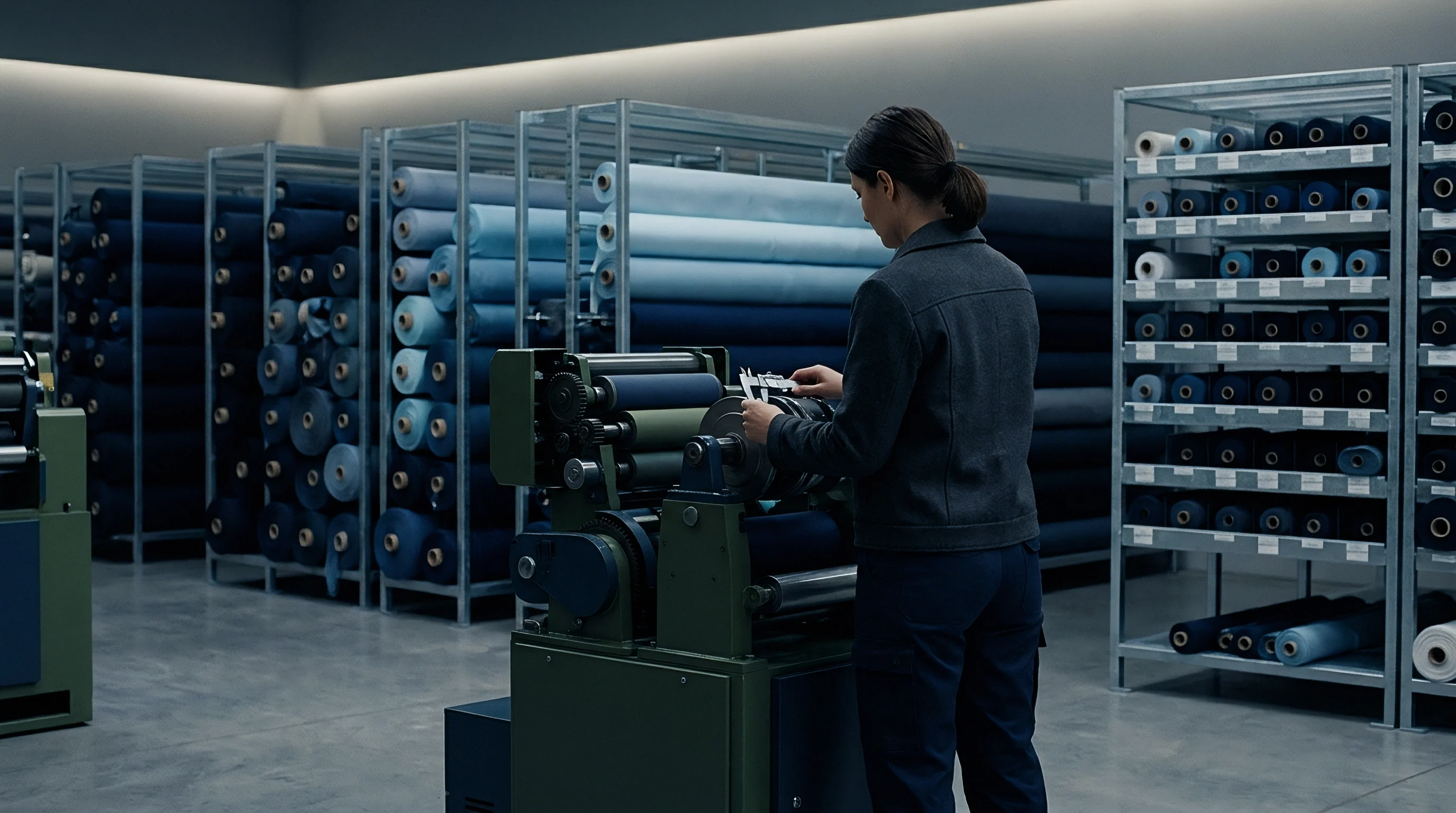
The analytical chemistry of greige textile analysis is complicated by the presence of the sizing compound matrix itself. Loom-state fabrics contain high concentrations of natural starch, carboxymethyl cellulose, polyvinyl alcohol, acrylic acid copolymers, and polyester resins. This chemical composite interferes with standard extraction techniques and instrument chromatography.

Ion Suppression and Chromatographic Co-Elution
Liquid chromatography tandem mass spectrometry used for quantifying trace surfactants suffers from severe matrix effects when analyzing greige textile extracts. Natural sizing starches contain indigenous fatty acids, waxes, and plant sterols that co-extract with nonionic surfactants during organic solvent leaching. When these non-target macromolecules enter the mass spectrometer electrospray ionization source, they compete for electrical charge with target analyte ions, causing substantial ion suppression.
Uncorrected ion suppression obscures the true concentration of nonylphenol ethoxylates, leading to false-negative laboratory reports. Conversely, when co-eluting matrix components fragment into ion fragments sharing identical mass-to-charge ratios with target compounds, false positives occur. Overcoming this analytical matrix effect requires laboratories to perform matrix-matched calibration or utilize isotope-labeled internal standards, such as deuterated nonylphenol ethoxylates.
Most commercial testing facilities omit internal standard correction on routine commercial screens due to the high cost of labeled reference materials, creating an analytical margin of error exceeding 40 percent on greige substrate testing.

Solvent Leaching Thermodynamics
The thermodynamic recovery of trace contaminants from coated yarn depends on the physical state of the polymeric size film. Glass transition temperatures of polyvinyl alcohol films change dramatically with ambient humidity and plasticizer concentrations. Below the glass transition temperature, the polyvinyl alcohol matrix acts as a glassy barrier that impedes the diffusion of heavy organic molecules, such as phthalate plasticizers and fluorinated surfactants, into the extraction solvent.
Analytical extractions executed at room temperature fail to liberate trapped chemical residues, yielding artificially compliant readings. When the laboratory raises the extraction bath temperature above 70 degrees Celsius, the polyvinyl alcohol film relaxes, increasing molecular free volume and liberating the entrapped auxiliary chemistries. Extraction protocols lack universal standard operating temperatures across commercial test houses, meaning a greige fabric sample tested in Shanghai can show passing compliance while the duplicate clearance sample tested in Rotterdam generates an immediate regulatory violation.
The chemical stability of auxiliary residues on greige goods during prolonged warehouse storage introduces additional analytical variability. Certain fatty ester softeners undergo slow atmospheric oxidation and hydrolysis, breaking down into free fatty acids and lower molecular weight components that skew chromatographic baselines. Samples stored in non-climate-controlled port warehouses under high humidity conditions for more than 45 days demonstrate altered extraction profiles compared to baseline roll cuts taken directly at the loom off-take roller.

Sweep
Controlling chemical cross contamination across greige manufacturing facilities requires structured physical cleaning regimens, documented chemical handling controls, and rigorous segregation of equipment across the preparatory weaving stages. Relying on paper compliance certificates without on-site mechanical segregation invites chemical failures.
Warp sizing operations involve multi-stage mechanical equipment connecting chemical mixing vessels to the running warp yarn. A comprehensive cross contamination prevention sweep addresses every fluid transfer surface, chemical line, storage barrel, and running machine element across the weaving preparation department.
- Cooker Flush Protocols execute between every auxiliary changeover using high-temperature aqueous flushes containing 2 grams per liter of sodium carbonate to saponify residual fatty lubricants and disperse film residues.
- Dedicated Transfer Lines eliminate residual mixing across formulations by installing separate stainless-steel supply manifolds for certified export lots and conventional domestic sizing operations.
- Storage Tank Isolation prevents incidental chemical blending by removing shared transfer loops, sealing auxiliary bulk tote ports with numbered tamper seals, and color-coding dispensing buckets.
- Size Box Draining purges residual liquor from the bottom trough after every beam set change, running fresh hot water over the immersion rollers and squeeze rolls to remove dried sizing crusts.
- Membrane Permeate Verification monitors recycled water quality from polyvinyl alcohol recovery systems through periodic total organic carbon testing to prevent contaminant recycling back into the process.
The application of hot alkaline flushes between sizing batches removes residual grease layers where hydrophobic contaminants settle. Water-only rinsing leaves an invisible monomolecular lipid layer on stainless-steel tank walls. This lipid layer acts as a stationary phase, absorbing hydrophobic contaminants such as polycyclic aromatic hydrocarbons from non-compliant formulations and releasing them into subsequent runs of certified sizing mixes.
Implementing a verified chemical CIP (clean-in-place) cycle reduces auxiliary carryover by more than 98 percent relative to standard hot water flushing.
A physical inspection showing green rubber discharge hoses shared between sizing mixers indicates that chemical segregation controls have failed.
Woven fabric quality managers often assume the weaving loom itself does not contribute chemical contaminants to greige cloth. Drop wires, heald frames, and reed blades require periodic cleaning and lubrication to prevent mechanical friction breaks. Weavers frequently apply uncertified solvent-based reed cleaners and spray lubricants directly onto warp sheets during active production stops.
These chemical sprays contain chlorinated solvents and mineral oils that coat the greige yarn, creating localized zones of intense chemical contamination that will fail regulatory extraction limits on finished roll inspections.
Audit
Verifying chemical compliance in greige textiles requires an unbroken chain of physical custody, precise lot sampling methodology, and rigorous review of chemical transaction documentation. Paper certificates of analysis supplied by chemical auxiliary manufacturers often mask significant operational non-conformities.
Can Fabric Audits Reliably Detect Trace Auxiliary Cross Contamination?
Testing greige fabrics through random spot sampling frequently fails to detect cross contamination events due to the discontinuous nature of sizing machine operations. When a contaminated auxiliary batch enters the sizing process, the contamination profile varies across the length of the warp beam set. The lead ends of the warp yarns run through the sizing box immediately following an incomplete flush encounter the highest concentration of chemical residues, while yarn sizing executed toward the end of the run exhibits diluted contaminant profiles.
To overcome this sampling bias, an audit protocol targets specific high-risk zones across the production cycle. Auditors sample greige fabric cuts representing the immediate start of weaving from a newly mounted warp beam, the transition point between size cooker batches, and fabric produced immediately following an extended loom maintenance stop. Pulling fabric swatches exclusively from the outer wraps of randomly selected fabric rolls in the warehouse misses the localized chemical spikes caused by process changeovers.

Documentary Reconciliation and Mass-Balance Calculations
A paper audit of chemical auxiliary compliance compares purchased quantities of certified chemicals against the total square meters of greige fabric produced by the weaving mill. Mills claiming full compliance with zero-discharge chemical standards must demonstrate that the mass balance of certified sizing softeners, defoamers, and penetrants matches the physical consumption requirements calculated from size recipe sheets and fabric production volumes.
Calculating mass balance reveals hidden chemical substitution. If a mill produces 500,000 meters of certified greige cotton fabric requiring a 10 percent size add-on with a 5 percent softener component within the size mix, the facility must account for 2,500 kilograms of certified softener consumption. If chemical purchase invoices and warehouse dispatch records show only 1,000 kilograms of certified auxiliary procured over that operating period, the remaining 1,500 kilograms of sizing auxiliary came from uncertified inventory.
This mass-balance discrepancy serves as definitive grounds for rejecting lot certification files without waiting for analytical laboratory results.
Chain-of-Custody Testing and Retest Arithmetic
When an analytical laboratory returns a failed test result for a greige fabric lot, mills routinely request an immediate retest, claiming laboratory contamination or testing error. Accepting an unverified retest protocol exposes the buyer to massive commercial risk. Standard commercial contracts mandate that any retest protocol involve a composite sampling strategy across multiple rolls, with sample preparation executed under direct buyer supervision.
Retest protocols evaluate the statistical variance between primary and secondary test lots. If the initial test on a greige lot identifies nonylphenol ethoxylates at 140 milligrams per kilogram against a 100 milligram per kilogram threshold, a retest showing 85 milligrams per kilogram does not prove lot compliance. It demonstrates high chemical heterogeneity within the fabric rolls, confirming that cross contamination occurred during the sizing or weaving phase.
A defensible compliance dossier requires all sampled rolls across the production lot to sit consistently below the limit of quantification.
The cost of a comprehensive chemical audit and analytical clearance testing program represents a fraction of the total commercial risk exposure. A complete analytical screen encompassing alkylphenols, polycyclic aromatic hydrocarbons, organotins, heavy metals, and plasticizers costs approximately 900 to 1,400 US dollars per fabric quality. Retaining unverified greige goods in customs detention or attempting to re-scour finished inventory at commercial dyehouses generates financial losses running into tens of thousands of dollars per shipping container, establishing the audit protocol as an operational necessity for cross-border textile sourcing.
The commercial responsibility falls squarely on the purchasing team to inspect the physical sizing room floor, verify auxiliary dispensing pump configurations, and confirm that the chemical products loaded into the size cooker correspond directly to the lot numbers declared on the compliance dossier.