
Tier Two Chemical Compliance Auditing Schedule Parameters
Tier two chemical audit schedules must prioritize wet-processing recipe risk and inventory mass balance over factory volume or static annual cycles.
Tier two chemical audit schedules must prioritize wet-processing recipe risk and inventory mass balance over factory volume or static annual cycles.

Desorption of polar solvents from crosslinked polyurethane requires thermal energy above the network glass transition temperature to release hydrogen-bonded fraction.

Enforceable conversion contracts bind wet processors to restricted substance lists through technical annexes, accredited batch testing, and quarantine holds.

Automated potentiometric titration using double-junction glass electrodes resolves active hydroxide and carbonate alkalinity in high-salinity reactive dye baths.

ISO 18218-1 LC-MS/MS testing after 50 °C methanol extraction provides the definitive quantitative benchmark to verify 100 mg/kg fabric ethoxylate limits.
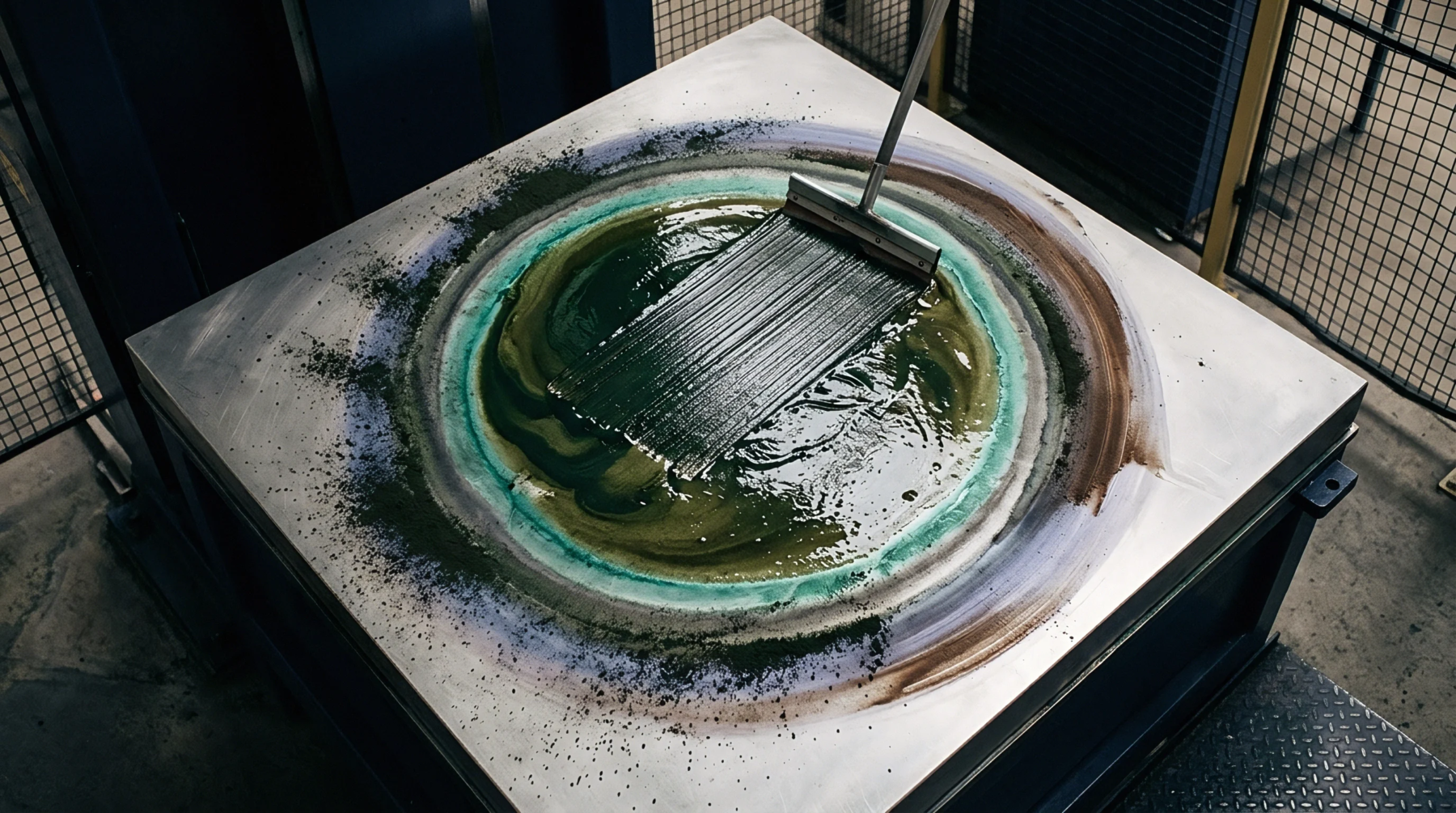
Subcontracted garment laundries introduce restricted auxiliary risks that require batch-level finished garment testing and strict contract indemnity clauses.

Reduced verification screening matrices replace full quantitative panels on repeat orders with rapid indicator screening and adjusted composite pooling math.

Textile qualification requires mapping baseline chemical limits and physical standards to accredited lot-level test reports before releasing purchase orders.

Flowing restricted substance lists to subcontracted dyehouses demands batch-level chemical tracking, verified bath controls, and explicit back-to-back testing indemnity.

Subcontracted garment washing introduces unlisted auxiliary contaminants that invalidate scope certificates and require batch-level analytical verification.

Subcontracted wet processing liability hinges on lot-level transaction certificates, retained split samples, and explicit pass-through warranty clauses.
Expertise is a utility, not a secret. sentiention™ publishes its working knowledge as open reference: intelligence layer covering the materials it sources, the markets it enters, and the reference that serves both.