
Positional Chemical Variation across Textile Roll Width
Uneven roller pressure and lateral thermal migration create severe chemical disparities across roll width, causing localized compliance failures.
Uneven roller pressure and lateral thermal migration create severe chemical disparities across roll width, causing localized compliance failures.

Ocean transit microclimates hydrolyze textile finishes, requiring desiccant dimensioning and mill-level curing stabilization to clear destination surveillance.

Enforceable conversion contracts bind wet processors to restricted substance lists through technical annexes, accredited batch testing, and quarantine holds.
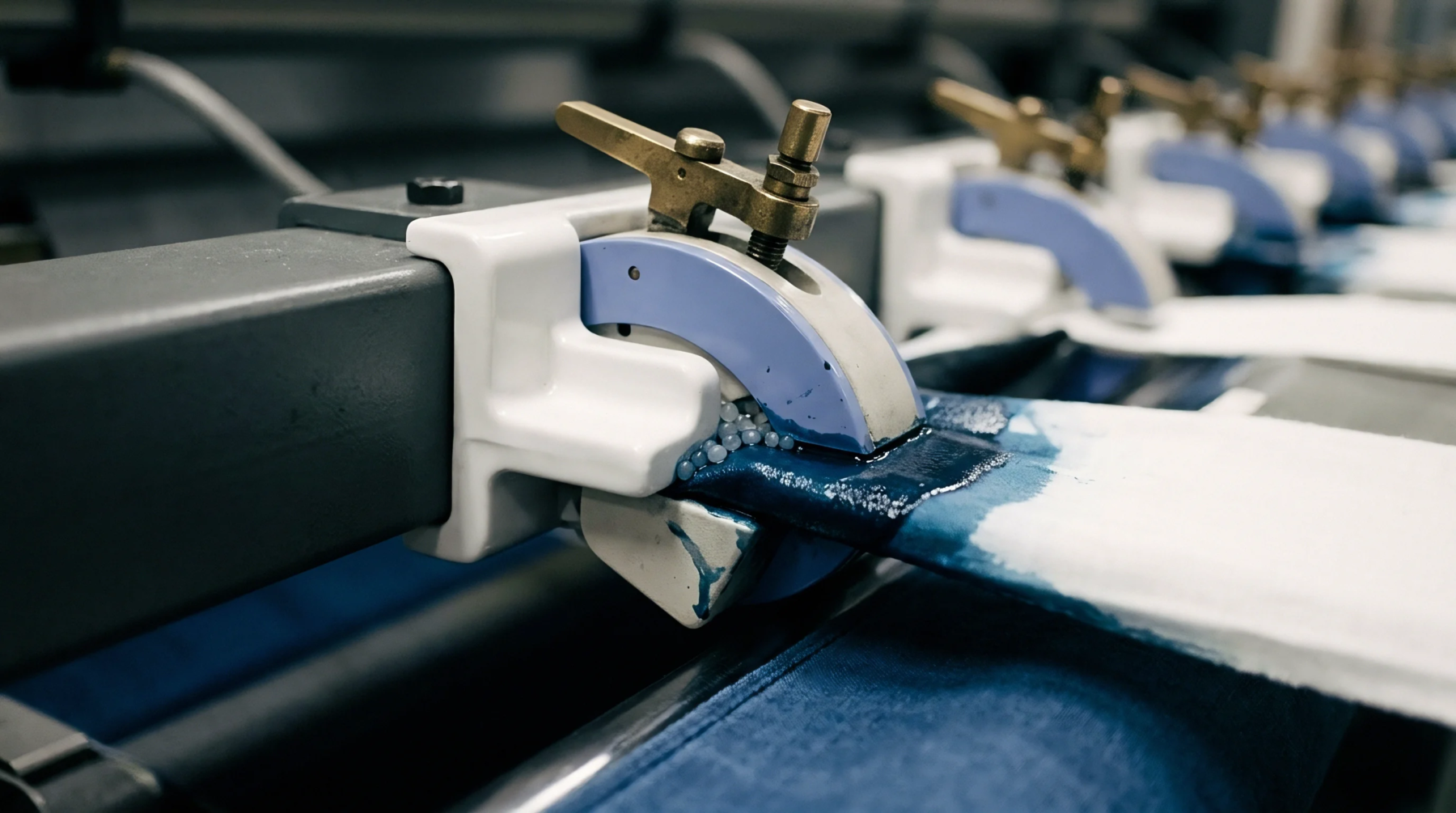
LC-MS/MS testing under ISO 18254-1 quantifies alkylphenol ethoxylates down to 1 mg/kg, requiring ammonium adduct control to prevent matrix suppression.
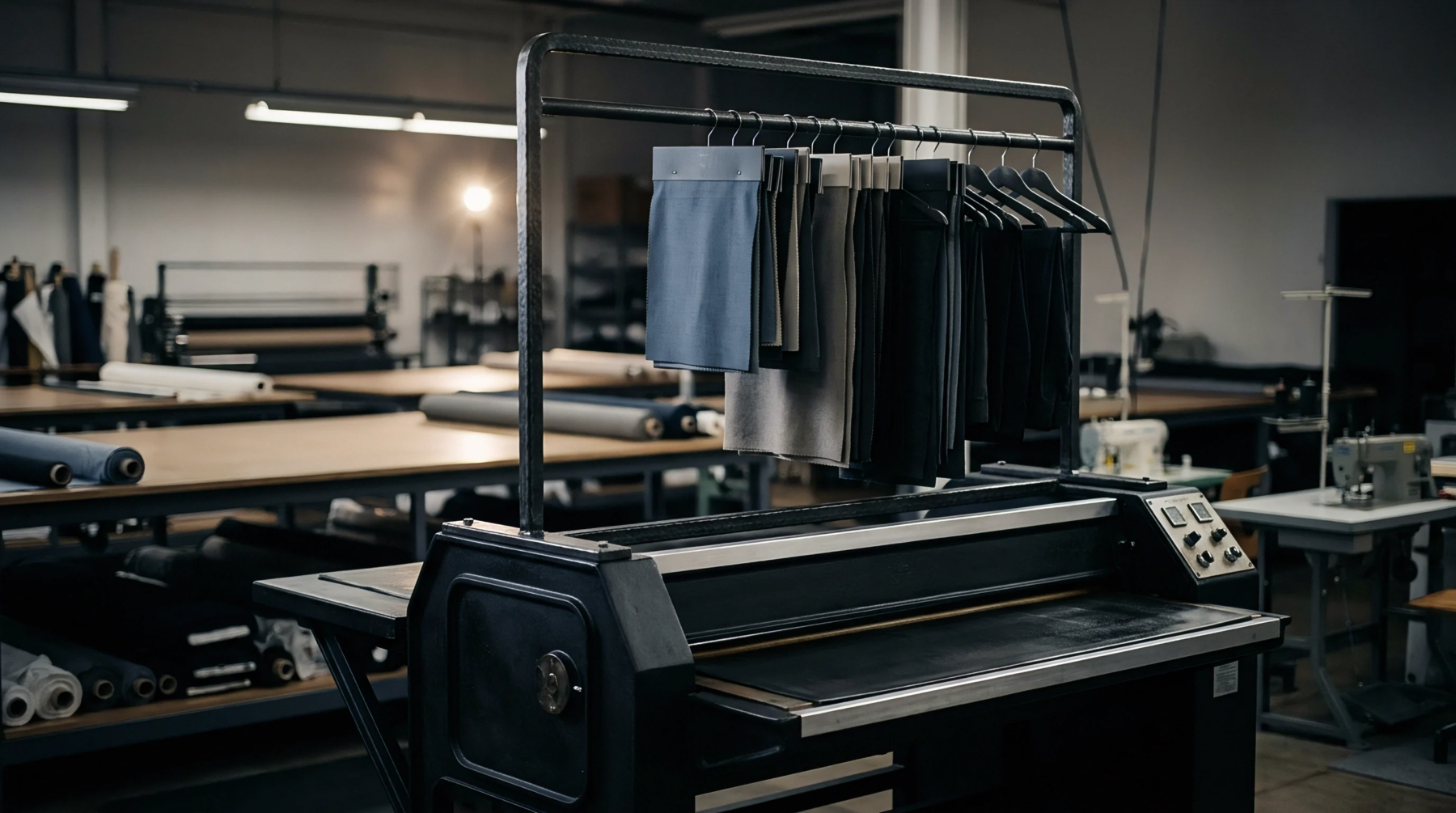
Subcontracted garment laundries introduce restricted auxiliary risks that require batch-level finished garment testing and strict contract indemnity clauses.

Pass-through indemnity clauses require un-capped liability carve-outs and mandatory flow-down terms to bridge privity gaps across dyehouses and garment vendors.

Calculate converting indemnity reserves by aggregating full cut-and-sew garment losses, freight, retests, and disposal rather than processing fees alone.

Baseline chemical retesting metrics for imported woven textiles require statistical lot sampling, matrix-matched analytical methods, and clear retest clauses.

Arbitral cost allocation in subcontracted dyeing requires roll-level chemical tracing, un-cleaved specimen preservation, and enforceable flow-down indemnities.

Standardized chemical limit verification in primary dyeing requires lot-level analytical testing linked to transaction certificates rather than factory scope documents.

Empirical laboratory testing of raw liquid chemical auxiliaries prior to vat injection is mandatory to prevent subcontracted dyehouse contamination.

Greige fabric certification demands batch testing of sizing agents, spin finishes, and biocide residues before finishing treatments mask regulated chemicals.

Subcontracted dyehouse chemical compliance depends on lot-level testing schedules aligned with substrate risk and auxiliary flowdown.

Subcontracted dyehouse chemical risk requires binding PO flowdown clauses, batch-level ISO 17025 testing, and strict financial retainage mechanisms.

Verify APEO compliance by testing input chemical formulations via ISO 18218-1 LC-MS/MS at the mill kitchen rather than relying solely on fabric certificates.

Subcontracted garment washing introduces unlisted auxiliary contaminants that invalidate scope certificates and require batch-level analytical verification.

Confirmed chemical non-compliance requires immediate split-sample secondary retesting under ISO 17025 protocols to enforce contractual indemnity and landed cost recovery.
Expertise is a utility, not a secret. sentiention™ publishes its working knowledge as open reference: intelligence layer covering the materials it sources, the markets it enters, and the reference that serves both.