Chemical Additive
Synthetic compounds provide durable oil and water repellency to performance outerwear through carbon-fluorine bond stability. Tracking perfluoroalkyl substances identifies persistent additives that remain in the environment long after a garment reaches the end of its life. These molecules are typically applied as a top coat to prevent stains and liquid penetration in technical jackets.
Environmental Constraint
Regulatory agencies restrict specific variations of these chemicals because of their bioaccumulative nature in groundwater. Identifying perfluoroalkyl substances in sample lots enables compliance teams to verify factory claims about finish safety. Manufacturers switch to shorter chain alternatives or paraffin based treatments to meet modern sustainability goals.
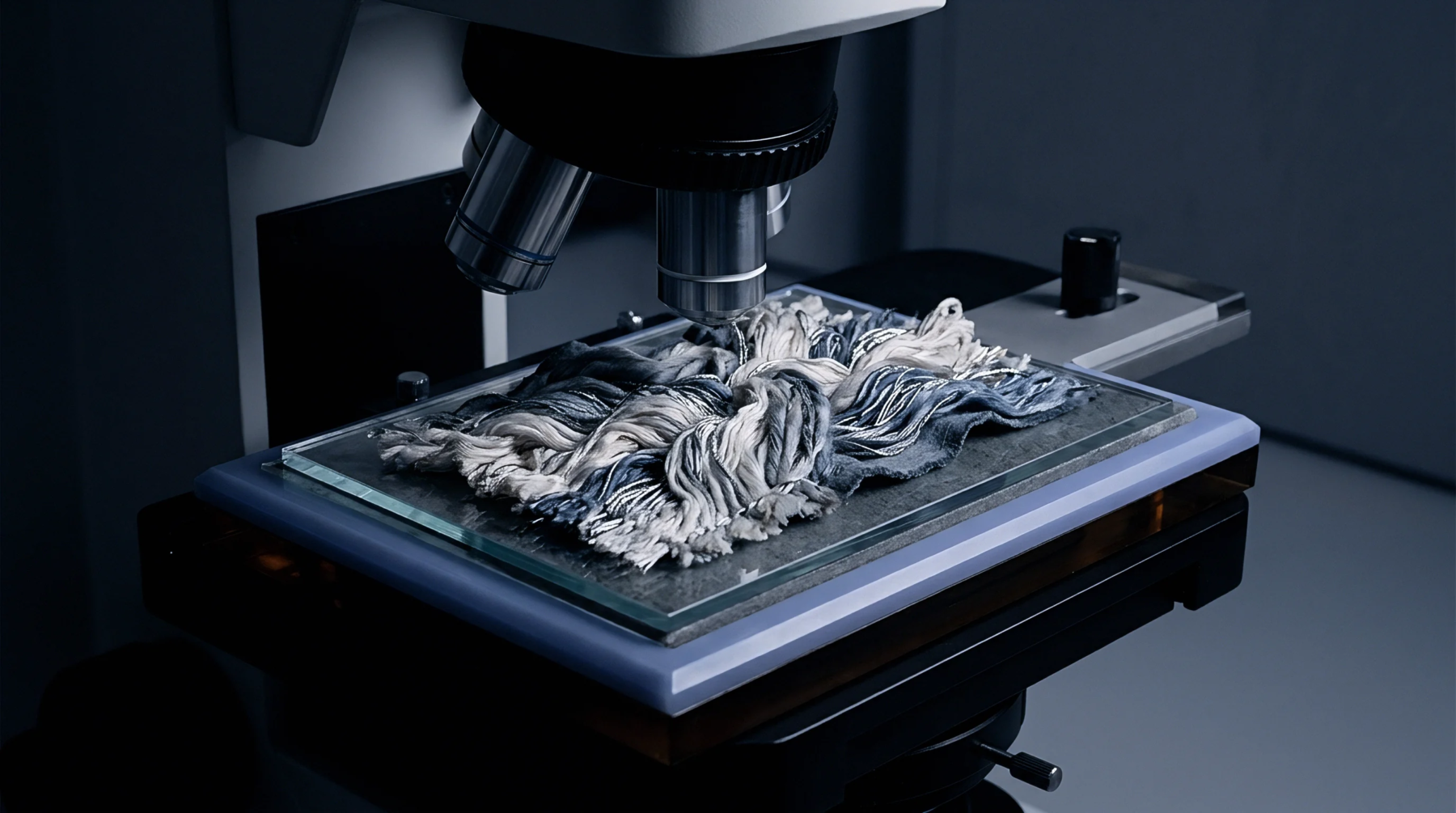
Testing involves complex solvent extraction followed by mass spectrometry analysis.
Production Risk
Factories must manage wastewater strictly when applying any perfluoroalkyl substances during the finishing stage. Failure to contain runoff leads to local environmental degradation and potential legal penalties. Retailers increasingly require pfas free declarations before inventory is shipped from the country of origin.
Independent audits confirm that these finishes are correctly declared on product packaging.
Material Claim
Fluorinated treatments provide a unique level of grease resistance that alternative finishes struggle to match. Monitoring the usage of perfluoroalkyl substances remains the standard procedure for companies committed to chemical traceability.