Standardized Method
A european test protocol defines the analytical procedure for identifying and measuring specific perfluorinated compounds in textiles. This standard, designated as en 17681-1, focuses on volatile and extractable organic chemicals used for water and oil repellency. It does not apply to polymeric perfluorinated finishes that cannot be extracted with organic solvents.
Testing Procedure
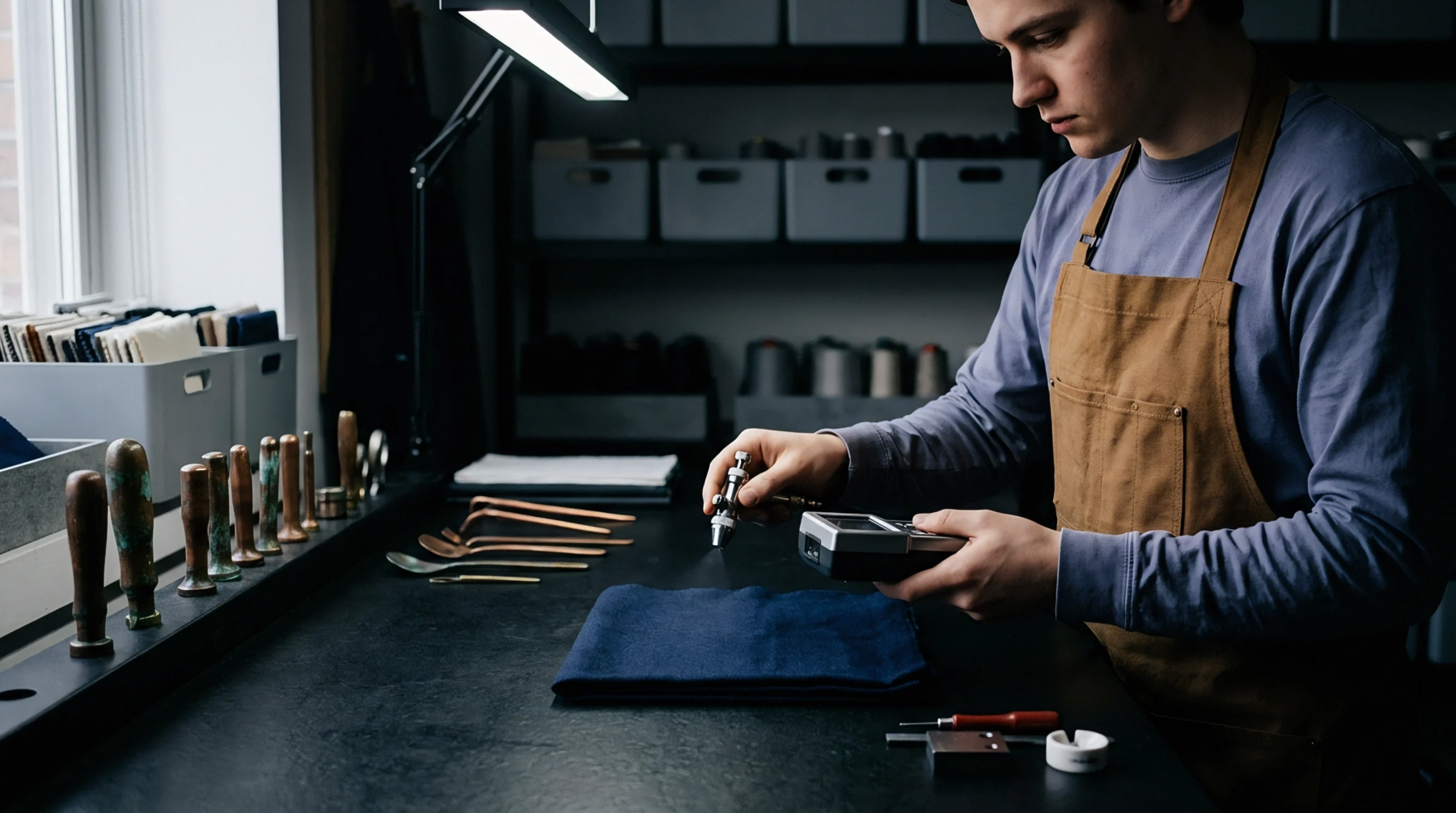
Laboratories execute this evaluation by cutting fabric specimens into tiny pieces and extracting the targeted chemicals using an organic solvent like methanol. The extract is concentrated and then analyzed using liquid chromatography coupled with tandem mass spectrometry. This setup allows technicians to detect and quantify individual perfluoroalkyl substances at concentrations as low as micrograms per square meter of fabric.
By comparing the results to calibration curves, the lab determines if the textile complies with international chemical restrictions.
Quality Assurance
Mill managers utilize these standardized laboratory reports to prove to apparel buyers that their outdoor jackets are fluorocarbon-free. Brands demand compliance with en 17681-1 to ensure their products do not trigger retail bans or environmental penalties in European markets. This testing helps factories maintain their ecological certifications.
Standard Limitation
Test accuracy depends heavily on preventing sample contamination from fluoropolymer laboratory equipment. Using plastic tubing or containers that contain fluorinated polymers during extraction yields false-positive results, meaning only clean glass or stainless steel must be employed.