Thermal Digestion
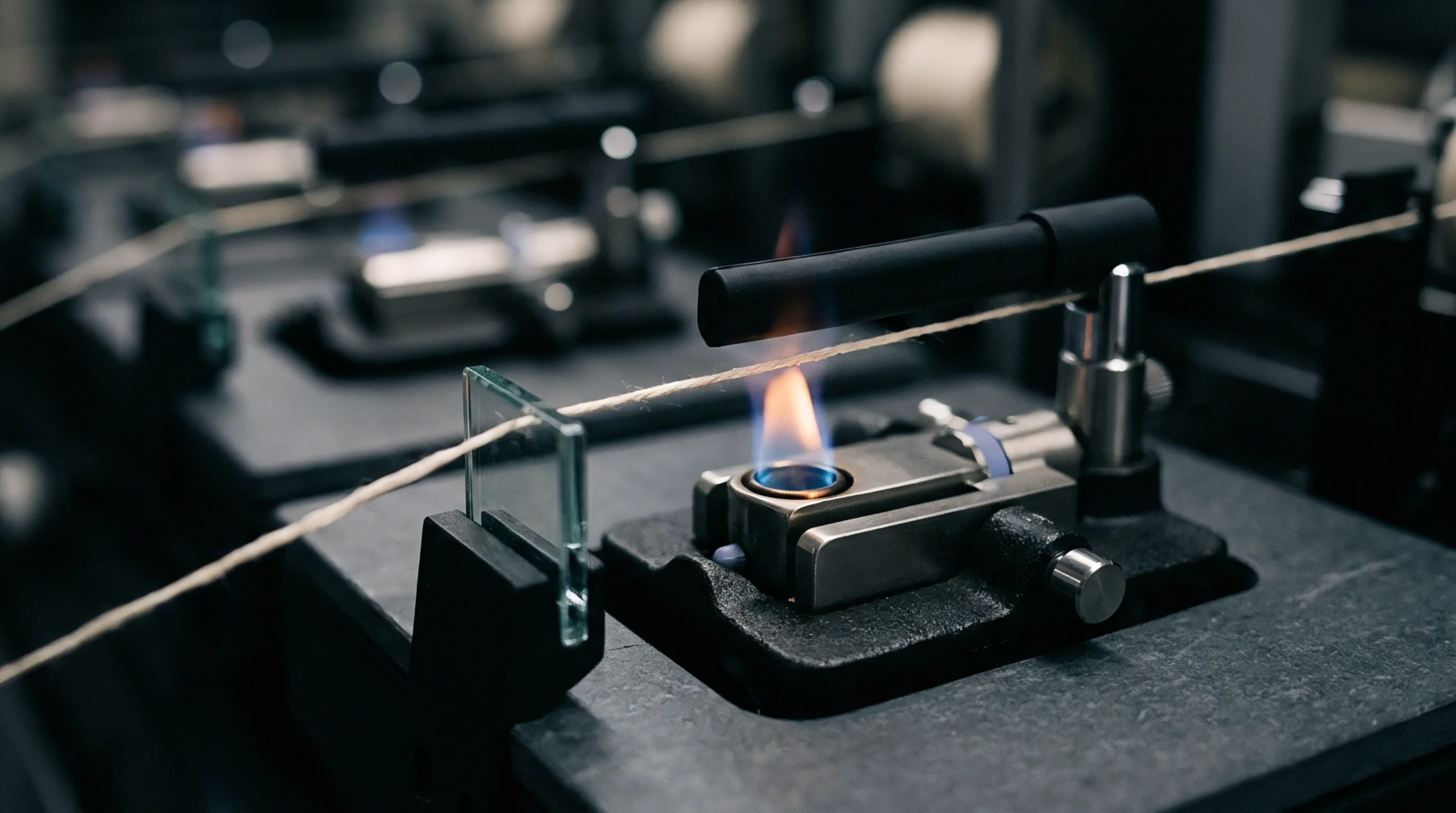
Analytical combustion ion chromatography functions as a destructive quantitative method that oxidizes complex textile polymers and additives at elevated temperatures to isolate specific halogens and sulfur compounds for aqueous separation. Technicians feed small fibre swatches into an oxygen-rich furnace where high heat converts organic matrices into gas phase products such as hydrogen chloride or sulfur dioxide. These gases bubble through an absorption solution which captures the target analytes in a stable aqueous form suitable for subsequent injection into an ion chromatograph.
The system quantifies individual concentrations by tracking the electrical conductivity or absorbance changes as ions pass through a separator column packed with ion-exchange resin. This process establishes total elemental loading within synthetic polymer samples like polyester or flame-retardant treated cotton. Detection limits depend on the efficiency of the conversion step and the volume of the original specimen.
The technique provides a complete material balance for species that resist traditional liquid extraction methods due to their tight integration within the molecular backbone.
Procedural Workflow
Systematic oversight begins with the precise mass measurement of the textile specimen on a microbalance before sealing it in a ceramic or quartz combustion boat. Computerized controllers ramp the furnace to temperatures exceeding one thousand degrees Celsius to guarantee total destruction of the specimen while maintaining a constant gas flow to sweep combustion products into the collection vessel. Operators monitor the absorption liquid during the uptake stage to ensure the capture of all acidic species.
After a timed duration the vessel transfers the liquid extract to the chromatography unit for separation of anions by charge density. Data software calculates the final result by comparing the peak area of the unknown sample against a calibrated standard curve derived from known inorganic salt concentrations. Accuracy relies on the consistent performance of the furnace temperature profile and the recovery rate of the aqueous collection step.
Matrix Interference
Complex dye mixtures and auxiliary chemicals often complicate the analysis because specific additives introduce spectral noise or column poisoning during the ion separation phase. High concentrations of fluorine or phosphorus atoms require specialized column configurations to prevent signal overlap with common targets like chloride or sulfate ions. Laboratories adjust the gas flow velocity and the moisture content within the absorber to account for variations in the organic carbon load across different fabric blends.
Samples containing heavy metal salts or silicon-based coatings alter the thermal decomposition rate and demand extended heating durations for absolute conversion. Failure to calibrate the system against a matrix-matched control leads to systematic bias in the reported elemental content.
Calibration Stability
Rigorous verification of the chromatographic response factor keeps the entire sequence aligned with material safety protocols. Periodic injection of certified multi-ion standards ensures the detector maintains its linear range across all concentrations of interest. Routine maintenance of the combustion furnace lining prevents the accumulation of soot that traps ions and reduces the yield of target gases.
A well-maintained setup delivers reproducible data even when processing highly variable recycled synthetic materials or specialty flame-retardant blends.