Analytical Threshold Variances in Pyrolysis Gas Chromatography for Recycled Synthetic Dyehouse Lots
Matrix effects in pyrolysis gas chromatography elevate detection limits for restricted dye residues in recycled synthetic lots.

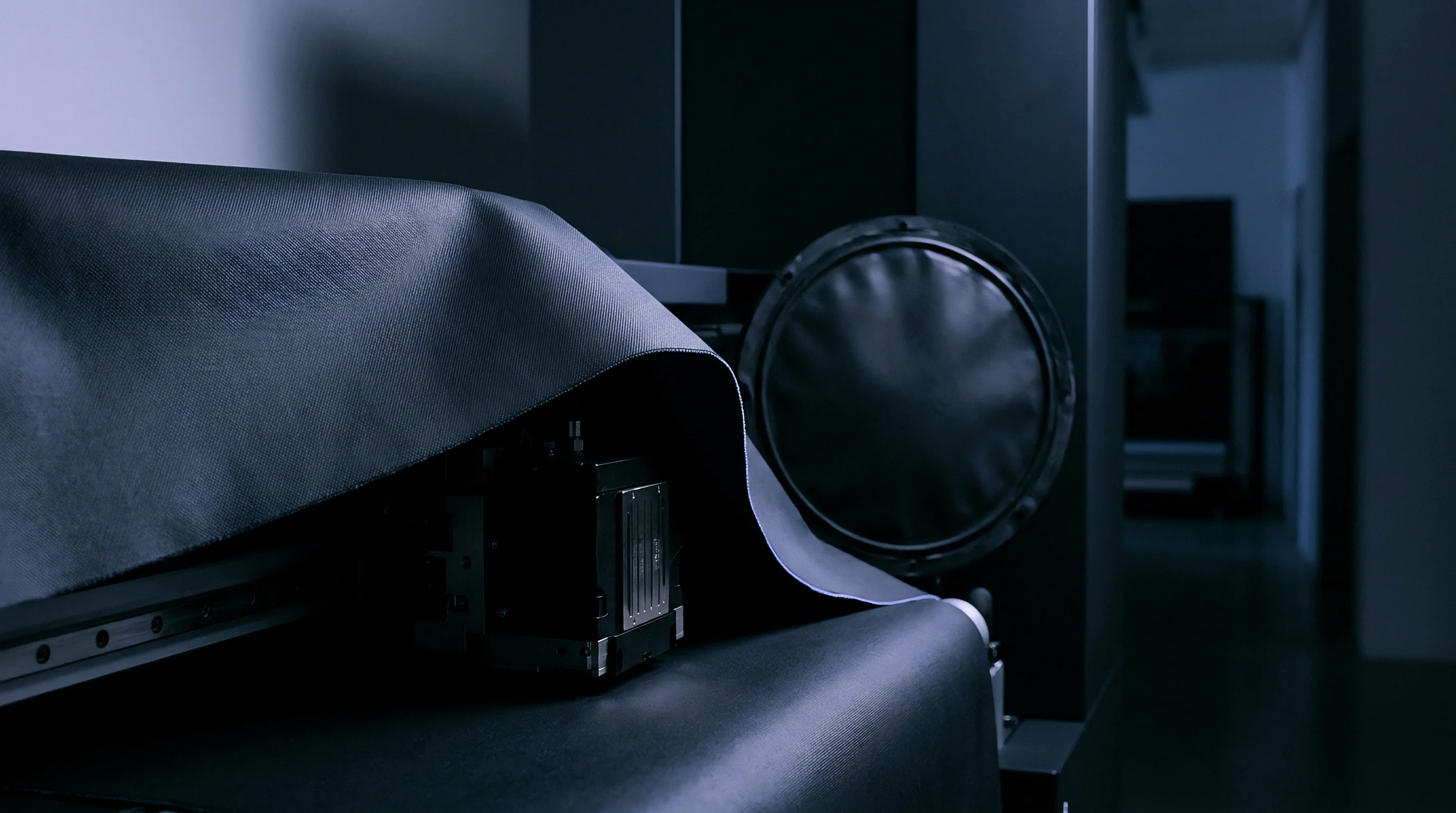
Furnace
Micro-furnace pyrolyzers vaporize microgram textile specimens at heating rates exceeding 20,000 degrees Celsius per second. This rapid thermal decomposition cleaves high-molecular-weight synthetic polymers into volatile fragments suited for capillary gas chromatography. In recycled polyethylene terephthalate and polyamide dyehouse lots, thermal cleavage patterns register both the core polymer backbone and the accumulated heat history of recycled stock.
Virgin polyester undergoes β-scission at ester linkages between 550 and 650 degrees Celsius, yielding terephthalic acid, benzoic acid, vinyl benzoate, and divinyl terephthalate as primary pyrolyzates. Post-consumer recycled chips, having passed through multiple melt-extrusion cycles, show lower onset temperatures for polymer backbone cleavage because of their degraded thermal stability.
Degradation of synthetic dyehouse auxiliaries occurs alongside polymer matrix breakdown. Disperse dyes, carrier solvents, flame retardants, and residual spin finishes cleave directly within the pyrolyzer interface. Banned azo colourants with substituted aromatic ring structures undergo azo-bond cleavage under heat, releasing characteristic aromatic amine pyrolyzates such as aniline, 4-aminobiphenyl, or 2,4-xylidine directly into the carrier gas stream.
Thermal Fragmentation Mechanics in Synthetic Fiber Matrices
Pyrolysis behavior differs across polyester, polyamide 6, polyamide 6,6, and elastomeric polymers. Polycaprolactam depolymerizes mainly by end-group unzipping, producing monomeric caprolactam together with cyclic oligomers up to the tetramer. Polyhexamethylene adipamide undergoes random chain cleavage to form cyclopentanone, adiponitrile, and hexamethylenediamine fragments.
In synthetic fibers blended with elastomeric polyurethane, thermal breakdown yields diisocyanate monomers, notably 4,4-diphenylmethane diisocyanate and toluene diisocyanate, alongside polyether or polyester polyol fragments.
Matrix complexity grows when recycled lots contain blended post-consumer polymers or cross-contaminated dyehouse batches. Residual spin finish oils containing polyethoxylated sorbitan esters or alkyl phosphate salts crack into low-molecular-weight alkanes, alkenes, and acrolein derivatives. These non-target pyrolyzates enter the transfer line as a dense cloud of organic vapors, competing for active sites on fused silica column walls and shifting retention characteristics for trace analytes.

Pyrolyzer Heating Rates and Injection Port Transfer
Split vent flow governs analytical precision and high split ratios help limit column contamination, but flash pyrolysis systems still depend on tightly managed heating rates to avert sample charring and secondary pyrolysis reactions. At ramp rates below 10,000 degrees Celsius per second, secondary thermal rearrangements occur: primary pyrolyzates react with surrounding polymer fragments into alkylated aromatic rings and polycyclic aromatic hydrocarbons. These secondary artifacts distort the apparent concentration of restricted dye residues and lift the baseline signal.
Transfer line temperatures between the pyrolyzer furnace and the gas chromatography injection port require strict thermal regulation. Keeping the line between 300 and 320 degrees Celsius prevents high-boiling dimer and trimer pyrolyzates from condensing in the interface tubing. Cold spots along this transfer route cause selective condensation of halogenated dye carriers and aromatic amine pyrolyzates, introducing a systemic negative quantitative bias across lot assays.
| Fiber Type | Flash Temperature | Primary Polymer Pyrolyzates | Dyehouse Auxiliary Interferences | Recommended Specimen Mass |
|---|---|---|---|---|
| Recycled Polyethylene Terephthalate | 600°C | Vinyl benzoate, Terephthalic acid, Benzoic acid | Biphenyl dye carriers, Trichlorobenzene residues | 100 µg to 150 µg |
| Recycled Polyamide 6 | 550°C | Caprolactam monomer, Cyclic dimers, Hexenonitrile | Alkoxylated fatty acid spin finishes | 80 µg to 120 µg |
| Recycled Polyamide 6,6 | 650°C | Cyclopentanone, Hexamethylenediamine, Adiponitrile | Phenolic antioxidants, Residual leveling agents | 80 µg to 120 µg |
| Recycled PET Elastane Blends | 600°C | 4,4-MDI, Toluene diisocyanate, Vinyl benzoate | Silicone lubricants, Polyether oligomers | 50 µg to 100 µg |
Volatile peaks below two hundred parts per million are frequently attributed to transient spin finish additives rather than regulated aromatic dye residues.


Pyrogram
Chromatographic separation of thermal cleavage products depends on capillary column stationary phase polarity. Mid-polar capillary columns coated with 5% phenyl 95% dimethylpolysiloxane or cyanopropylphenyl methylpolysiloxane provide necessary selectivity for separating aromatic amine pyrolyzates from dominant polymer backbone fragments. The retention index window for diagnostic dye markers frequently overlaps with high-concentration polymer pyrolyzates, necessitating precise temperature programming and mass spectrometer ion selection.
Selected ion monitoring isolates target diagnostic mass-to-charge ratios from dense background pyrolyzates. Full-scan acquisition produces complex spectra overwhelmed by terephthalate or caprolactam fragments, masking trace signals from restricted disperse dyes or banned azo dye degradation products. Target analytes therefore require quantification through dedicated quantifier ions alongside at least two qualifier ions to verify chemical identities against certified spectral libraries.

Diagnostic Ion Selection and Retention Time Matching
Mass spectrometer detectors operating in selected ion monitoring mode isolate characteristic mass-to-charge ratios for targeted aniline derivatives. For 4-aminobiphenyl, the quantifier ion at m/z 169 is monitored alongside qualifier ions at m/z 168 and m/z 170. Relative abundance ratios between quantifier and qualifier ions must remain within a fifteen percent tolerance band compared to reference standard runs.
Deviations outside this tolerance band signal spectral overlap from co-eluting recycled polymer fragments.
Retention time matching requires tight control over capillary column carrier gas linear velocity. A retention time drift exceeding 0.05 minutes invalidates automated peak integration software assignments. Recycled synthetic matrices containing heavy oligomeric waxes cause progressive column fouling, shifting analyte retention times across sequential pyrolysis runs and degrading chromatographic peak shape.
Pyrolysis at 600°C releases terephthalic acid fragments that reduce mass spectrometer detector sensitivity for aniline derivatives by 35 percent.

Chromatographic Co-Elution in Post-Consumer Recycled Batches
Overlapping peaks emerge when polymer oligomers exit the capillary column at retention times identical to regulated amine fragments. In post-consumer recycled polyester, divinyl terephthalate exhibits retention characteristics close to 2,4-xylidine on non-polar stationary phases. Resolving these co-eluting species requires optimized oven temperature ramps starting at 50 degrees Celsius with slow thermal gradients of 5 to 8 degrees Celsius per minute through the retention window of interest.
Failure modes during chromatographic identification stem directly from matrix-induced spectral distortions and column overload conditions:
- Co-Elution Overlay background polymer pyrolyzates obscure the characteristic quantitative ions of target aromatic amines, elevating false-positive risk.
- Thermal Rearrangement Artifacts high temperature conditions inside the pyrolysis chamber force secondary reactions between dye carriers and fiber stabilizers.
- Background Oligomer Saturation high concentration caprolactam trimers overload the electron ionization source, reducing detector sensitivity for trace dye auxiliaries.
- Mass Spectra Fragment Suppression dense ester vapors alter the ionization efficiency of co-eluting disperse dye degradation products during mass spectrometry analysis.
Mass spectra confirmation relies on matching at least three diagnostic ions against clean reference library spectra before confirming regulated dye identity.
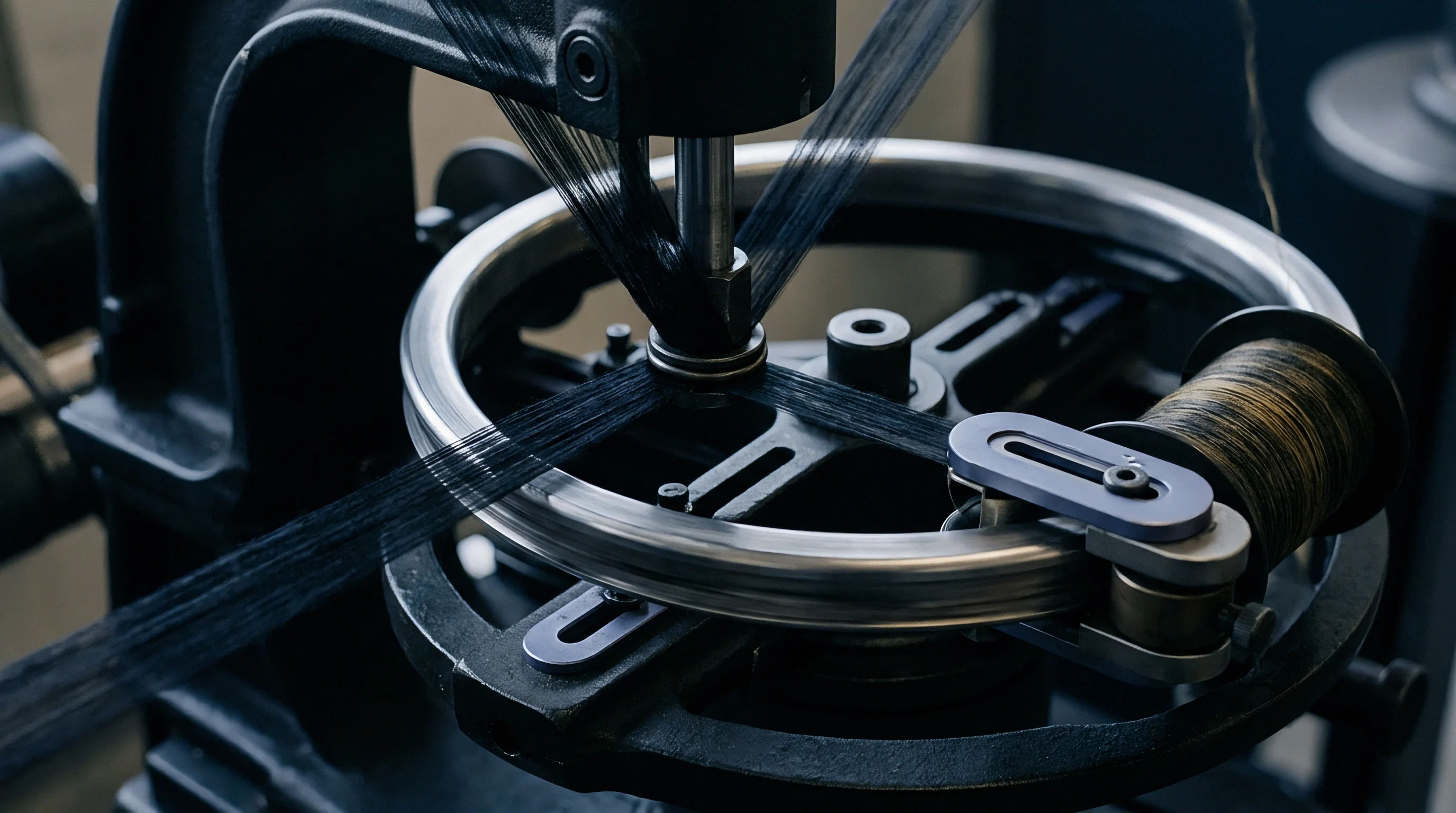

Baseline
Background signal levels in gas chromatography rise sharply when evaluating post-consumer recycled feedstocks compared to virgin synthetic polymers. Accumulated impurities from prior product lifecycles, cross-contaminated recycling streams, and re-dyeing auxiliaries create continuous background electronic noise across mass spectrometer channels. High baseline noise elevates analytical limits of detection and limits of quantitation, preventing laboratories from verifying compliance at low milligram per kilogram regulatory thresholds.
Signal-to-noise ratio calculations define the statistical confidence of analytical determinations. A signal-to-noise ratio of three to one defines the limit of detection, while a ratio of ten to one defines the lower limit of quantitation. In post-consumer recycled polyester dyehouse lots, matrix noise from residual volatile contaminants elevates the baseline standard deviation, forcing an upward shift in the operational limit of quantitation for restricted dye additives.

Matrix Interference and Signal Noise Ratios
Post-consumer PET feedstocks introduce variable concentrations of recycled halogenated flame retardants and residual washing surfactants. Thermal degradation of organophosphate esters and halogenated aromatic compounds generates electron-capturing species that cause ion source contamination and elevated baseline offsets.
When background noise increases fivefold due to post-consumer polymer degradation products, an analytical method capable of detecting 5 milligrams per kilogram of 4-aminobiphenyl in virgin fiber matrix sees its limit of quantitation rise to 25 milligrams per kilogram. This shift crosses the standard 20 milligram per kilogram regulatory limit established under EU REACH Annex XVII Entry 43 and OEKO-TEX STANDARD 100 Class I specifications, creating severe compliance uncertainty.
| Target Analyte | Standard Method LOQ | Recycled Matrix LOQ | Baseline Shift Factor | Response Linearity Threshold |
|---|---|---|---|---|
| 4-Aminobiphenyl (CAS 92-67-1) | 5.0 mg/kg | 22.5 mg/kg | 4.5x | R² = 0.982 |
| 2,4-Xylidine (CAS 95-68-1) | 5.0 mg/kg | 18.0 mg/kg | 3.6x | R² = 0.988 |
| Disperse Yellow 3 Pyrolyzate | 10.0 mg/kg | 35.0 mg/kg | 3.5x | R² = 0.975 |
| Trichlorobenzene Dye Carrier | 2.0 mg/kg | 12.0 mg/kg | 6.0x | R² = 0.965 |
| Limits determined via gas chromatography mass spectrometry under selected ion monitoring mode using five-point matrix-matched calibration curves. | ||||

Quantitation Threshold Shifts in Recycled Dyehouse Batches
Analytical limits of quantitation calculated in pure solvents lose validity inside complex recycled polymer matrices. Standard analytical procedures derived for virgin synthetic materials fail to account for matrix-induced signal suppression or enhancement. When testing recycled synthetic dyehouse lots, laboratories must calculate matrix-specific limits of quantitation by spiking certified reference materials directly into blank recycled polymer matrices that are free of target analytes.
Standard test limits requiring 20 milligram per kilogram reporting thresholds fail when background pyrolyzate noise exceeds three times the signal height of target aromatic amine ions.
Relying on uncorrected baseline calculations results in unjustifiable batch rejections or undetected regulatory compliance breaches at import customs checkpoints.

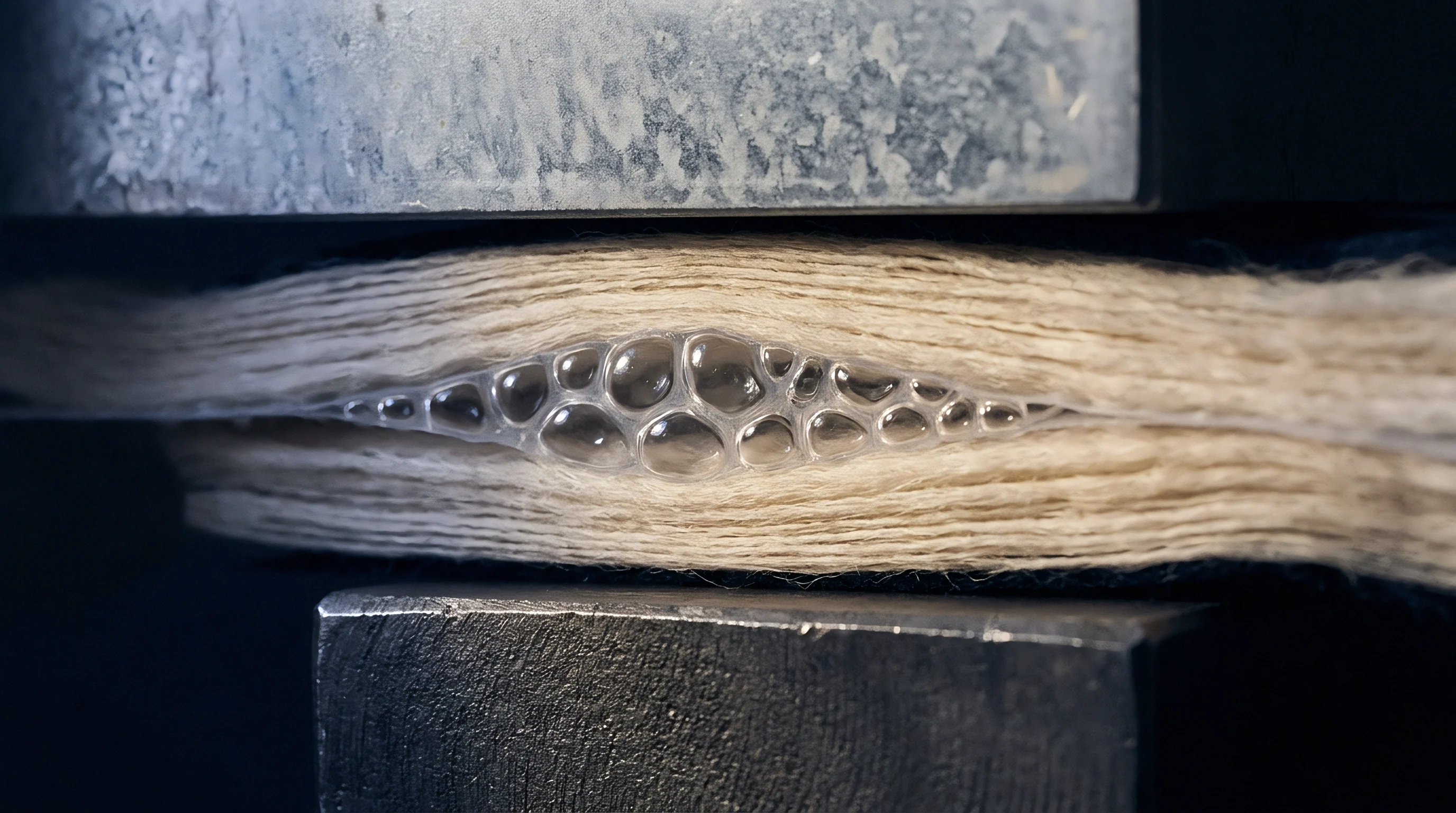
Spread
Distribution of residual dye auxiliaries across re-processed synthetic lot shipments shows pronounced spatial variation. Unlike virgin yarn production, where chemical dosing occurs in highly standardized continuous processes, recycled yarn manufacturing incorporates heterogeneous bale feeds, variable extrusion melt batches, and non-uniform re-dyeing cycles. Microscale analytical techniques like pyrolysis gas chromatography utilize specimen masses between 50 and 300 micrograms, making analytical results sensitive to local sample heterogeneity.
Sampling error represents the largest single source of uncertainty in pyrolysis screening of recycled synthetic lots. A single micro-specimen cut from a surface filament may yield zero detectable aromatic amine pyrolyzates, while a second specimen cut from an adjacent inner filament yields concentration figures well above regulatory thresholds. Minimizing this analytical spread requires rigid sample preparation and cryomilling homogenization protocols prior to thermal loading.

Sampling Heterogeneity across Recycled Synthetic Containers
Roll-to-roll testing reveals concentration gradients of disperse dyes resulting from incomplete bath exhaust during re-dyeing cycles. Outer layers of a fabric roll frequently absorb higher concentrations of surface leveling agents and carrier chemicals than inner core layers.
Homogenization protocols demand cryogenic processing under liquid nitrogen to prevent thermal degradation of sensitive dye molecules during mechanical grinding. Standard room-temperature cutting or shearing generates localized heat friction, driving volatile dye carriers out of the polymer matrix before analytical weighing. Cryomilling converts fibrous synthetic swatches into uniform powders with particle sizes below 200 micrometers.
How Do Carrier Solvents Alter Pyrolysis Calibration Limits?
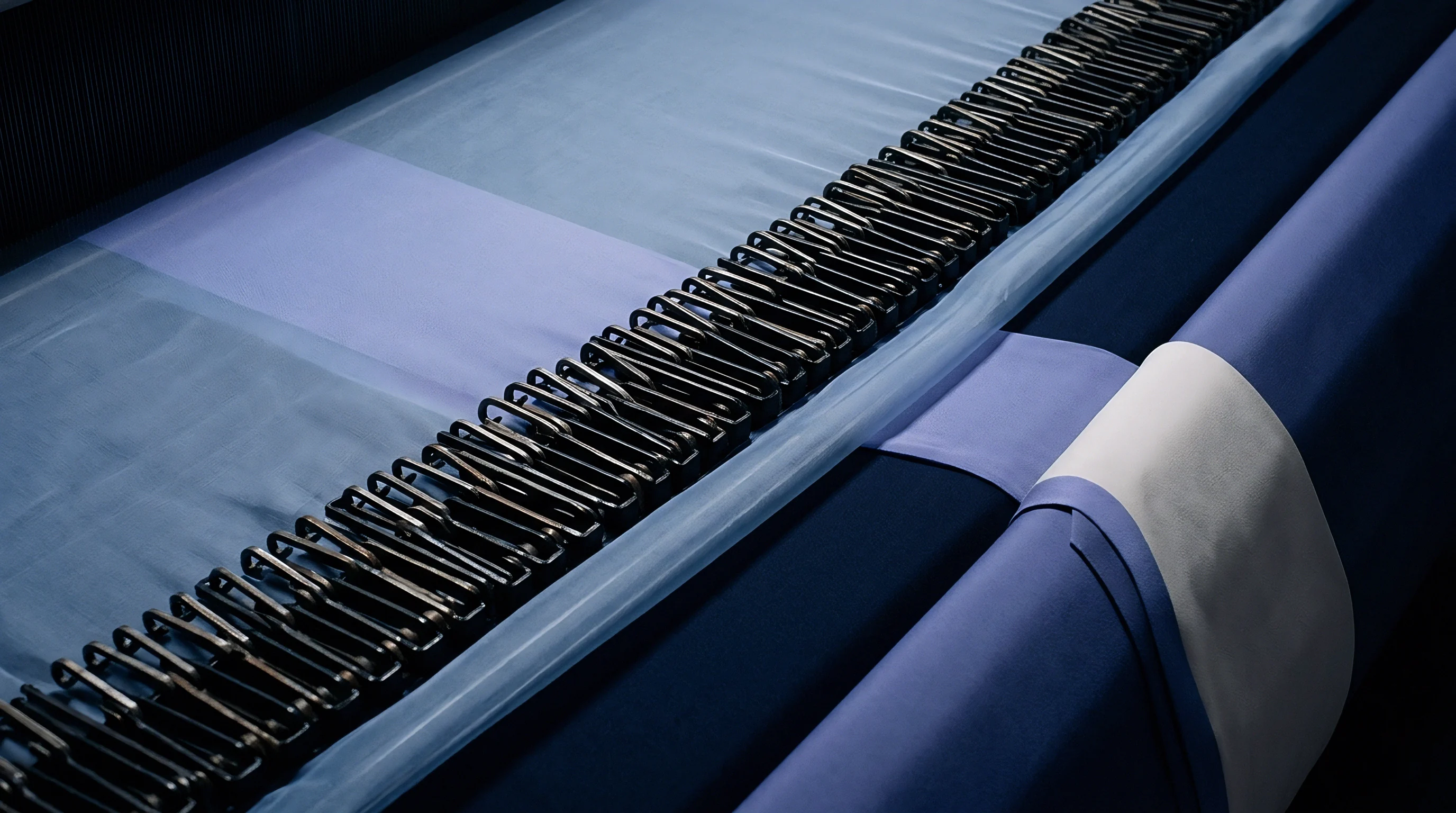
Chlorinated aromatic compounds used as dyeing accelerators lower the thermal decomposition temperature of polyester fibers. Solvents like trichlorobenzene and biphenyl plasticize the polyethylene terephthalate polymer matrix, increasing chain mobility and shifting polymer thermal cleavage kinetics. When pyrolysis screening occurs on samples containing residual carrier solvents, the yield of ester oligomers increases, raising baseline noise levels and altering internal standard response factors.
A rigorous, reproducible micro-specimen preparation protocol operates through defined sequential execution steps:
- Cut ten representative swatches across the full width of five randomly selected fabric rolls within the dyehouse shipment.
- Cryogenically freeze the collected swatches using liquid nitrogen inside a stainless steel analytical mill.
- Pulverize the frozen textile material until particle diameters pass through a two hundred micrometer mesh sieve.
- Weigh two hundred micrograms of the homogenized powder into a deactivated quartz pyrolysis sample tube using a microbalance.
- Inject one microliter of internal standard solution directly onto the homogenized powder before thermal insertion.
Representative micro-scale pyrolysis requires cryogenic grinding of composite swatches collected across the full roll depth.
Standard ISO 14362-1 annex clauses specifying solvent extraction volumes change to mandatory micro-homogenization steps when screening via direct pyrolysis.


Quantitation
Deriving precise concentration figures for dye residues in pyrolysis analytical runs requires matrix-matched calibration standards. External calibration curves constructed using pure chemical standards dissolved in organic solvents yield severe quantitative errors when applied to solid phase polymer pyrolysis. Thermal desorption efficiency, gas phase transfer kinetics, and ion source ionization behavior inside dense pyrolyzate vapor clouds differ from pure solvent evaporative transfers.
Pure solvent standards yield false negatives.
Matrix-matched calibration requires blank recycled polymer matrices that match the chemical composition, intrinsic viscosity, and recycled content proportion of the target lot. Deuterated internal standards, such as deuterated 4-aminobiphenyl or deuterated caprolactam, are added directly to calibration standards and analytical specimens to normalize variations in pyrolyzer split ratios, injection port transfer efficiencies, and detector sensitivity drifts.

Internal Standards and Response Factor Adjustments
Deuterated target compounds introduced prior to thermal breakdown correct for volume variations in split injection systems. The response factor for a target analyte calculates as the ratio of analyte peak area to internal standard peak area, divided by the ratio of analyte mass to internal standard mass.
Mathematical derivation of target analyte concentration incorporates matrix recovery factors and baseline noise offsets. Consider an analytical verification case involving a 50-tonne commercial lot of recycled polyethylene terephthalate yarn screened for banned azo dye cleavage products, specifically 4-aminobiphenyl (CAS 92-67-1).
A homogenized micro-specimen weighing exactly 150 micrograms undergoes flash pyrolysis at 600 degrees Celsius. Mass spectrometry operates in selected ion monitoring mode targeting m/z 169 (quantifier ion for 4-aminobiphenyl) and m/z 178 (quantifier ion for internal standard 4-aminobiphenyl-d9). The measured peak area for m/z 169 yields 142,500 counts, while the internal standard peak area for m/z 178 yields 169,200 counts, establishing an analyte-to-internal-standard area ratio of 0.842.
A five-point matrix-matched calibration curve constructed from 5.0 mg/kg to 100.0 mg/kg establishes a linear response slope where the relative response factor equals 0.0165 per mg/kg. Dividing the area ratio of 0.842 by the response factor yields an uncorrected analyte concentration of 51.03 milligrams per kilogram.
Matrix effect evaluation reveals an 18.5 percent signal suppression factor caused by co-eluting terephthalic acid oligomer vapors (matrix factor equal to 0.815). Adjusting the uncorrected figure by the matrix factor yields a corrected final concentration of 62.61 milligrams per kilogram of 4-aminobiphenyl:
62.61 mg/kg = 51.03 mg/kg / 0.815
Triplicate pyrolysis runs demonstrate a relative standard deviation of 7.7 percent, establishing an analytical uncertainty bound of ±4.8 mg/kg at a 95 percent confidence interval. Comparing the corrected result of 62.61 mg/kg against the statutory 20.0 mg/kg regulatory limit confirms that the recycled yarn lot exceeds allowable limits by 42.61 mg/kg, confirming lot rejection.
Calibration Curve Nonlinearity and Error Calculation
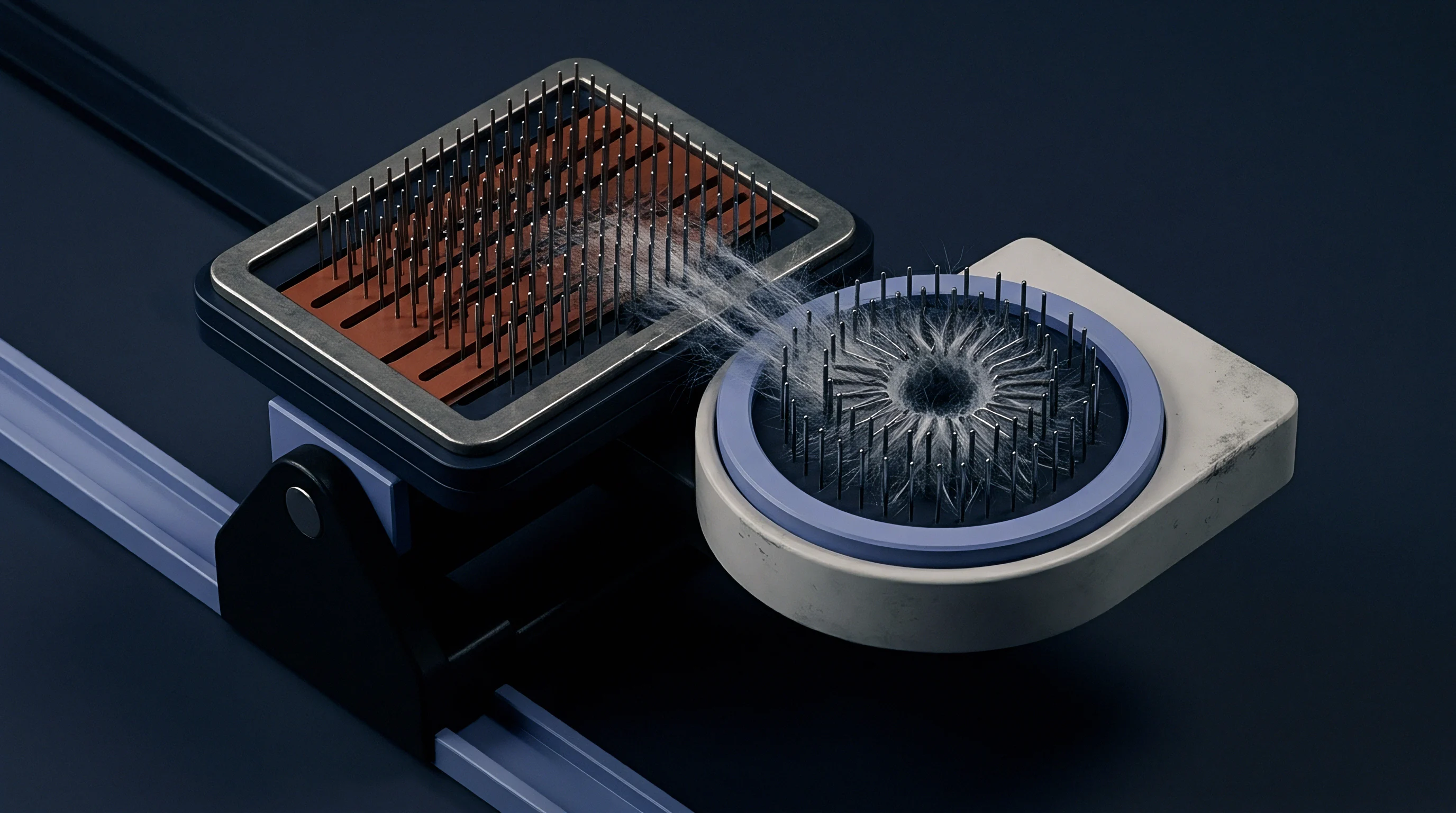
Detector response curves for azo dye cleavage fragments demonstrate significant curvature above fifty milligrams per kilogram. Quadratic calibration models provide superior accuracy across broad concentration ranges, but introduce mathematical complexity when deriving error bounds. Calculating relative standard deviation across multiple replicate injections confirms whether analytical variance stems from instrument instability or specimen non-homogeneity.
Assessing test report validity demands systematic examination of internal calibration metrics:
- Matrix Match Verification check whether calibration curves were generated using recycled fiber blanks or pure solvent standards.
- Signal Noise Calculation confirm that reported target peak heights exceed ten times the surrounding baseline oscillation amplitude.
- Internal Standard Recovery verify that deuterated internal standard area counts remain within twenty percent of calibration reference runs.
- Linearity Calibration Bounds assess whether measured specimen concentration falls within the validated linear range of the mass spectrometer.
Uncorrected external calibration understates dye auxiliary concentration in post-consumer recycled fibers.
Whether analytical laboratories will adopt standardized matrix-matched reference materials for post-consumer polymer blends remains undecided across regional accreditation bodies.


Recourse
Commercial disputes arising from conflicting analytical results between fast screening methods and chemical extraction standards demand clear contractual arbitration pathways. Pyrolysis gas chromatography functions as a high-throughput screening tool capable of rapidly identifying contaminated dyehouse lots. However, official regulatory enforcement bodies rely primarily on wet chemical reduction methods, such as EN 14362-1 and EN ISO 17234-1, which utilize citrate buffer reductions at 70 degrees Celsius followed by liquid-liquid solvent extraction.
Discrepancies between pyrolysis screening values and wet extraction results occur frequently in recycled synthetic lots. Pyrolysis subjects the entire polymer matrix to thermal degradation, releasing total bound and unbound dye chemicals. Wet extraction methods rely on solvent swelling to access residual dyes within crystalline polymer domains, often yielding lower concentration figures for highly crystalline recycled fibers.

Reconciliation between Screening and Reference Methods
Pyrolysis gas chromatography serves primarily as a rapid identification tool rather than an official regulatory enforcement method. Purchase order annexes must explicitly define whether pyrolysis screening results constitute binding grounds for lot rejection or serve solely as a trigger for confirmatory wet chemistry testing. When pyrolysis screening indicates a restricted substance concentration within fifty percent of a regulatory threshold, standard operating practice dictates immediate re-testing via standardized wet extraction reference methods.
Contractual agreements must specify acceptable analytical variance bands between screening and reference testing laboratories. A ten milligram per kilogram variance between pyrolysis screening and wet extraction testing is typical for post-consumer recycled polyester yarns. Setting overly tight contractual tolerances leads to unnecessary commercial disputes and administrative delays at receiving docks.

Commercial Allocation of Retest and Border Detention Risks
Purchase contracts governing recycled yarn deliveries must explicitly define which testing protocols govern lot acceptance. In international trade, import customs authorities perform independent testing at destination ports. If a port authority laboratory utilizes pyrolysis screening and rejects a shipment based on matrix-elevated baseline figures, the buyer faces port storage fees, customs detention penalties, and supply chain disruptions.
Commercial clauses must allocate retest financial obligations and holding costs. When confirmatory reference testing by an accredited third-party laboratory overturns an initial pyrolysis rejection, the buyer absorbs testing fees. If reference testing confirms a regulatory breach, the supplier bears all testing costs, customs demurrage fees, and shipping return costs.
Clear risk allocation language inside purchase orders prevents costly commercial arbitration when analytical threshold variances emerge in recycled synthetic dyehouse lots.