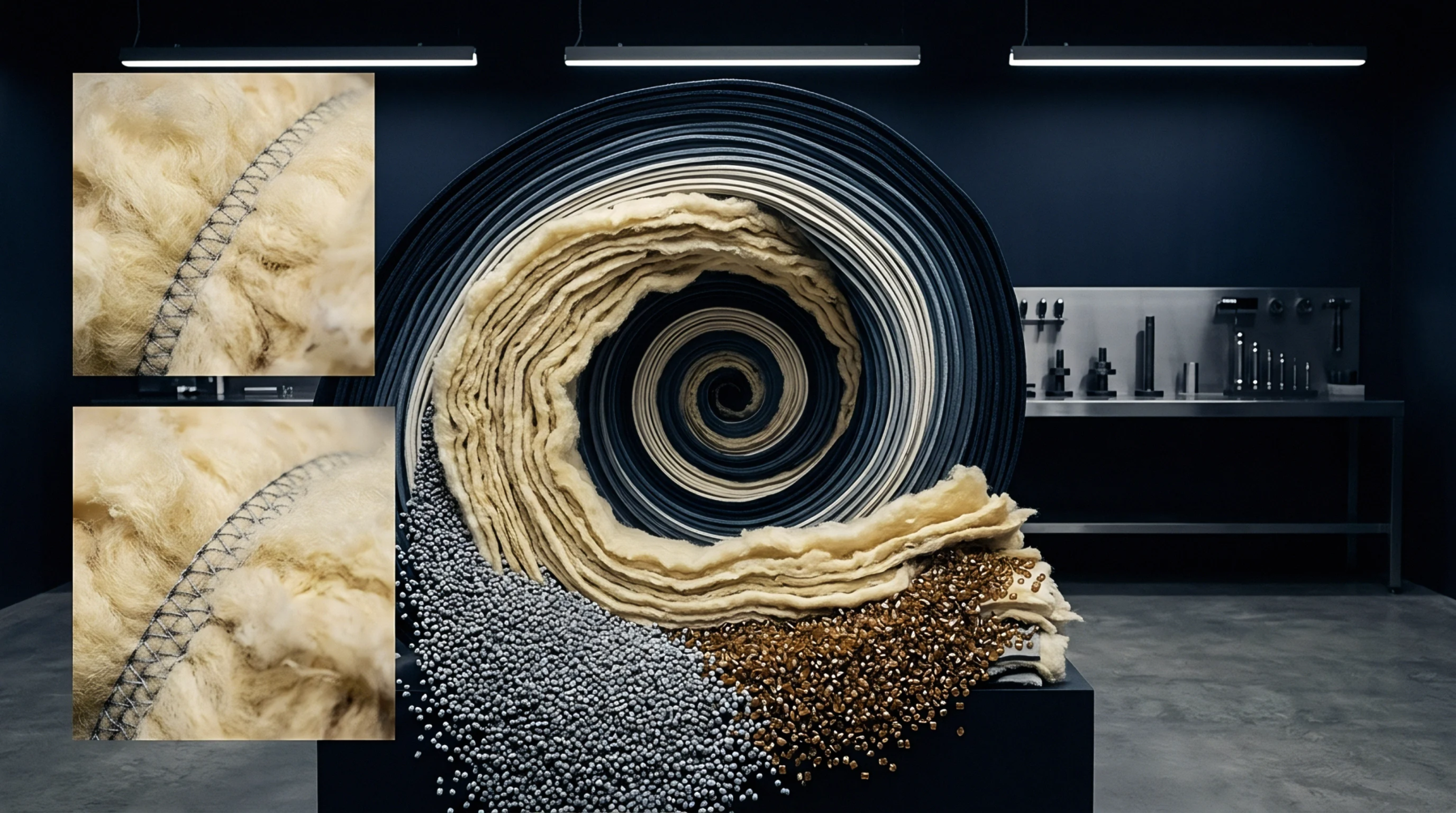
Polymer Breakdown
A chemical reaction degrades the molecular structure of textile fibres when they are exposed to elevated temperatures during processing or use. Thermal degradation occurs when heat energy exceeds the bond energy of the polymer chains, causing them to break and reduce the yarn strength. This process is accompanied by changes in fabric appearance, such as yellowing or loss of elasticity.
Mill operators must manage temperature limits carefully to avoid permanently damaging the performance of both natural and synthetic fabrics.
Structural Impact
High temperatures cause polymer chains to undergo chain scission or cross-linking. In synthetic fibres like nylon and polyester, this structural change lowers the melting point and decreases dye uptake. In natural fibres like cotton, thermal exposure destroys the cellulosic chains, leading to a loss of tensile strength.
Processing Guard
Dyeing and finishing operations must be calibrated to avoid exceeding the critical thermal threshold of each fibre type. Heat setting of synthetic fabrics must balance the need for dimensional stability with the risk of thermal damage. Monitoring exhaust air temperature in the stenter frame avoids overheating.
Product Performance
Heat-resistant fabrics used in protective clothing are engineered to withstand these thermal conditions without losing their integrity. Synthetic aramid fibres resist degradation at temperatures where standard cotton or nylon would fail. Testing procedures measure changes in tensile strength after heat exposure.