
Correcting Isobaric Peptide Mass Shifts in Proteomic Fiber Quantification
Correcting isobaric peptide mass shifts in proteomic fibre testing prevents false wool detections and protects cashmere customs declarations from penalties.
Correcting isobaric peptide mass shifts in proteomic fibre testing prevents false wool detections and protects cashmere customs declarations from penalties.

Rejections stemming from expired mill scopes require immediate date-matching, batch segregation, and rapid engagement with certifiers under grace-period policies.

High performance liquid chromatography quantifies polyamide cyclic monomer densities down to five parts per million following cryogenic milling and methanol reflux.

Hot Soxhlet extraction thermally volatilises low-MW alkoxylated polyethers, skewing gravimetric finish content and corrupting clean fiber blend declarations.

Chlorinated solvent reflux extracts structural polymer oligomers alongside spin finishes, distorting quantitative gravimetric composition analysis unless corrected.

Accurate cellulosic blend analysis requires pairing strict solvent reflux kinetics and d-factor scission corrections with standard commercial regain adjustments.

Correcting cross-sectional ellipticity bias in automated down analysis eliminates false micron inflation, securing accurate fineness and customs declarations.

Solvent extraction removes non-fibrous sizing and oils before applying statutory moisture regains to clean dry fibre masses for tariff classification.

Cooling extended InGaAs sensors to 220 K reduces thermal dark current density below 5 nA/cm2, enabling accurate online spectrographic fiber identification.
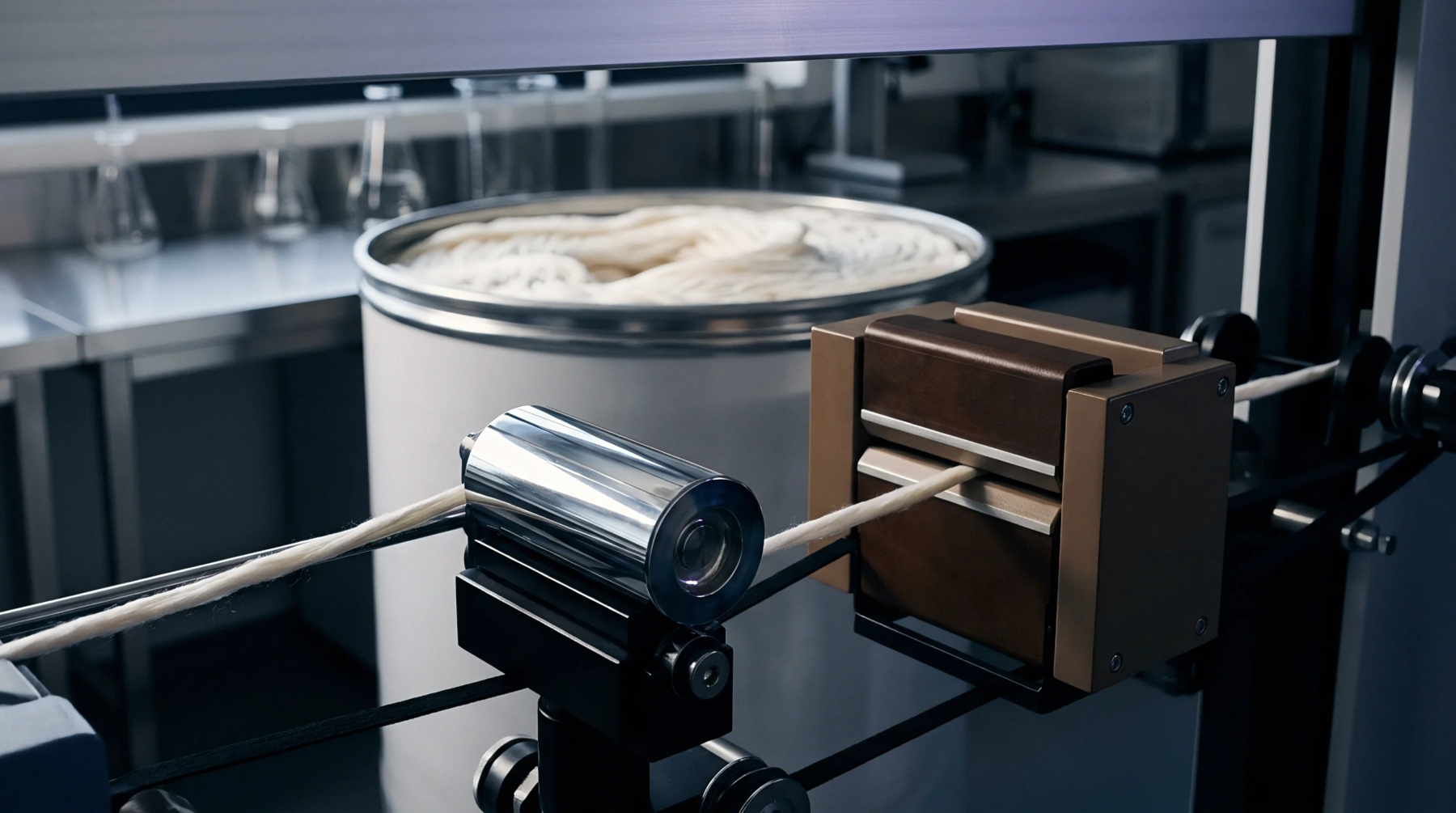
Adjust clean oven-dry mass using official commercial regain percentages to ensure accurate tariff classification and prevent commercial mass invoicing errors.

Spin finish deposits inside vortex chambers shift fluid boundary layer friction, increasing yarn hairiness and degrading tenacity during high-speed runs.
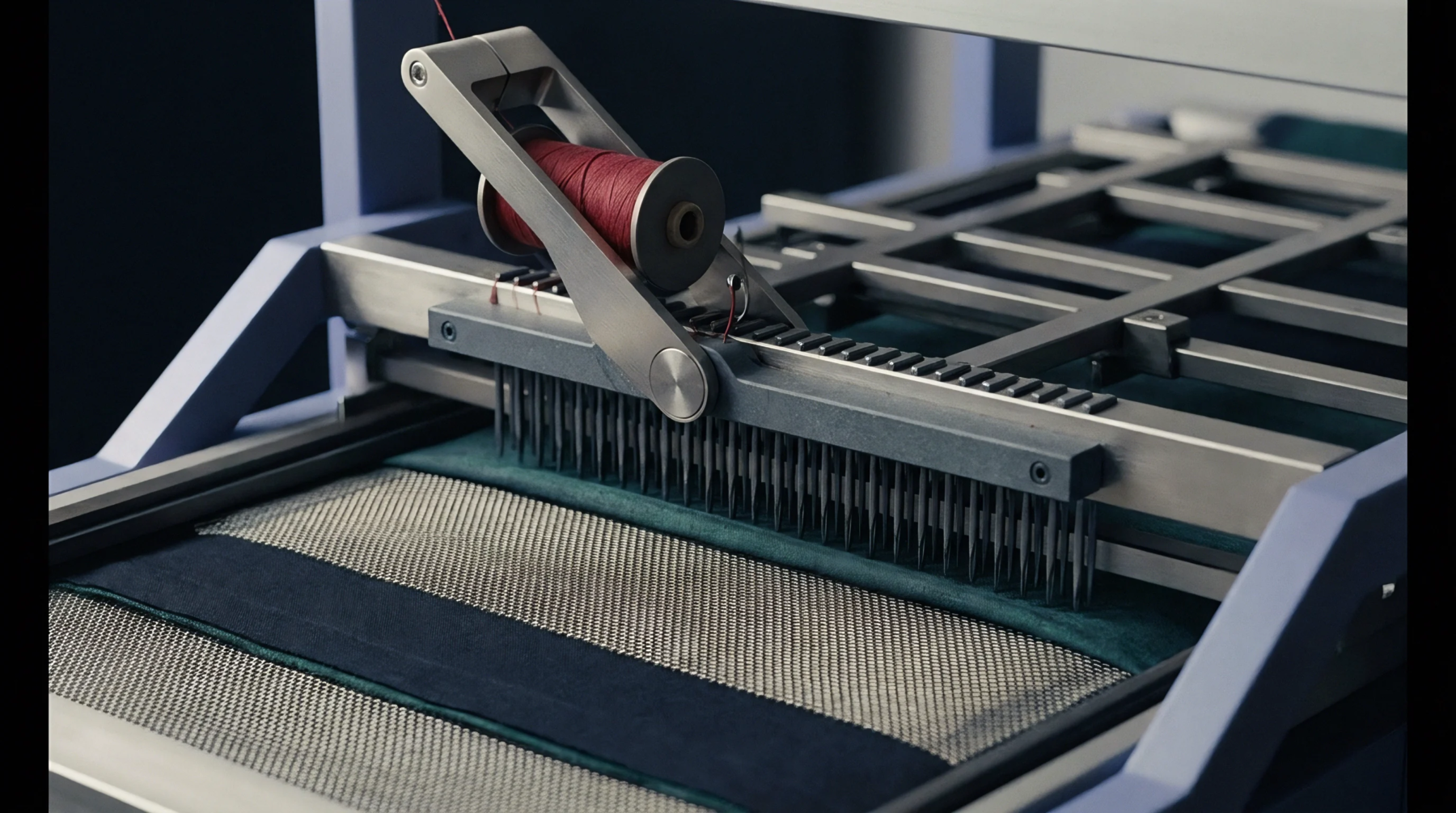
Calculate weighted regain by multiplying dry fiber fractions by standard regain rates, applying this factor to clean dry mass for final invoice weight.

Adjust landed textile valuation disputes by converting gross scale weights to ISO 6741 dry mass plus commercial regain using dockside moisture sample reports.

Commercial regain corrections convert oven-dry laboratory residue masses into legal billed weights to prevent customs penalties and tariff misclassification.
Determining raw cashmere fibre micron profiles in scoured bales requires core sampling, lipid extraction, and truncated bimodal histogram distribution analysis.

Combing cotton sliver below 5.5% short fiber content raises rotor yarn tenacity ceilings to 18.5 cN/tex by reducing friction slip inside the rotor groove.

Deamidation artifacts shift peptide mass by 0.984 Da and skew LC-MS curves; resolving them demands integrating modified variant peak areas into standard models.

LC-MS/MS biomarker quantification measures species-specific keratin peptide markers to verify cashmere yarn purity within a 1.0 percent mass limit of quantification.

Quantitative solvent extraction defines yarn blend ratios by dry mass, determining tariff headings where a 1 percent shift alters landed duty costs.

Removing non-fibrous finish via standard solvent extraction before chemical separation ensures accurate clean dry fiber mass and correct customs tariff classification.

Commercial moisture regain allowances alter declared fiber percentages, triggering customs tariff reclassification across critical weight thresholds.
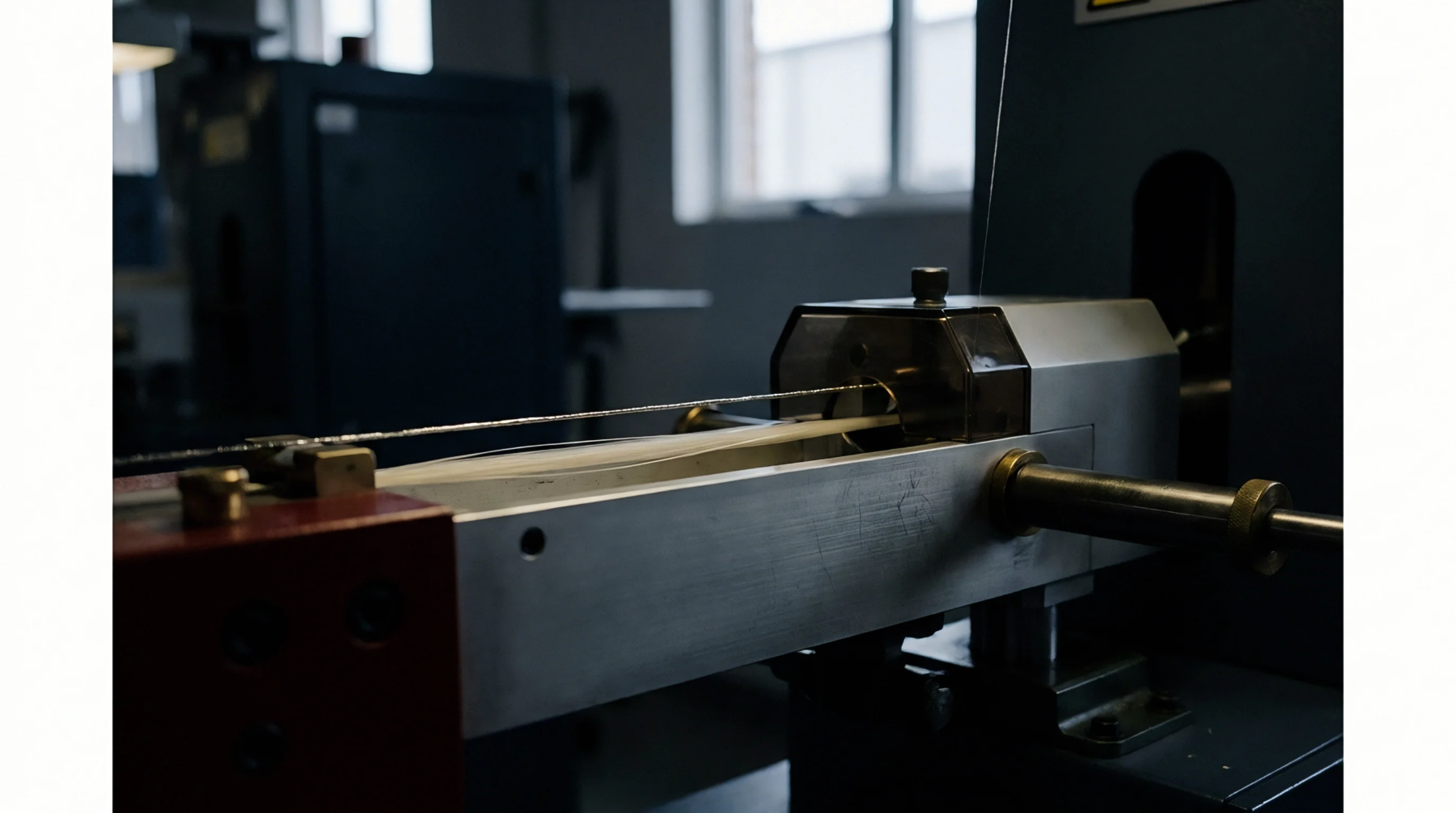
Defending a cashmere claim demands LC-MS/MS proteomic proof tied to core samples that survive ISO 17025 cross-examination across two split lots.
Expertise is a utility, not a secret. sentiention™ publishes its working knowledge as open reference: intelligence layer covering the materials it sources, the markets it enters, and the reference that serves both.