Quality Grade
Systematic assessment used to categorize baled fiber based on color, trash content, micronaire and staple length allows for the standardization of global cotton trade. Trained graders compare physical samples against official government standards to assign a specific value to each bale. This raw cotton classing ensures that spinning mills receive material with the consistent characteristics needed for their specific yarn counts.
Manual Assessment
Expert evaluation involves checking the sample under standardized lighting conditions to determine the color grade. Graders look for signs of graying or yellowing that might affect the dyeing process. Although automated instruments are common, the final judgment for certain characteristics still relies on the visual and tactile skills of the classer.
Procurement Value
Commercial pricing of the bale is directly linked to the assigned grade. Premiums are paid for long staple fibers with low trash content, while discounts are applied to material with high levels of leaf or bark residue. Raw cotton classing provides a transparent framework for negotiations between the farmer and the mill.
Standard Box
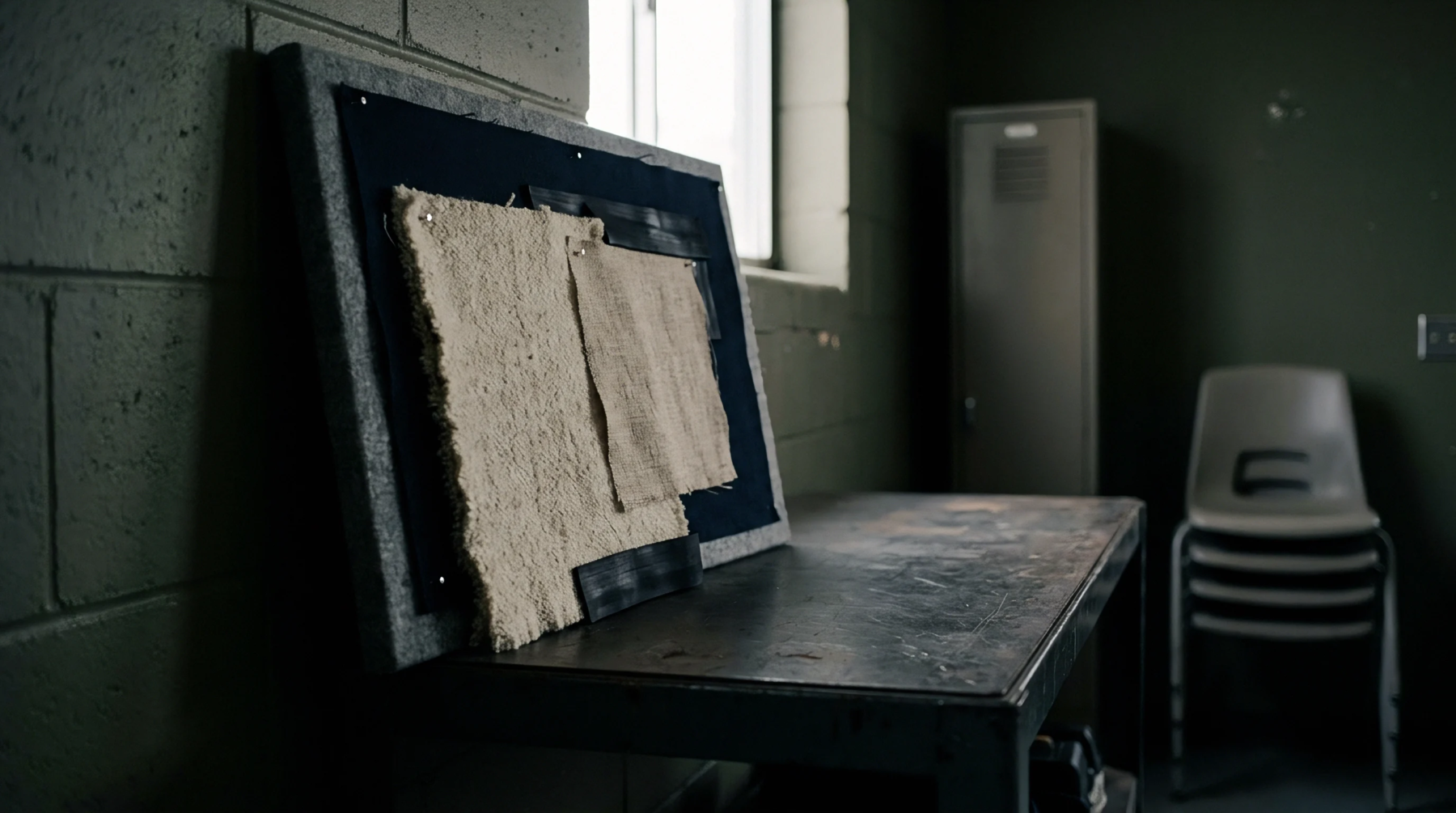
Comparison samples maintained by authorities like the united states department of agriculture serve as the physical reference for all grading activities. These samples are replaced annually to ensure the standards remain accurate and do not change due to aging. All classing activities must align with these physical benchmarks to be recognized in international contracts.