Reactive Dye Bath Concentration Controls for Heavy Cotton Wovens
Dynamic progressive salt and alkali dosing profiles prevent surface exhaustion and core shade variance in heavy cotton woven dyeing.

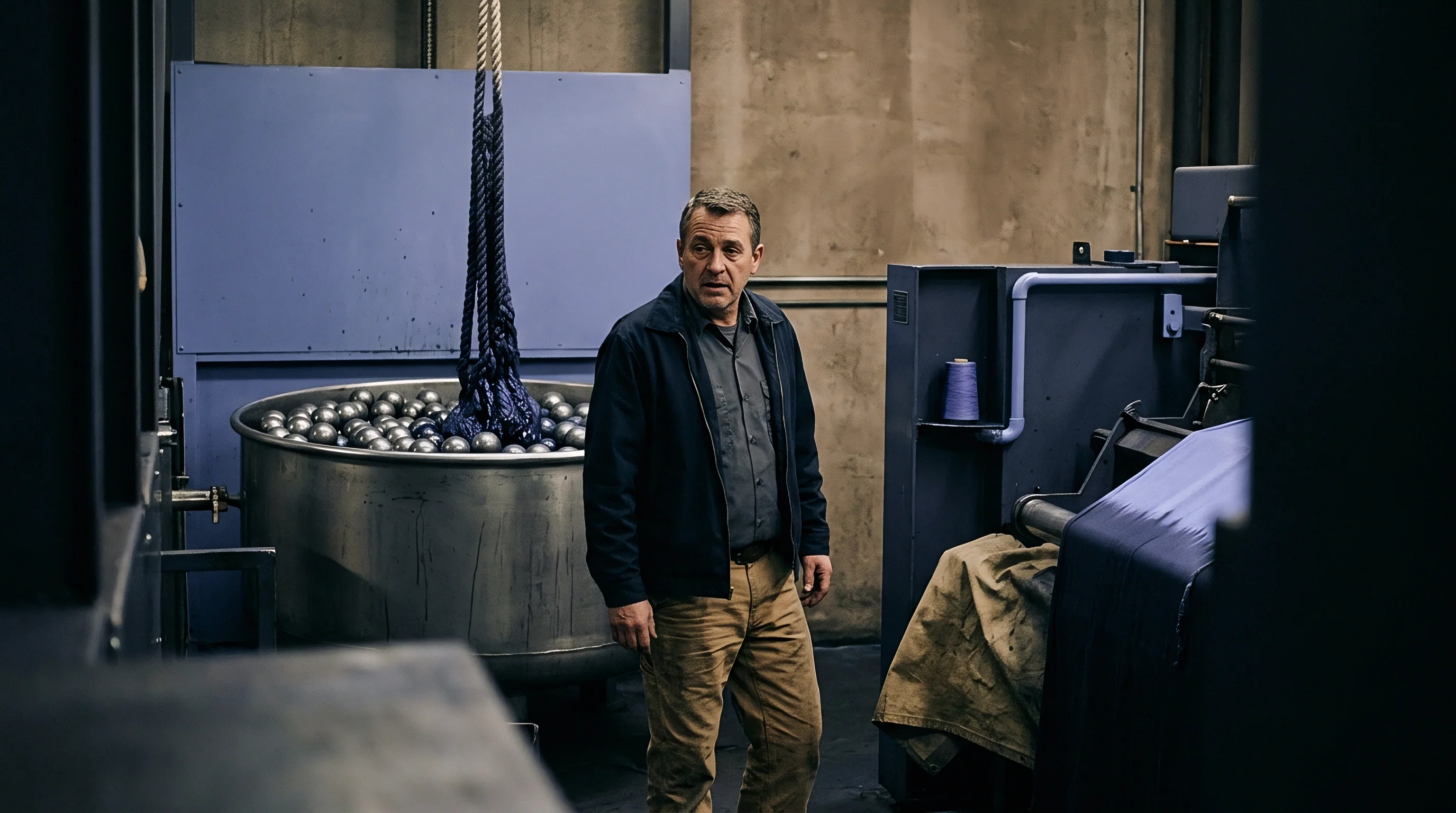
Absorption

Fluid Dynamics in High Density Wovens
Heavy cotton fabrics weighing between 380 and 650 grams per square metre present steep mechanical resistance to aqueous liquor ingress during wet processing. High thread counts combined with dense, coarse ring-spun yarns create tight capillaries that restrict rapid dye penetration into yarn bundles. When running heavy canvas, duck, or dense 3/1 broken twill on jig or jet machinery, the initial wetting phase dictates how dyestuff distributes across the fiber matrix.
Air trapped inside tightly twisted cotton fibers forms fluid barriers that cut effective dye concentration in the yarn core, leaving marked shade differences between surface and inner filament layers.
Liquor uptake rates depend on warp and weft cover factors, mercerization thoroughness, and bath surface tension. Mercerized heavy cotton exhibits a higher amorphous cellulose fraction, accelerating swelling and boosting initial dye uptake rates by up to forty percent compared to unmercerized greige states. That accelerated surface pickup creates sharp concentration gradients in the dye bath if fluid movement through the fabric thickness is insufficient.
Continuous padding operations on heavy wovens require deliberate adjustments to wet pick-up percentages, which typically range from sixty-five to eighty-five percent depending on fabric structure and liquor temperature.
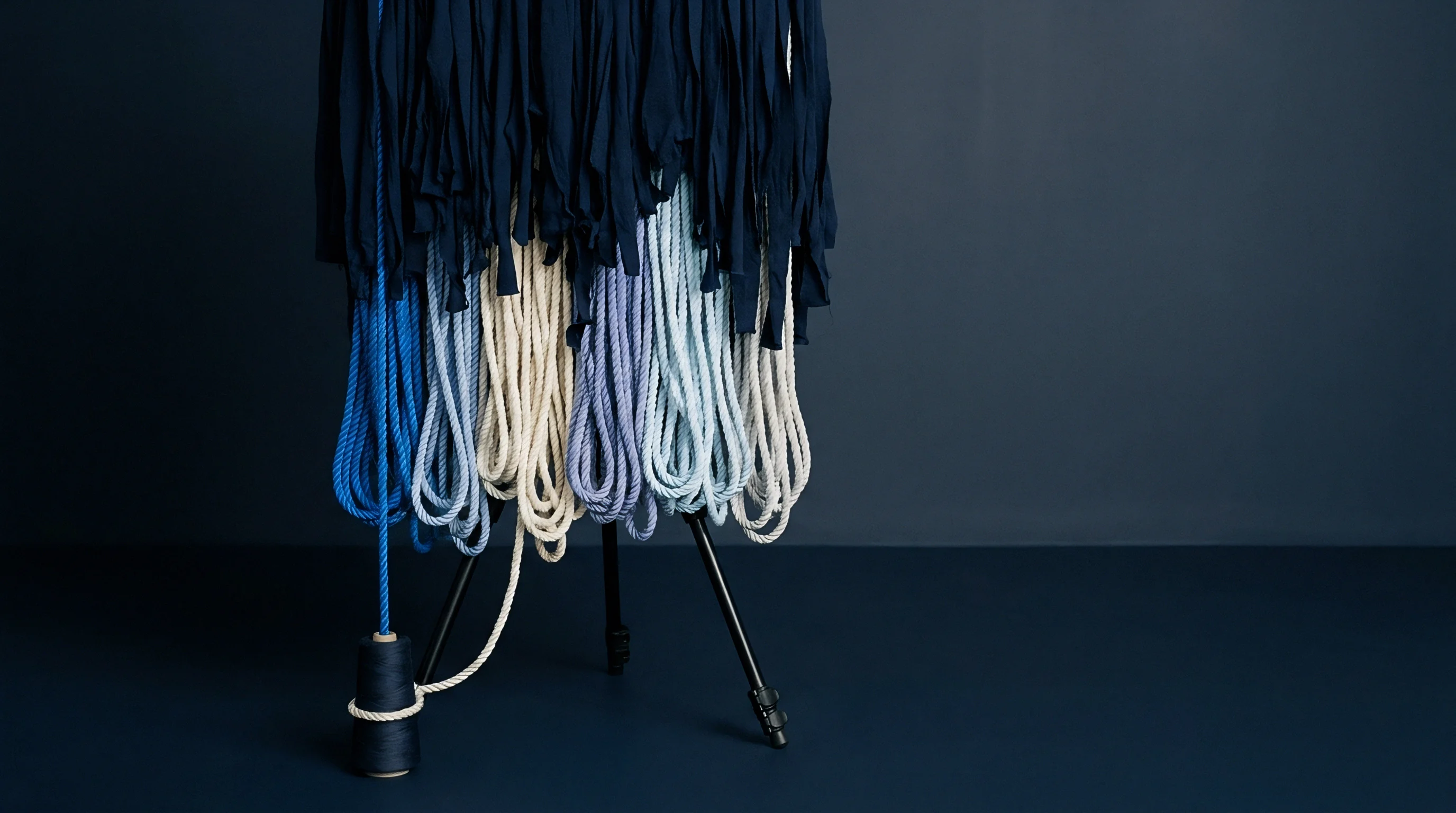
Liquor Ratio Dynamics and Bulk Diffusion
Liquor ratio selection directly affects reactive dye bath stability and exhaustion equilibrium in exhaust dyeing systems. For heavy woven fabrics, maintaining a liquor ratio between 1:6 and 1:10 ensures adequate fluid movement through the fabric rope or roll without over-diluting dyestuff and electrolyte concentrations. Processing at low liquor ratios below 1:5 reduces mechanical clearance inside dyeing vessels, causing severe channel flow where dye liquor bypasses the interior of heavy fabric folds as coarse yarns trap air within bundle cores and high thread counts restrict fluid passage.
The boundary layer of stagnant liquid clinging to dense yarns reduces the effective diffusion rate of reactive dyestuffs into individual cotton fibers. Agitation kinetics and liquor circulation rates must provide enough dynamic pressure to shear through this boundary layer. In jet and airflow dyeing machines, pump speed settings must maintain liquor exchange frequencies of at least two complete bath turn-overs per minute.
In jig dyeing, fabric speed through the trough and turn-around time on the rolls govern concentration equilibrium, demanding roll speeds above eighty metres per minute for dense wovens.
The capillary barrier of unmercerized heavy cotton duck restricts dyestuff diffusion into yarn cores, generating shade depth variance exceeding two Delta E units across the fabric thickness.
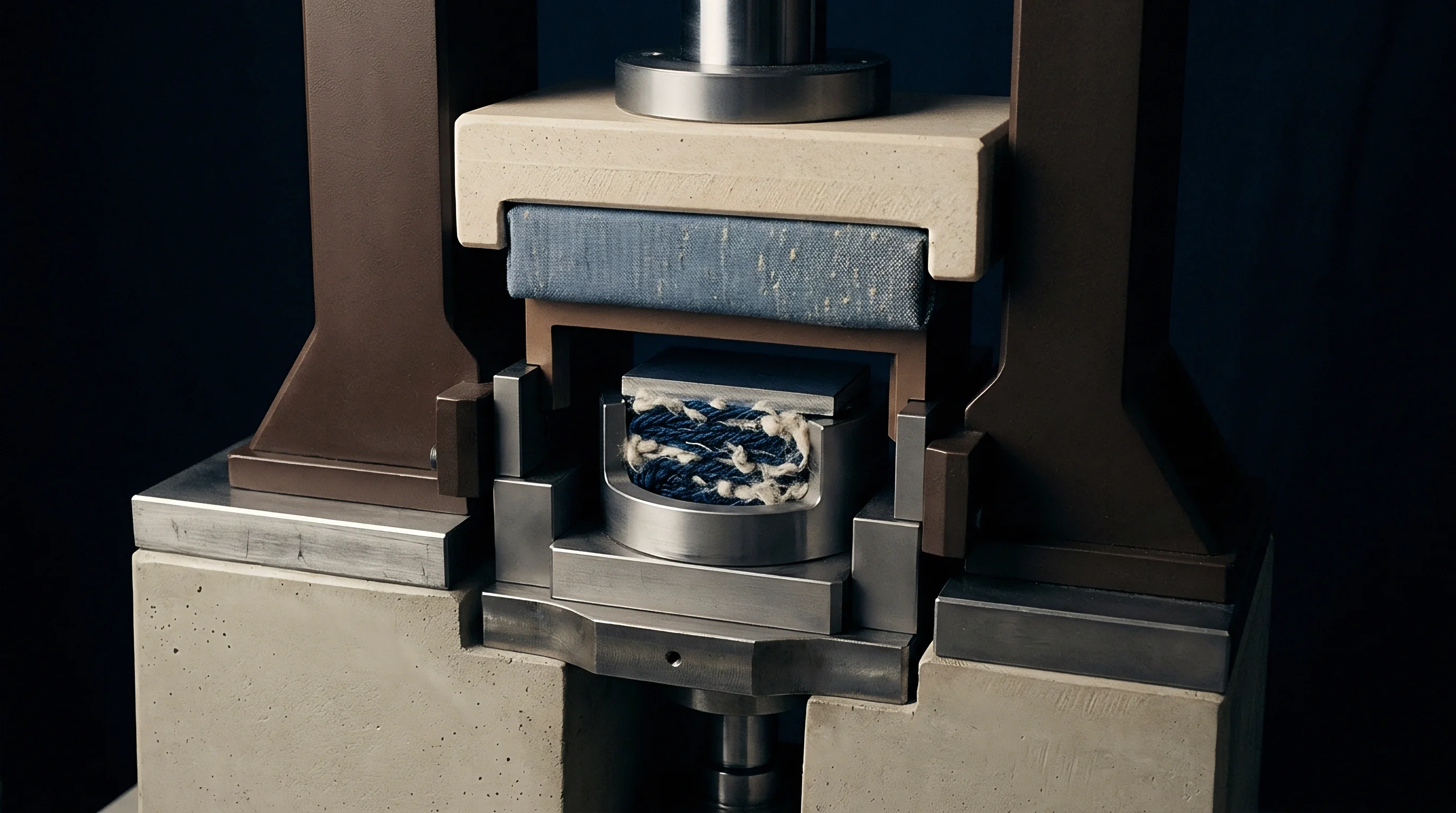
Substrate Preparation Impact on Penetration
Inadequate preparation steps show up directly as dye bath concentration instability during bulk exhaust or continuous dyeing operations. Residual sizing agents, natural cotton waxes, and residual pectins alter the hydrophilic balance of the fabric, leading to erratic local bath depletion. Desizing efficiency must bring starch residuals below 0.2 percent by weight, measured via iodine rating, to prevent non-uniform absorption rates across the fabric width.
Scouring processes for heavy wovens demand saponification and emulsification parameters capable of removing natural waxes down to an extractable wax content below 0.15 percent. Residual alkaline scouring agents trapped within thick fabric structures offset bath pH during dyeing, triggering premature reactive dye hydrolysis before level migration occurs. Neutralization steps post-scouring require continuous pH monitoring of core wash liquors, rather than surface testing alone, ensuring the internal fabric pH matches the initial dye bath setting within a tolerance of plus or minus 0.3 pH units.
The correlation between preparation uniformity and bath exhaustion rates highlights the necessity of strictly controlling incoming fabric absorbency, measured by a drop absorbency time under two seconds across all warp and weft zones.
Fabric construction parameters directly dictate the required liquor exchange dynamics and pressure thresholds in reactive dyeing, as detailed in the following breakdown of heavy woven specifications:
| Fabric Construction Type | Nominal Areal Weight (GSM) | Cover Factor (Warp + Weft) | Target Wet Pick-Up (%) | Minimum Liquor Turnover Rate |
|---|---|---|---|---|
| 3/1 Heavy Drill Twill | 420 ISO 3801 | 28.5 | 72 | 2.2 turnovers per minute |
| Plain Canvas Duck | 510 ISO 3801 | 31.2 | 68 | 2.8 turnovers per minute |
| Ripstop Workwear Canvas | 380 ISO 3801 | 26.8 | 75 | 2.0 turnovers per minute |
| Heavy Bedford Cord | 580 ISO 3801 | 33.0 | 65 | 3.1 turnovers per minute |
High twist warp yarns resist reactive dye molecules during standard sixty-minute exhaust cycles regardless of liquor flow rates, but correct concentration management overrides yarn twist resistance when liquor pressure and wetting agent dosing profiles align with fabric density.
Salinity
Electrolyte Suppression of Zeta Potential
Cellulosic fibers suspended in aqueous solutions generate a negative electrical surface potential ~ known as the zeta potential ~ that repels anionic reactive dye molecules. Dissolved inorganic salts, specifically sodium sulfate or sodium chloride, supply sodium cations that neutralize this negative charge, enabling dye molecules to approach within bonding range of the cellulose hydroxyl groups. Dye molecules aggregate at elevated salt concentrations.
In heavy cotton wovens, salt addition schedules determine whether dyestuffs distribute evenly throughout the thick fabric structure or precipitate rapidly on outer yarn surfaces.
Electrolyte concentrations for reactive dyeing of heavy wovens typically range between thirty and ninety grams per litre, depending on shade depth and dyestuff reactivity class. High concentration baths required for deep shades, such as navy or black, present substantial risk of dye aggregation if electrolyte addition occurs too rapidly. When sodium sulfate concentrations exceed sixty grams per litre, vinyl sulfone and bis-monochlorotriazine dye solubility decreases, leading to localized exhaustion spikes and surface ring-dyeing.

Linear and Dosing Profiles for Salt Addition
Adding electrolyte in a single bulk charge causes rapid drop-out of dyestuff from the bath onto outer yarn layers, leaving inner yarn cores under-dyed. Progressive dosing profiles prevent this concentration shock. Linear dosing spreads salt delivery over twenty to forty minutes, whereas progressive exponential dosing delivers small initial quantities followed by increasing increments as bath migration proceeds.
For heavy woven structures, a progressive dosing profile yields superior dye migration inside dense weave intersections. The initial low salt concentration permits dyestuffs to penetrate deep into yarn capillary structures without binding prematurely to outer cellulose fibers. As salt concentration rises linearly over time, equilibrium exhaustion increases systematically, driving dyestuff into inner fiber zones where fluid flow is restricted.

Electrolyte Solubility Limits and Temperature Interaction
Temperature interacts directly with salt solubility and reactive dye affinity during the exhaust phase. At lower temperatures between thirty and forty degrees Celsius, salt solubility remains high, but reactive dye affinity is elevated, accelerating initial uptake rates. Raising temperature to sixty or eighty degrees Celsius increases dyestuff solubility and diffusion rates inside cotton fibers while lowering substantivity, allowing dye molecules to migrate out of overloaded zones back into the liquor.
Sodium chloride solubility reaches saturation near 357 grams per litre at twenty degrees Celsius, whereas sodium sulfate solubility changes sharply with temperature, dropping significantly below thirty degrees Celsius. Cooling dye baths containing high sodium sulfate concentrations leads to salt crystallization within piping, pumps, and fabric rolls. Because temperature control fixes reactive bonding rates, dyeing floors operating in cold ambient environments must maintain bulk salt slurry tanks above thirty-five degrees Celsius to ensure precise volumetric dosing into main dye vessels.
Proper management of electrolyte dosing requires adherence to specific operational criteria across different reactive dye classes, as outlined below:
- Low Substantivity Dyes require salt dosing profiles spread over forty minutes with initial concentrations capped at ten grams per litre during early migration phases.
- High Affinity Bis-Reactive Dyestuffs demand controlled exponential salt additions starting at five grams per litre to prevent instantaneous surface exhaustion on heavy twill structures.
- Vinyl Sulfone Reactive Classes necessitate temperature stabilization at sixty degrees Celsius prior to salt additions to avoid thermal precipitation in high-salinity baths.
- Cold-Pad-Batch Dyeing Systems require complete dissolution of electrolytes in feed tanks using high-shear mixing before delivery to the pad trough.
Dyeing technicians frequently encounter shade variations when water metering systems deviate by more than three percent, altering the calculated electrolyte concentration per litre and disrupting bath exhaustion kinetics during critical fixation phases.


Depletion
Dye Bath Depletion Kinetics
Depletion kinetics define the rate at which reactive dyestuffs leave the liquid phase and adsorb onto cotton fibers during exhaust dyeing. In heavy woven fabrics, rapid bath depletion creates severe side-to-center and end-to-end shade variance due to the time lag required for liquor to traverse heavy fabric rolls or thick rope constructions. Real-time spectrophotometer absorbance monitoring at specific lambda-max wavelengths reveals steep depletion curves during the initial fifteen minutes following salt or alkali additions.
Controlling the bath depletion rate requires managing dyestuff substantive equilibrium prior to alkali injection. Reactive dye molecules remain in a reversible adsorption state until alkali triggers chemical reaction with cellulose. If dye bath depletion exceeds 1.5 percent concentration loss per minute during the neutral exhaustion phase, migration is insufficient, resulting in un-level dyeing across dense fabric cross-sections.
Alkali Dosing and Covalent Fixation Dynamics
Alkali addition shifts bath pH from neutral to an alkaline range between 10.8 and 11.5, converting cellulose hydroxyl groups into cellulosate anions that form covalent bonds with reactive dye functional groups, though competing hydrolysis reduces usable dye yield. Liquid sodium carbonate, sodium hydroxide, or trisodium phosphate dosing must be metered precisely to prevent rapid pH spikes that cause instantaneous dyestuff fixation before level distribution is achieved.
Progressive alkali dosing over twenty to thirty minutes prevents surface fixation localized to outer fabric wraps on jig beams or outer rope surfaces in jet vessels. Alkali dosing schedules typically start with mild alkali such as sodium carbonate to slowly elevate pH to 10.5, followed by controlled dosing of diluted sodium hydroxide to achieve the target fixation pH of 11.2 for vinyl sulfone dyestuffs. This stepped or progressive profile maintains bath concentration stability while sustaining dyestuff migration into tight woven intersections.
Excessive alkali dosing speed accelerates reactive dye hydrolysis, wasting dyestuff and causing permanent core-to-surface shade variance in heavy woven canvas.
Hydrolysis Mechanisms and Concentration Losses
Reactive dyes in aqueous alkaline baths undergo competing reactions: covalent bonding with cellulosic fibers and hydrolysis with hydroxyl ions in water. Hydrolyzed dye molecules lose their reactive group and can no longer form covalent bonds with cellulose, remaining trapped in fabric pores as unfixed color that degrades wash fastness properties. High liquor ratios and elevated pH levels increase hydrolysis rates, reducing overall dye bath exhaustion efficiency.
Managing the ratio of active reactive dye to hydrolyzed dye requires strict control over bath temperature, pH, and fixation time. Heavy cotton wovens demand extended fixation times up to ninety minutes to allow complete alkali diffusion into yarn cores. However, extending fixation time beyond ninety minutes in highly alkaline baths increases the rate of dyestuff hydrolysis and risks bond cleavage of previously fixed dye-cellulose linkages.
Liquor depletion reaching 14 percent before electrolyte dosing is completed directly causes core pale spots in 500 GSM cotton canvas runs, forcing an immediate restructuring of the salt dosing curve.
To quantify the financial and operational trade-offs of liquor exhaustion efficiency, consider the following performance and cost metrics for three distinct dosing schedules on heavy 450 GSM cotton canvas:
| Dosing Profile Strategy | Fixation Yield (%) | Hydrolyzed Dye Loss (%) | Total Process Cycle Time (Min) | Chemical Cost per Metre (USD) |
|---|---|---|---|---|
| Single Stage Bulk Addition | 58.2 ISO 105-X12 | 24.5 | 110 | 0.42 |
| Linear Dosing Over 30 Min | 71.5 ISO 105-X12 | 14.2 | 145 | 0.36 |
| Progressive Exponential Dosing | 79.8 ISO 105-X12 | 8.6 | 170 | 0.31 |
Under standard supply contract terms governing bulk shade approvals, a shade variance across a single fabric roll exceeding Delta E 0.8 under D65 illuminant permits immediate rejection of the delivered bulk batch at the converter expense.
Swell

Cellulose Fiber Swelling Mechanisms
Aqueous solutions cause natural cotton fibers to expand radially by up to fourteen percent, while axial length changes by less than one percent. Fiber volume increase shrinks interstitial voids between yarns in heavy cotton wovens, reducing fabric air permeability and restricting open channels available for bulk dye liquor flow. In tight canvas and heavy twill weaves, fiber expansion locks yarn intersections and turns porous greige cloth into a high-resistance fluid filter, while higher liquor ratios elevate overall thermal demands.
Controlling fiber expansion during dyeing requires precise management of bath temperature, alkalinity, and mechanical tension. Pre-mercerization under tension reorganizes internal cellulose microfibrils, controlling subsequent water-induced expansion in the dye vessel. Mercerized yarns exhibit reduced cross-sectional swelling variation during wetting, maintaining continuous micro-capillaries that facilitate steady dyestuff transport across heavy fabric planes.
Mechanical Interlocking and Channeling Modes
When heavy woven fabric swells inside a jet or jig vessel, liquor flow paths shift from open fabric apertures to path-of-least-resistance channels around the fabric body. In jet machines, excessive rope compaction caused by fabric expansion leads to persistent rope marks, crack marks, and longitudinal shade streaks. In jig machines, fabric expansion increases roll diameter rapidly, increasing tension on the warp yarns and altering liquor squeeze dynamics at the roll nip.
Differential swelling between warp and weft yarns induces fabric distortion and bow, particularly in asymmetric weave structures like 3/1 or 4/1 heavy twills. Warp yarns, under higher mechanical tension during weaving and preparation, exhibit different swelling kinetics compared to low-tension weft yarns. Controlling bath chemistry with penetrating wetting agents and swelling regulators balances water uptake between warp and weft, maintaining uniform structural channels throughout the wet processing cycle.
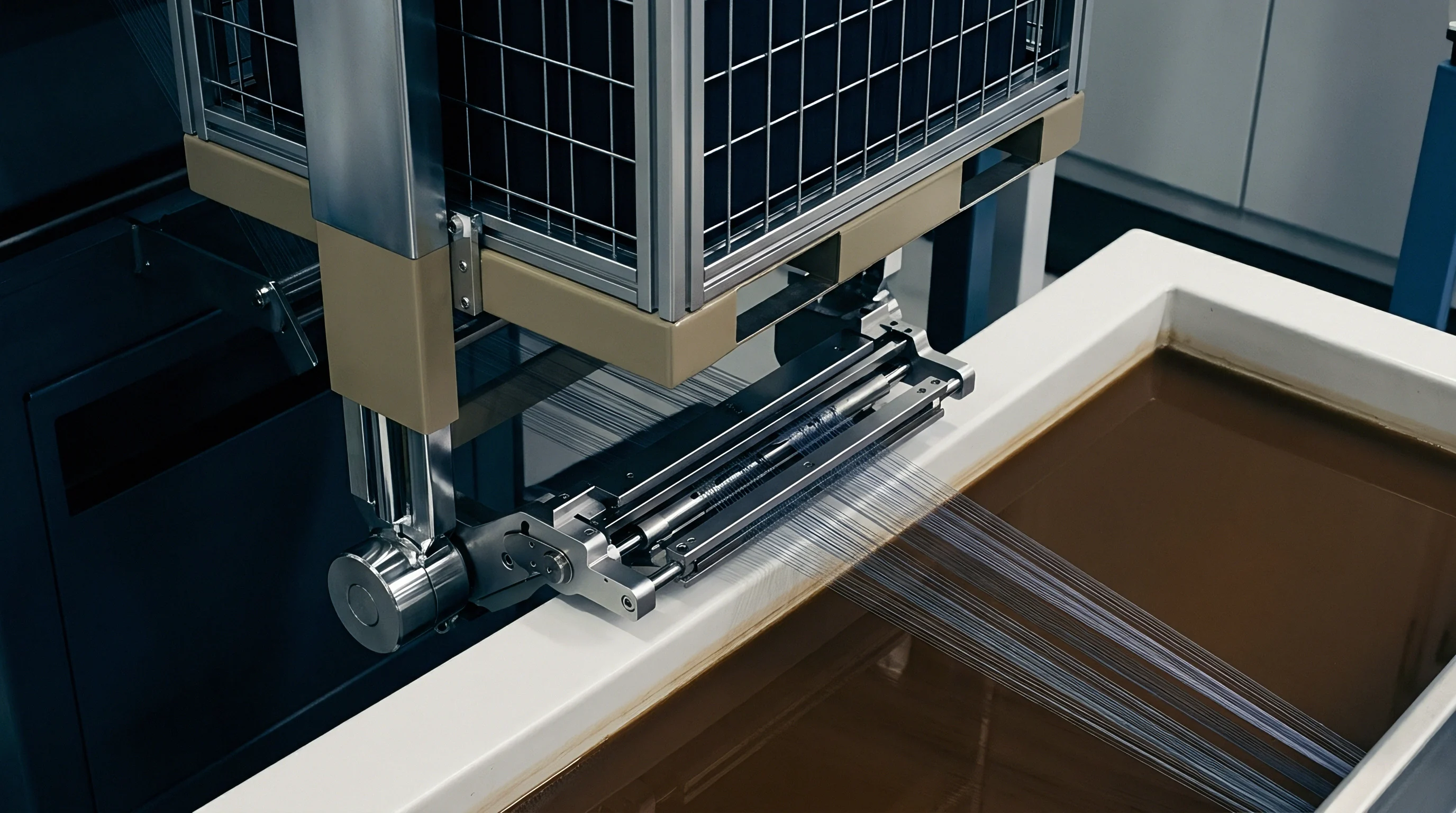
Surface Tension Regulators and Bath Penetration
Low-foaming non-ionic or anionic wetting agents reduce bath surface tension from 72 mN/m down to less than 30 mN/m, forcing liquor into compressed fiber capillaries inside swollen yarn structures. Wetting agent choice must match dye bath ionic conditions; anionic wetting agents must remain stable across high salt concentrations up to ninety grams per litre and alkaline pH levels up to 11.5.
In continuous padding operations, wetting agent concentration dictates the liquor squeeze-out uniformity at the pad nip. Insufficient wetting agent leads to surface liquor pooling, while excessive wetting agent causes bath foaming and air entrapment within heavy fabric structures. Foam bubbles trapped inside dense weave structures prevent dye liquor contact, producing micro-specks of pale un-dyed fibers visible under low-power magnification.
Execution of continuous or batch dyeing on heavy cotton wovens mandates adherence to specific mechanical and chemical control steps, detailed in the following operational checklist:
- Verify raw fabric absorbency using drop test method ISO 9073-6 to ensure drop sink times remain below 1.5 seconds across all warp zones.
- Measure feed water hardness continuously, maintaining total hardness below 50 ppm calcium carbonate equivalent to prevent dyestuff precipitation.
- Calibrate volumetric dosing pumps for salt and alkali feeds using direct mass-flow meters prior to executing progressive dosing curves.
- Monitor dye bath temperature using dual calibrated RTD sensors, maintaining a thermal gradient variation under 0.5 degrees Celsius across the vessel width.
- Measure liquor pH at five-minute intervals during alkali dosing, confirming step-wise stabilization before advancing to final fixation temperatures.
When uncalibrated padding rollers generate a four percent wet pick-up gradient across the roll width of 550 GSM cotton duck, 3,200 metres of heavy duck canvas are ruined, incurring $14,200 in scrapped material.
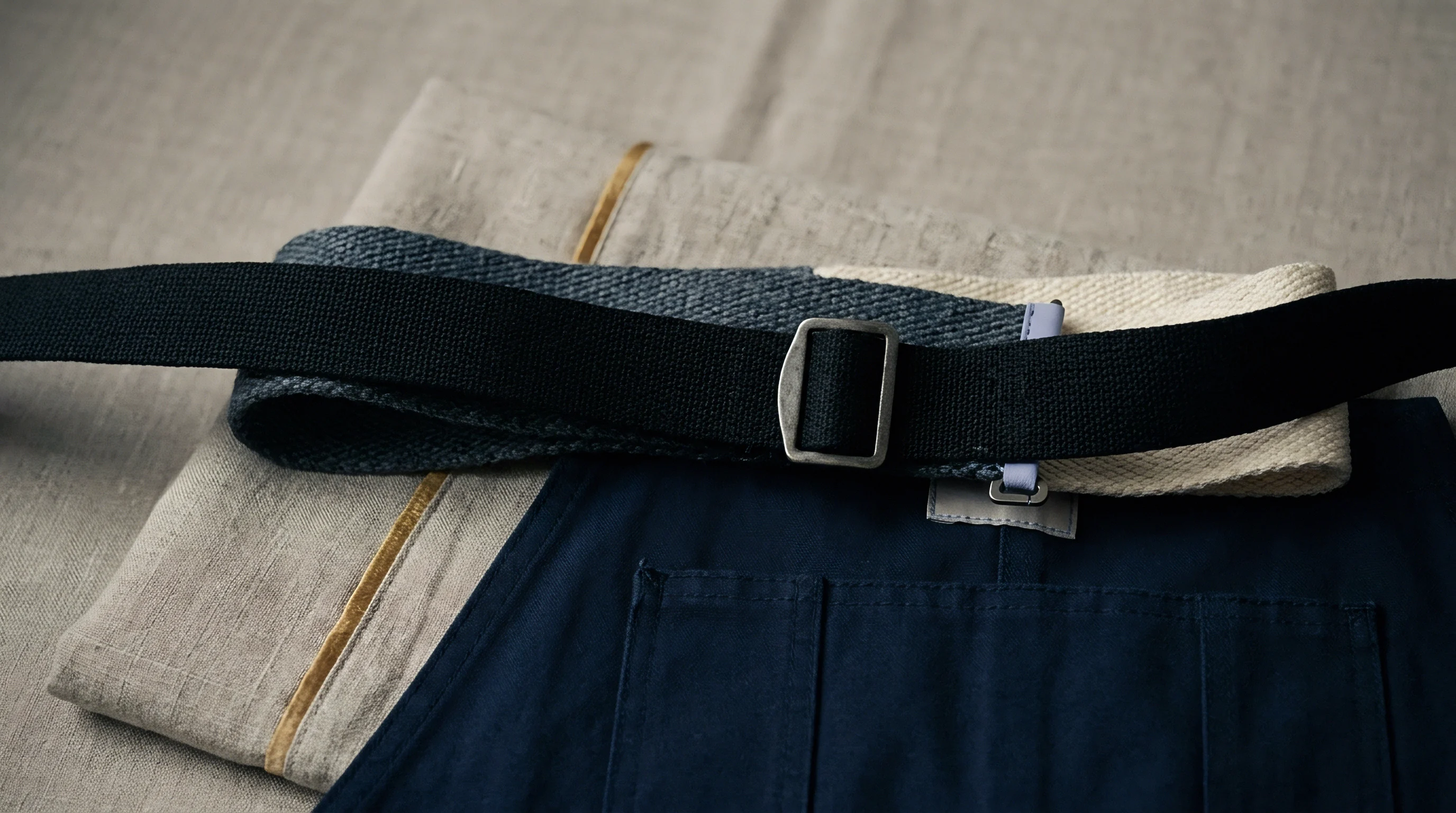
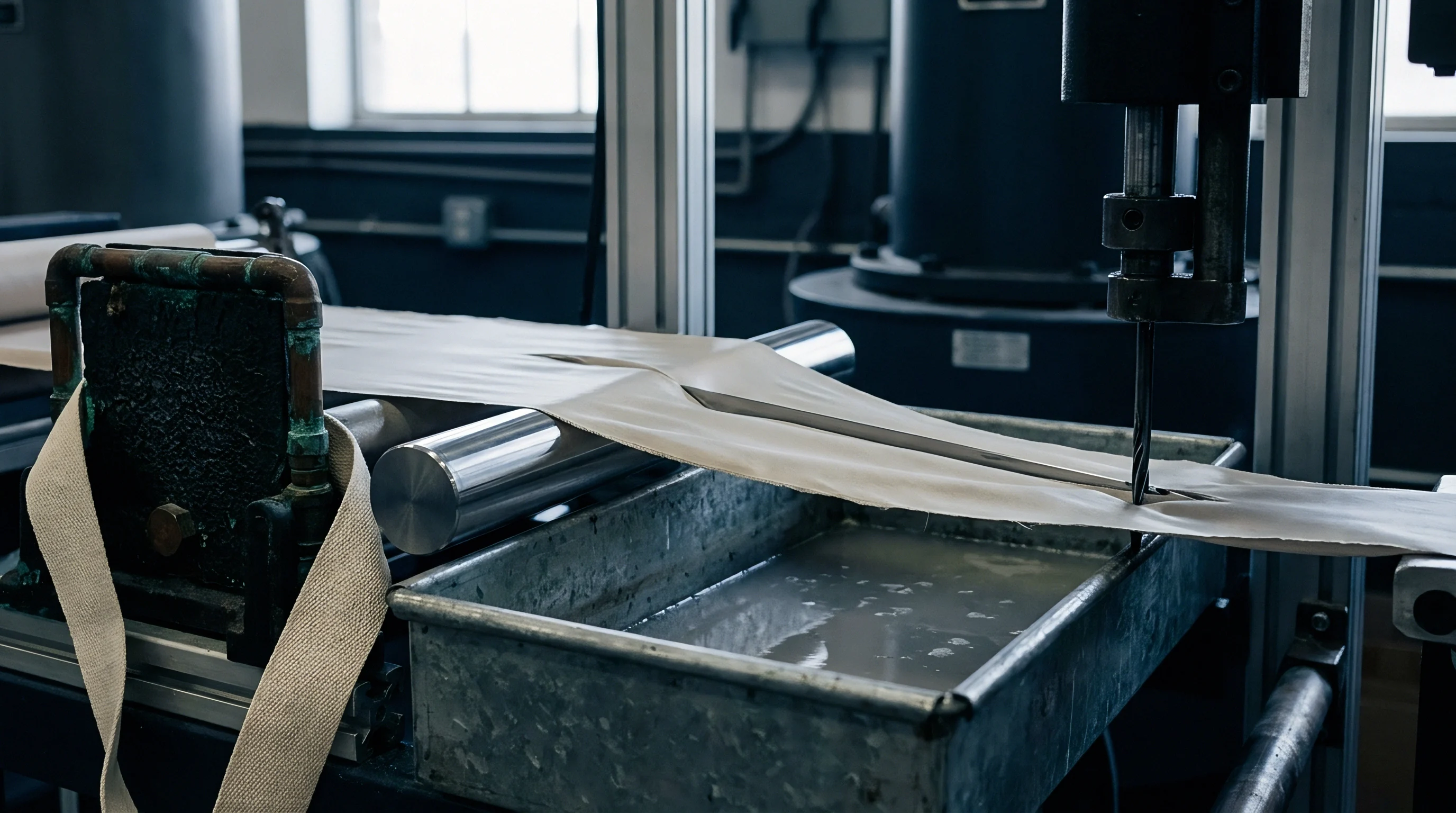
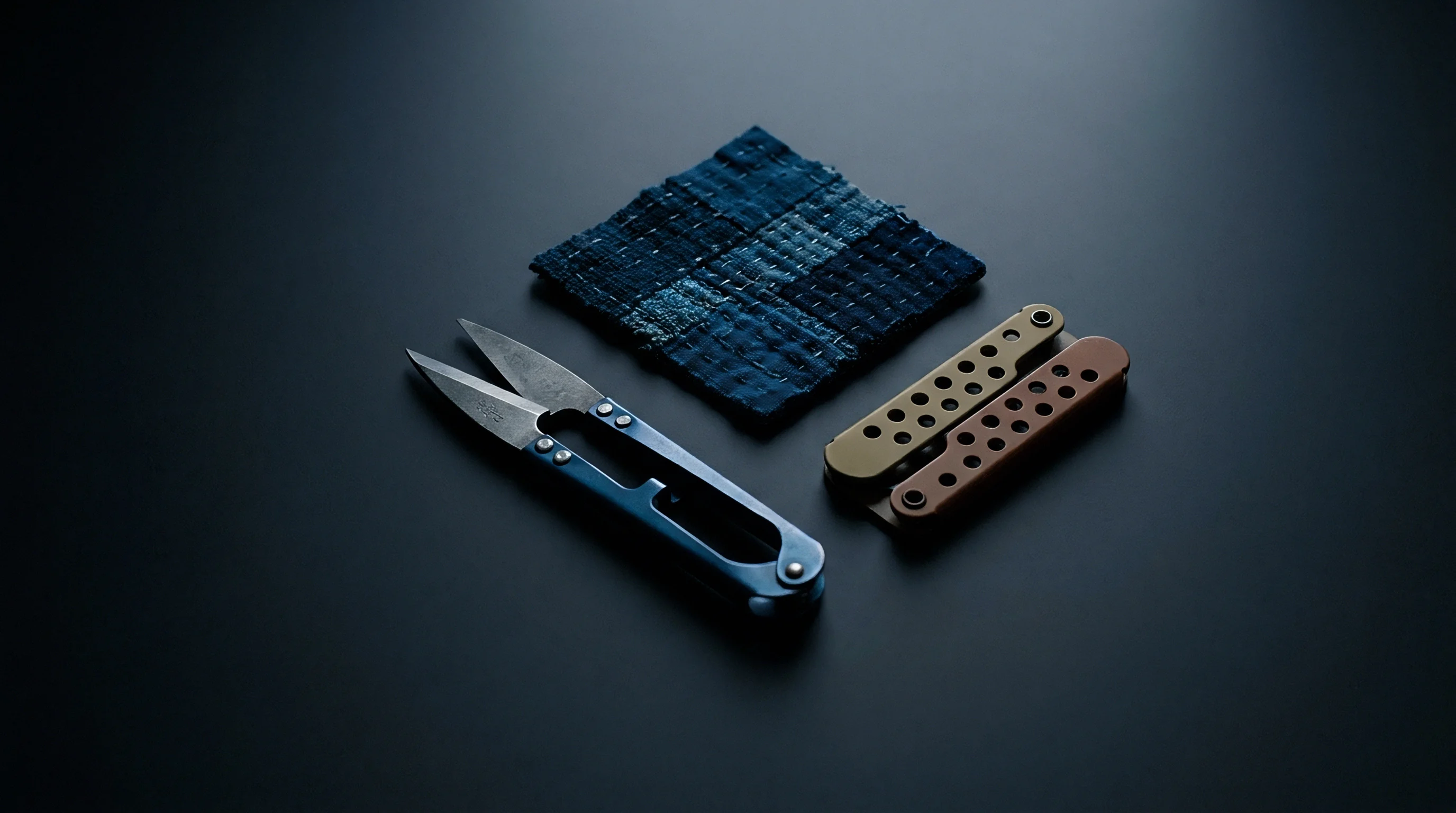
Margin
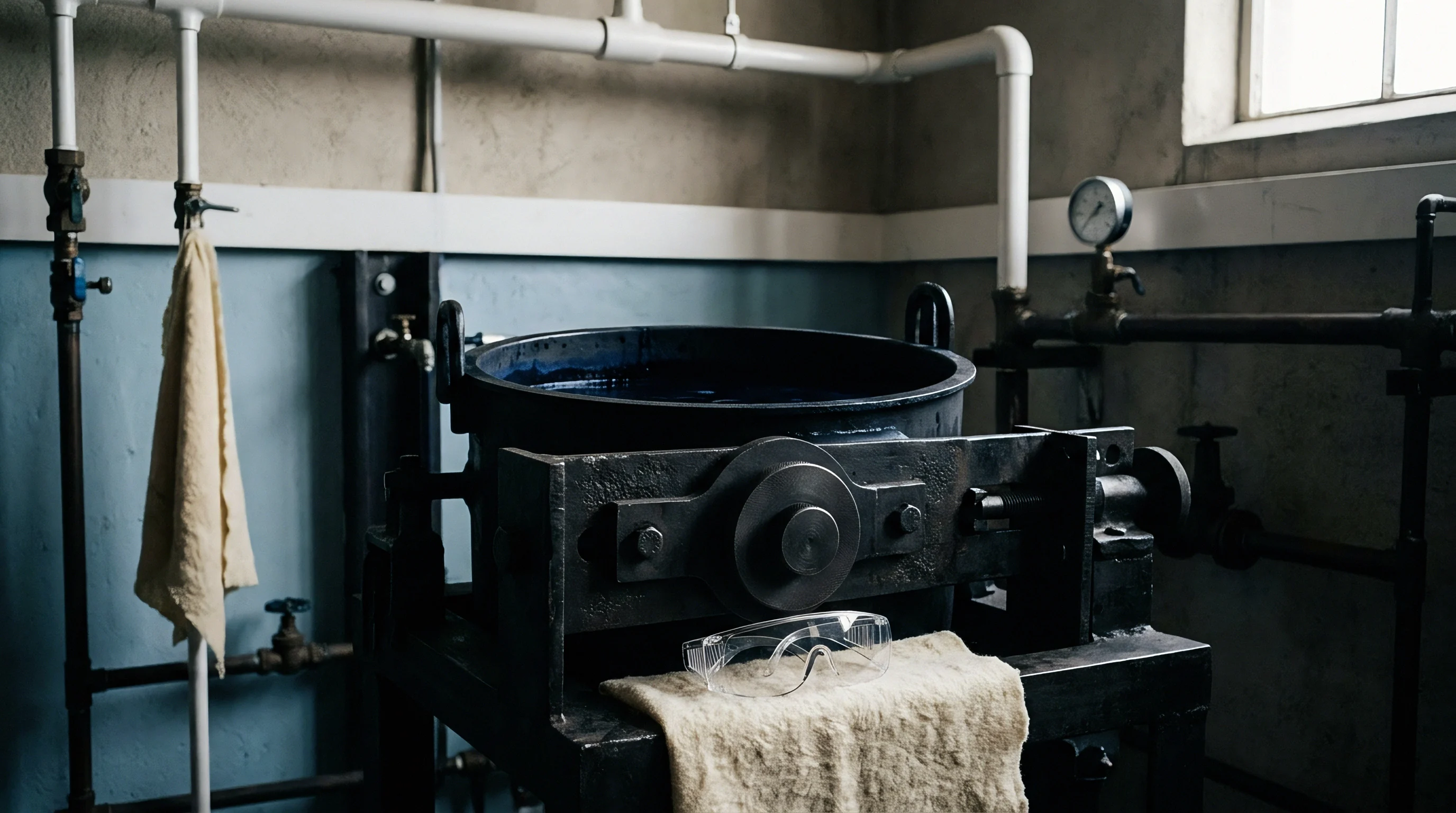
Concentration Variance and Cost Control
Direct cost calculations for reactive dyeing of heavy cotton wovens must integrate dyestuff exhaustion efficiency, chemical auxiliary usage, water consumption, and energy required for elevated temperature fixations. Dyestuff accounts for thirty-five to fifty percent of total wet processing cost in deep shades. Failing to control bath concentration leads to dyestuff hydrolysis, increasing raw material expense per finished metre without adding shade depth.
Liquor ratio management directly controls utility costs. Processing at a 1:8 liquor ratio instead of a 1:12 ratio reduces thermal energy required for heating by thirty-three percent and lowers salt usage by thirty-three percent per kilogram of fabric dyed. Monitoring liquor ratio drift during long batch exhaust cycles is essential, as water conservation reduces effluent treatment surcharges, which are tied directly to total dissolved solids and chemical oxygen demand in discharged dye baths.

Effluent Management and TDS Loading
High salt concentrations required for reactive dyeing generate substantial environmental compliance costs due to total dissolved solids loading in discharge streams. Sodium sulfate concentrations of sixty grams per litre yield high conductivity effluent that requires reverse osmosis or evaporative crystallizer processing before discharge. Replacing sodium sulfate with high-solubility specialized electrolytes reduces environmental surcharges in specific jurisdiction zones, though raw chemical purchase price is higher.
Chemical oxygen demand in reactive dye effluent originates primarily from organic chelating agents, wetting surfactants, and unfixed dyestuffs discharged during post-fixation washing sequences. Optimizing bath concentration control increases initial fixation yield, reducing unfixed dye load in wash waters and decreasing the volume of hot wash water required to achieve fastness compliance. Efficient rinsing profiles reduce post-dyeing wash steps from six hot rinses down to four, saving energy and water.

Commercial Tolerances and Shade Rejection Risks
Bulk fabric purchasing agreements for heavy cotton wovens enforce strict physical and optical performance tolerances. Color variance specifications routinely enforce an upper limit of Delta E 0.8 under CIE D65 and TL84 illuminants using ISO 105-J03 color measurement protocols. Failing to maintain dye bath concentration stability causes shade batching failures, forcing dyehouses to strip and re-dye fabric lots, which degrades tensile strength and dimensional stability.
Tensile strength loss during stripping and re-dyeing operations often exceeds fifteen percent, pushing heavy workwear cottons below minimum ISO 13934-1 strength specifications. Strip and re-dye procedures use strong reducing agents like sodium hydrosulfite combined with sodium hydroxide at elevated temperatures, which degrades cellulose polymer chains and increases yarn pilling tendencies under ISO 12945-2 test conditions. Controlling initial bath concentration parameters protects fabric structural integrity and guarantees compliance with commercial delivery windows.
Consider a post-mortem analysis of a failed 10,000-metre production run of 480 GSM heavy cotton twill, where improper bath concentration management led to catastrophic commercial losses. The target shade was a deep industrial olive green using a combination of reactive yellow, blue, and red dyestuffs. The dyehouse operated at an unmonitored liquor ratio that drifted from 1:7 to 1:11 due to leaky heat exchanger valves inside the jet dyeing machine.
Dilution reduced electrolyte concentration from sixty grams per litre to thirty-eight grams per litre during the salt migration phase, causing severe exhaustion imbalance among the three dyestuffs. The yellow dyestuff, possessing higher substantivity, adsorbed rapidly, while the blue dyestuff remained in solution. The resulting bulk fabric exhibited severe listing variance, with the fabric center measuring Delta E 1.6 yellow-dominant compared to the fabric selvedges.
The buyer rejected the entire 10,000-metre lot under standard quality clauses, forcing the mill to absorb full material, processing, and late-delivery penalty costs totaling $68,500.
Contractual specifications for bulk heavy cotton fabric orders require strict adherence to defined tolerances, as detailed in the following standard quality procurement clause:
Section 8.3 of Sourcing Contract Standard 402: The delivered woven fabric lot must exhibit a total color difference Delta E non-exceeding 0.80 CMC 2:1 against the approved primary physical lab dip, tested under D65, A, and TL84 illuminants with specular component included; non-compliant roll yardage shall be replaced entirely at the manufacturer cost, including all freight, import duty, and cutting table downtime charges incurred by the buyer.