
Correcting Isobaric Peptide Mass Shifts in Proteomic Fiber Quantification
Correcting isobaric peptide mass shifts in proteomic fibre testing prevents false wool detections and protects cashmere customs declarations from penalties.
Correcting isobaric peptide mass shifts in proteomic fibre testing prevents false wool detections and protects cashmere customs declarations from penalties.

Standardized trypsin digestion at pH 8.2 and thirty-seven degrees for sixteen hours yields diagnostic peptides separating cashmere from wool by liquid chromatography.

Proteomic LC-MS/MS quantifies animal hair blend percentages by measuring species-specific keratin peptide markers against isotope-labeled internal standards.

LC-MS/MS proteomic quantification isolates species-specific tryptic peptides to measure cashmere content in processed yarns within two percent accuracy.

Proteomic mass spectrometry isolates species-specific keratin peptides to quantify animal fiber blend ratios precisely despite chemical or physical scale damage.

LC-MS/MS biomarker quantification measures species-specific keratin peptide markers to verify cashmere yarn purity within a 1.0 percent mass limit of quantification.

LC-MS/MS tryptic peptide analysis provides species-specific verification of fine animal fibers, overriding optical scale degradation in processed blends.
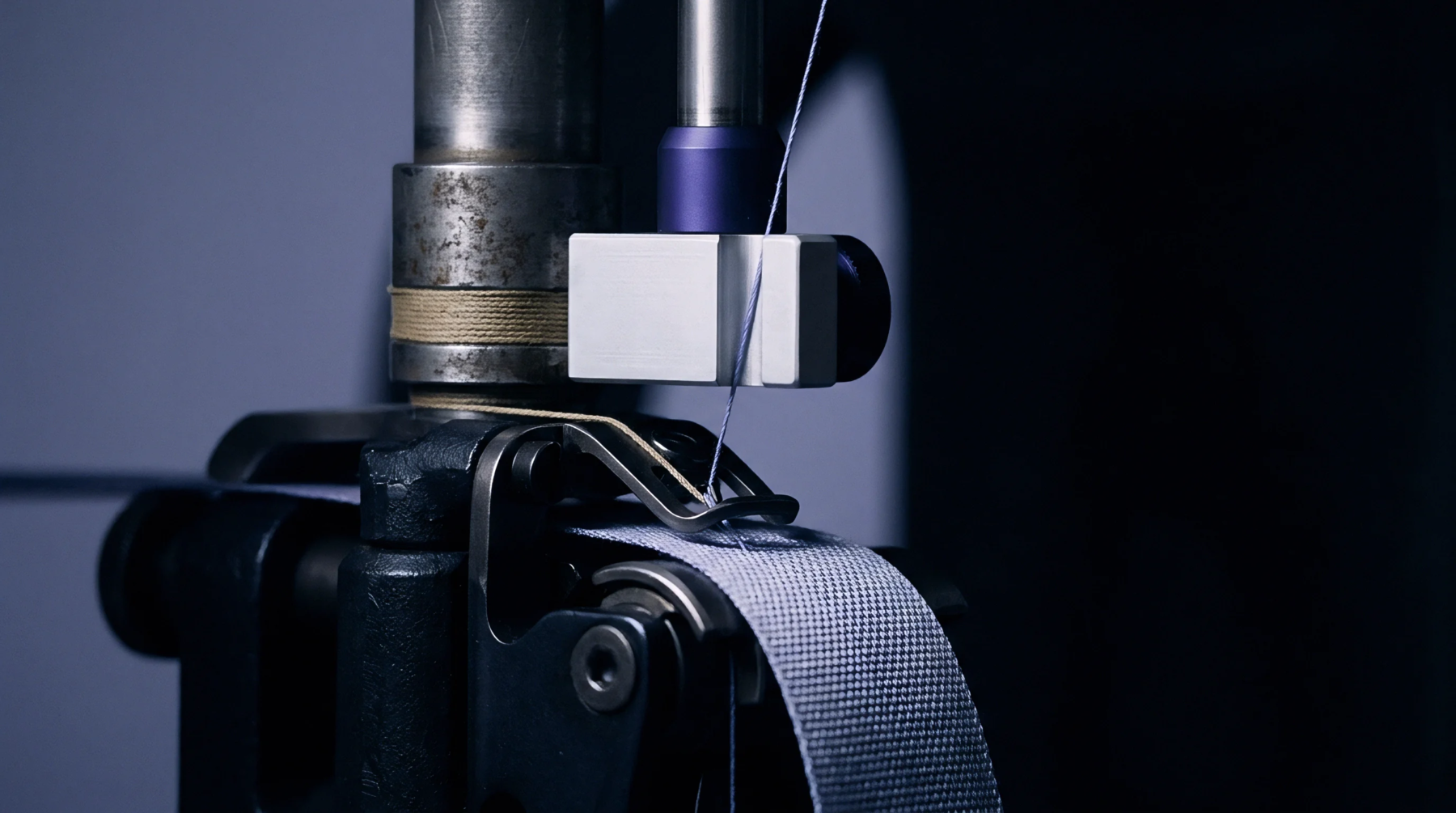
LC-MS/MS proteomic profiling quantifies species-specific keratin peptide markers, bypassing optical scale damage to verify fine animal fiber purity.
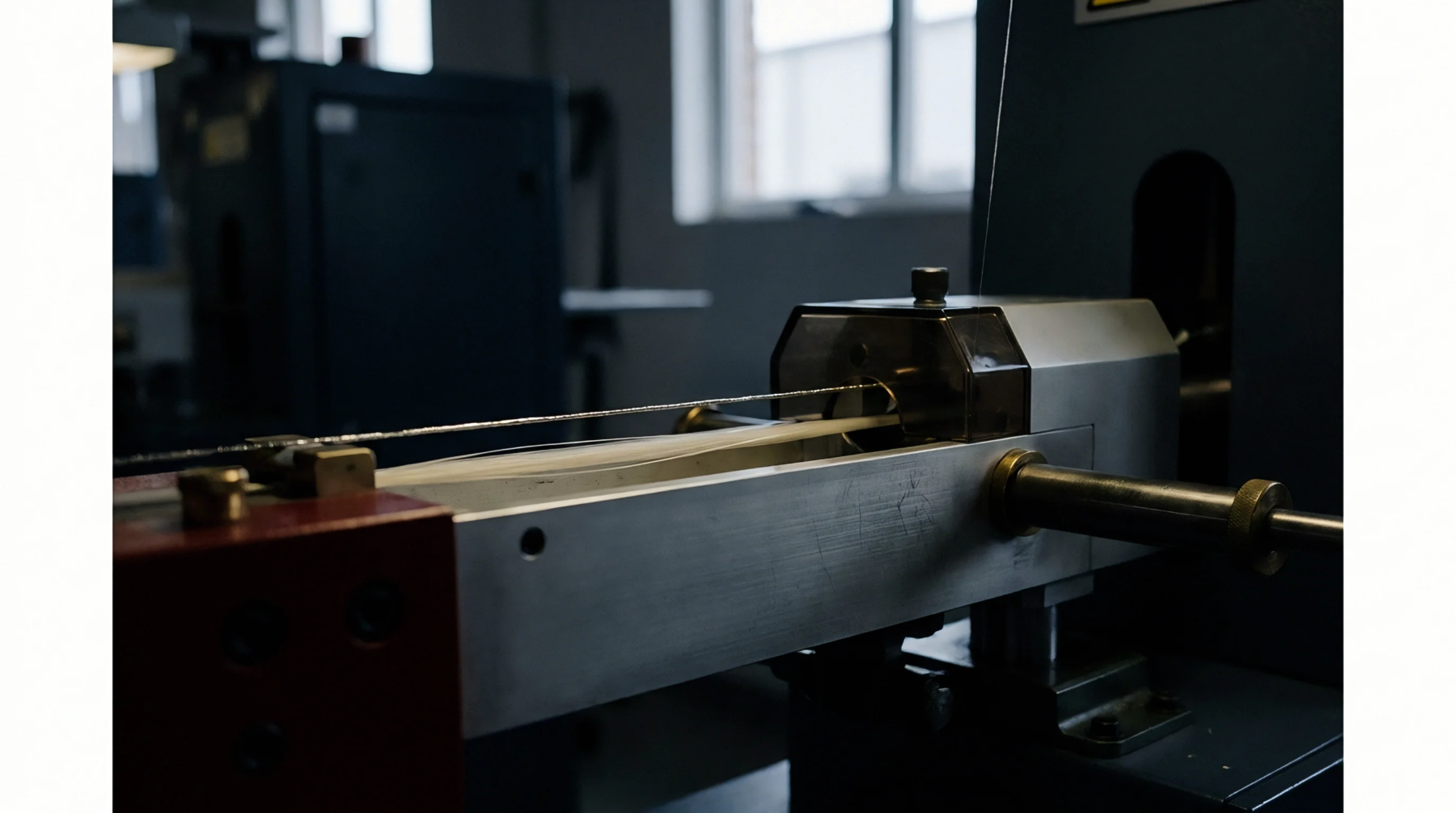
Defending a cashmere claim demands LC-MS/MS proteomic proof tied to core samples that survive ISO 17025 cross-examination across two split lots.
Expertise is a utility, not a secret. sentiention™ publishes its working knowledge as open reference: intelligence layer covering the materials it sources, the markets it enters, and the reference that serves both.