Potentiometric Measurement Thresholds in High Concentration Industrial Sodium Hydroxide Liquors
Potentiometric control of high-concentration sodium hydroxide liquors requires matrix-matched calibration and derivative titration to correct sodium error and junction potential.


Drift

Concentrated Caustic Solutions
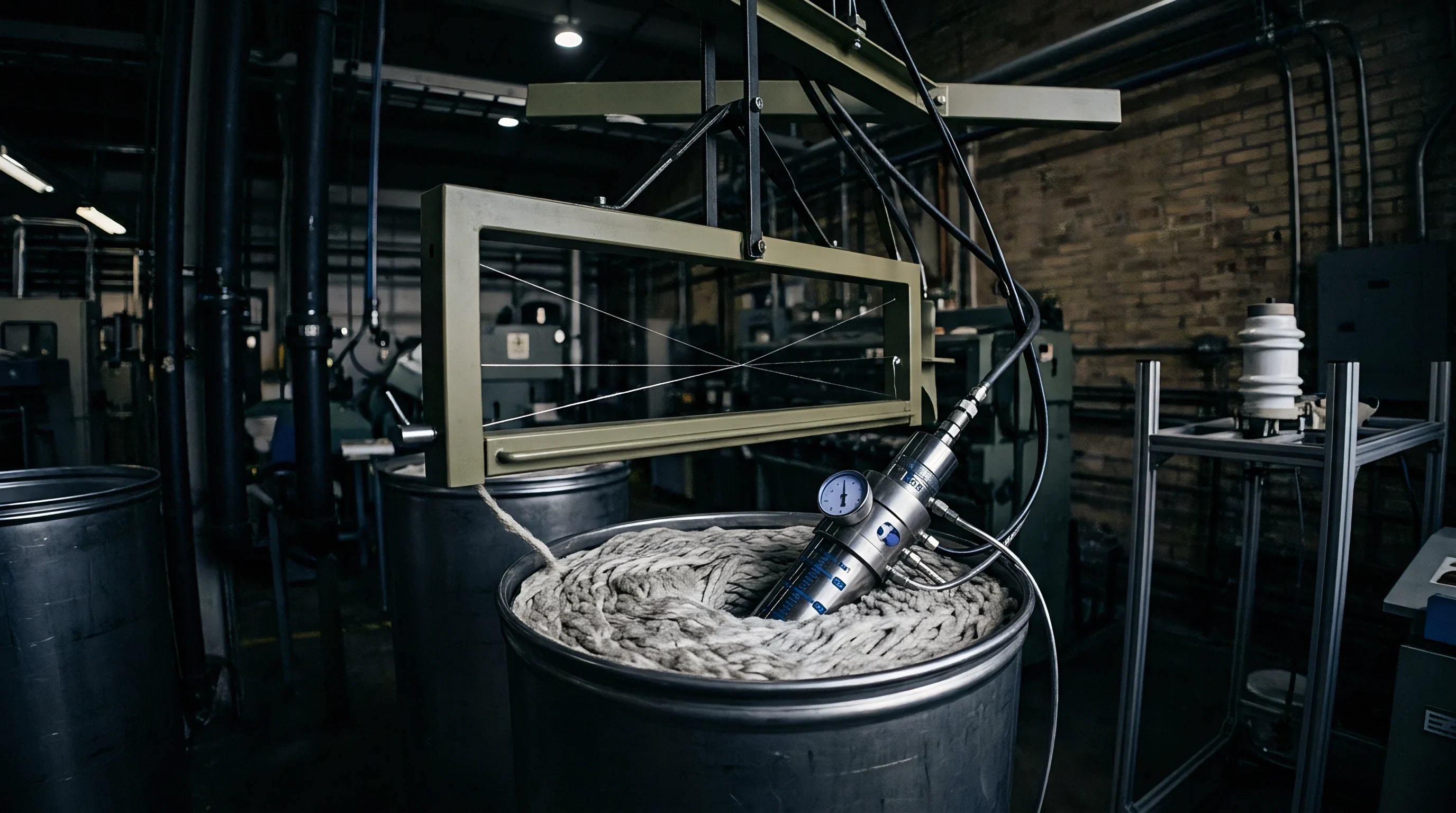
Mercerization baths in industrial textile finishing operate at sodium hydroxide concentrations between 20% and 30% by weight, equivalent to 220 to 350 grams of pure NaOH per liter of aqueous liquor. In these concentrated baths, hydroxide ion activity diverges sharply from molarity. Standard glass pH electrodes submerged in continuous mercerization lines experience severe electromotive force suppression because too few free water molecules remain to hydrate hydrogen ions.
With ionic strength exceeding 7.5 moles per kilogram in a 25% NaOH liquor, the solution operates far beyond the operational limits of Debye-Hückel activity models.
Extreme alkalinity causes rapid chemical breakdown of standard glass membranes.
When measuring potential in strongly alkaline industrial liquors, standard glass membranes suffer progressive breakdown of their hydrated gel layer. Hydroxide attack dissolves the outer hydrated silica layer on the bulb ~ the zone responsible for reversible ion exchange between solution hydrogen and glass lattice sodium. Hydroxide ions cleave siloxane bonds (Si-O-Si) in the glass matrix, forming soluble sodium silicate species.
This continuous chemical etching shifts the phase boundary potential, producing a persistent negative drift in electromotive force that routine automatic buffer calibrations fail to detect.

Hydration Limits
In a 30% sodium hydroxide solution, free water molecules are almost entirely bound within the primary hydration spheres of sodium cations and hydroxide anions. Each sodium ion coordinates roughly four to six water molecules, while hydroxide ions bind tightly to the surrounding water structure. Consequently, water activity falls from 1.00 in dilute solutions down to less than 0.70 in dense caustic liquors.
This loss of free water prevents proper rehydration of the electrode membrane, destabilizing the thin gel layer needed for a stable Nernstian response.
Concentrated sodium hydroxide liquors above seven molarity suppress water activity below zero point seven zero, causing irreversible dehydration of standard glass electrode gel layers within forty-eight hours of continuous immersion.
Hydroxide ion activity deviates significantly from simple concentration scaling.
Inline potentiometric measurements must account for the non-linear relationship between ion activity and mass percentage. As concentration rises from 200 grams per liter to 300 grams per liter, the mean ionic activity coefficient of NaOH jumps from roughly 1.4 to over 3.2. A sensor measuring potential without accounting for this activity coefficient underreports true bath strength.
The resulting operational errors include incomplete cotton cellulose swelling, uneven yarn mercerization, variable dye uptake across fabric lots, and erratic dimensional stability in finished woven goods.
Temperature fluctuations compound these electrochemical errors. Mercerization runs across thermal bands ranging from 15°C for cold processing up to 65°C for hot caustic treatment. Because the Nernstian slope factor (2.303 RT/F) increases linearly with absolute temperature, an uncompensated 10°C rise in bath temperature produces a measurement error equivalent to 0.15 pH units ~ roughly 12 grams per liter of active sodium hydroxide.
Tracking the electromotive force response across concentration gradients establishes true thermal compensation matrices for continuous inline sensors.
Without recalibration against matrix-matched caustic standards, automated dosing systems over-feed concentrated sodium hydroxide into process baths. This escalates chemical consumption while degrading cellulosic fibers through localized alkaline hydrolysis.


Alkali
Sodium Ion Dehydration
Highly alkaline media combine dense sodium ion concentrations with extremely low hydrogen ion availability. Standard potentiometric glass sensors show severe alkaline error (sodium ion error) above pH 12.0 whenever sodium concentration exceeds 1.0 M. In a 25% industrial caustic bath, sodium concentration exceeds 7.0 M. Under conditions this severe, sodium cations penetrate the hydrated gel layer of the glass membrane, competing directly with hydrogen ions for structural binding sites within the silicate network.
Sodium cations displace hydrogen ions within the silica network.
This sodium substitution alters the potential difference across the glass membrane, causing the electrode to register an artificially low voltage. The measured pH reads lower than actual alkalinity, leading process control systems to report a false drop in caustic strength. The magnitude of this sodium error grows exponentially with both pH and sodium concentration.
At pH 14.0 and 60°C, a standard general-purpose glass electrode can yield a negative voltage error exceeding 80 millivolts ~ an apparent reading error of over 1.3 pH units.
| NaOH Concentration (% w/w) | True NaOH Concentration (g/L) | Bath Temp (°C) | Measured EMF Offset (mV) | Apparent Concentration Error (g/L) | Electrode Membrane Glass Type |
|---|---|---|---|---|---|
| 15.0 | 163.5 | 25 | -22.4 | -14.2 | Standard Silicate |
| 15.0 | 163.5 | 50 | -41.8 | -28.6 | Standard Silicate |
| 20.0 | 222.0 | 25 | -38.6 | -26.1 | High-Alkali Lithium-Barium |
| 20.0 | 222.0 | 50 | -64.2 | -48.3 | High-Alkali Lithium-Barium |
| 25.0 | 285.0 | 25 | -52.1 | -39.5 | High-Alkali Lithium-Barium |
| 25.0 | 285.0 | 60 | -88.5 | -72.0 | High-Alkali Lithium-Barium |
| 30.0 | 351.0 | 25 | -71.3 | -58.4 | Specialized Heavy-Metal Oxide Glass |
| 30.0 | 351.0 | 60 | -112.0 | -98.2 | Specialized Heavy-Metal Oxide Glass |
Sensor Selection
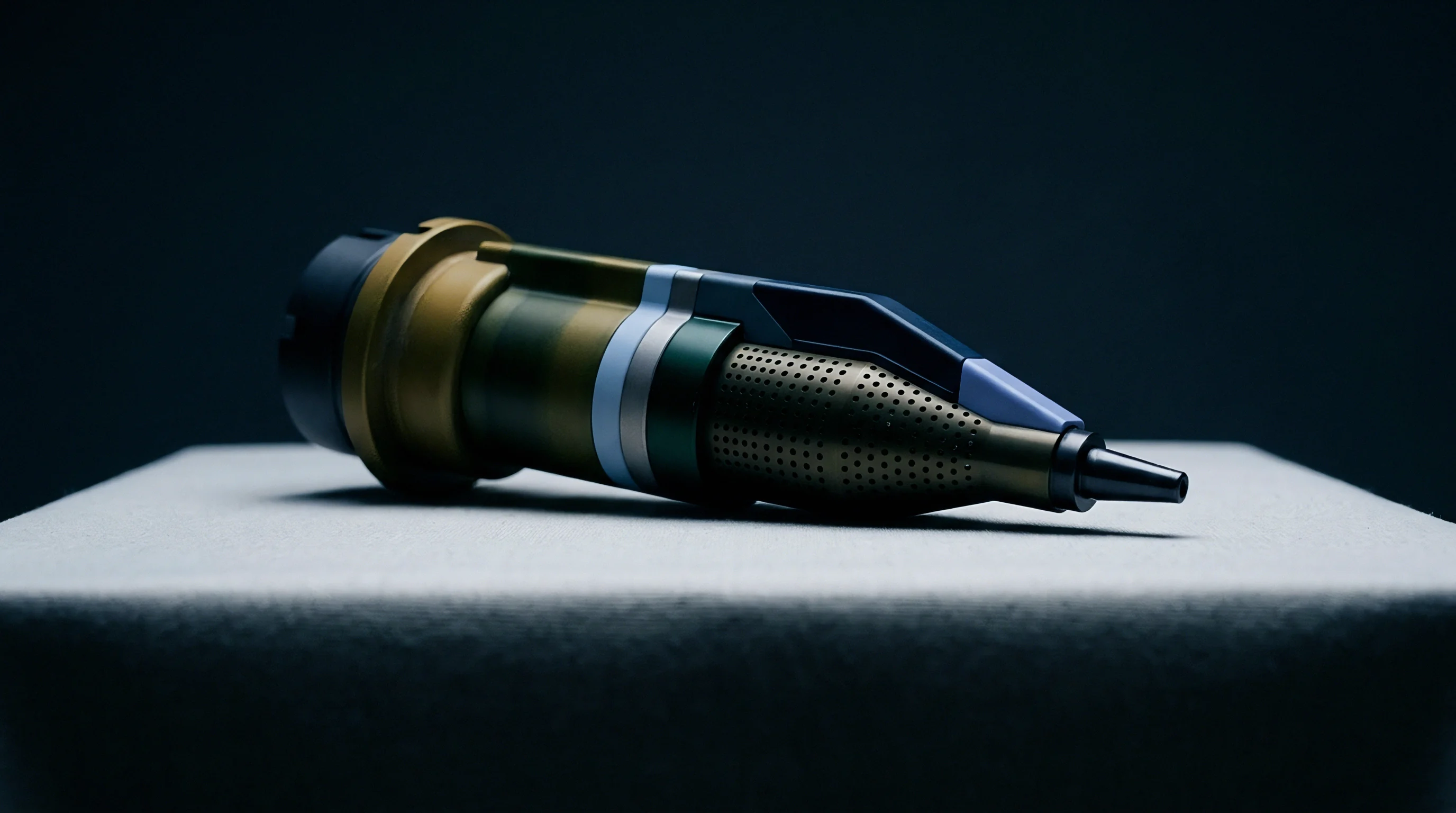
Mitigating sodium ion error requires replacing standard glass formulations with specialized high-alkali compositions. Formulations incorporating lithium oxide (Li2O), barium oxide (BaO), and zirconium dioxide (ZrO2) in place of conventional sodium oxide (Na2O) and calcium oxide (CaO) modifiers show significantly lower sensitivity to sodium exchange. Lithium’s smaller ionic radius forms a denser silicate glass network, blocking larger sodium ions from penetrating into inner sensing layers.
Standard calibration buffers lose accuracy at pH values above fourteen.
Solid-state Ion-Sensitive Field-Effect Transistor (ISFET) sensors provide an alternative potentiometric measurement mechanism for continuous caustic monitoring. ISFET devices rely on a semiconductor channel whose conductivity is modulated by charge accumulation on an insulating gate oxide layer ~ typically aluminum oxide (Al2O3), silicon nitride (Si3N4), or tantalum oxide (Ta2O5). Tantalum oxide gate ISFETs exhibit exceptional chemical stability in concentrated NaOH solutions up to 30%, with negligible sodium ion interference and fast thermal response times.
High-alkali glass membranes utilizing lithium-barium formulations reduce sodium ion voltage suppression by seventy percent compared to standard silicate glass in industrial liquors exceeding two hundred grams per liter NaOH.
Sensor lifespan presents a key operational trade-off when selecting continuous online sensors. Although tantalum oxide ISFET sensors resist sodium substitution error, continuous exposure to concentrated sodium hydroxide at temperatures above 50°C eventually causes slow hydrolysis of the gate oxide layer. Plant operators frequently mistake this oxide degradation for chemical drift, leading to unnecessary recalibrations with degraded or contaminated buffer solutions.
Standard glass pH probes exhibit inherent sodium voltage suppression above pH 12, causing measurement errors that routine plant maintenance alone cannot correct.

Probe

Chemical Etching Mechanics
Continuous exposure of glass potentiometric sensors to hot, concentrated caustic liquor causes severe structural degradation through chemical dissolution. Hydroxide ions dissolve the protective surface silica gel layer, exposing the underlying bulk glass matrix to direct attack. Etching proceeds through two main mechanisms: nucleophilic attack on silicon-oxygen bonds by hydroxide species, followed by leaching of alkali network modifier cations into the surrounding bath solution.
Higher operating temperatures accelerate the rate of glass membrane dissolution.
As dissolution thins the glass membrane wall, electrical resistance and structural integrity degrade. The bulk resistance of a standard spherical pH glass bulb typically ranges between 100 and 500 Mega-ohms at 25°C. Continuous caustic attack drops this resistance below 10 Mega-ohms within weeks, producing erratic potential fluctuations, extreme sensitivity to electrical noise from plant machinery, and total failure of the internal reference circuit.

Electrolyte Junction Failure
The liquid junction connecting the reference electrolyte to the process liquor represents the primary physical failure point in continuous caustic monitoring. Standard reference electrodes rely on a saturated potassium chloride (KCl) bridge solution separated from the process media by a porous ceramic or Teflon diaphragm. In concentrated sodium hydroxide, steep concentration gradients across the diaphragm drive rapid hydroxide diffusion into the reference cell while potassium and chloride ions leach out into the bath.
Diaphragm fouling occurs when silica dissolved during glass etching reacts with calcium or magnesium impurities in technical-grade sodium hydroxide or raw process water. Insoluble silicate compounds precipitate directly within the micro-pores of ceramic diaphragms, completely blocking ionic conductivity between the reference electrode and the process solution. The blockage pushes junction resistance above one Mega-ohm, causing noisy, unstable potential readings and high sensitivity to fluid velocity in process piping.
- Ceramic Diaphragm Clogging occurs when insoluble metal silicates precipitate inside micro-porous structures, isolating the reference electrode electrolyte from the process stream.
- Reference Electrolyte Dilution results from osmotic water movement across the liquid junction into dense caustic baths, lowering salt concentration and shifting reference potential.
- Potassium Chloride Crystallization develops at the junction interface when temperature drops, causing high electrical impedance and erratic millivolt signals.
- Silver Chloride Precipitation takes place when dissolved silver ions from internal reference wires react with hydroxide ions, forming insoluble silver oxide crusts over diaphragms.
Sleeve-type liquid junctions utilizing ground-glass or polymer sleeves provide continuous, positive electrolyte outflow, preventing process liquor ingress and eliminating pore blockage. Flow rates must be maintained between 0.1 and 0.5 milliliters per hour to ensure stable electrical contact without over-diluting process samples or depleting internal reference salt reservoirs.
Electrodes equipped with porous ceramic diaphragms require replacement as soon as reference impedance exceeds fifty kilohms.
Equivalence

Differential Derivative Analysis
Determining sodium hydroxide concentration accurately in industrial liquors relies on potentiometric acid-base titration rather than single-point pH measurement. Direct pH readings in solutions exceeding 20% NaOH carry significant uncertainty due to sodium ion error and activity coefficient variations. Potentiometric titration tracks changes in electromotive force as standard acid titrant is added, identifying the equivalence point through mathematical inflection analysis.
Accurate potentiometric titrations require fresh, matrix-matched calibration standards.
Automated titrators evaluate the first derivative (dE/dV) and second derivative (d2E/dV2) of the titration curve to pinpoint the volume of acid consumed at neutralization. The first derivative peak marks the point of maximum slope, while the second derivative zero-crossing defines the exact equivalence point. In concentrated sodium hydroxide, high viscosity and dense ionic backgrounds broaden this inflection region, requiring high-resolution burettes capable of dosing increments down to 0.005 milliliters.
| Titration Method | Acid Titrant Type & Normality | Sample Dilution Matrix | Equivalence Point EMF Shift (mV/mL) | Precision (% RSD) | Primary Carbonate Interference Risk |
|---|---|---|---|---|---|
| Direct Volumetric | 1.0 N HCl | Deionized Water | 145.2 | 0.65 | High (Overlaps NaOH Inflection) |
| Gravimetric (Weight) | 1.0 N HCl | Deionized Water | 148.8 | 0.12 | High (Overlaps NaOH Inflection) |
| Barium Chloride Precipitative | 1.0 N HCl | 10% BaCl2 Solution | 310.5 | 0.08 | Negligible (CO32- Precipitated) |
| Differential Two-Point | 0.5 N H2SO4 | Deionized Water | 185.0 | 0.28 | Moderate (Calculated via Splitting) |
| Non-Aqueous Solvent Matrix | 0.5 N HCl in Isopropanol | Ethanol/Water 1:1 | 225.4 | 0.41 | Low (Carbonate Solutes Shifted) |

Carbonate Interference Quantitation
Industrial sodium hydroxide liquors absorb carbon dioxide from ambient factory air, converting active hydroxide into sodium carbonate (Na2CO3). In mercerization, sodium carbonate cannot expand the cellulose lattice; it acts as an inert contaminant that suppresses processing efficiency. Standard single-endpoint indicator titrations fail to separate hydroxide alkalinity from carbonate alkalinity, leading operators to overestimate active bath strength.
Carbonate accumulation progressively depletes active hydroxide concentration in the bath.
Potentiometric double-endpoint titration resolves this analytical challenge by capturing two distinct inflection points during automated acid addition. The first inflection point (V1), occurring around pH 8.3, represents the complete neutralization of active sodium hydroxide along with the conversion of sodium carbonate to sodium bicarbonate (NaHCO3). The second inflection point (V2), occurring near pH 4.5, marks the complete conversion of bicarbonate to carbonic acid (H2CO3).
Double-endpoint potentiometric titration isolates active sodium hydroxide from sodium carbonate impurities by calculating hydroxide concentration strictly from the volume difference between the phenolphthalein and methyl orange inflection equivalents.
The volumetric relationships governing active sodium hydroxide (CNaOH) and sodium carbonate contaminant (CNa2CO3) concentrations follow these mathematical definitions:
VNaOH = 2V1 – V2
VNa2CO3 = 2(V2 – V1)
Where V1 is the titrant volume consumed at pH 8.3 and V2 is the total cumulative titrant volume consumed at pH 4.5. An apparent concentration deviation of six grams per liter occurs when ambient carbonate accumulation exceeds two percent total mass. High-accuracy industrial testing procedures add excess neutral barium chloride solution (BaCl2) to sample aliquots prior to titration.
Barium chloride precipitates carbonate ions as insoluble barium carbonate (BaCO3), allowing direct single-step potentiometric titration of active sodium hydroxide without carbonate interference.
Under ISO 2271 for technical sodium hydroxide analysis, active alkali content must be declared exclusively on a sodium carbonate-free basis, calculated using potentiometric double-endpoint inflection points or barium precipitation techniques.


Junction

Transference Variance
Liquid junction potential (Ej) develops at the boundary between two miscible electrolyte solutions with differing ion compositions and concentrations. In potentiometric measurement cells operating in concentrated industrial NaOH liquors, the liquid junction potential arises across the porous interface separating the internal reference salt bridge electrolyte (typically 3 M KCl) from the highly alkaline process sample. This potential difference introduces an uncompensated voltage offset into the cell measurement circuit.
High ionic strength distorts potential development at liquid junctions.
The magnitude of the liquid junction potential depends on concentration gradients and individual ionic mobilities (transference numbers) of all ionic species migrating across the boundary. The limiting ionic equivalent conductivity of hydroxide ions (λ0 = 198.6 S cm2/mol) is substantially higher than that of sodium ions (λ0 = 50.1 S cm2/mol) or potassium ions (λ0 = 73.5 S cm2/mol). Hydroxide ions diffuse rapidly into the salt bridge interface, creating a strong negative charge accumulation on the reference side.
The Henderson equation provides a model for estimating liquid junction potential across liquid-liquid boundaries:
Ej = fracsum zi ui (Ciβ – Ciα)sum zi2 ui (Ciβ – Ciα) fracRTF ln left( fracsum zi2 ui Ciαsum zi2 ui Ciβ right)
Where ui is ionic mobility, zi is ion valence, Ciα is concentration in the reference electrolyte, and Ciβ is concentration in the caustic process liquor. In dilute solutions, potassium chloride serves as an ideal bridge electrolyte because potassium and chloride ions possess nearly equal mobilities (tK+ ≈ 0.49, tCl- ≈ 0.51), minimizing junction potential. In 25% NaOH liquors, the severe imbalance in ionic strength and hydroxide mobility causes liquid junction potential to exceed +35 millivolts, distorting standard sensor calibration curves.

Calibration Execution
Continuous online potentiometric monitors operating in industrial finishing plants require specialized calibration sequences tailored to high-concentration matrices. Standard technical buffer solutions at pH 7.00 and pH 10.01 feature low ionic strength (typically $
- Flush the sensor flow cell with deionized water at 25°C for five minutes to clear residual caustic process liquor and rinse outer diaphragm surfaces.
- Immerse the potentiometric sensor assembly into a primary calibration standard of 1.0 M sodium hydroxide solution prepared from primary standard analytical grade reagent.
- Allow the millivolt potential signal to stabilize within a drift limit of less than 0.2 millivolts per minute before recording the baseline zero offset.
- Transfer the sensor to a secondary matrix-matched standard containing 5.0 M sodium hydroxide matching the target process bath ionic strength and temperature profile.
- Adjust the analyzer slope factor calculation to align the measured millivolt output with the pre-determined mean ionic activity value of the secondary standard.
Temperature variations alter liquid junction potential values across the diaphragm.
Alternative reference bridge solutions help mitigate junction potential instability in high-alkali applications. Replacing potassium chloride with lithium acetate (LiCH3COO) or tetraethylammonium chloride (TEAC) bridge solutions reduces hydroxide diffusion rates across the diaphragm, stabilizing boundary potential. Double-junction reference electrodes featuring an outer bridge compartment filled with 2.0 M lithium acetate prevent direct contact between high-concentration potassium ions and process liquor, eliminating potassium hydroxide precipitation risks inside diaphragm pores.
Liquid junction potential shifts directly affect titration accuracy by introducing floating offset voltages.
Fluctuating flow rates through process piping alter boundary layer thickness at the external diaphragm face, causing dynamic liquid junction potential shifts of up to 15 millivolts during continuous pumping cycles. Evaluating the error introduced by uncorrected liquid junction potentials informs automated dosing thresholds for mercerization bath replenishment loops. Matching reference salt bridge formulations with optimized flow-cell geometry minimizes velocity-induced liquid junction fluctuations during continuous 30% caustic monitoring.

Audit

Quality Assurance Verification
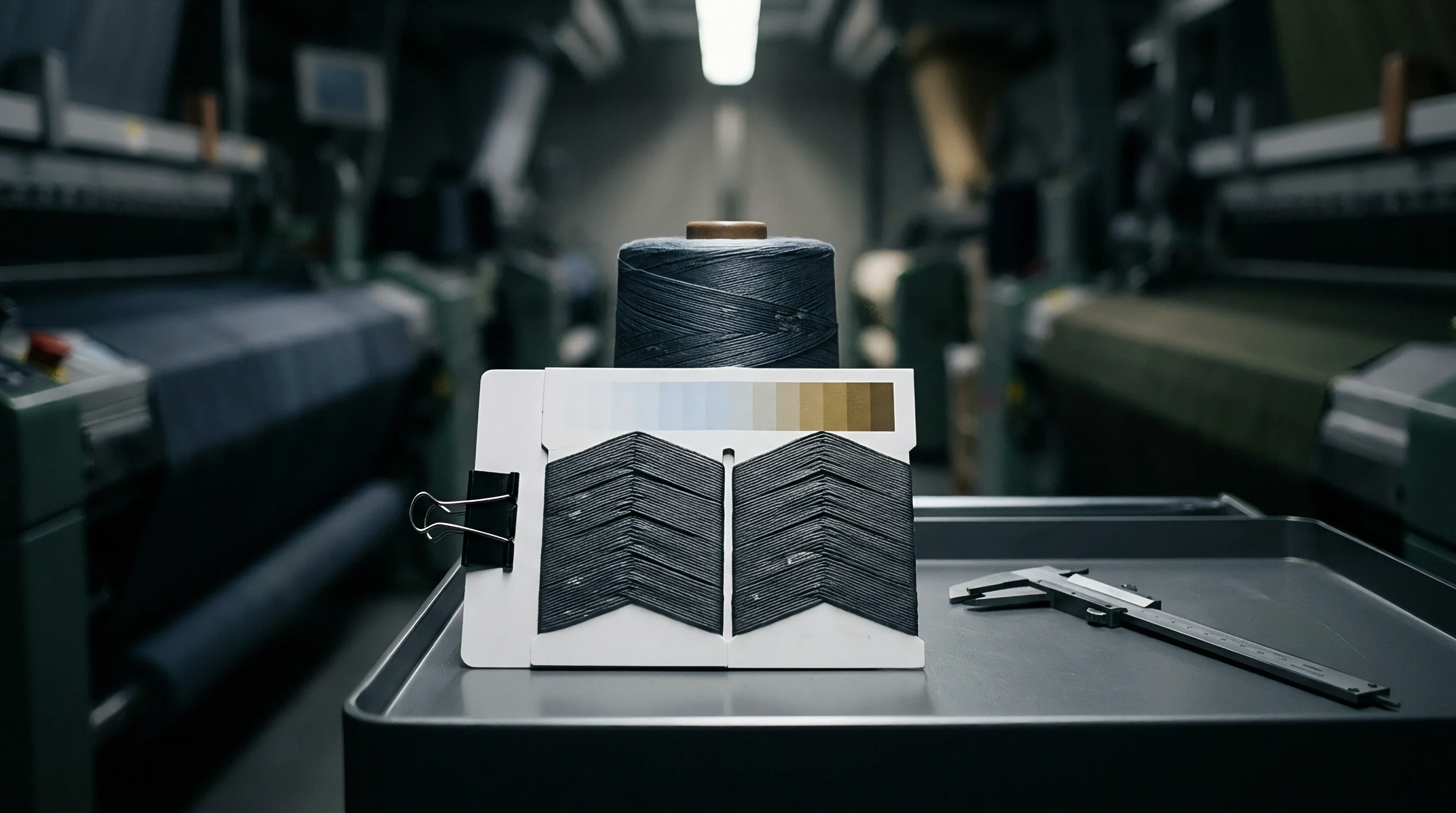
Cross-border textile supply chains require verifiable batch evidence to substantiate product performance claims and environmental compliance. Mercerization efficiency directly dictates fabric tensile strength, luster, and dye yield. Quality audits in wet-processing plants inspect continuous caustic monitoring records, laboratory accreditation scopes, and titration calibration dossiers to verify process control compliance.
Mill laboratories rely on rigorous electrode maintenance protocols to ensure measurement accuracy.
Process validation depends on linking potentiometric measurement logs to physical testing data. Under ISO 105-C06 for colorfastness to washing and ISO 13934 for fabric tensile properties, uncorrected variations in mercerization bath concentration manifest as lot-to-lot shade variation and fabric strength failures. Verification files must document that potentiometric equipment underwent matrix-matched calibration using certified reference materials traceable to national metrological institutes.
Analytical Calibration Dossiers must contain dated slope verification records, matrix-matched standard lot numbers, and raw millivolt logs covering all production runs tied to the certified fabric batch.
Sampling Log Integrity requires recording physical sample collection times, bath temperatures, operator initials, and laboratory check titration values alongside inline automated sensor readings.
Instrument Service Records document reference diaphragm cleaning, glass membrane etching inspections, electrolyte replacement dates, and full electrode replacement intervals.
Standard Operating Procedures define specific action thresholds for slope degradation, maximum permitted zero-offset shifts, and mandatory re-titration protocols when inline sensors deviate from manual laboratory checks.
Commercial Exposure Mitigation
Commercial contracts between textile converters and brand buyers frequently include strict quality assurance penalty clauses triggered by lot non-conformity. Inadequate or unverified mercerization resulting from uncorrected potentiometric drift can cause inconsistent dye affinity across fabric rolls. When a brand compliance audit uncovers shade variation exceeding Delta E 0.8 across a shipping container, the buyer holds legal recourse to reject the entire lot at the port of entry.
| Failure Mode | Analytical Root Cause | Process Impact on Fabric Batch | Commercial Exposure Risk | Mitigation Protocol |
|---|---|---|---|---|
| Over-dosing NaOH (> 30% concentration) | Uncorrected sodium ion error causing low apparent pH readings | Cellulosic fiber degradation, pinholes, reduced tearing strength | Full batch rejection, customs detention, fabric destruction costs | Matrix-matched high-alkali glass calibration, daily manual titrations |
| Under-dosing NaOH ( | Positive liquid junction potential drift from clogged diaphragm | Incomplete mercerization, dull color yield, low dimensional stability | Brand audit failure, mandatory re-dyeing penalties, claim rejections | Sleeve-type flowing junction reference electrodes, automated flushing |
| Carbonate Accumulation (> 3% Na2CO3) | Single-endpoint indicator titration misidentifying inactive alkali | Streaky dyeing, patchy absorbency, poor mercerization uniformity | Chargebacks for customer garment remakes, mill accreditation suspension | Potentiometric double-endpoint titration with BaCl2 precipitation |
| Thermal Compensation Error | Uncompensated Nernst slope shifts during hot caustic baths | Lot-to-lot shade variation exceeding acceptable tolerance bands | Container detention at port, re-testing fees, air-freight replacement cost | Integrated dual-temperature sensor loops with automatic slope scaling |
Textile wet processing requires precise control over chemical concentration.
Auditors examine the scope of ISO 17025 accredited laboratory test reports submitted by mills to confirm that testing facilities possess specific accreditation for high-concentration alkaline titrations rather than generic aqueous pH testing. Scope certificates that fail to list specific matrix concentration limits or analytical standard numbers leave buyers unprotected during customs compliance disputes and brand quality audits.
Implementing rigorous potentiometric measurement protocols protects wet-processing mills and international buyers from financial losses associated with batch rejections, border detentions, and unevidenced quality claims. Process verification files containing validated calibration curves, regular double-endpoint titration logs, and electrode maintenance histories provide the necessary technical evidence to satisfy brand compliance audits and cross-border trade inspections.