
Alkaline Error Correction Curves for Sodium Ion Interference in Reactive Dye Fixation
Alkaline error in glass electrodes causes uncorrected pH readings in high-salt reactive dyebaths to read up to 0.85 pH units lower than true solution activity.
Alkaline error in glass electrodes causes uncorrected pH readings in high-salt reactive dyebaths to read up to 0.85 pH units lower than true solution activity.

Mixed hydroxide and carbonate dye liquors require temperature-adjusted titration protocols and ionic activity corrections to control thermodynamic fixation drift.

Automated potentiometric titration using double-junction glass electrodes resolves active hydroxide and carbonate alkalinity in high-salinity reactive dye baths.

Low liquor ratio cotton dyeing demands progressive alkali profiling to suppress early hydrolysis, match bath exhaustion, and eliminate bulk shade streakiness.
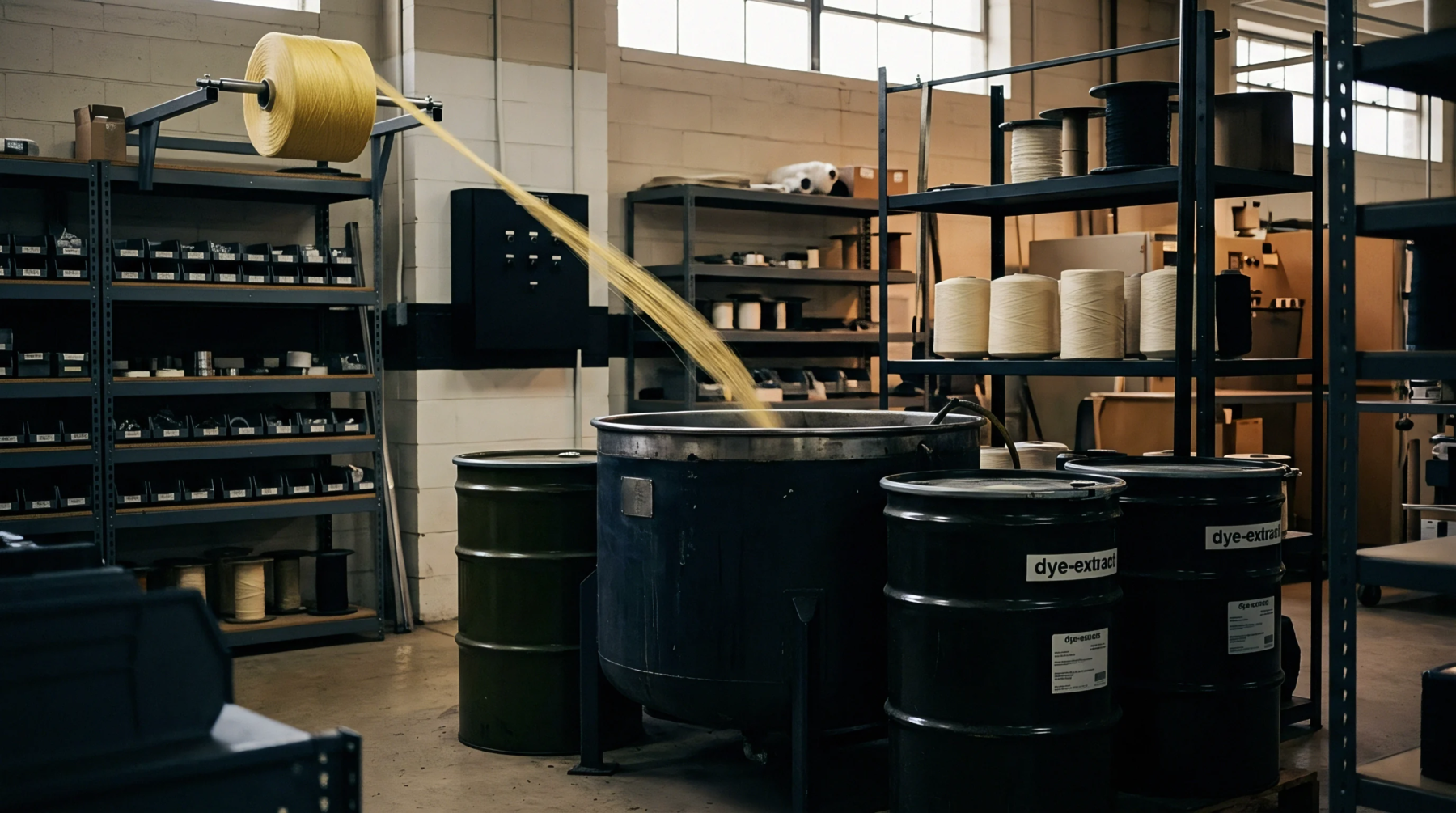
Accurate textile extract pH verification requires two-point Nernstian calibration, controlled temperature compensation, and sleeve junction electrodes to prevent electrolyte clogging.

High sodium ionic strength distorts electrochemical probe signals in mercerization baths, requiring Pitzer activity corrections to prevent quality defaults.
Expertise is a utility, not a secret. sentiention™ publishes its working knowledge as open reference: intelligence layer covering the materials it sources, the markets it enters, and the reference that serves both.