
Bifunctional Reactive Dye Fixation Ratios under Variable Dyehouse Alkali Dosing
Controlled progressive alkali dosing prevents premature vinyl sulfone hydrolysis and maximizes heterobifunctional reactive dye covalent fixation on cotton.
Controlled progressive alkali dosing prevents premature vinyl sulfone hydrolysis and maximizes heterobifunctional reactive dye covalent fixation on cotton.

Alkaline error in glass electrodes causes uncorrected pH readings in high-salt reactive dyebaths to read up to 0.85 pH units lower than true solution activity.

Dense cellulosic wet transport is limited by swelling-induced micro-pore collapse; forced hydraulic convection and controlled diffusion times prevent core pale-outs.

Cellulosic reactive exhaust dyeing requires strict pH and temperature ramp control to minimize nucleophilic hydrolysis, maximize covalent yield, and prevent fastness failure.

High cover factor twills restrict intra-yarn mass transport, requiring wash-off temperatures above 85 degrees Celsius to desorb trapped hydrolyzed reactive dye.

Cold pad batch dyeing of dense twills requires low-volume trough turnover, dual-component alkali dosing, and precise rotation to eliminate tailing and core defects.
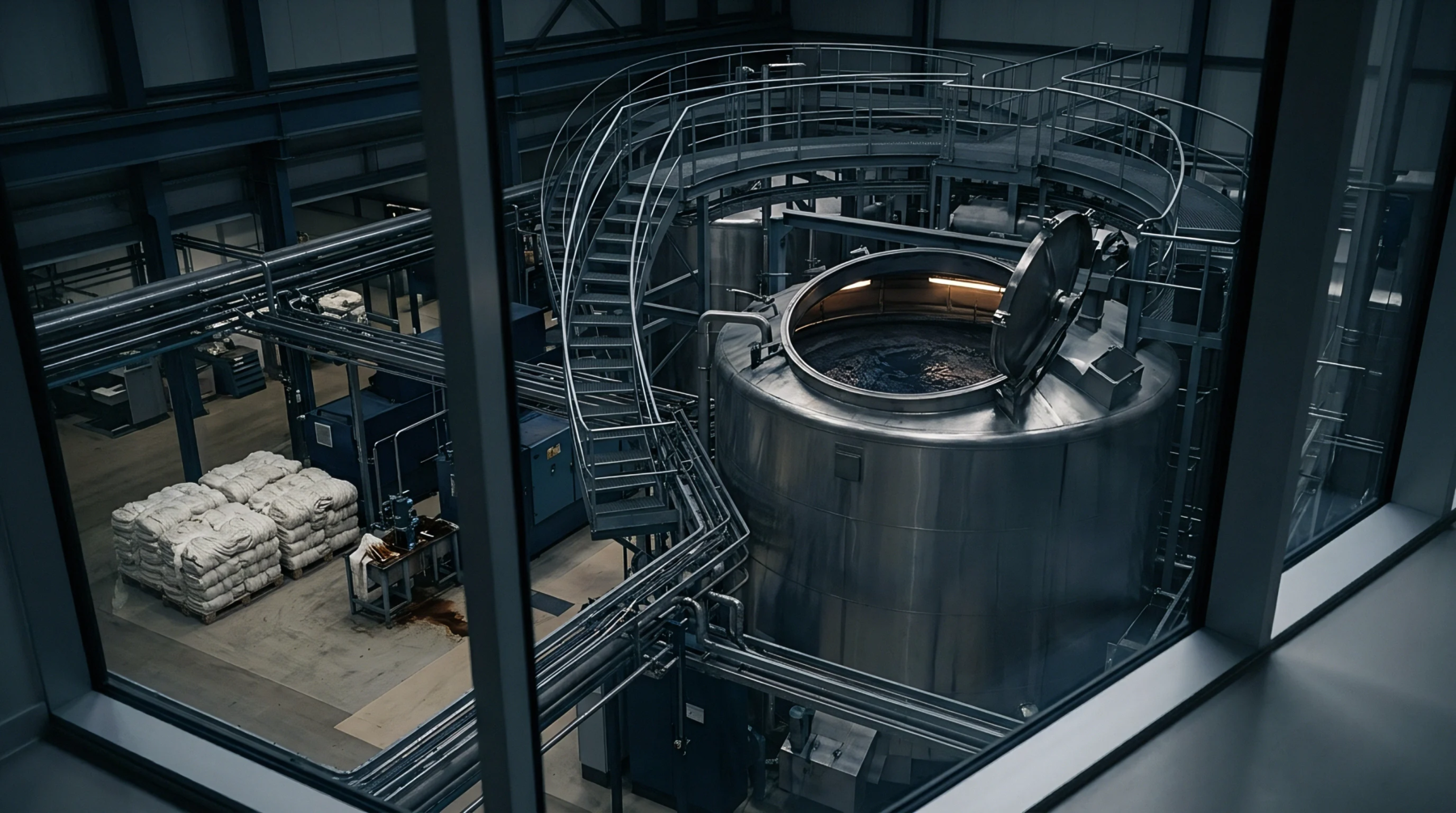
Calculating reactive dye hydrolysis rates in jet dyeing requires tracking bath pH and absorbance over time to optimize alkali dosing and maximize color yield.

Low liquor ratio jet dyeing accelerates reactive dye hydrolysis; controlling progressive alkali dosing and boundary layer velocity prevents fabric shade failure.
Expertise is a utility, not a secret. sentiention™ publishes its working knowledge as open reference: intelligence layer covering the materials it sources, the markets it enters, and the reference that serves both.