Kinetic Rate
Kinetic rate parameter that quantifies the speed at which dye molecules move through a liquid boundary layer to reach the surface of a textile fibre. The mass transfer coefficient is a fundamental value used to model and optimize the dyeing process in industrial machines. This value depends on the temperature, the viscosity of the liquor and the velocity of the fluid flow.
High coefficients indicate that the dye is moving rapidly from the bulk solution to the fabric. Low values suggest that the transport is slow and may become the limiting step in the dyeing cycle.
Flow Influence
Velocity of the liquor as it moves across the textile surface is the most significant factor affecting the transport rate. A high mass transfer coefficient is achieved when the flow is turbulent and the stagnant boundary layer is thin. In jet dyeing machines, the nozzle pressure is adjusted to maximize this coefficient without damaging the fabric.
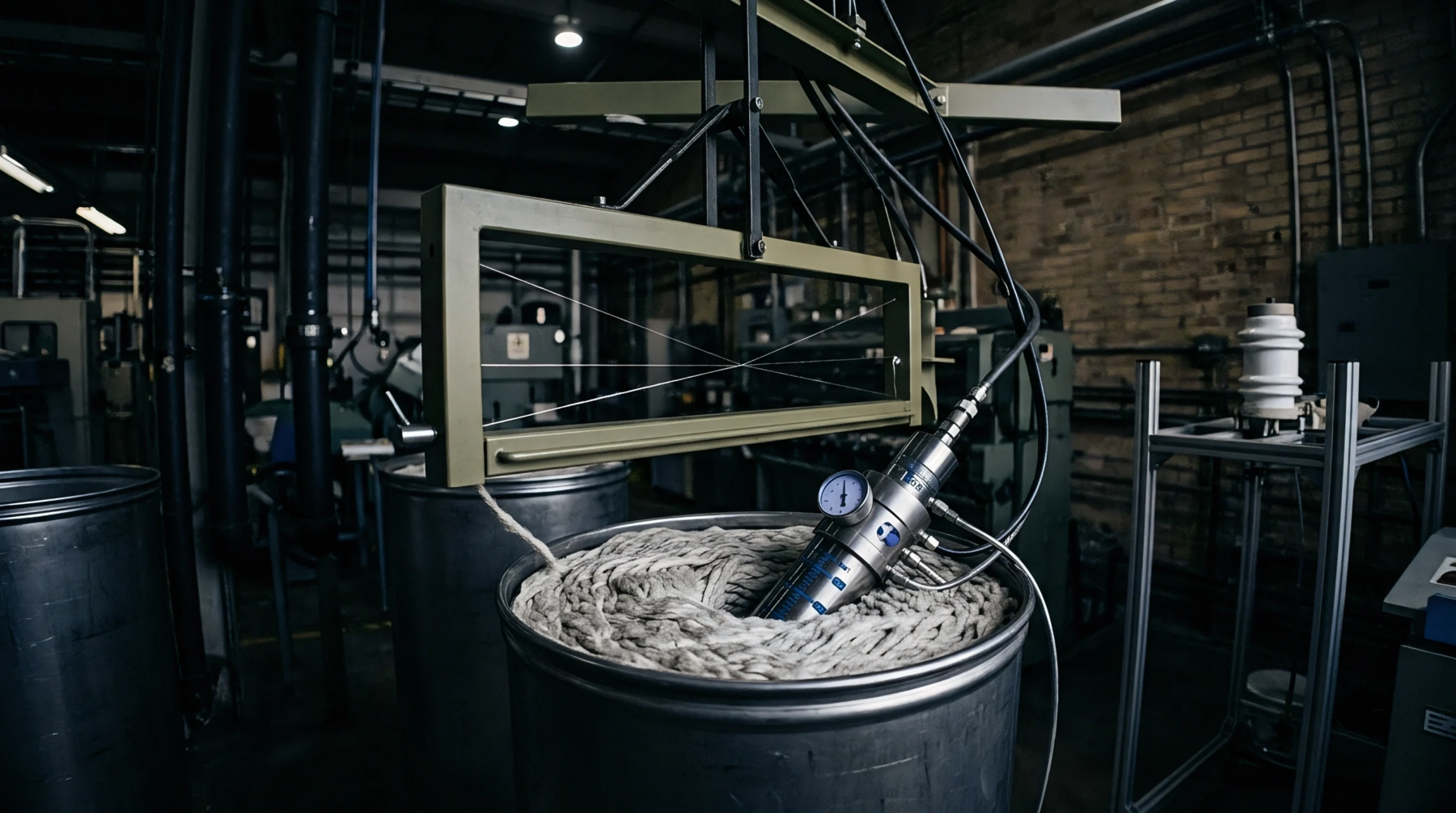
For package dyeing, the pump must force the liquor through the yarn layers at a sufficient rate to ensure that the dye reaches the centre of the package. If the flow is too slow, the dye concentration at the fibre surface will drop and lead to uneven coloration. This is particularly important for dyes with high affinity that are adsorbed very quickly.
The coefficient is also influenced by the chemical properties of the dye molecule itself. Smaller, more mobile molecules generally have a higher rate of transfer than large, complex structures. Adding surfactants can help to improve the movement of the molecules through the liquid phase.
The design of the dyeing machine plays a major role in determining the maximum achievable transfer rate.
Border Condition
Equilibrium at the fibre surface is established when the rate of mass transfer matches the rate of adsorption into the polymer. The mass transfer coefficient defines how quickly the system can reach this equilibrium state. If the coefficient is low, the dyeing time must be extended to allow for complete exhaustion.
This increases the total cost of production and reduces the efficiency of the mill. Technicians use this parameter to design the heating ramps and dosing sequences for different types of fabric. High-density fabrics like denim or heavy canvas require higher coefficients to ensure deep and level penetration of the dye.
Temperature increases the kinetic energy of the dye molecules and typically leads to a higher coefficient. However, this must be balanced against the stability of the dye and the risk of hydrolysis.
Dyeing Uniformity
Consistent transport of colorant across the entire width and length of the fabric is the key to high-quality production. Variations in the mass transfer coefficient within a single machine can lead to shade differences between the inner and outer parts of a fabric roll. Modern machines are designed to provide a uniform flow field to ensure that every part of the load experiences the same transport conditions.
Automated control systems monitor the flow rate and pressure to keep the coefficient within the target range. Successful dyeing results are a direct consequence of managing these transport kinetics. Final garment quality depends on the uniform movement of dye from the bath into the fibres.