Thermal Energy
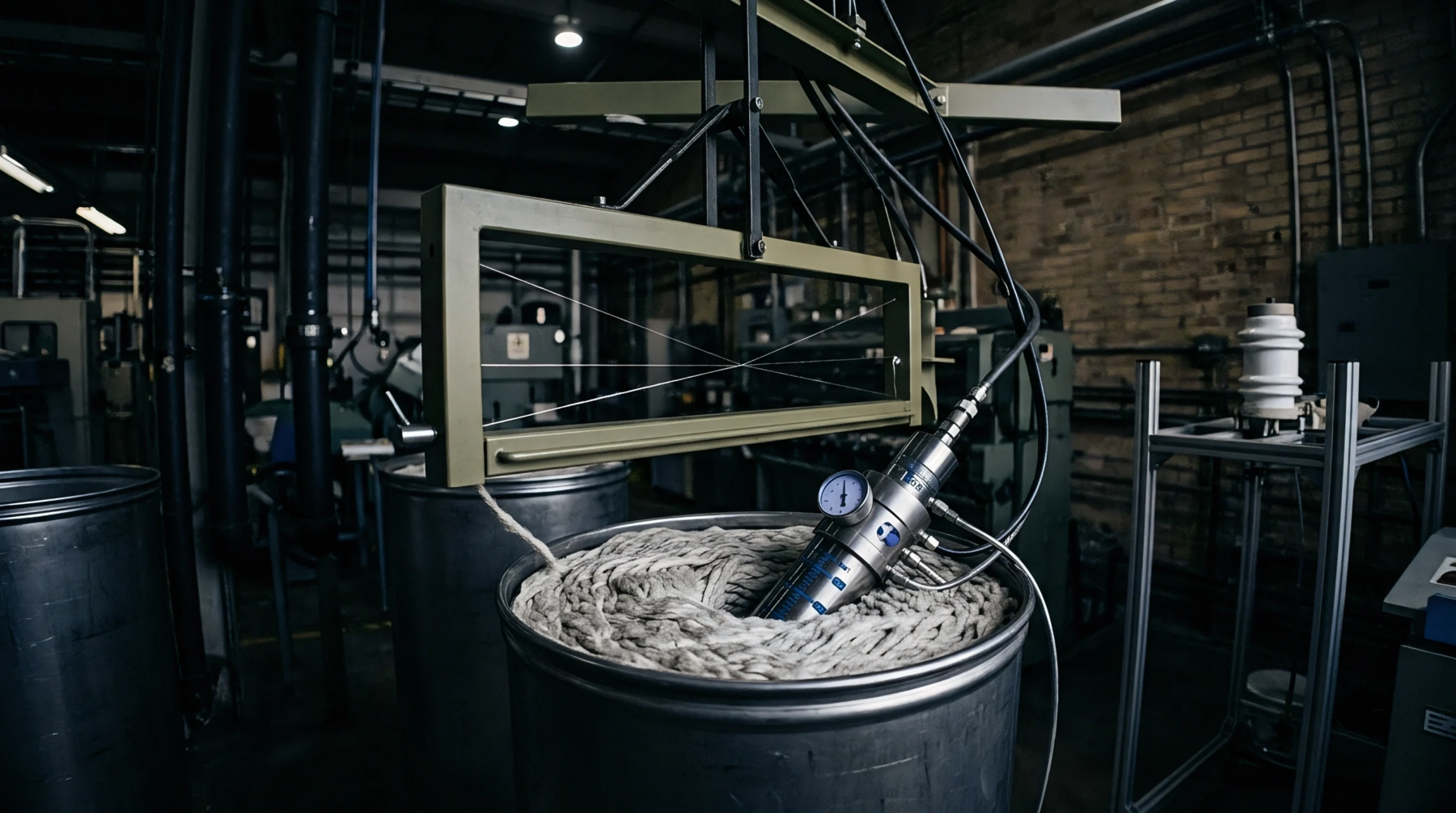
Total quantity of heat transferred from steam to a wet processing machine determines the energy cost of fabric drying and dyeing. In mill utility tracking, steam energy consumption represents the mass flow of steam used to heat water or dry fabric divided by the weight of the processed textile. This metric is tracked using flow meters and temperature sensors.
Boiler Management
Production managers monitor this energy use to evaluate the efficiency of jet dyeing machines and stenters. If steam energy consumption is high, it indicates heat losses or poor machine insulation. It is a major component of the environmental footprint of the mill.
Energy Calculation
Dyeing requires heating water from room temperature to boiling, which demands a high thermal input. The energy is delivered by condensing high-pressure steam within the heat exchanger of the dye machine. The amount of steam used is calculated by multiplying the mass of condensed water by the latent heat of vaporization at the operating pressure.
To reduce consumption, mills use heat recovery systems that preheat incoming fresh water using hot wastewater. This reduction lowers coal or gas usage in the boiler house and decreases carbon dioxide emissions.
Cost Control
Thermal efficiency measures are necessary to keep the mill competitive during energy price spikes. It directly affects the processing cost per kilogram of finished fabric. Investing in insulation and heat recovery minimizes energy waste in wet processing.