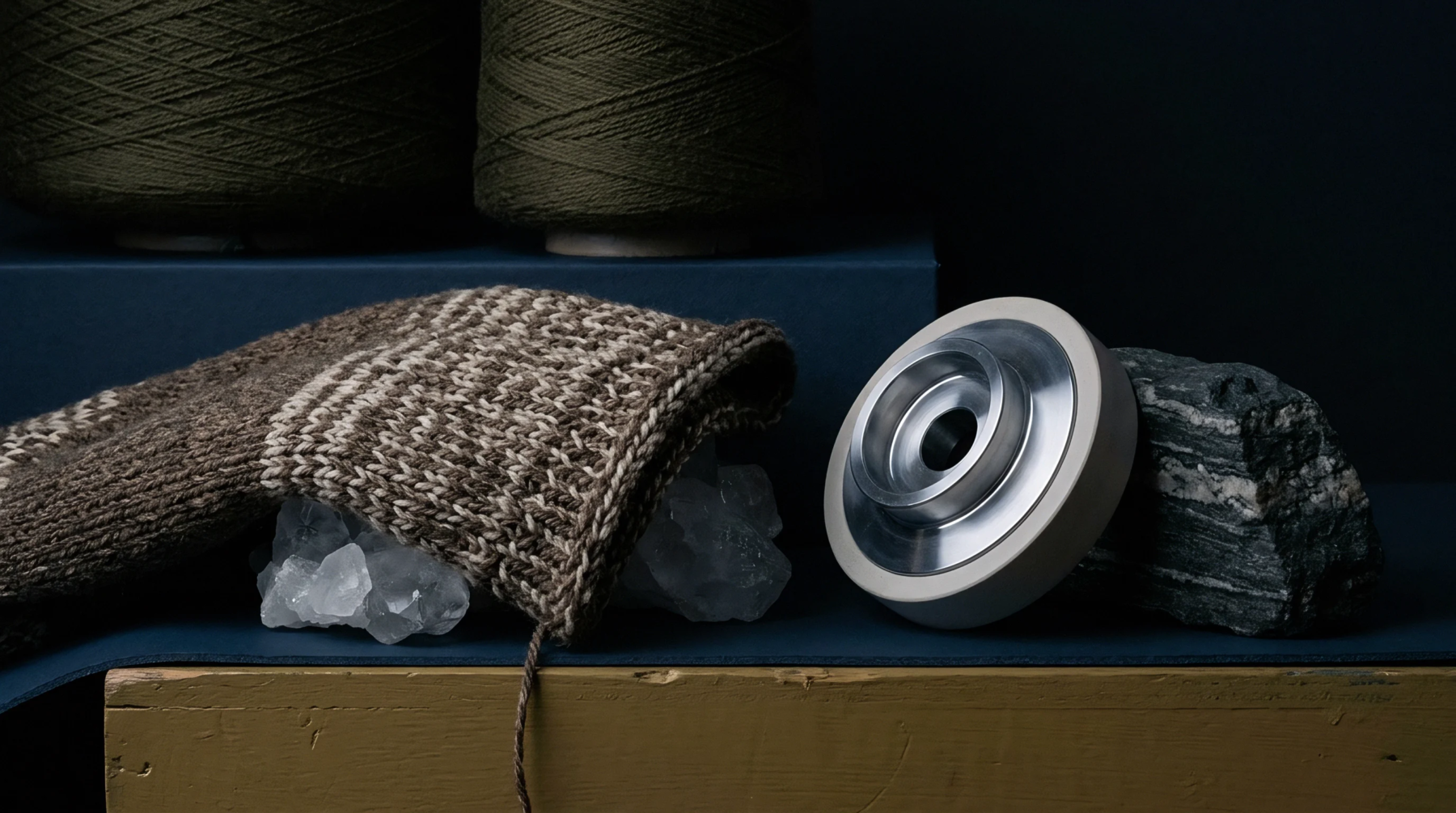
Surface Pilling Test
A technical procedure determines the resistance of a fabric to the formation of pills and other surface changes. The iso 12945-2 standard utilizes the martindale method to simulate the wear and tear that occurs during the life of a garment. It applies to both woven and knitted textiles and is used to predict the durability of the material in actual use.
Small circles of the fabric are rubbed against a standard abrasive cloth under a specific pressure. This mechanical action causes the fibers to entangle and form small balls on the surface of the fabric. The test is stopped at defined intervals to evaluate the level of pilling.
It provides a standardized way for laboratories to compare the performance of different fabrics.
Martindale Friction Application
Laboratory technicians prepare the specimens and the abrasive material according to the strict requirements of the protocol. The iso 12945-2 method requires the fabric samples to be mounted in holders and then rotated against the abrasive cloth in a complex pattern. This pattern, known as a lissajous figure, ensures that the rubbing occurs in all directions across the surface of the specimen.
The pressure applied to the fabric is typically set at 415 grams for apparel textiles. The test may run for five hundred, one thousand, two thousand or five thousand cycles depending on the fabric type and the buyer’s requirements. This repeated friction mimics the rubbing that occurs against the body or other garments.
It is a reliable way to identify fabrics that will look old and worn after only a few uses.
Fabric Durability Assessment
Performance of the material is evaluated based on the degree of pilling and fuzzing observed after the test cycles. The iso 12945-2 standard is a primary tool for quality assurance departments at both the mill and the retail level. If a fabric shows significant pilling at a low number of cycles, it is considered unsuitable for high quality apparel.
This boundary helps to prevent customer complaints and returns due to poor fabric performance. The results can also be used to improve the yarn structure or the finishing process to increase pilling resistance. Treatments such as singeing or enzyme washing are often used to remove surface fibers and reduce the pilling risk.
Consistent testing ensures that the fabric maintains its appearance and quality over time.
Visual Rating Scale
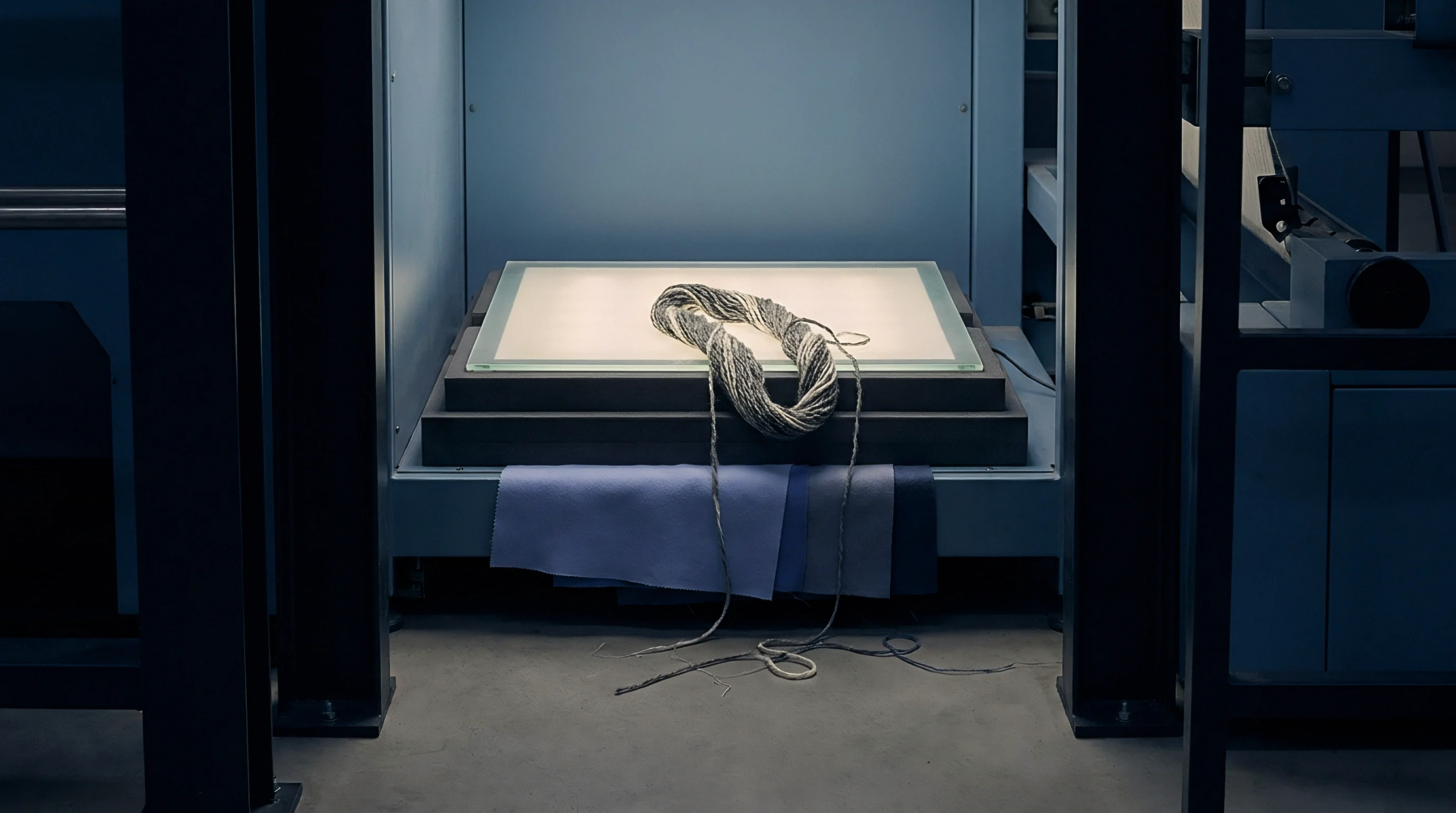
Final results are determined by comparing the tested specimens to a set of standard photographs or physical samples. The iso 12945-2 rating ranges from 1 to 5, where 1 represents severe pilling and 5 represents no change in the surface. Two or three observers typically perform the rating independently in a controlled lighting cabinet to ensure accuracy.
The average of these ratings is reported as the final pilling grade for the fabric. Most apparel buyers require a minimum grade of 3.5 or 4 for their products. This visual assessment provides a practical way to quantify the aesthetic changes that occur during wear.
It is a key factor in determining the overall quality and value of the textile product in the eyes of the consumer.