
Managing Post-Certificated Chemical Transformation in Ocean Container Cargo Shipments
Ocean transit microclimates hydrolyze textile finishes, requiring desiccant dimensioning and mill-level curing stabilization to clear destination surveillance.
Ocean transit microclimates hydrolyze textile finishes, requiring desiccant dimensioning and mill-level curing stabilization to clear destination surveillance.

Predictive mass balance modeling tracks wet finishing mass gains and losses to declare compliant tariff chief weight classifications before customs entry.

Composite fiber testing dilutes localized chemical contamination while wet processing alters analyte extraction, demanding matrix-adjusted reporting thresholds.
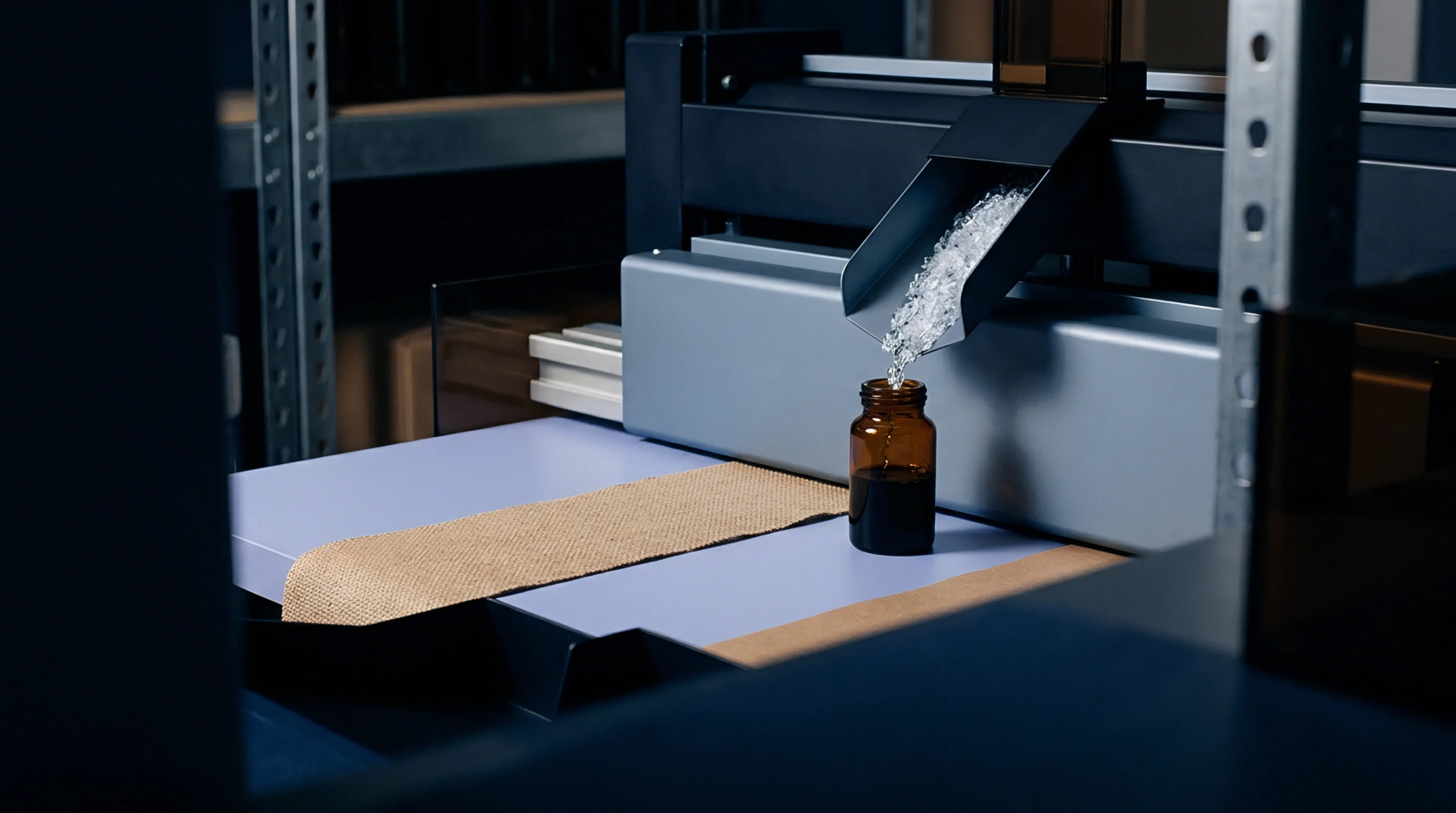
Standardized formaldehyde acceptance testing relies on ISO 14184 water extraction and ISO 17226 chromatography to quantify residual resin risks before shipment.

Fragment identification via FTIR deconvolution and selective staining corrects quantitative solvent extraction errors in recycled ternary yarn analysis.
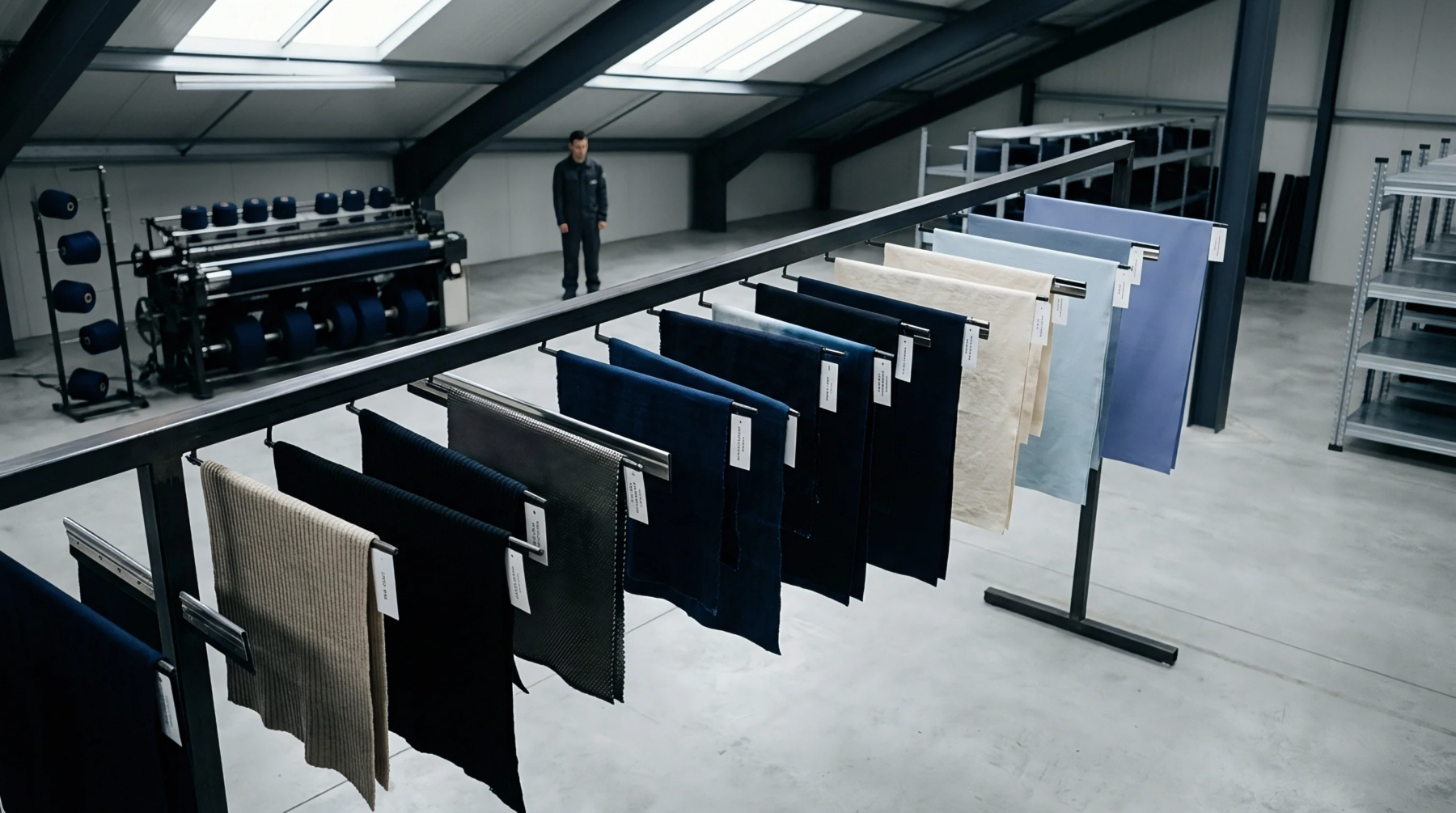
Single jersey curl stems from unbalanced yarn torque and asymmetrical loop tension; durable flat performance demands structural yarn balancing rather than temporary resin finishes.
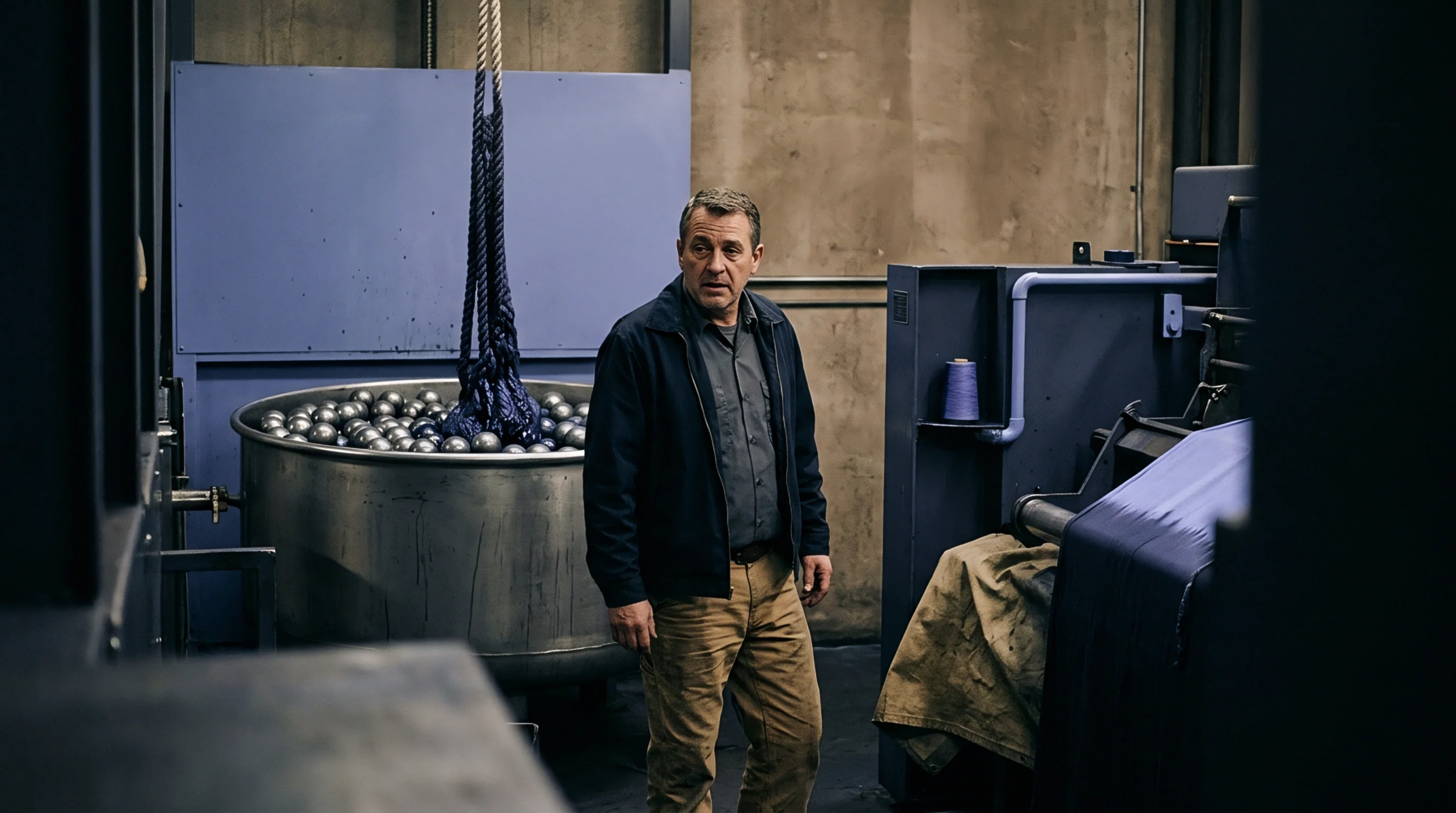
Subcontracted finishing steps executed outside audited mill boundaries alter fabric fastness, strength, and chemical safety without triggering primary quality controls.

Fabric specifications mandate exact finished thread densities, stitch lengths, and test conditions to enforce supplier compliance and control landed costs.
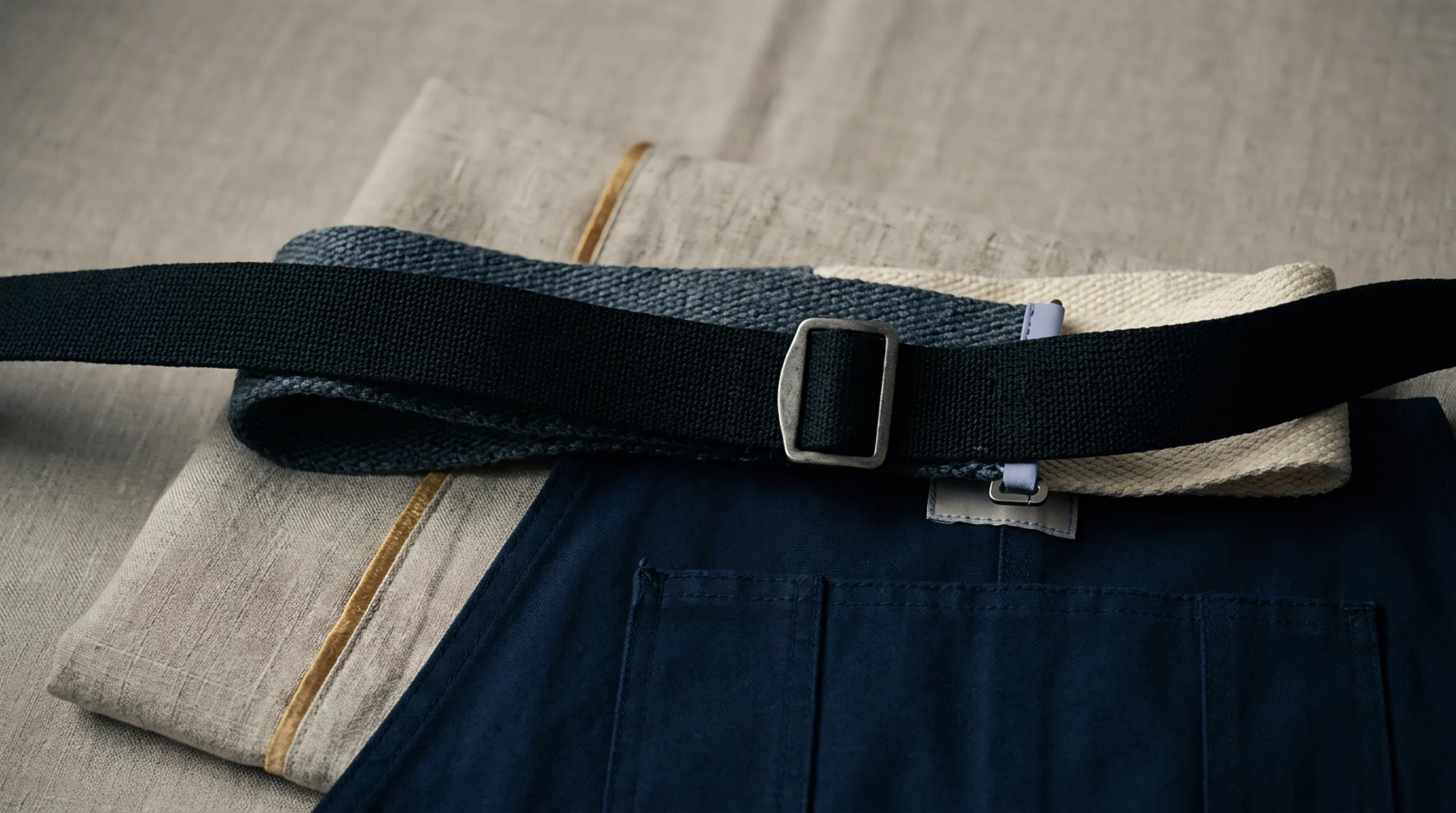
65/35 poly-cotton workwear performance relies on ring twist multipliers near 4.4 and early shed timing to maximize warp cover factor without pilling failure.
Expertise is a utility, not a secret. sentiention™ publishes its working knowledge as open reference: intelligence layer covering the materials it sources, the markets it enters, and the reference that serves both.