
Commercial Regain Weight Correction Mechanics in Multi Fibre Dispute Arbitration
Commercial regain arbitration requires calculating clean dry mass per component before applying official regain factors under ISO 6741 standards.
Commercial regain arbitration requires calculating clean dry mass per component before applying official regain factors under ISO 6741 standards.
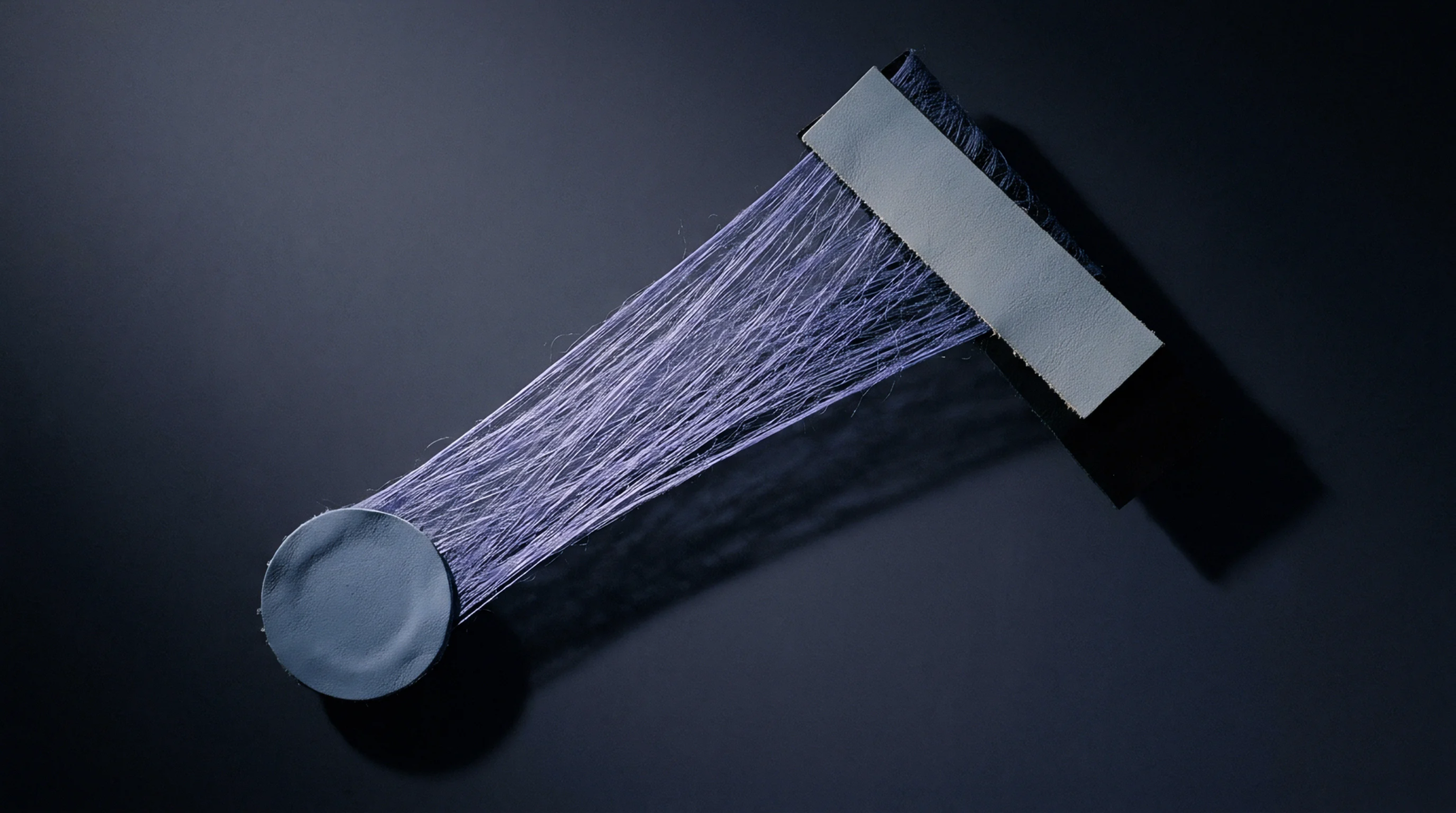
Uncorrected relative humidity during dual fibre mass testing skews regain ratios, shifting calculated blend percentages beyond legal trade tolerance bounds.

Reconciling dual-fibre customs declarations requires applying destination statutory moisture regains to clean oven-dry mass to preserve chief-weight tariffs.

Gravimetric blend analysis determines yarn fiber percentages by selective solvent dissolution and applies d-value correction factors for mass loss.

Soxhlet extraction isolates nonfibrous matter to establish true dry fiber mass, protecting blend accuracy and correct customs tariff classification.

Calibrating empirical d-factors prevents residue over-dissolution from shifting 50 percent cotton-polyester customs declarations.

Establishing modified ISO 1833 extraction parameters requires acid pre-hydrolysis and calibrated d-values to ensure accurate gravimetric blend analysis.
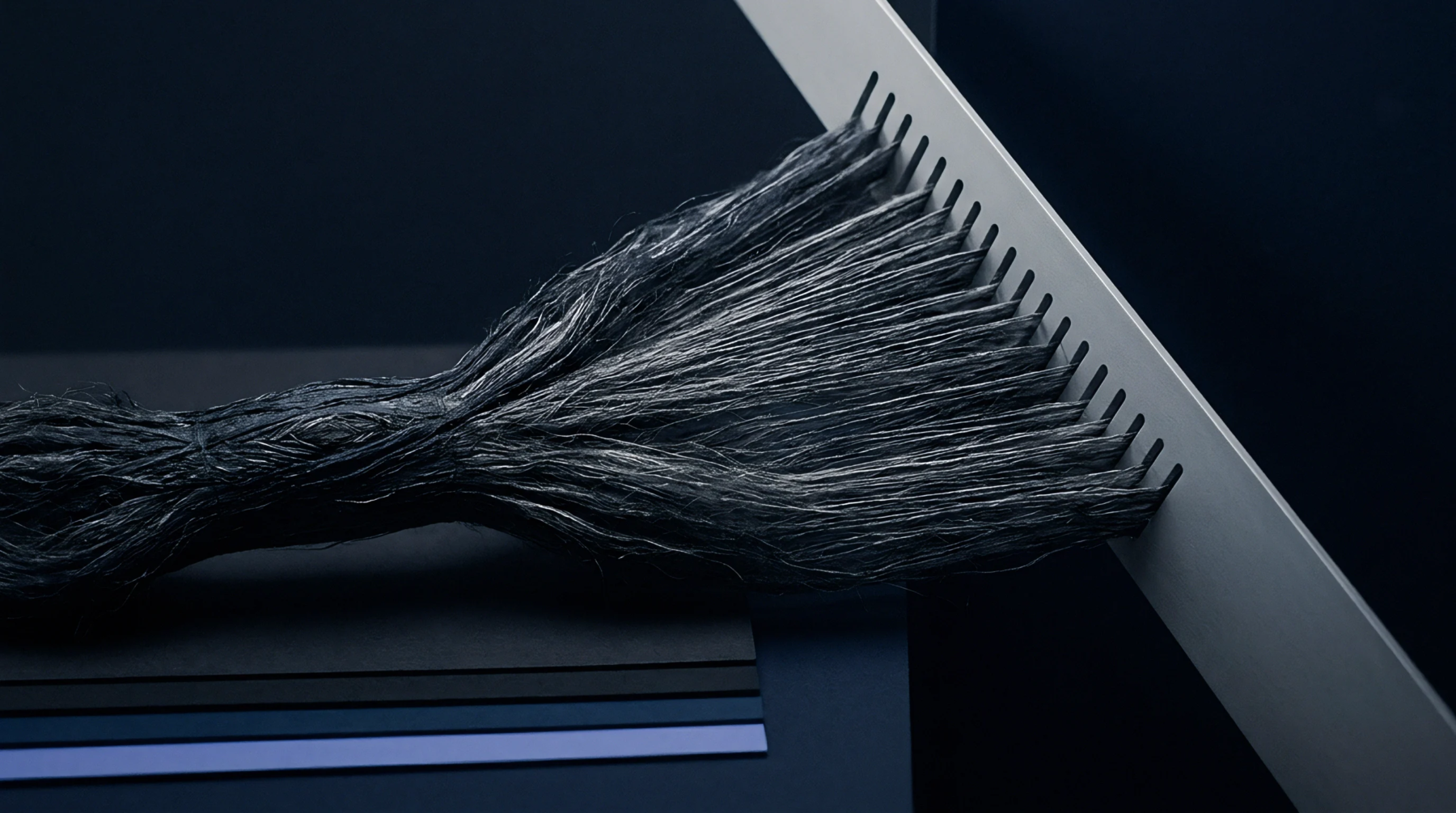
Finishing compaction increases the relative dry mass density of shrinking fibres, shifting verified finished composition percentages past nominal greige specs.

Solvent residue correction factors adjust clean dry fibre mass for non-fibrous loss, ensuring precise commercial weight calculations for tariff classification.

Calibrating diffusion rates, temperature gradients, and shear forces prevents non-target cellulose degradation during quantitative binary fiber extraction.

Oven dry mass determination isolates clean binary cellulosic ratios through thermal desiccation and selective chemical dissolution before applying statutory regain.
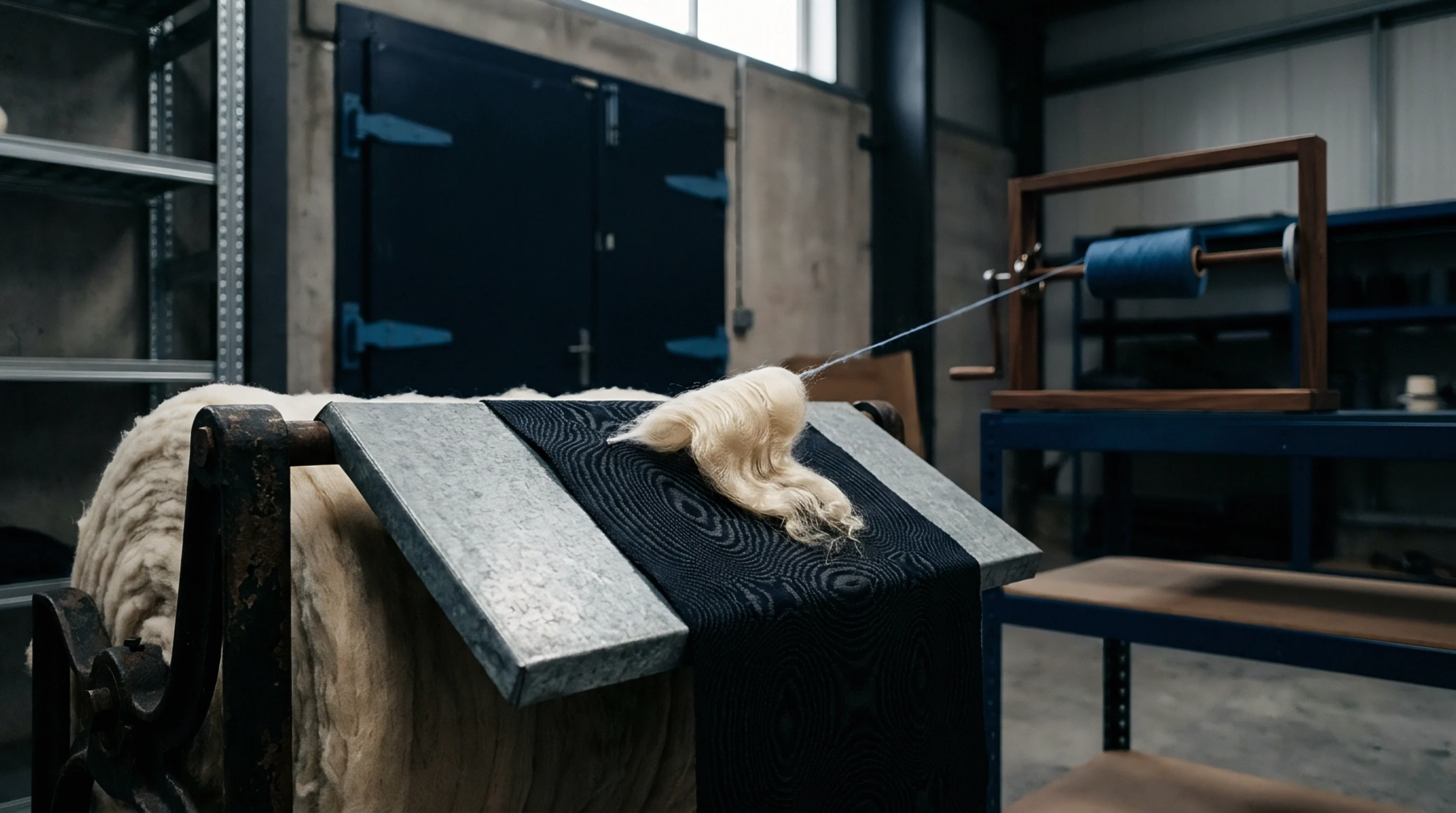
Commercial mass allowances systematically shift calculated wool proportions higher than dry analytical residues, dictating customs classification and billing.

Oxidized wool distorts chemical separation from viscose, requiring calibrated d factors to prevent analytical swings that trigger customs reclassifications.
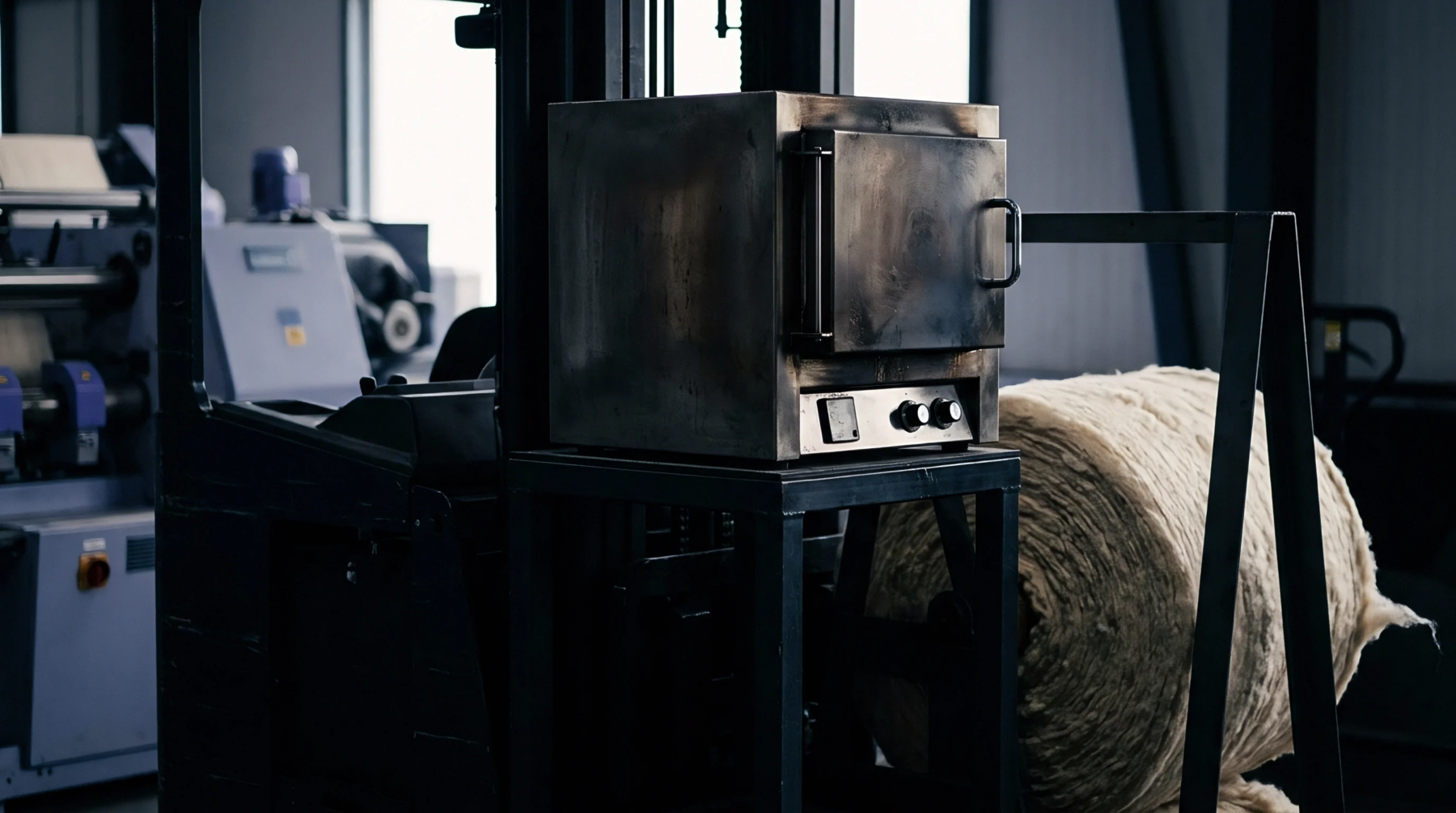
Standard scouring, dichloromethane Soxhlet extraction, and muffle furnace ashing establish Wool Base to govern commercial clean fibre invoice settlements.
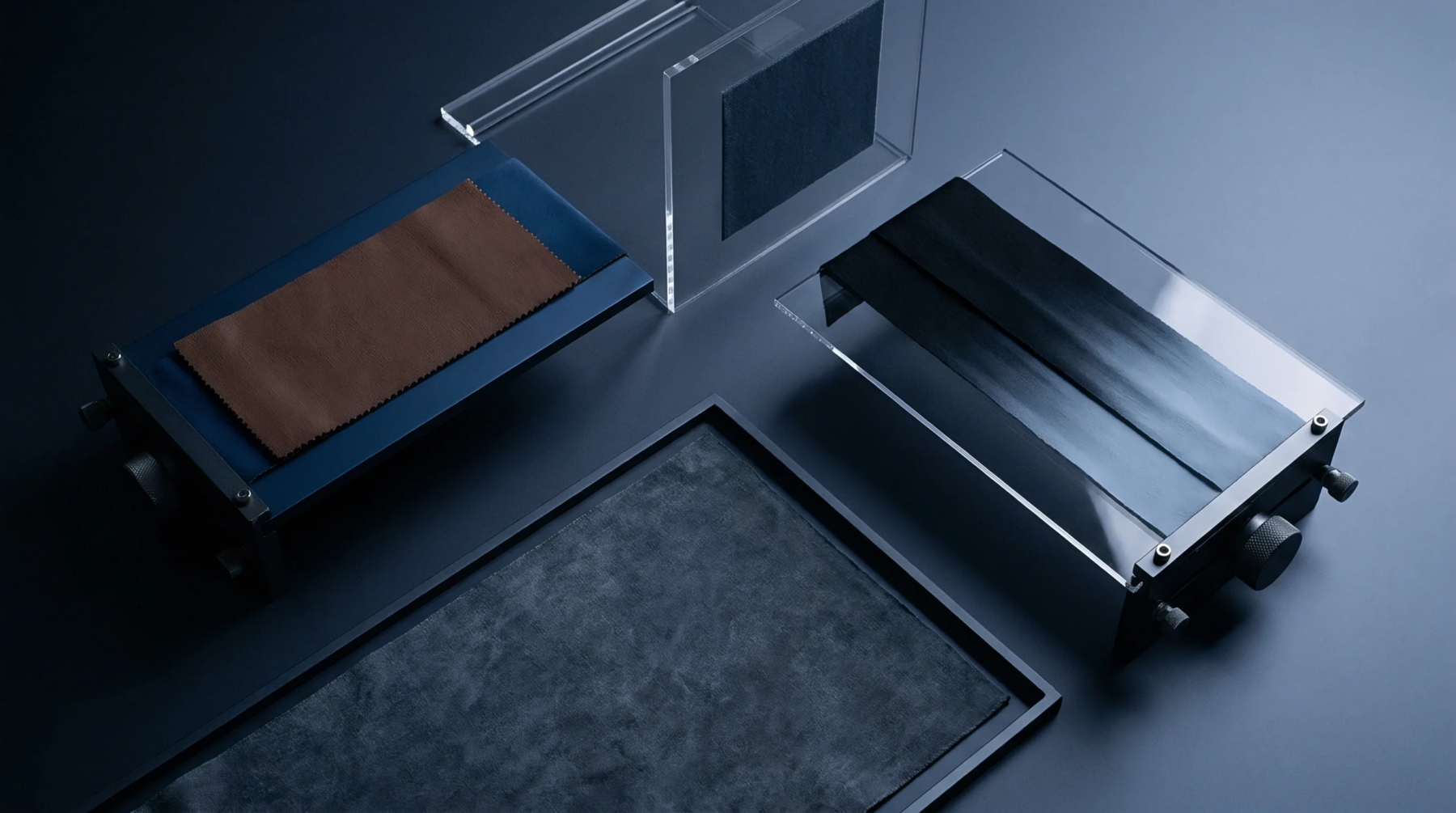
Standard moisture regain adjustments recalculate oven-dry fibre masses into commercial composition percentages required for legal labels and customs declarations.
Expertise is a utility, not a secret. sentiention™ publishes its working knowledge as open reference: intelligence layer covering the materials it sources, the markets it enters, and the reference that serves both.