Chemical Separation
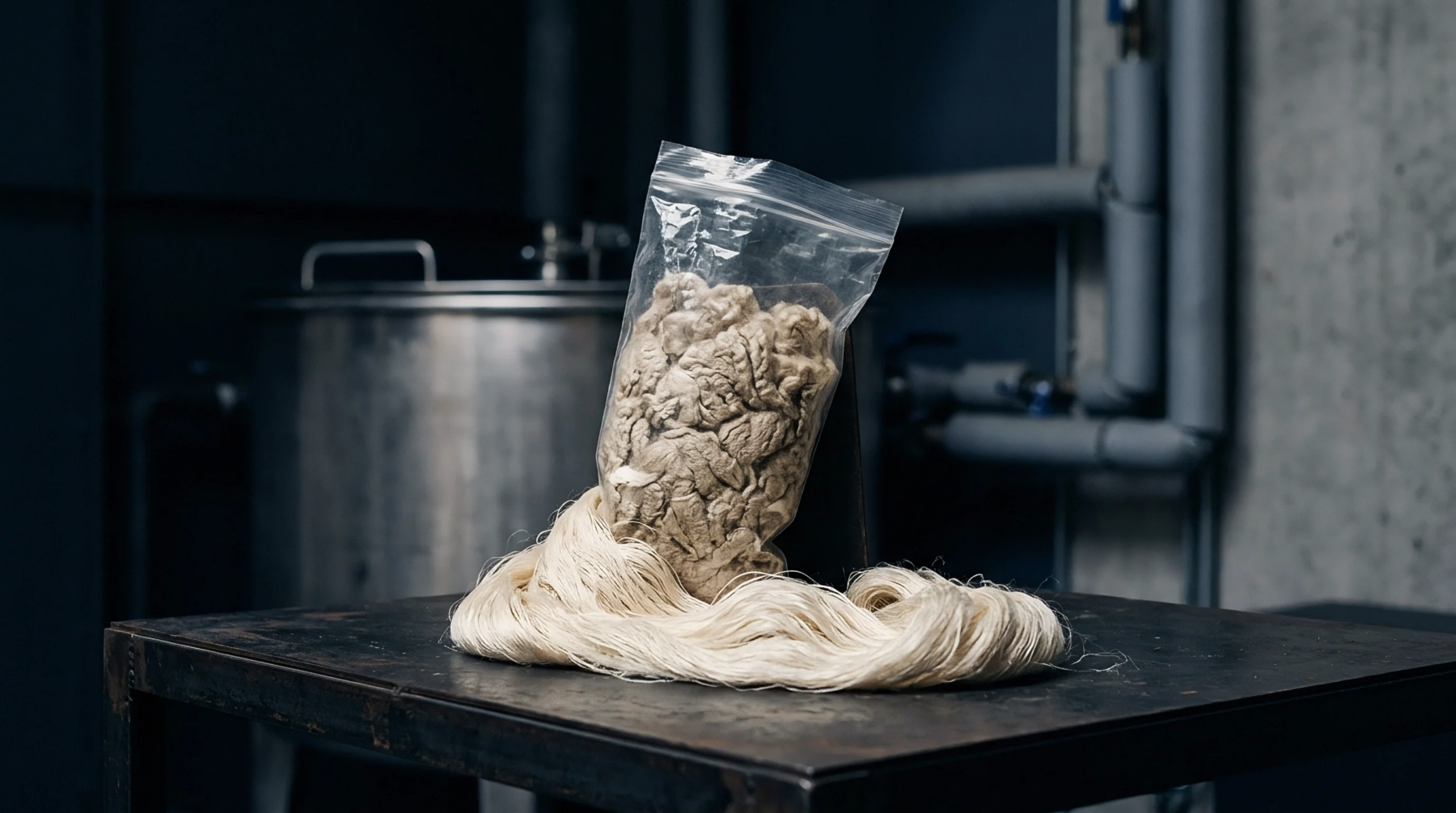
Controlled removal of one specific polymer from a multi-fibre blend using a targeted solvent describes this laboratory technique. Technicians employ selective dissolution to break down complex textiles into their individual components for weighing. Differing solubility of fibres like cotton, polyester and wool in various acidic or alkaline environments makes this method possible.
Success depends on choosing a reagent that ignores the primary structure while completely liquifying the secondary one.
Temperature Control
Maintaining the reagent at a specific heat level ensures the reaction proceeds at the correct speed without damaging the insoluble fibres. Some processes require boiling, while others function at room temperature to preserve delicate protein structures. Fluctuations in the water bath lead to inconsistent results and mass loss errors.
Material Preparation
Shredding the fabric into small pieces increases the surface area for the chemical to act upon. Removing non-fibrous matter like oils, waxes and finishes through pre-treatment prevents interference with the dissolution process. Any residue left on the fibres can skew the final weight calculation.
Analytical Outcome
Comparing the dry weight of the residue to the original mass reveals the exact ratio of the blend components. This data allows manufacturers to verify that the yarn used in the mill matches the purchase specification. Accurate separation is the only way to confirm the presence of high-value fibres in a mixed textile.