Dissolution Thresholds of High Tenacity Yarns in Chlorinated Solvents
Chlorinated solvents dissolve high tenacity yarns at distinct thermodynamic thresholds, enabling precise quantitative separation and customs verification.
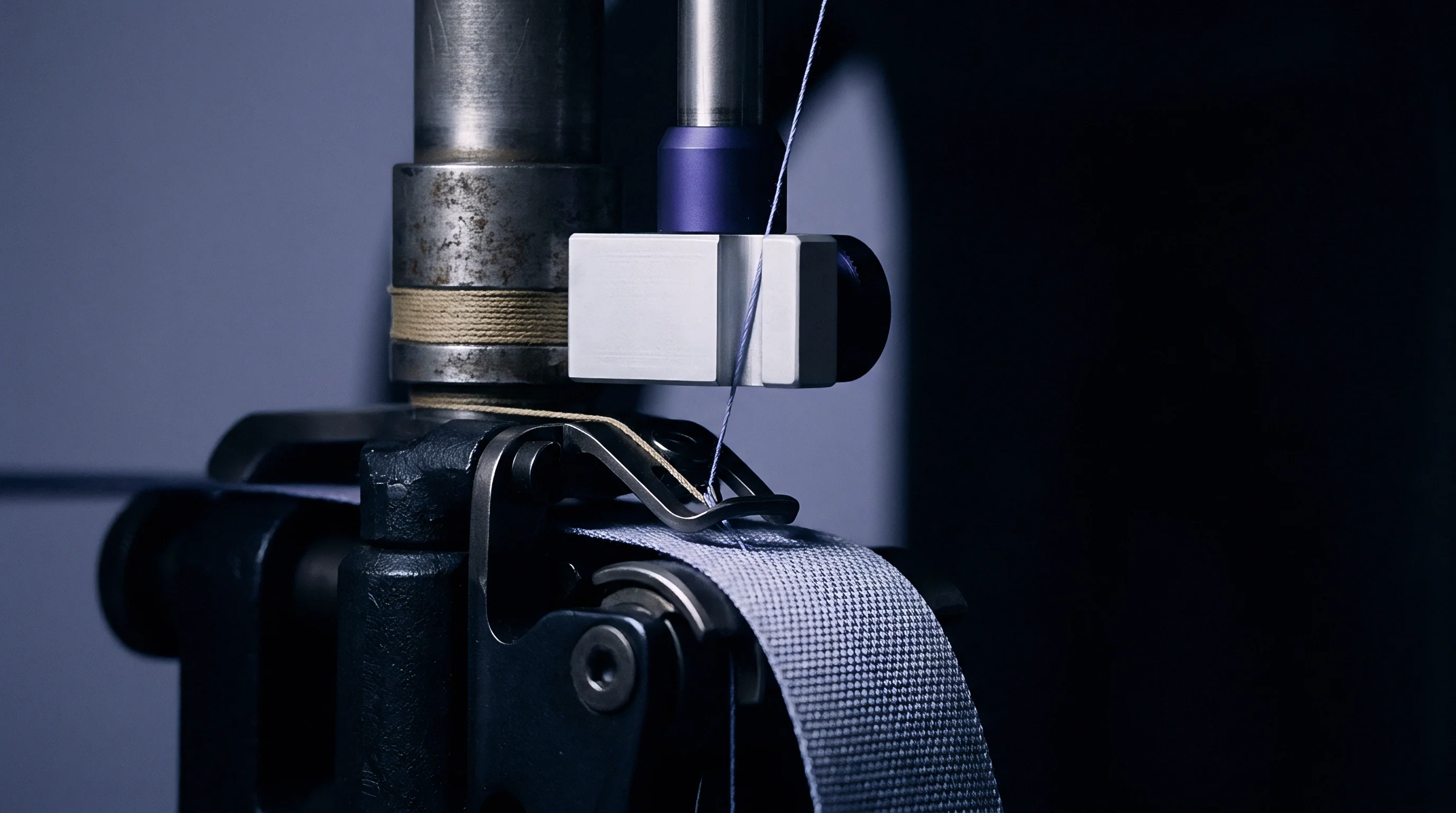

Cohesion
Technical yarns engineered for heavy tensile service resist industrial environments through dense molecular alignment, yet specific chlorinated hydrocarbons break down these structures under distinct thermodynamic boundaries. Liquid chloromethanes, chloroethanes, and chlorinated benzenes interact with synthetic polymers through dispersive, polar, and hydrogen-bonding forces that dictate whether a filament undergoes surface plasticization, intense swelling, or rapid dissolution. Establishing the precise boundary between mechanical survival and molecular breakdown protects industrial procurement specifications from catastrophic misapplication.
Dichloromethane dissolves amorphous polyamide chains rapidly. The Hansen solubility parameters of dichloromethane comprise a dispersion component of 18.2 MPa1/2, a polar component of 6.3 MPa1/2, and a hydrogen bonding component of 6.1 MPa1/2. Industrial high tenacity polyamide 6.6 exhibits cohesive energy densities centered at dispersion 17.0 MPa1/2, polarity 3.4 MPa1/2, and hydrogen bonding 10.6 MPa1/2.
The interaction radius of dichloromethane encompasses the amorphous segments of polyamide 6.6 at 20 degrees Celsius, disrupting intermolecular hydrogen bonds between adjacent amide groups. When exposed to unstabilized dichloromethane at ambient temperatures, unstrained nylon 6.6 tyre cord yarn loses ten percent of its ultimate tensile strength within sixty minutes. Complete dissolution of high tenacity nylon 6.6 occurs readily when the chlorinated carrier contains organic proton donors, such as five percent trichloroacetic acid or ten percent formic acid by weight, driving full scission of inter-chain cohesion within fifteen minutes at 23 degrees Celsius.
Dichloromethane containing six percent formic acid achieves total dissolution of high tenacity polyamide 6.6 filaments within twelve minutes at 21 degrees Celsius.
Aromatic polyesters display substantially greater resistance to aliphatic chlorinated solvents. High tenacity poly(ethylene terephthalate) possesses a rigid backbone containing ester linkages and aromatic rings, imparting a total solubility parameter near 21.8 MPa1/2. Aliphatic chlorinated solvents including trichloroethylene, perchloroethylene, and 1,1,1-trichloroethane fail to dissolve oriented polyester filaments at room temperature.
These solvents function primarily as swelling agents at temperatures approaching their boiling points, plasticizing unoriented domains while leaving crystalline lamellae intact.
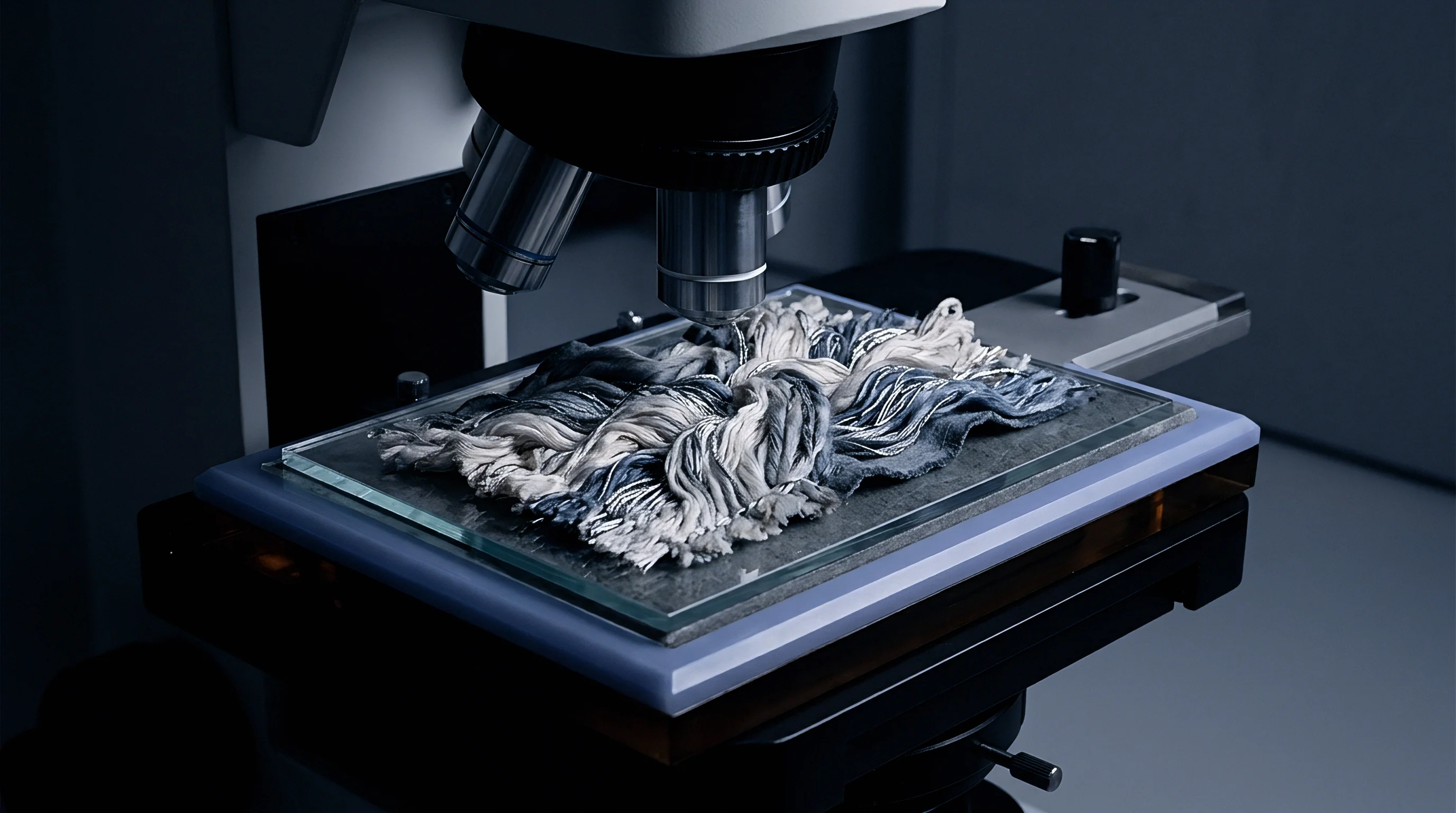
Solubility Parameters across Chlorinated Hydrocarbons
Thermodynamic affinity governs whether an industrial filament maintains dimensional stability or yields to chemical attack. Standard Hansen solubility spheres define a miscible envelope for each polymer matrix, outside of which chemical attack remains limited to surface wetting or modest boundary sorption. Trichloromethane and dichloromethane possess high dipole moments that interact aggressively with nucleophilic sites in condensation polymers, while tetrachloroethylene exhibits minimal polar interaction, acting predominantly as a non-polar aliphatic penetrant.
| Yarn Polymer Base | Solvent System | Solvent Boiling Point | Flory-Huggins Chi Parameter | Observed Physical State at 23 C | Dissolution Temperature Limit |
|---|---|---|---|---|---|
| Polyamide 6.6 HT (84 cN/tex) | Dichloromethane (pure) | 39.6 C | 0.48 | Moderate Swelling (9% mass uptake) | Insoluble below boiling point |
| Polyamide 6.6 HT (84 cN/tex) | Dichloromethane / Formic Acid (90:10) | 42.5 C | 0.22 | Rapid Dissolution | 20.0 C |
| Poly(ethylene terephthalate) HT | Trichloromethane (pure) | 61.2 C | 0.72 | Negligible Swelling (0.8% uptake) | Insoluble below boiling point |
| Poly(ethylene terephthalate) HT | o-Chlorophenol (pure) | 175.0 C | 0.31 | Gradual Solvation | 55.0 C |
| Poly(ethylene terephthalate) HT | Tetrachloroethane / Phenol (50:50) | 142.0 C | 0.26 | Gelation and Total Dissolution | 85.0 C |
| Para-Aramid PPTA (205 cN/tex) | o-Dichlorobenzene | 180.5 C | 1.45 | Zero Sorption | Insoluble (decomposition at 500 C) |
| UHMWPE Gel-Spun (310 cN/tex) | Tetrachloroethylene (pure) | 121.1 C | 0.68 | Insoluble at Ambient | 112.0 C |
| UHMWPE Gel-Spun (310 cN/tex) | 1,2,4-Trichlorobenzene | 214.4 C | 0.34 | Zero Sorption at Ambient | 135.0 C |
Para-aramid yarns maintain full tensile strength. Poly(p-phenylene terephthalamide) chains pack into a rigid, highly crystalline lattice held together by extensive radial hydrogen bonds. Chlorinated aliphatic hydrocarbons cannot penetrate this dense crystalline packing.
Pure trichloromethane, dichloromethane, trichloroethylene, and tetrachloroethylene generate no measurable swell or loss of tenacity in high modulus aramid filaments even after seven days of immersion at their atmospheric reflux temperatures. Dissolving a drawn para-aramid yarn demands aggressive protonation via concentrated sulfuric acid or chlorosulfonic acid, as non-acidic chlorinated solvents lack the energetic drive to interrupt conjugated aromatic amide networks.

Critical Dissolution Temperatures for Industrial Polyesters
Polymer chains packed into drawn filaments undergo distinct conformational transitions when subjected to elevated thermal energy inside chlorinated media. When drawn poly(ethylene terephthalate) industrial yarn enters an ortho-chlorophenol environment, dissolution proceeds through a well-defined critical solution temperature window. Below 45 degrees Celsius, the chlorinated phenolic solvent slowly diffuses into the amorphous boundaries, inducing swelling without unraveling the crystalline framework.
As thermal energy pushes the bath past 55 degrees Celsius, rapid disruption of ester linkages ensues, resulting in a single-phase isotropic polymer solution suitable for capillary viscometry determinations.
Binary mixtures combining 1,1,2,2-tetrachloroethane with dry crystalline phenol lower the dissolution threshold of 1100 dtex polyester tyre cords to 85 degrees Celsius. Solvation proceeds through competitive hydrogen bonding wherein phenolic hydroxyl groups coordinate with polyester carbonyls while tetrachloroethane provides dispersive stabilization. Omitting moisture control in this analytical liquor accelerates hydrolytic ester cleavage, producing artificial drops in measured intrinsic viscosity.
Industrial quality control laboratories operate these baths between 100 and 110 degrees Celsius to ensure complete chain dissociation within thirty minutes while preventing thermal fragmentation of the polyester backbone.
Whether prolonged exposure to sub-boiling tetrachloroethylene induces permanent micro-void coalescence in unstrained polyester cords remains contested across independent tyre reinforcement testing bodies.
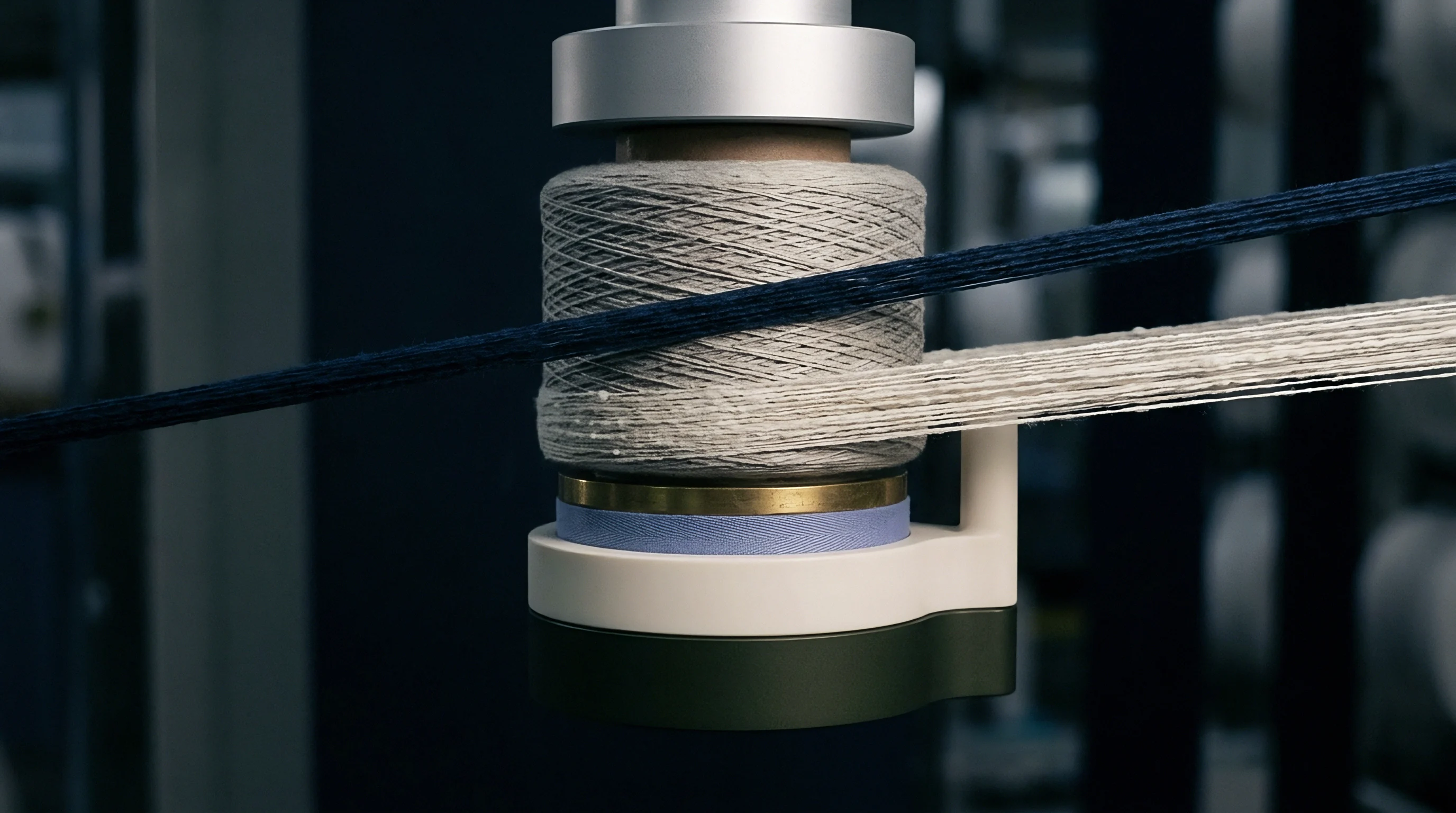
Morphology
Semicrystalline structural arrangements dictate the rate at which organic solvents penetrate industrial synthetic filaments. Unlike textile-grade staple fibres produced with low draw ratios and random molecular orientation, high tenacity filaments undergo hot-drawing stages that stretch molecular chains parallel to the fibre axis. This mechanical alignment yields crystallinity levels exceeding fifty-five percent in polyester industrial yarns and forty-five percent in polyamide 6.6 cords, creating dense, impenetrable crystallites embedded within an oriented amorphous matrix.
Drawn orientation retards solvent ingress significantly. Solvents cannot permeate the crystalline regions because the cohesive energy density of the ordered crystal lattice exceeds the free energy of mixing. Organic penetrants must migrate through the amorphous pathways winding between crystalline lamellae.
In drawn industrial filaments, these amorphous tie molecules are held under substantial mechanical tension, which reduces free volume and contracts the intermolecular voids through which solvent molecules travel. Small chlorinated molecules like dichloromethane, possessing a kinetic diameter of roughly 0.40 nanometers, penetrate these constrained corridors far more slowly than they permeate the relaxed amorphous chains of textile apparel yarns.
A filament drawing stage that elevates birefringence above 0.210 doubles the diffusion induction period in perchloroethylene baths.
Microstructural boundaries govern performance during chemical processing. Liquid penetrants trigger specific degradation responses depending on their molecular dimensions and interaction energetics:
- Plasticization induced contraction occurs when chlorinated solvent molecules penetrate strained amorphous tie chains, neutralizing secondary intermolecular bonding and allowing frozen chain segments to coil into lower-energy conformations that cause instantaneous axial shrinkage of the filament bundle.
- Microfibrillar delamination develops as solvent accumulation along longitudinal crystallite boundaries generates lateral osmotic pressure, forcing adjacent fibril bundles apart until mechanical cohesion splits into split fibrillar hairs.
- Solvent induced crystallite growth takes place during elevated thermal exposure in perchloroethylene, where plasticized amorphous segments gain sufficient mobility to reorganize into thicker lamellae, increasing yarn brittleness while lowering ultimate work-to-break values.
- Chemo-mechanical creep failure manifests under sustained mechanical loads as penetrating chlorinated molecules lower the effective glass transition temperature of the polymer, permitting rapid uncoiling and slippage of load-bearing chains under stresses far below standard yield levels.

Drawn Crystalline Orientation Retards Swelling Kinetics
Filament spinning parameters establish the ultimate chemical resilience of technical textiles. High tenacity poly(ethylene terephthalate) yarns manufactured for seatbelt webbing possess a draw ratio between 5.5:1 and 6.2:1, achieving a crystalline volume fraction near sixty percent and an optical birefringence of 0.215. When submersed in trichloroethylene at 40 degrees Celsius, this highly aligned morphology yields an equilibrium swelling uptake of less than 1.2 percent by weight over forty-eight hours.
Textile-grade polyester filaments produced with draw ratios near 2.8:1 exhibit an equilibrium uptake of 5.8 percent under identical conditions. The tighter packing in high tenacity variants extends the induction period preceding solvent penetration. Mechanical drawing compresses amorphous interlamellar spaces from an average diameter of 2.2 nanometers down to less than 0.8 nanometers.
This steric confinement excludes larger chlorinated solvent molecules, forcing diffusion to follow tortuous pathways along fibrillar boundaries. Industrial buyers specifying yarns for exposure to industrial dry-cleaning liquors must mandate minimum birefringence values to prevent accelerated chemical plasticization.

Microfibrillar Sheath Integrity under Chemical Stress
Bicomponent distributions of orientation and density produce distinct spatial gradients across technical filaments. The outer periphery of a melt-spun, high tenacity filament experiences elevated cooling rates and high shear during extrusion through spinneret capillaries, forming a skin with enhanced molecular orientation relative to the inner core. This dense sheath serves as a physical barrier against chemical penetration.
When chlorinated solvents challenge the filament, chemical attack concentrates at structural surface flaws where micro-cracks breach the oriented sheath layer.
Perchloroethylene swells drawn polyethylene terephthalate filaments. The solvent causes selective swelling of unoriented surface defects, amplifying local stress concentrations at the skin-core interface. In spinning mills that maintain tight temperature control across their draw-twisting lines, skin-core differentiation remains minimal, yielding uniform resistance against chemical attack.
Where yarn production permits draw-roll temperature fluctuations greater than four degrees Celsius, non-uniform sheath structures develop, creating vulnerable entry portals where chlorinated dry-cleaning chemicals rapidly dissolve low-molecular-weight oligomers, triggering early fatigue failure in conveyor and harness applications.
Filaments with superior draw ratios survive aggressive chemical environments longer than relaxed variants of identical chemical composition.
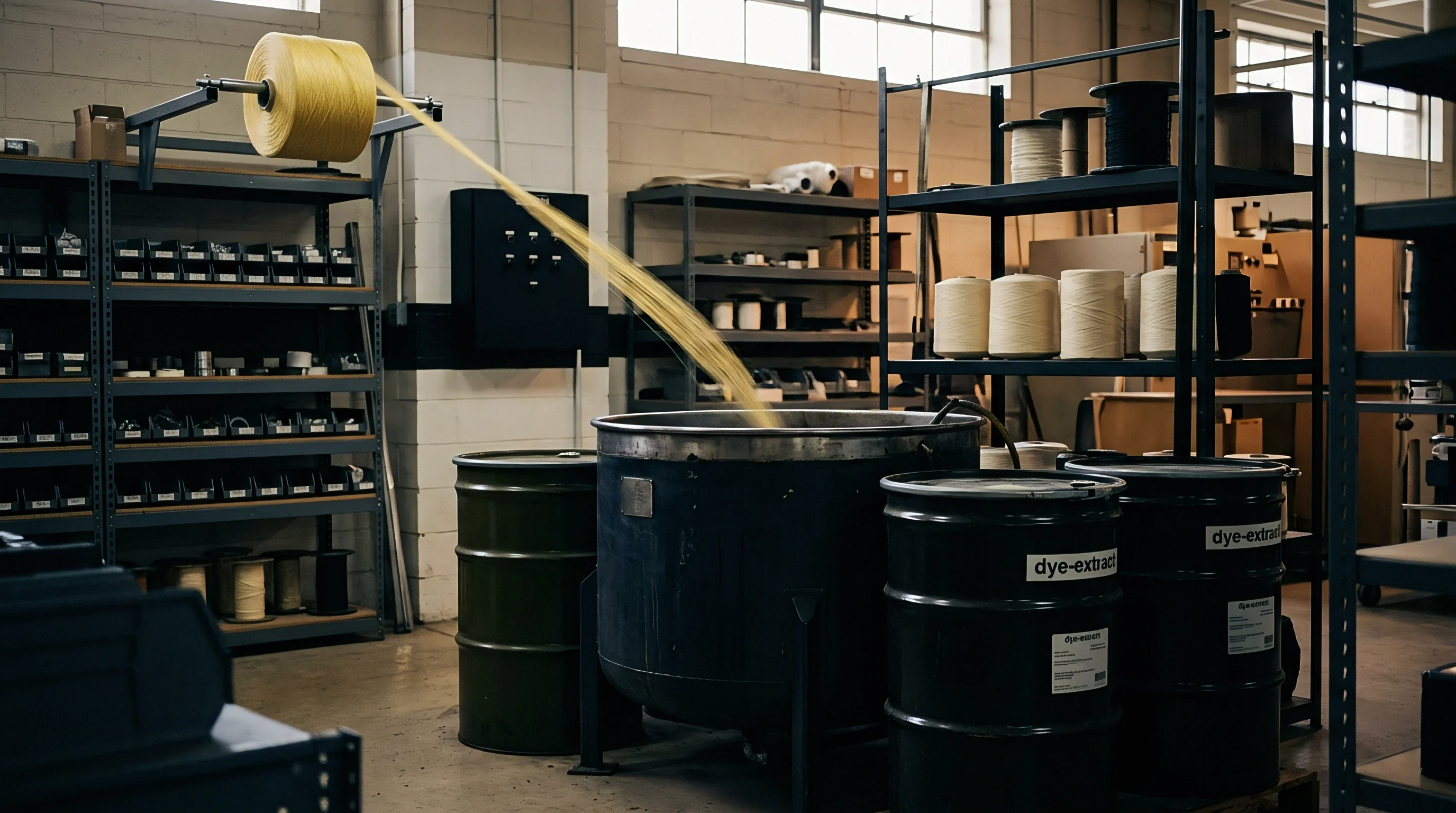
Bath
Commercial finishing plants run continuous scours and solvent washes where heavy industrial fabrics contact warm chlorinated fluids. In these production tanks, solvent chemistry, residence time, liquid agitation, and mechanical tension intersect to dictate final yarn properties. Perchloroethylene scours operate widely across technical weaving mills to strip spinning spin finishes, silicone lubricants, and sizing compounds before rubber vulcanization or polyurethane coating.
If tank temperatures drift toward solvent boiling points without precise tension limits, yarn degradation accelerates rapidly.
Cold extraction leaves pure aramid residues. Operating an industrial cleaning stage using perchloroethylene at 121 degrees Celsius alters the mechanical properties of polyester tyre cord. Exposure for thirty minutes at reflux temperature extracts up to 1.8 percent of low-molecular-weight cyclic oligomers from standard industrial polyethylene terephthalate.
This extraction alters the structural density of the core fibrils, creating internal micro-cavities that reduce yarn flex-fatigue life by eighteen percent under dynamic cyclic loading. Polyamide 6.6 yarns passing through identical tanks suffer severe plasticization, experiencing an immediate drop in modulus from 85 cN/tex down to 48 cN/tex if solvent carryover remains in the wound package during storage.
| Yarn Type | Linear Density (dtex) | Solvent Medium | Bath Temperature | Immersion Period | Residual Tenacity (cN/tex) | Tenacity Retention (%) |
|---|---|---|---|---|---|---|
| Polyamide 6.6 HT | 940 f140 | Dichloromethane | 20 C | 2 Hours | 76.5 | 91.0% |
| Polyamide 6.6 HT | 940 f140 | Perchloroethylene | 80 C | 30 Minutes | 79.8 | 95.0% |
| Polyamide 6.6 HT | 940 f140 | Perchloroethylene | 121 C | 30 Minutes | 68.9 | 82.0% |
| Poly(ethylene terephthalate) HT | 1100 f192 | Trichloroethylene | 50 C | 1 Hour | 77.4 | 98.0% |
| Poly(ethylene terephthalate) HT | 1100 f192 | Perchloroethylene | 121 C | 30 Minutes | 70.3 | 89.0% |
| Poly(ethylene terephthalate) HT | 1100 f192 | o-Dichlorobenzene | 130 C | 15 Minutes | 37.9 | 48.0% |
| Para-Aramid PPTA | 1680 f1000 | Perchloroethylene | 121 C | 4 Hours | 208.0 | 100.0% |
| UHMWPE Gel-Spun | 1320 f780 | Perchloroethylene | 80 C | 1 Hour | 278.4 | 96.0% |
| UHMWPE Gel-Spun | 1320 f780 | Perchloroethylene | 115 C | 15 Minutes | 116.0 | 40.0% |
| Values determined via ISO 2060 conditioning followed by constant-rate-of-extension tensile testing in accordance with ISO 20633; yarn samples relaxed without mechanical tension during solvent immersion. | ||||||
Tensile yield drops twenty percent post-immersion. The data indicates that high tenacity yarns demonstrate distinct vulnerability profiles in hot chlorinated liquors. Industrial gel-spun UHMWPE filaments undergo rapid degradation in perchloroethylene once bath temperatures climb above 100 degrees Celsius.
UHMWPE consists of highly extended polyethylene chains with a nominal melting point between 144 and 152 degrees Celsius. Hot perchloroethylene plasticizes the extended non-polar chains, triggering chain disengagement and lowering tenacity from 290 cN/tex down to 116 cN/tex within fifteen minutes at 115 degrees Celsius. In contrast, para-aramid filaments emerge from boiling perchloroethylene baths without measurable loss of tenacity.
Is Dichloromethane Penetration Accelerated by Tensile Strain?
Mechanical stress alters the diffusion energetics of solvent molecules entering strained polymer lattices. When an industrial polyamide 6.6 yarn undergoes tension exceeding 1.5 cN/dtex inside a dichloromethane wash tank, the applied stress stretches intermolecular bonds along the amorphous chain segments. This mechanical elongation increases localized free volume, accelerating solvent diffusion into the filament core by a factor of 2.4 compared to relaxed yarn bundles.
Chemical plasticization and external mechanical tension combine to initiate void propagation along the filament axis, producing irreversible fiber micro-fibrillation.
Commercial solvent recovery stages present substantial degradation risks if operators run dryer cycles below optimal air volumes. Residual chlorinated solvent trapped within tightly wound bobbin packages continues to dissolve amorphous domains during storage. A spool containing 0.5 percent residual dichloromethane by weight develops severe inner-layer tackiness over forty-eight hours at 25 degrees Celsius, fusing individual filaments together and ruining unwinding tension on subsequent weaving creels.
Bale classers and fabric evaluators implement rigorous verification steps when validating lots processed through chlorinated wash stages:
- Drawing composite specimens from the center of at least eight distinct rolls per dyeing lot ensures representative sampling across the entire finishing run.
- Extracting residual solvents via gas chromatography identifies trapped chlorinated residues above 50 parts per million that compromise downstream resin adhesion.
- Conducting constant rate tensile tests establishes whether tensile tenacity values meet the minimum 70 cN/tex threshold required for industrial reinforcement contracts.
- Measuring boiling water shrinkage catches latent polymer relaxation caused by solvent plasticization, flagging unstable lots before they enter cutting operations.
Degradation Kinetics in Perchloroethylene Scouring Operations
Scouring processes operating at high throughput speeds create continuous dynamic fluid shear against moving yarn webs. As technical yarns travel through perchloroethylene baths at eighty meters per minute, boundary-layer turbulence strips low-molecular-weight processing oils while driving solvent molecules directly into the filament bundle under hydrodynamic pressure. Maintaining bath purity requires automated continuous distillation to keep dissolved grease and extracted wax fractions below 0.3 percent by volume.
Contaminated perchloroethylene liquors accumulate acidic byproducts over time. Atmospheric oxygen and residual moisture react with perchloroethylene under heat to form trichloroacetyl chloride and hydrochloric acid. Unstabilized recycled solvent containing 150 parts per million free hydrochloric acid aggressively attacks polyamide 6.6 filaments, cutting amide linkages via acid hydrolysis and dropping yarn breaking tenacity by thirty percent inside thirty minutes at 85 degrees Celsius.
Commercial scouring operators protect yarn integrity by adding alkyl-phenol or amine acid-scavengers to stabilize the chlorinated wash bath against acidification.
The processing plant representative stated that finish washouts caused the recorded tensile variations rather than solvent-induced polymer degradation.
Separation
Analytical laboratories isolate individual fibre components from hybrid technical textiles through quantitative chemical dissolution. Standards such as ISO 1833 and ASTM D629 establish solvent separation protocols that dissolve one specific fibre fraction while leaving companion fibres unaltered. When evaluating industrial combinations containing high tenacity nylon, polyester, UHMWPE, or aramid filaments, chlorinated solvents provide selective separation boundaries based on differential thermodynamic solubility thresholds.
Soxhlet extraction requires twenty siphon cycles. Industrial separation testing relies on precise chemical mechanics to isolate distinct polymer fractions from intimate filament mixtures:
| Mixture Combination | Standard Separation Reagent | Extraction Conditions | Dissolved Component | Insoluble Residue | Empirical Mass Correction Factor (d) |
|---|---|---|---|---|---|
| Polyester HT / Cotton Mixture | o-Chlorophenol (pure) | 100 C, 30 min | Polyester HT | Cotton Cellulose | 1.02 |
| Polyester HT / Para-Aramid | o-Chlorophenol (pure) | 140 C, 45 min | Polyester HT | Para-Aramid | 1.00 |
| Polyamide 6.6 HT / Para-Aramid | Formic Acid / DCM (50:50 v/v) | 23 C, 20 min | Polyamide 6.6 HT | Para-Aramid | 1.00 |
| UHMWPE / Para-Aramid | 1,2,4-Trichlorobenzene | 140 C, 60 min | UHMWPE | Para-Aramid | 1.01 |
| UHMWPE / Polyester HT | 1,2,4-Trichlorobenzene | 135 C, 45 min | UHMWPE | Polyester HT | 1.03 |
| Polyester HT / Polypropylene HT | Tetrachloroethane / Phenol (50:50) | 110 C, 30 min | Polyester HT | Polypropylene HT | 1.01 |
Commercial regain shifts final invoice weight. A primary challenge in quantifying high tenacity mixtures involves setting the empirical correction factor (d) for mass loss experienced by the insoluble residue during extraction. While virgin para-aramid filaments demonstrate outstanding inertness in warm o-chlorophenol, prolonged exposure at 140 degrees Celsius extracts finish oils and trace moisture, yielding a 0.3 to 0.5 percent loss in dry residue mass.
Neglecting this correction overstates the calculated polyester content, causing disputes in customs classifications where duty rates turn on small composition thresholds.
Standard ISO 1833 protocols assign an empirical mass correction factor of 1.00 to para-aramid residues recovered from boiling chlorobenzene washes.
Formic acid dissolves aliphatic polyamides completely. In contrast, evaluating a composite technical fabric consisting of eighty percent high tenacity polyethylene terephthalate and twenty percent high tenacity polyamide 6.6 requires selective reagent selection. Standard eighty percent formic acid dissolves the nylon component at room temperature while leaving polyester intact.
When analysts substitute dichloromethane containing ten percent formic acid, nylon dissolves in less than five minutes. However, residual dichloromethane must be purged through boiling water flushes before oven-drying the polyester residue, because adsorbed chlorinated molecules resist desiccation at 105 degrees Celsius, creating artificial mass gains during gravimetric weighing.
Are Chlorinated Aromatics Effective at Ambient Temperatures?
Aromatic ring structures present in chlorobenzene and ortho-dichlorobenzene exhibit low chemical activity below 50 degrees Celsius. In industrial testing of gel-spun UHMWPE combined with aramid filament webs, room-temperature ortho-dichlorobenzene fails to solvate high-molecular-weight polyethylene. The extensive crystalline chain folding of UHMWPE resists non-polar solvent penetration until the bath temperature reaches the dissolution threshold of 135 degrees Celsius.
At this elevated thermal level, ortho-dichlorobenzene completely dissolves the polyethylene fraction, allowing clean filtration through sintered glass crucibles to isolate the insoluble aramid substrate.
Analytical accuracy breaks down when handling degraded industrial textiles retrieved from service. High tenacity polyester exposed to long-term outdoor weathering develops surface carboxyl end groups via photo-oxidation. When treated with ortho-chlorophenol, degraded polyester chains dissolve substantially faster than pristine filaments, but partially oxidized fragments can cross-link into insoluble micro-gels that clog filter crucibles.
Analysts must wash residues thoroughly with warm chloroform to strip gel fractions before drying specimens to constant weight.
Technical managers verify analytical accuracy by enforcing specific test conditions across all extraction dossiers:
- Specimen drying protocols enforce oven desiccation at 105 degrees Celsius until consecutive weighings agree within 0.0002 grams across fifteen-minute intervals.
- Solvent distillation purity checks require analytical-grade reagents containing less than 0.01 percent non-volatile residue to prevent specimen mass contamination.
- Agitation rate control maintains mechanical stirring at 120 rotations per minute to prevent localized concentration gradients during dissolution.
- Glass crucible porosity selection mandates Grade 3 sintered glass with pore diameters between 16 and 40 micrometers to catch fine fibrillar fragments.
Quantitative Extraction Regimes in Chemical Analysis
Gravimetric extraction routines require careful handling to preserve residue integrity during industrial yarn audits. For a technical fabric sample weighing exactly 2.5000 grams consisting of high tenacity polyester and para-aramid, the analyst charges forty milliliters of ortho-chlorophenol per gram of specimen inside an extraction flask. The bath is heated to 140 degrees Celsius and held under continuous reflux for forty-five minutes.
The hot mixture passes through a pre-weighed filter crucible under vacuum suction, followed by successive washings with fifty milliliters of glacial acetic acid to clear residual phenolic solvent, and three flushes with cold trichloromethane to eliminate remaining organics.
Dichloromethane boils at forty degrees Celsius. When testing laboratories omit the secondary trichloromethane rinse, viscous ortho-chlorophenol remains trapped within the aramid filament bundle. Upon oven drying at 105 degrees Celsius, this trapped solvent undergoes partial charring, discoloring the residue and adding up to 1.4 percent spurious mass to the insoluble aramid fraction.
Across an import container carrying twenty tonnes of industrial reinforcement fabric, this procedural error shifts declared blend ratios past commercial specification limits, exposing the buyer to customs penalties.
Commercial contracts specifying quantitative composition require testing under ISO 1833 Part 11 with residues corrected for analytical mass loss.

Clearance
Import classifications for technical textiles depend strictly on verified fibre percentages by weight. Customs tariff codes separate pure synthetic filament yarns, composite yarns, and mixed technical fabrics into distinct tariff headings carrying duty rates that diverge by multiple percentage points. In high tenacity categories, misidentifying a blend component or miscalculating the relative mass ratios of polyester, nylon, and aramid yarns results in immediate customs delays, retroactively adjusted tariff assessments, and civil financial penalties.
Customs laboratory assays decide tariff rates. Under the Harmonized Tariff Schedule, pure high tenacity single yarns of polyamides fall under subheading 5402.19, carrying distinct duty treatments depending on tenacity thresholds exceeding 60 cN/tex. High tenacity polyester filaments enter under subheading 5402.20, demanding verified tenacity values above 53 cN/tex.
When an imported shipment consists of hybrid technical tape containing both high tenacity nylon 6.6 and high tenacity polyester filaments, classification is governed by the fibre that predominates by weight under Section XI Note 2 of the tariff code. A laboratory analytical error of two percent in quantitative solvent separation can switch the classification from nylon to polyester, altering the duty burden across multi-container shipments.
Tariff line 5402.19 governs high tenacity aramid. A worked calculation demonstrates the financial impact of chemical dissolution accuracy on commercial landed costs. Consider an imported order of forty tonnes of technical reinforcement yarn declared as eighty-five percent high tenacity polyester and fifteen percent para-aramid.
Under European Union TARIC schedules, high tenacity polyester yarn under heading 5402.20 faces a third-country duty rate of 4.0 percent, whereas para-aramid yarns enter under heading 5402.11 duty-free. The composite yarn must be classified based on the constituent that predominates by weight. If the customs testing laboratory utilizes aggressive ortho-chlorophenol extraction without proper mass correction for aramid degradation, the measured polyester content drops to 78 percent while aramid residue appears at 22 percent.
While this analytical error does not flip the predominating component in this specific case, consider a balanced construction declared at fifty-two percent high tenacity nylon 6.6 and forty-eight percent polyester, purchased at 6.20 euros per kilogram. On a forty-tonne shipment with an invoice value of 248,000 euros, correct classification under nylon 5402.19 yields a 4.0 percent duty liability totaling 9,920 euros. If an analytical laboratory utilizes an uncorrected dichloromethane-formic acid extraction that leaches three percent of the polyester along with the nylon, the report will certify fifty-five percent nylon content, confirming the 5402.19 heading.
If a conflicting audit laboratory executes a harsh boiling phenol test that degrades the nylon residue and reports fifty-one percent polyester, customs reclassifies the entire shipment under polyester 5402.20, triggering revised documentation demands, origin redeterminations, and border clearance holds that generate detention fees exceeding 350 euros per container per day.
Customs Valuation and Fibre Composition Disputes
Border clearance disputes frequently emerge from laboratory disagreements over dissolution methodology. When customs authorities pull verification samples from imported marine containers, border chemists often employ rapid solvent extraction techniques rather than the full multi-stage protocols specified in ASTM or ISO standards. Accelerated testing utilizing unbuffered trichloroethylene or aggressive chlorinated phenolics creates divergent solubility numbers that conflict with the mill’s certified test dossiers.
Shorter extraction times yield incomplete dissolution of high-tenacity crystal structures, leaving undissolved polymer gels trapped in the residue. The resulting gravimetric report overstates the insoluble fiber fraction. Importers facing penalty notices must immediately demand formal re-testing under standardized international referee methods using duplicate specimens drawn from sealed customs retention cuts.
Securing commercial clearance requires submitting accredited laboratory certificates documenting exact solvent purities, dissolution temperatures, and dry residue correction factors.

Tariff Line Classification and Reclaim Proofs
Preferential tariff treatment under rules of origin clauses requires strict documentation of component fibre weights and spinning locations. Free trade agreements mandate that technical textiles qualify for preferential duty rates only if the non-originating fibre content remains below defined de minimis thresholds, typically seven to ten percent of total product mass. Proving that an imported industrial yarn meets these origin rules requires accredited chemical dissolution records demonstrating that non-originating components do not breach statutory limits.
Industrial yarn buyers protect their margins by embedding strict testing clauses into supplier contracts. Master purchase agreements should specify that declared blend percentages are audited exclusively via ISO 1833 test methods utilizing designated chlorinated solvents under controlled temperature bounds. The contract must identify the specific referee testing laboratory whose findings will arbitrate commercial disputes, preventing suppliers from defending non-conforming shipments with internal, unverified bench tests.
When testing tolerances, solvent grades, and gravimetric correction factors are locked into the contract before yarn leaves the spinning mill, landed costs remain predictable and customs audits proceed without disruption.
Failing to verify solvent separation tolerances against customs standards shifts shipments into higher duty classifications and incurs statutory misdeclaration penalties.