
Standard Gravimetric Test Protocols for Quantitative Finishes in Regulated Fibres
Standard gravimetric solvent extraction isolates topical finishes from regulated fibres to verify commercial mass and enforce chemical declaration limits.
Standard gravimetric solvent extraction isolates topical finishes from regulated fibres to verify commercial mass and enforce chemical declaration limits.

Commercial mass of synthetic filament yarns is determined by adding standard commercial moisture allowances to solvent-extracted oven-dry mass.

Accurate solvent extraction of recycled cotton ternary mixes demands resin stripping, precise filter porosity, and adjusted d-factors to prevent tariff misclassification.

Accurate quantitative chemical separation of recycled cellulosic yarns demands sodium zincate extraction with calibrated d-factors and complete solvent scouring.
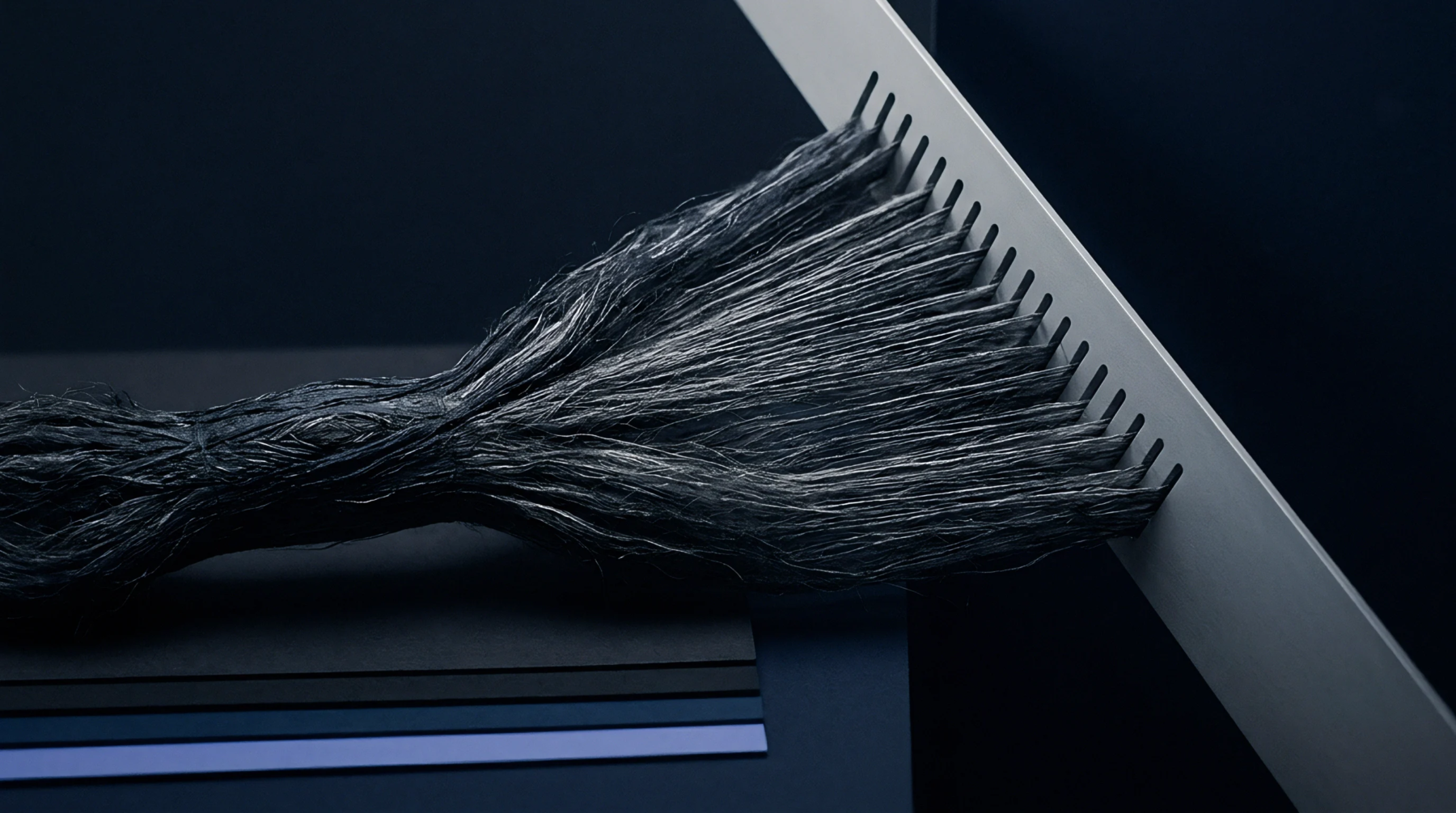
Solvent extraction of heat sensitive cellulosics requires empirical blank testing to correct thermal mass loss and prevent costly customs misclassification.
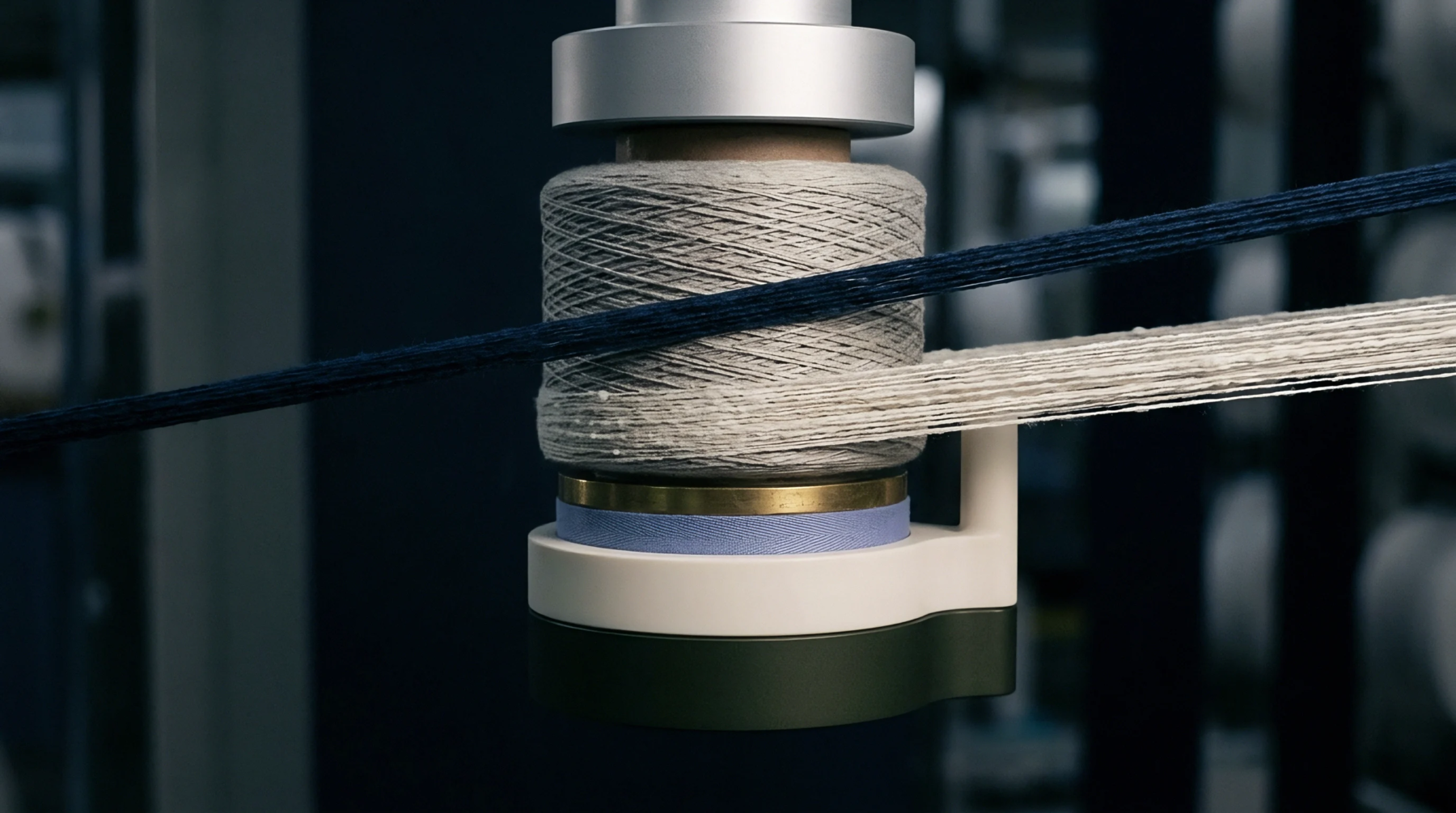
Establishing gravimetric moisture correction limits requires adjusting commercial regain to 7.4-7.85% to account for hornification in shredded cotton yarns.

Clean dry mass removes finishes and water to yield true polymer weights, which commercial regain adjustments convert into legally defensible blend ratios.

Solvent extraction on post-consumer yarn varies due to oligomer leaching and solvent choice; specify non-swelling solvents to isolate true topical oils.

Exhaustive cryogenic milling combined with swelling solvent extraction and liquid chromatography resolves inter-laboratory divergence in bound solvent assays.

Chemical dissolution isolates synthetic residues while statutory moisture regain corrections shift dry gravimetric yields across customs chief-weight lines.
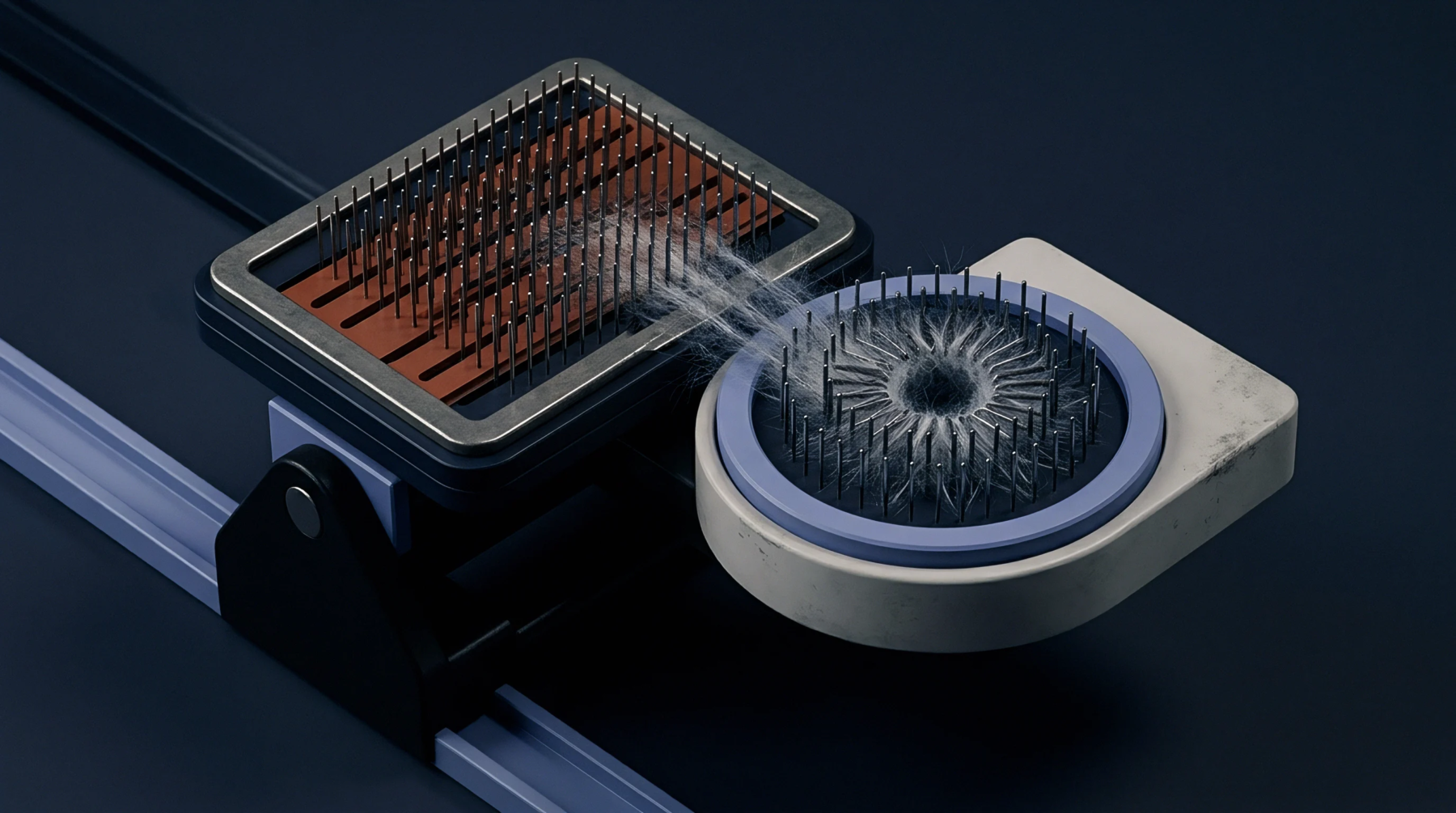
Customs chief-weight classification for multi-fibre textiles depends on whether laboratories calculate percentages on oven-dry mass or statutory regain values.
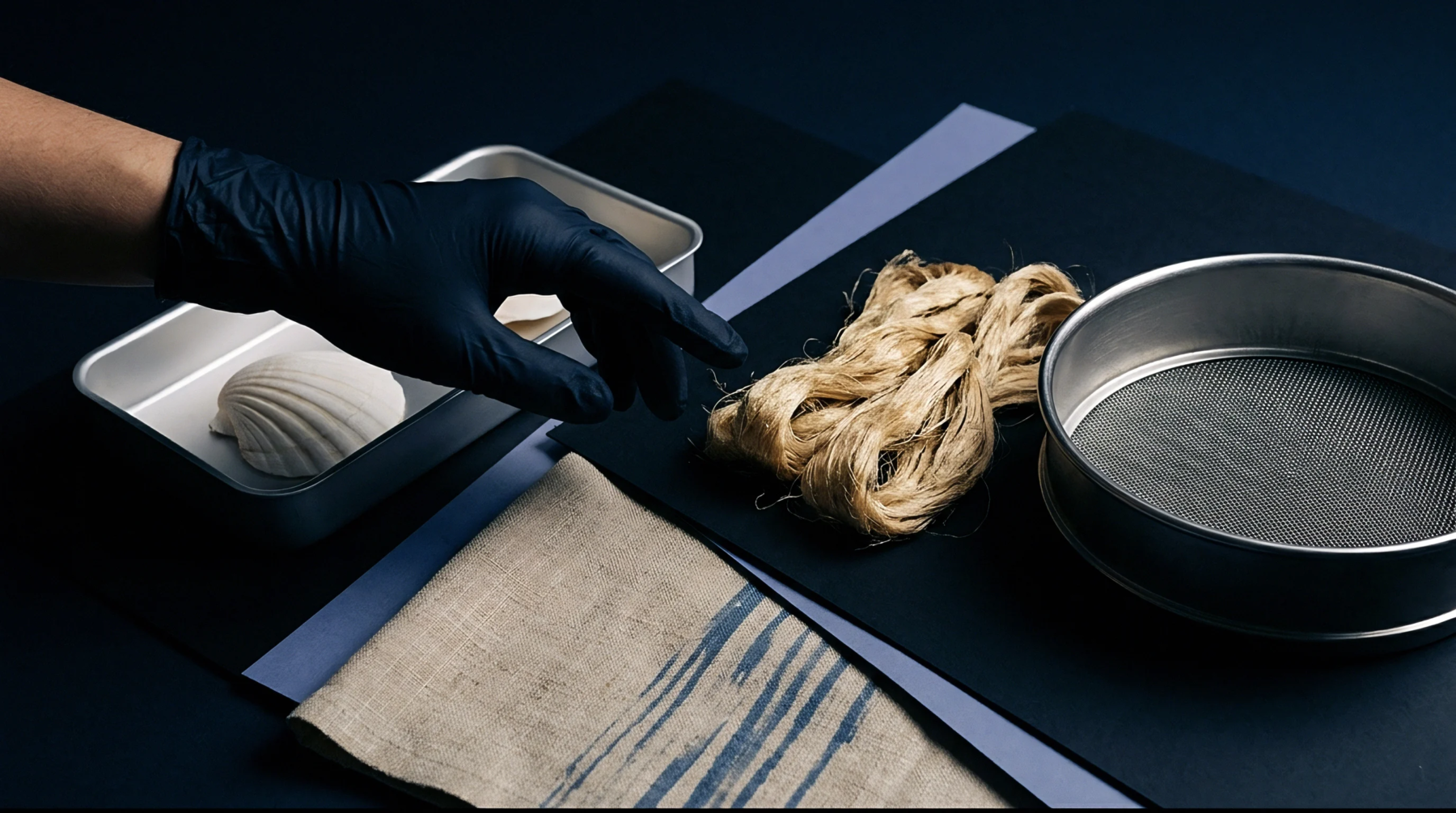
Commercial mass calculations adjust billed consignment weights to oven-dry mass plus standard moisture regain, preventing buyers from paying yarn prices for water.

Quantifying polyurethane polyurea separation yields requires selective tetrahydrofuran Soxhlet extraction followed by high vacuum drying to close mass balances.
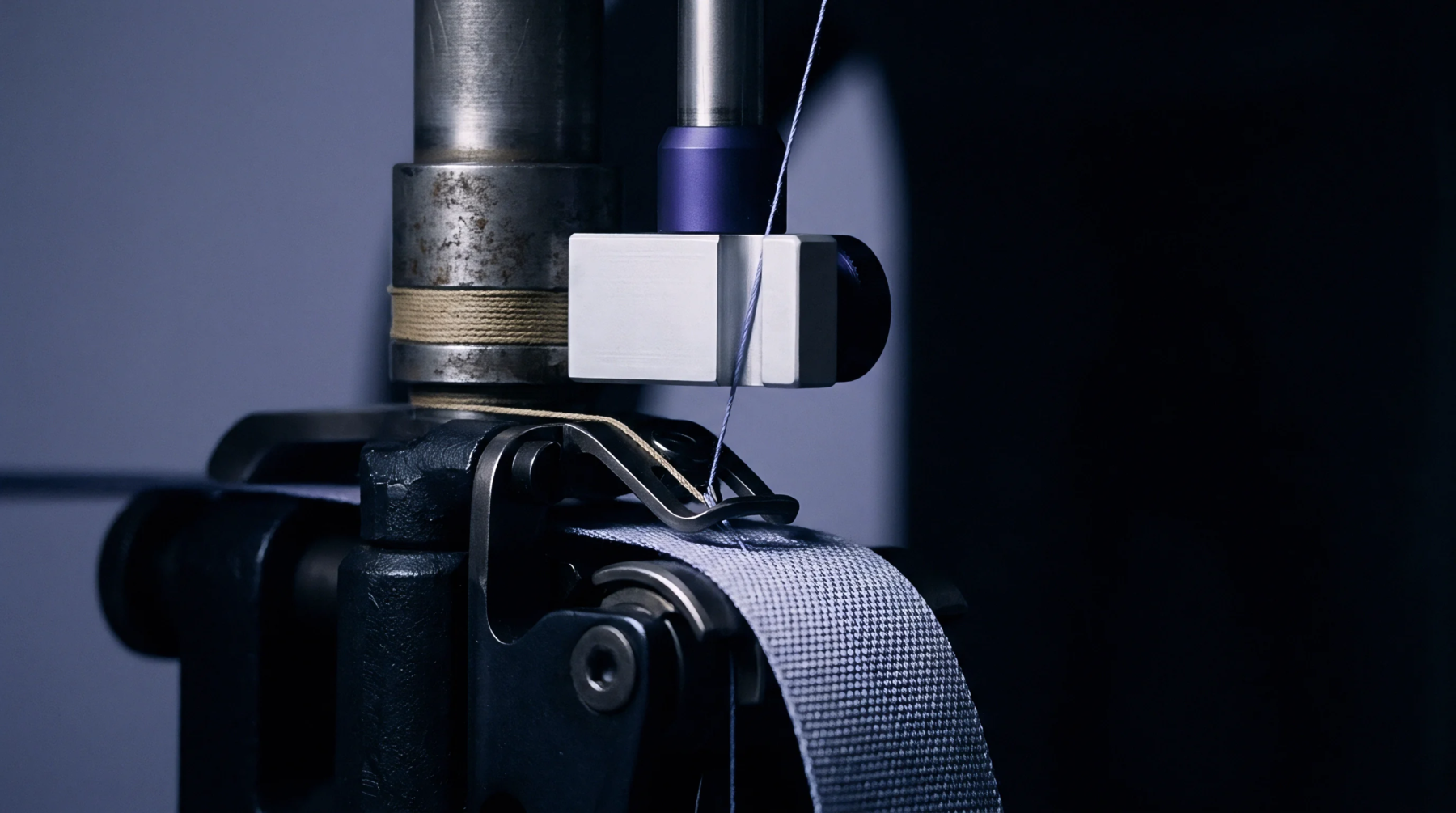
Chlorinated solvents dissolve high tenacity yarns at distinct thermodynamic thresholds, enabling precise quantitative separation and customs verification.

Automated solvent extraction eliminates knitting oils and silicone finishes from elastomeric organic knits to ensure compliant blend analysis.
Solvation choices and matrix binding alter chemical extraction yields, making laboratory methodology details decisive in cross border compliance audits.
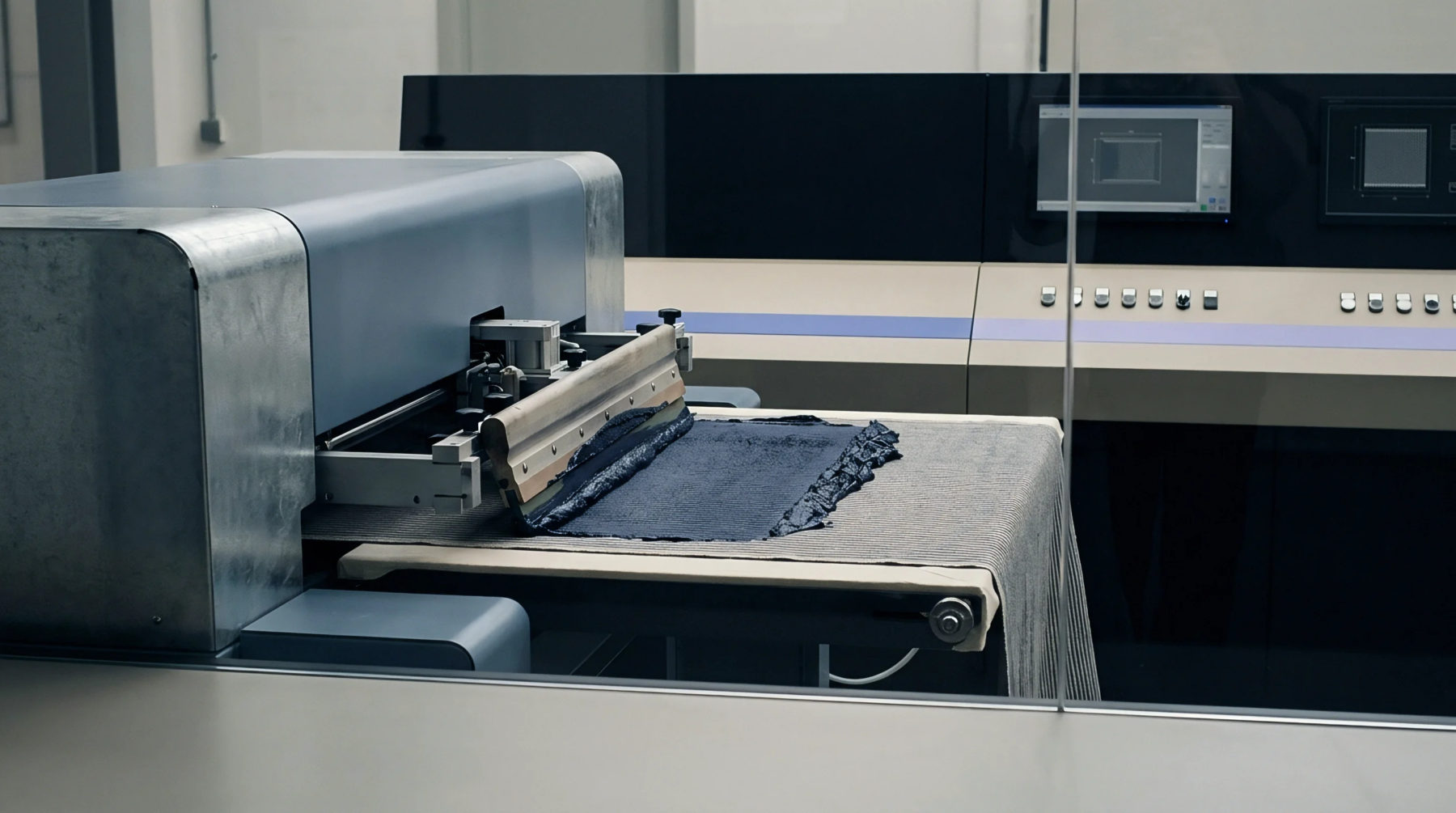
Applying ISO 6741 commercial regain adjustments converts clean dry mass into invoiced commercial weight, eliminating moisture weight errors in blend purchases.
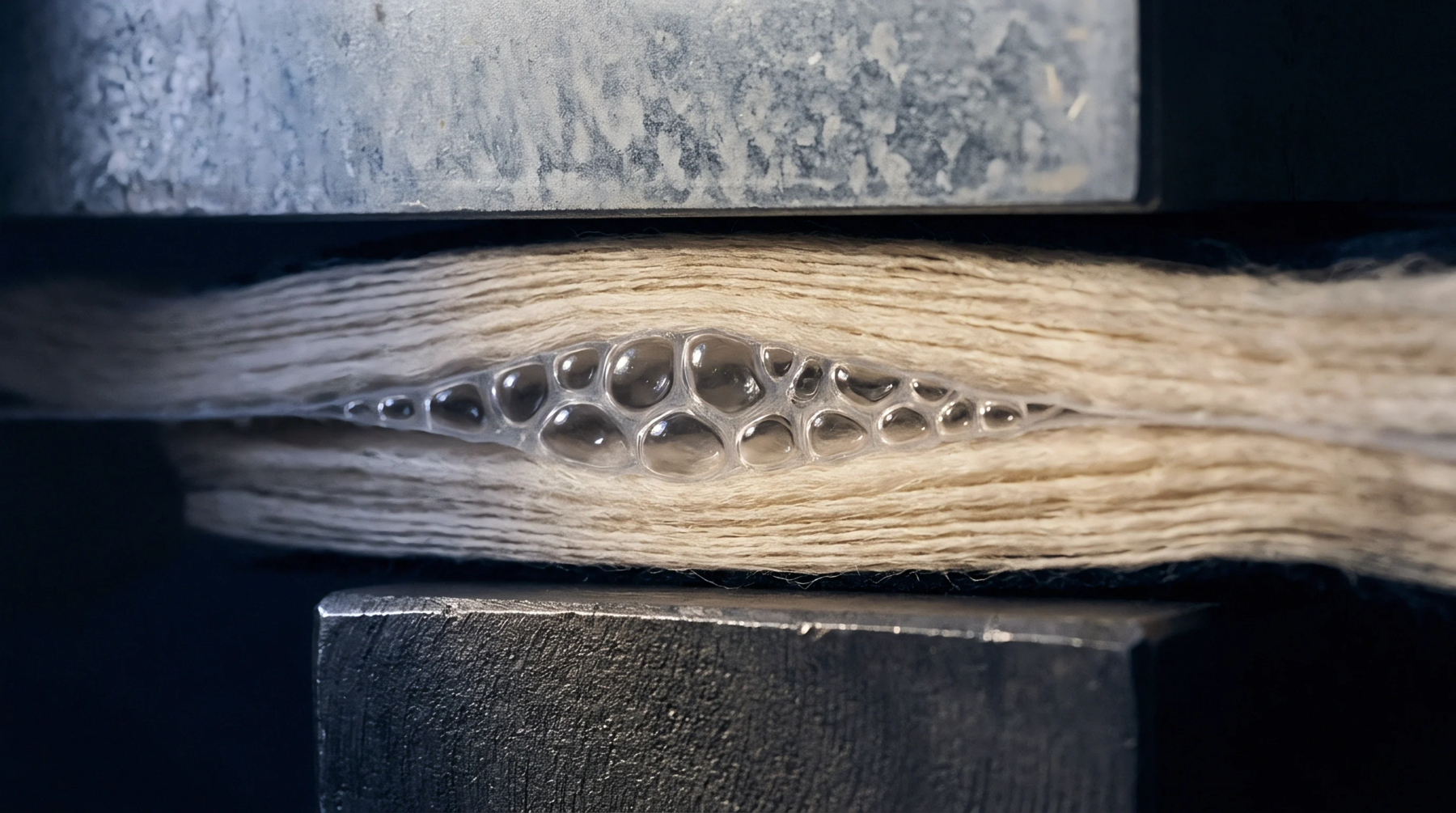
Gravimetric determination of viscose polyester blends requires solvent pre-extraction to prevent non-fibrous matter bias from shifting commercial blend claims.

Pre-treatment solvent extraction eliminates spin finish mass errors, ensuring precise quantitative fiber analysis and valid tariff classification.

Specifying empirical correction factor d in purchase contracts resolves mass variance and tariff risk caused by recycled polyester dissolution losses.
Commercial textile blend ratios require adjusting clean oven dry masses with statutory moisture regain rates to ensure accurate legal customs declarations.
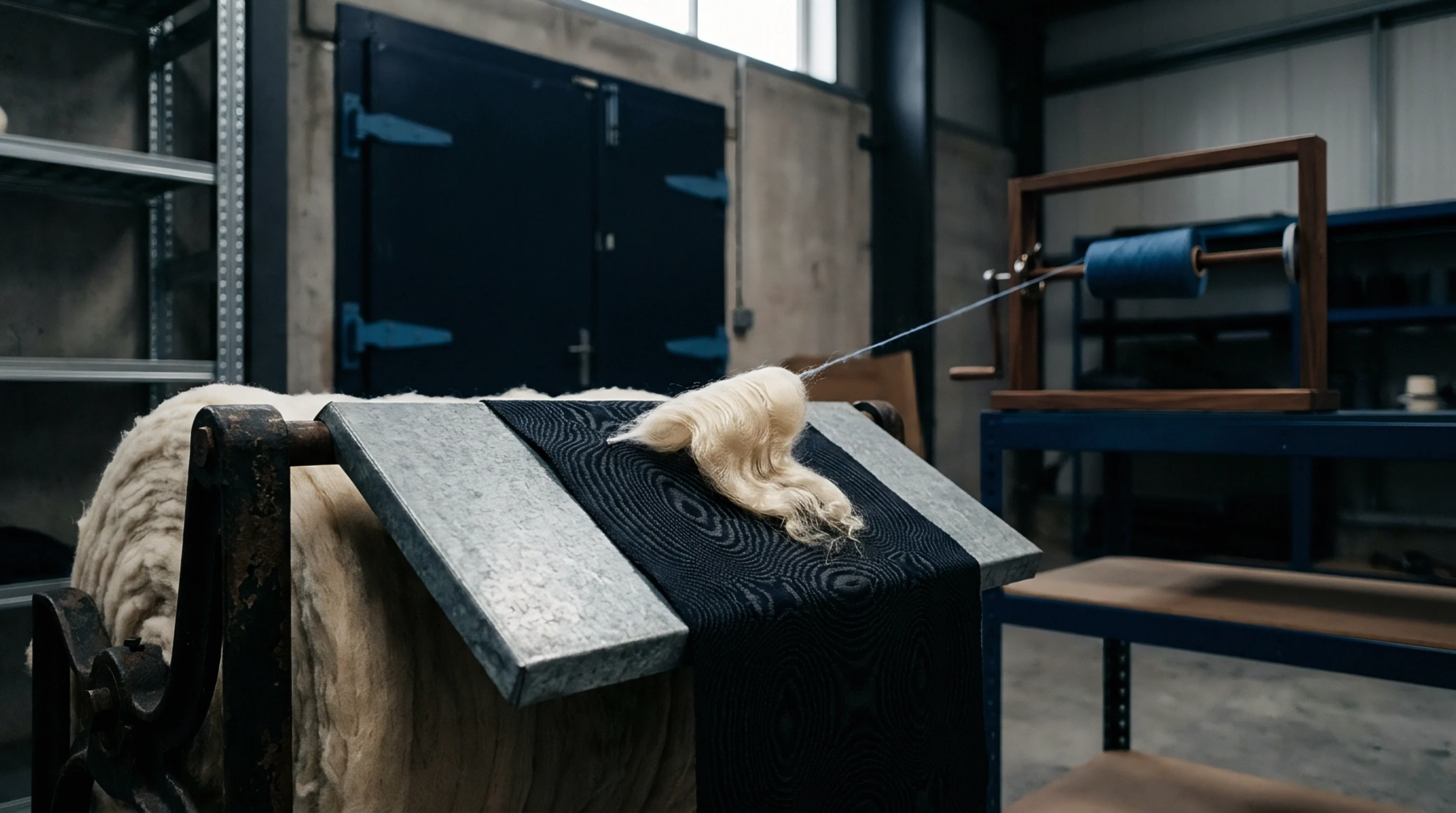
Chemical dissolution separates wool from polyester using alkaline sodium hypochlorite, requiring d-factor and moisture regain corrections for accurate declarations.

Disparity resolution requires calibrating ISO 1833 d-factors for degraded recycled polymers and enforcing P40 filter split-sample arbitration protocols.
Expertise is a utility, not a secret. sentiention™ publishes its working knowledge as open reference: intelligence layer covering the materials it sources, the markets it enters, and the reference that serves both.