
Standard Quantitative Chemical Separation of Cotton Polyester Yarns
Standard chemical separation of cotton polyester yarns uses 75% sulfuric acid dissolution with gravimetric recovery corrected for commercial moisture regain.
Standard chemical separation of cotton polyester yarns uses 75% sulfuric acid dissolution with gravimetric recovery corrected for commercial moisture regain.
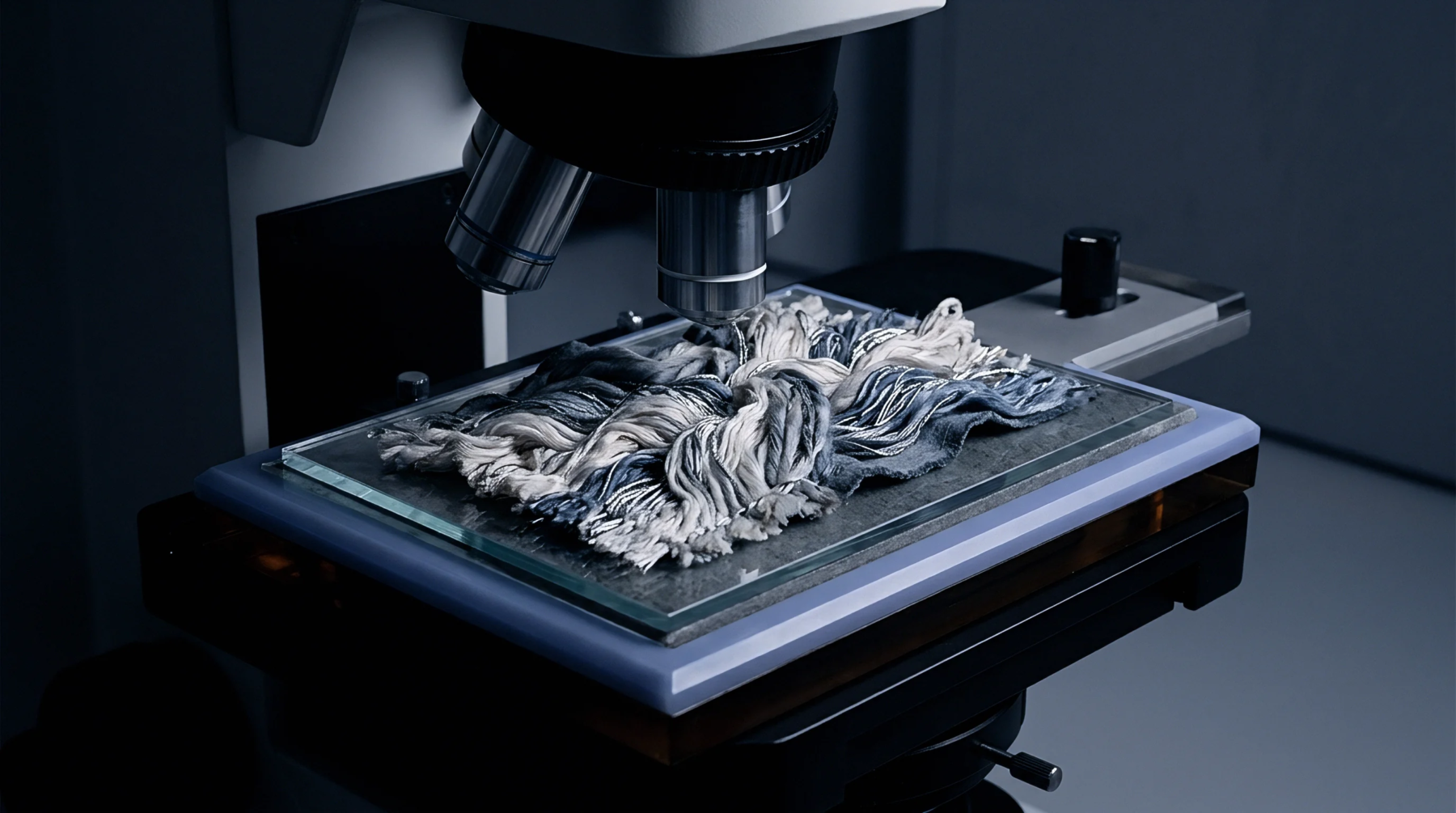
High heater temperatures mobilize PET cyclic trimers, driving surface crystallization that glazes texturing discs and requires strict HPLC wash thresholds.
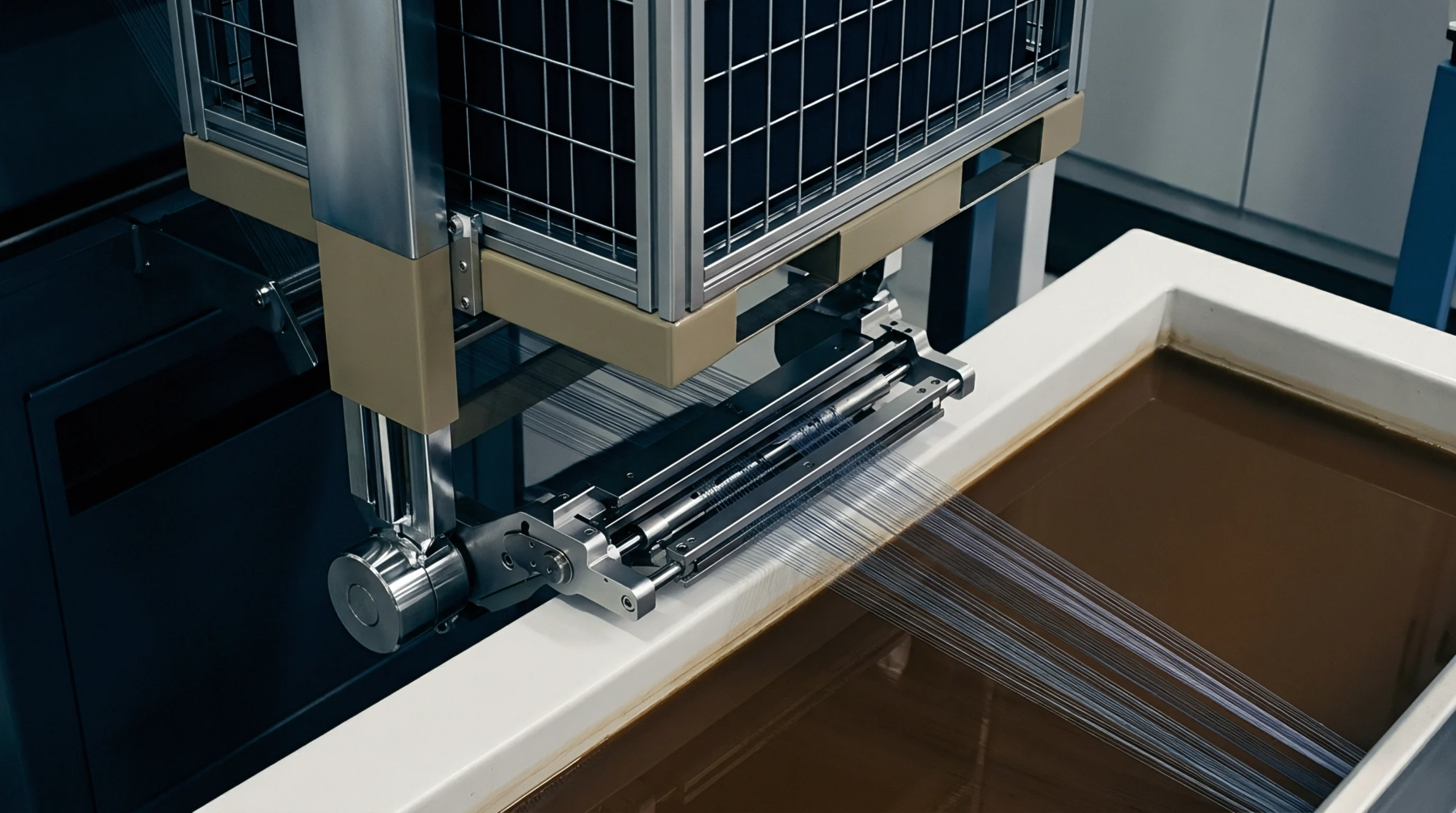
High performance liquid chromatography quantifies polyamide cyclic monomer densities down to five parts per million following cryogenic milling and methanol reflux.

Hot Soxhlet extraction thermally volatilises low-MW alkoxylated polyethers, skewing gravimetric finish content and corrupting clean fiber blend declarations.

Chlorinated solvent reflux extracts structural polymer oligomers alongside spin finishes, distorting quantitative gravimetric composition analysis unless corrected.

Quantitative spin finish removal demands targeted binary solvent extraction to prevent gravimetric error in customs fibre composition analysis.

Commercial weight recalculation adjusts raw fiber invoice mass by adding official contractual moisture regain allowances to laboratory verified oven-dry fiber mass.

Mandating ISO 1833 acid hydrolysis pre-treatment eliminates false synthetic mass figures caused by crosslinked resin residues in cotton solvent extraction.

Determining recovered yarn linear density involves unraveling measured lengths, removing crimp under standardized tension, and correcting dry mass for size.

Accurate solvent dissolution pairs Soxhlet pre-treatment with calibrated mass correction factors to settle legal customs declarations on binary fibre mixtures.

Solvent extraction removes non-fibrous sizing and oils before applying statutory moisture regains to clean dry fibre masses for tariff classification.

Correcting PET spin finish extraction figures demands subtracting dissolved cyclic trimers to prevent overstating lubricant content in commercial mass calculations.

Solvent extraction isolates spin finishes and waxes from spun yarns, preventing excess processing aids from inflating commercial mass and landed duty costs.

Spin finish deposits inside vortex chambers shift fluid boundary layer friction, increasing yarn hairiness and degrading tenacity during high-speed runs.

True dry fiber mass requires quantitative solvent extraction of non-fibrous processing aids prior to forced-draft oven drying to constant weight.

Determining viscose wool dry mass ratios through ISO 1833 requires selective chemical dissolution, reagent mass correction, and commercial regain adjustments.
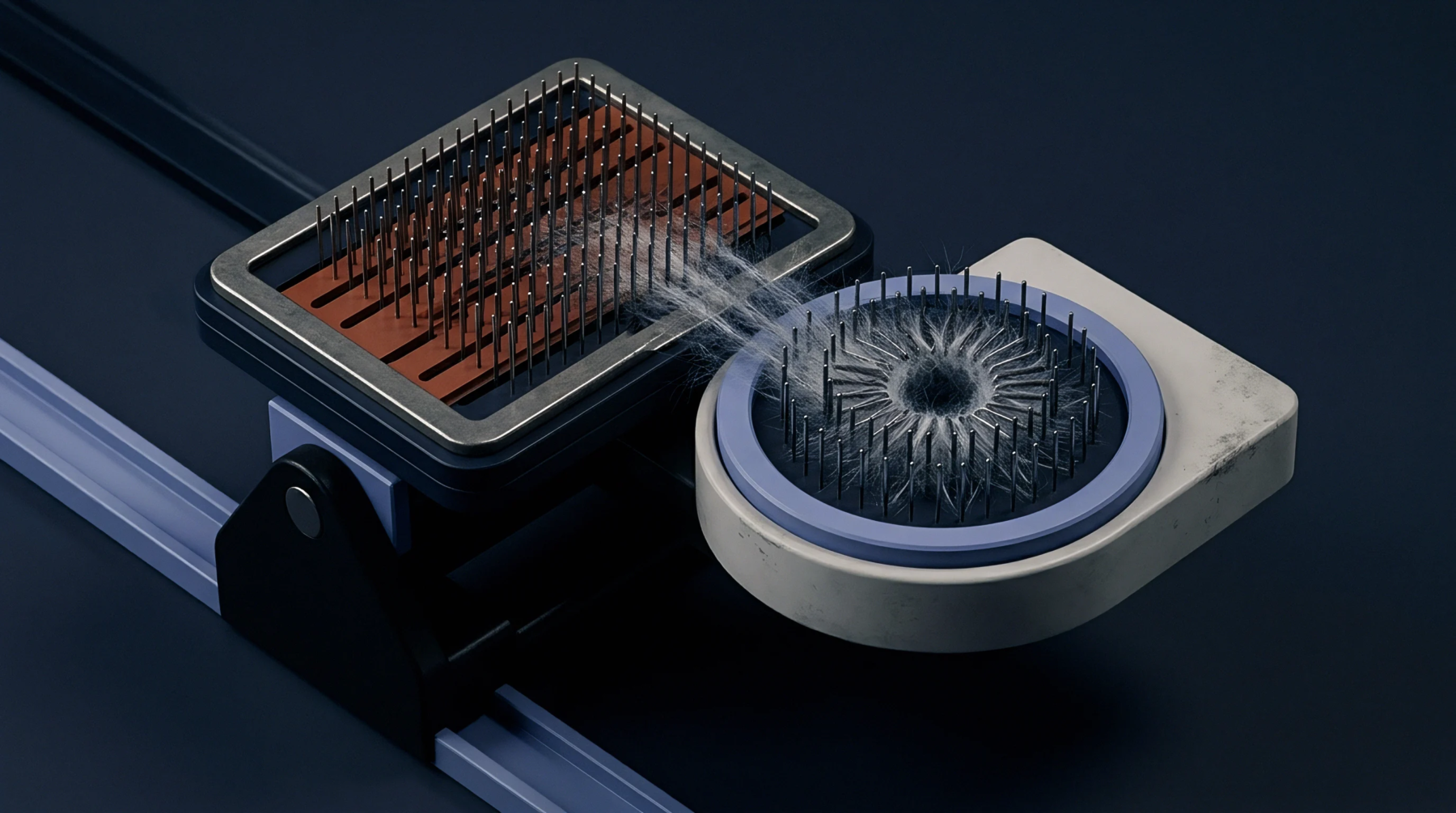
Verifying synthetic filament claims requires aligning scope certificate product codes against physical batch mass yields and yarn transaction certificates.
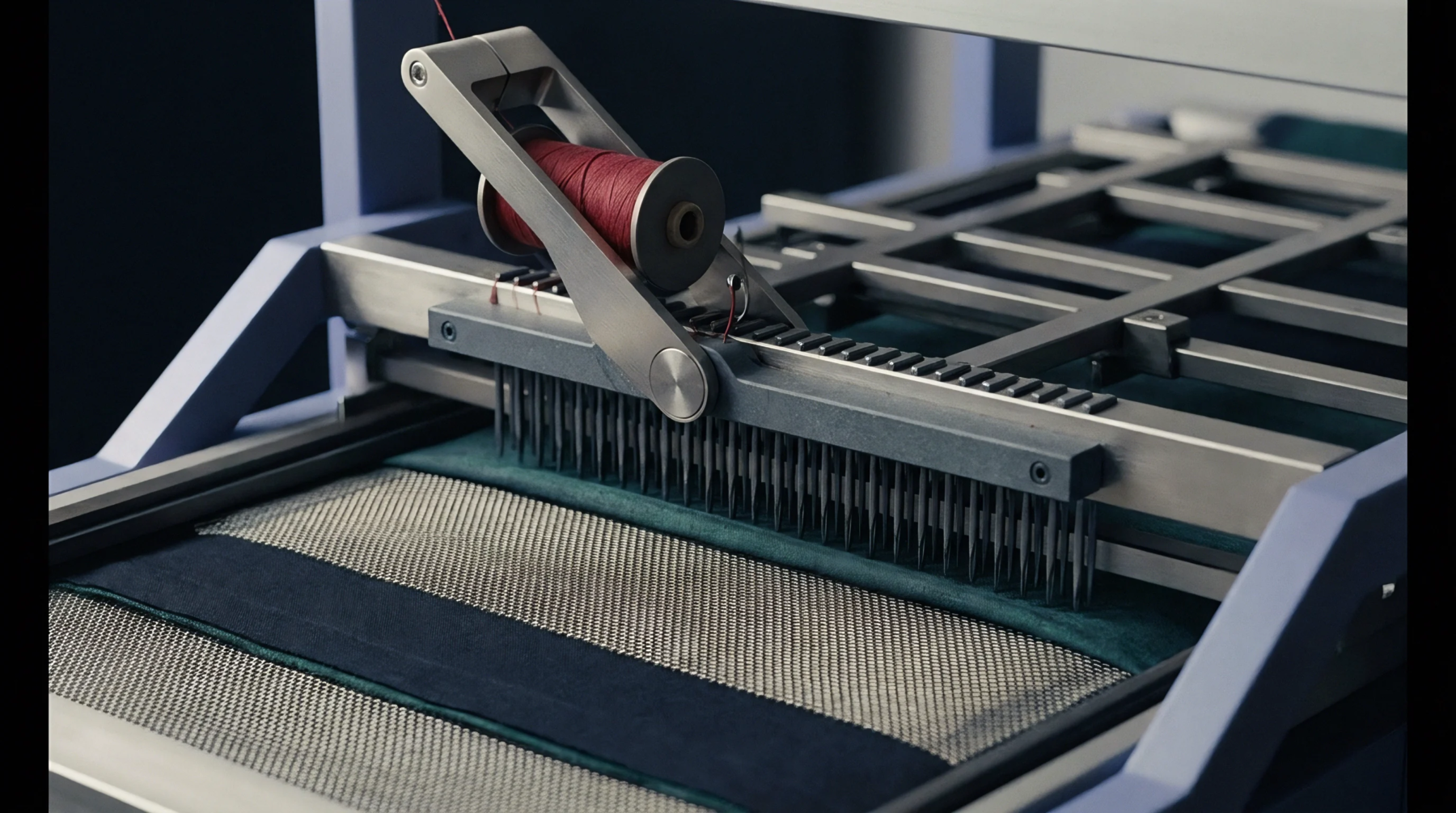
Calculate weighted regain by multiplying dry fiber fractions by standard regain rates, applying this factor to clean dry mass for final invoice weight.
Cross border chemical retests demand exact matching of solvent polarities, extraction temperatures, and specimen shred sizes to resolve audit discrepancies.
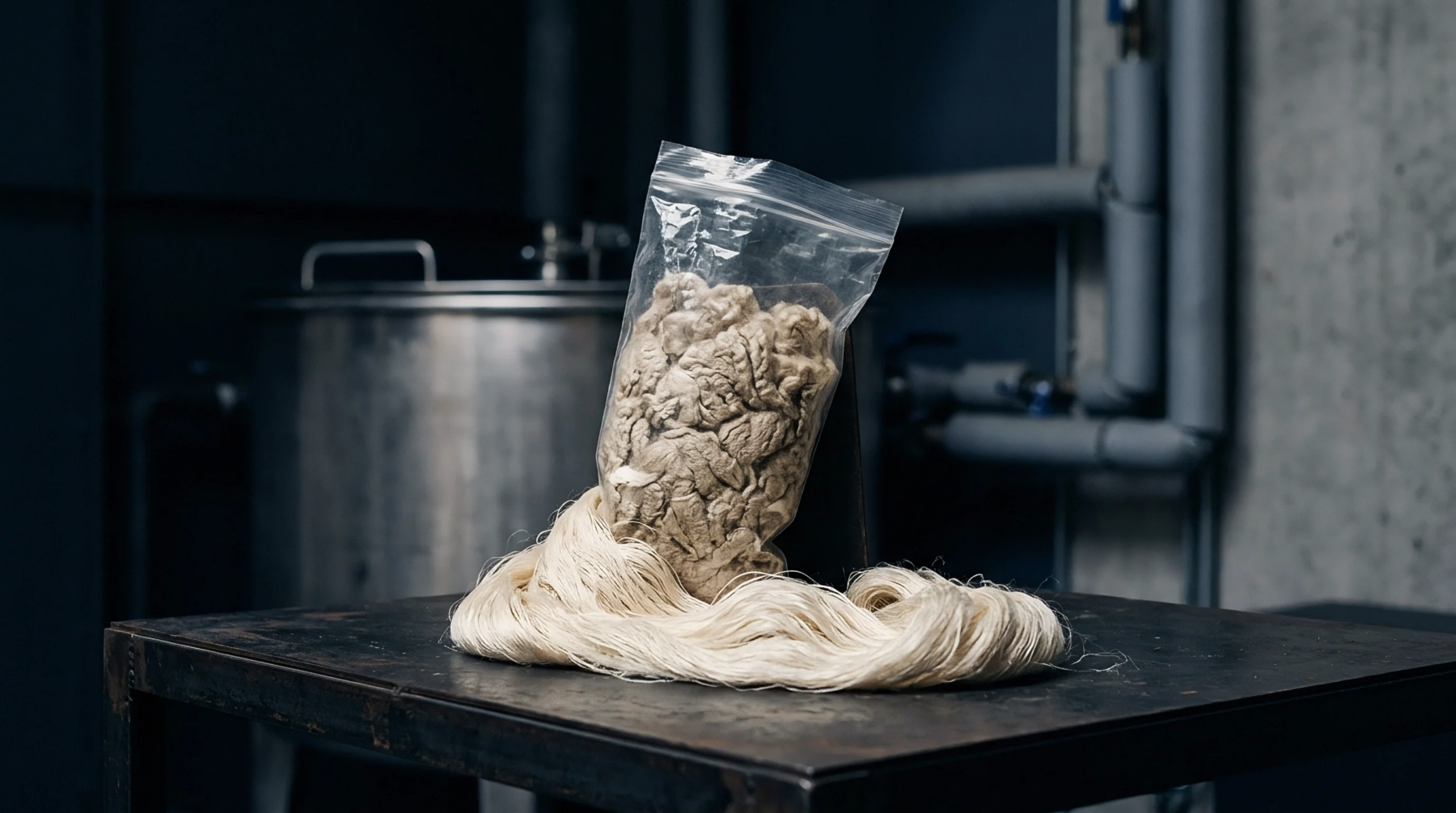
Quantitative fibre blend analysis uses selective chemical dissolution, gravimetric desiccation, and microscopic counting to verify trade declarations.

Commission dyeing defect liability requires contractual tripartite agreements, pre-process greige verification gates, and analytical fault isolation.
Greige qualification governs wet processing uptake through conditioned mass accounting, chemical size identification, capillary absorbency, and bow tolerances.
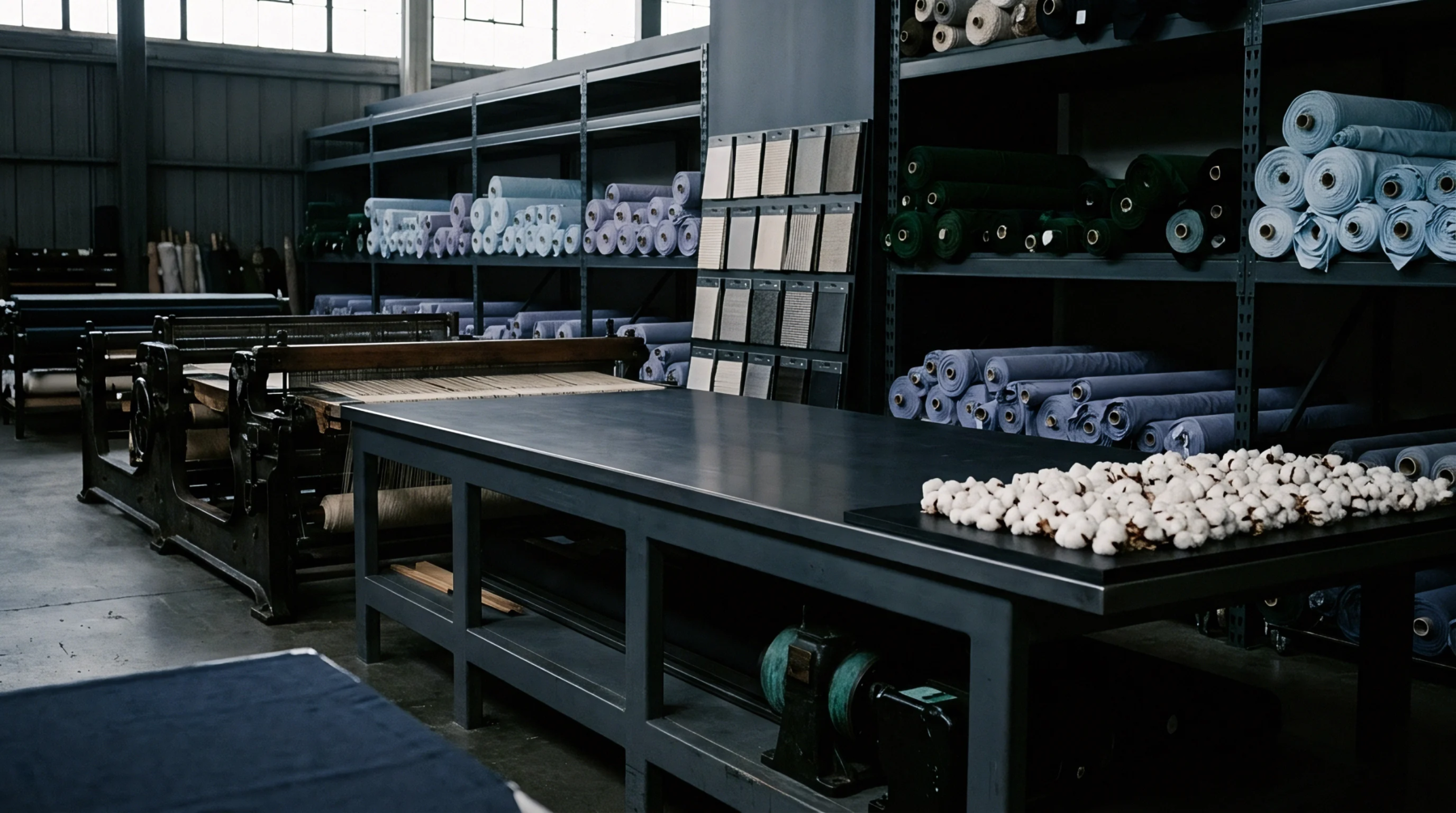
Preparation of heavy cotton twill requires 85-degree flame singeing, dual-dip enzymatic desizing, open-width alkaline scouring, and 28 Baumé mercerization.

Customs composition disputes resolve by aligning chemical solvent dissolution test methods, ISO 6741 dry mass regains, and contract retest clauses.

Verify binary cotton polyester ratios using 75.0% sulfuric acid at 50 °C with calibrated d-factor corrections and official regain conversion to secure customs tariff compliance.

Standardizing solvent extraction for recovered staple yarn matches solvent polarity to finish chemistries, isolating non-fibrous mass without core polymer damage.

Gravimetric oven drying determines accurate polymeric fibre regain by measuring dry mass after removing volatile moisture at specified temperatures.
Expertise is a utility, not a secret. sentiention™ publishes its working knowledge as open reference: intelligence layer covering the materials it sources, the markets it enters, and the reference that serves both.