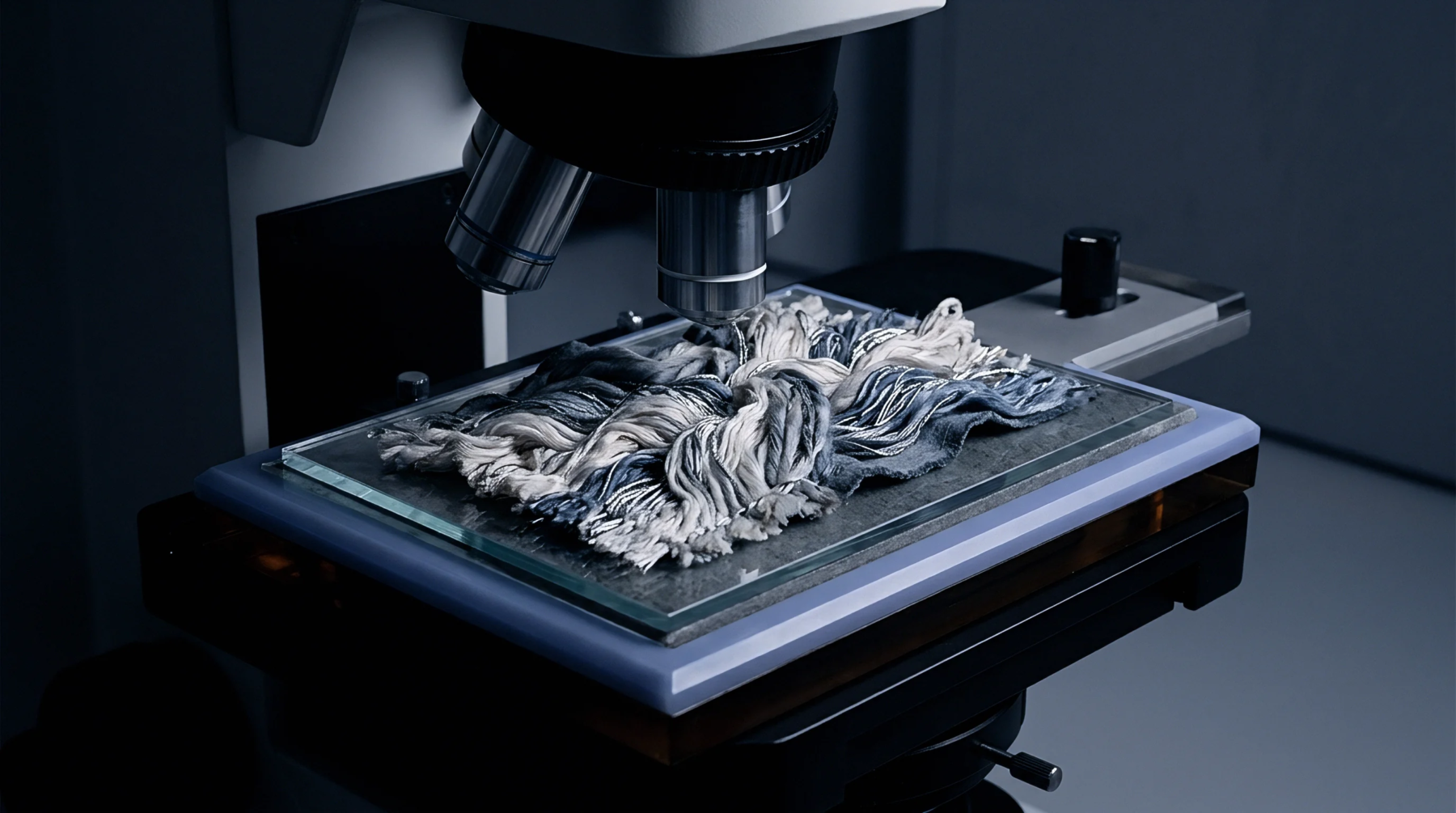
Analytical Methodology
Analytical laboratory techniques that separate, identify, and measure individual chemical compounds in a liquid mixture provide precise data on textile composition. Utilizing hplc quantification enables technicians to measure trace amounts of restricted chemicals, such as azo dyes, alkylphenols, and formaldehyde. This method utilizes high-pressure pumps to force a liquid solvent containing the sample through a column filled with a solid adsorbent.
It is the preferred method for verifying chemical compliance in premium garment manufacturing.
Separation Process
The extraction of the target substance from the finished fabric precedes the chromatography run. During hplc quantification, each compound interacts differently with the column material, causing them to exit at different times. These retention times are compared against known chemical standards to identify the substances present in the sample.
This separation allows for the isolation of specific pollutants even in highly complex chemical matrices.
Detection Precision
Detectors at the end of the column record the concentration of each compound as it exits the system. Through hplc quantification, laboratories generate highly accurate calibration curves that measure concentrations down to parts per billion. This level of resolution is necessary for brands that must comply with global environmental standards.
The resulting chromatogram acts as a definitive certificate of compliance.
Regulatory Function
Importers require these precise reports to clear shipments through international customs barriers. Relying on hplc quantification protects brands from the immense financial losses associated with selling contaminated goods.