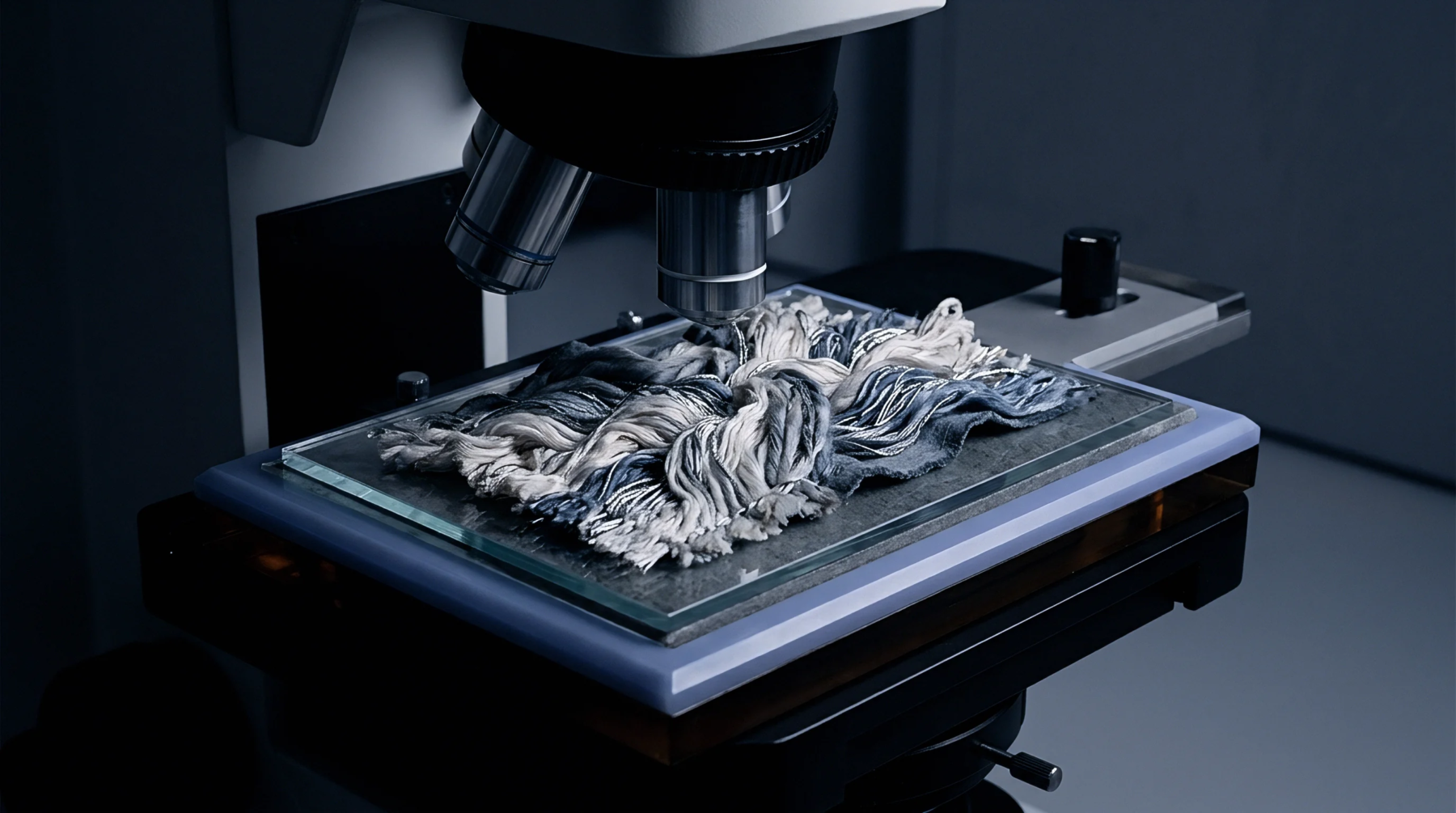
Chemical Degradation
The chemical breakdown of lubricating oils applied to synthetic fibres during the spinning process alters the surface properties of yarn and affects downstream manufacturing steps. If left in storage under improper conditions, spin finish degradation occurs through oxidation and thermal exposure, converting protective oils into sticky or acidic residues. This decomposition increases the friction of the yarn as it passes through processing machinery.
It can lead to premature filament breakage during knitting or weaving.
Yarn Friction
Mechanical performance in high-speed texturing and knitting machines depends on a consistent friction coefficient. When spin finish degradation takes place, the yarn’s tension fluctuates, causing yarn breaks and machinery downtime. Technicians measure the acidity or viscosity of extracted finishes to detect the progress of this breakdown.
This testing avoids the high cost of running damaged yarn through the production line.
Dyeing Interference
Dyeing and finishing plants face severe challenges when trying to process yarns affected by this chemical breakdown. The oxidized byproducts of spin finish degradation often become insoluble in standard scouring baths, leading to unlevel dye absorption and spotting. These residues can also react with disperse dyes, causing localized discoloration and poor wash fastness.
This failure mechanism is particularly common in polyester yarns stored for extended periods in humid warehouses.
Storage Protocol
To prevent these issues, spinners add antioxidants to their formulations and recommend a strict first-in, first-out inventory policy. Storage areas must be kept cool and dry to minimize the rate of lubricant breakdown.