Mass Measure
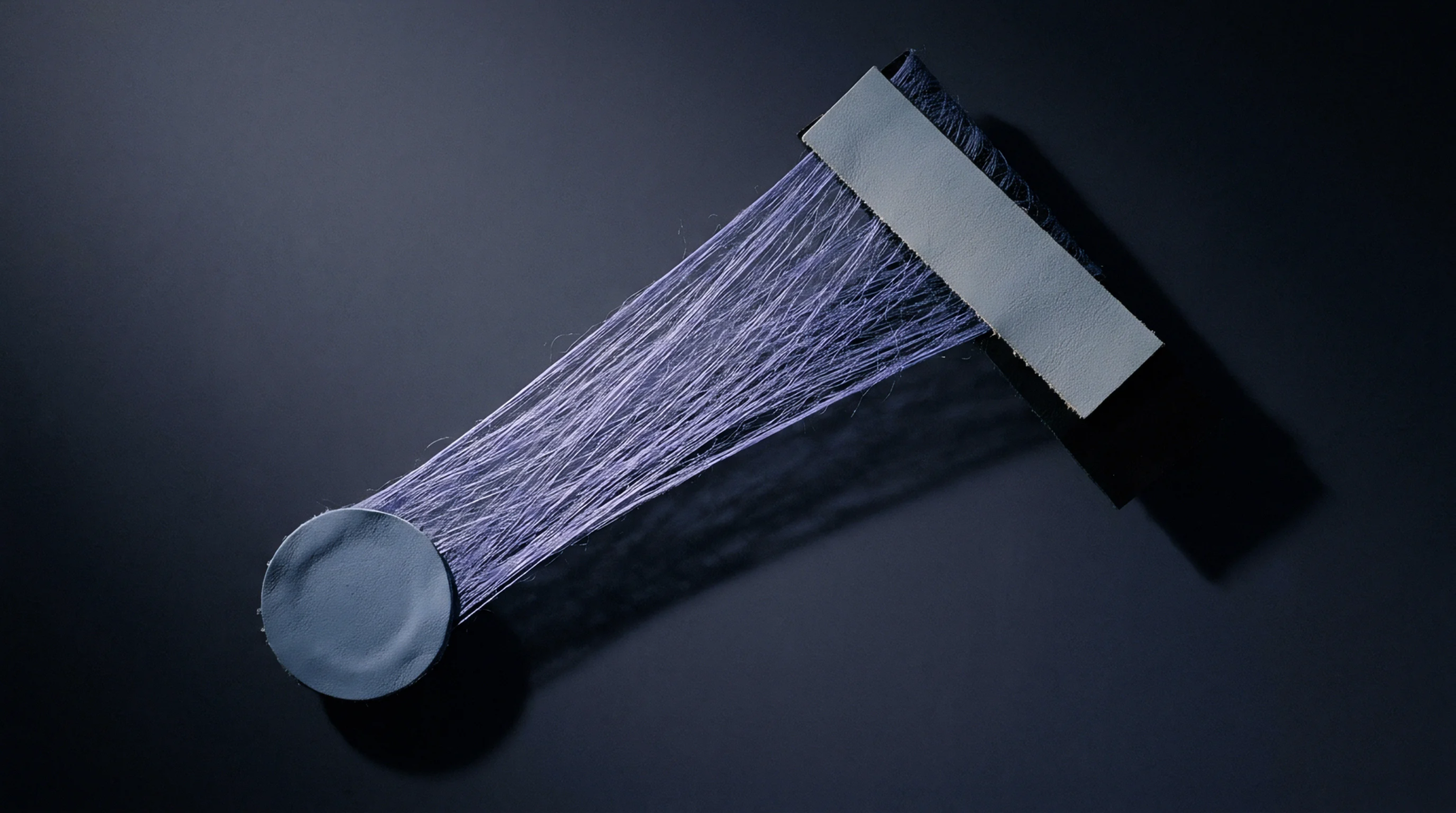
Mass per unit length expressions define the fineness or coarseness of continuous yarn filaments and spun yarns. Laboratory technicians determine yarn linear density to calculate fabric weight and set spinning machinery parameters. The measurement does not apply to non-continuous unspun fiber bales or wide nonwoven web sheets.
Direct System
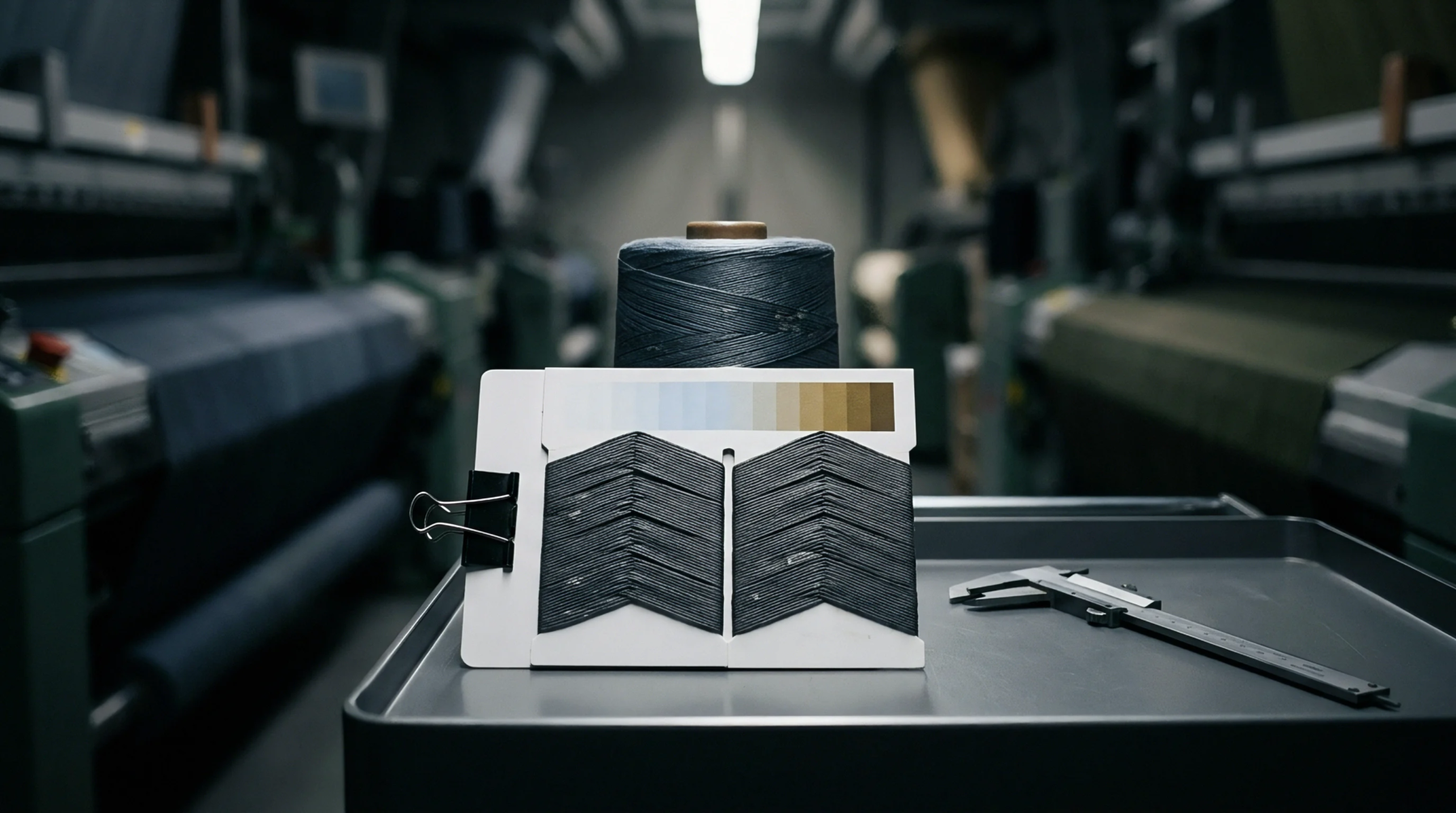
Direct numbering systems express linear density as mass per fixed length unit, where higher numbers indicate coarser yarns. Tex specifies mass in grams per one thousand meters of yarn, while Denier measures mass in grams per nine thousand meters. Textile testing labs measure yarn linear density by wrapping skeins on a wrap reel and weighing specimens under standard atmospheric conditions.
Direct count systems simplify calculations for synthetic filament yarns and microfibers.
Indirect System
Indirect numbering systems represent yarn count as length per fixed mass unit, where higher numbers indicate finer yarns. Cotton count and metric count express length yield per unit weight across natural spun yarns.
Production Verification
Yarn count accuracy determines final fabric weight, structural cover and tensile strength in woven and knitted goods. Spinning mills continuously verify linear density to maintain yarn quality standards and minimize count variation within spinning lots. Discrepancies in yarn linear density cause weight variation and barre defects in knitted structures.
Strict count auditing guarantees that yarn shipments meet contract specifications before weaving or knitting begins.