Raw Inspection
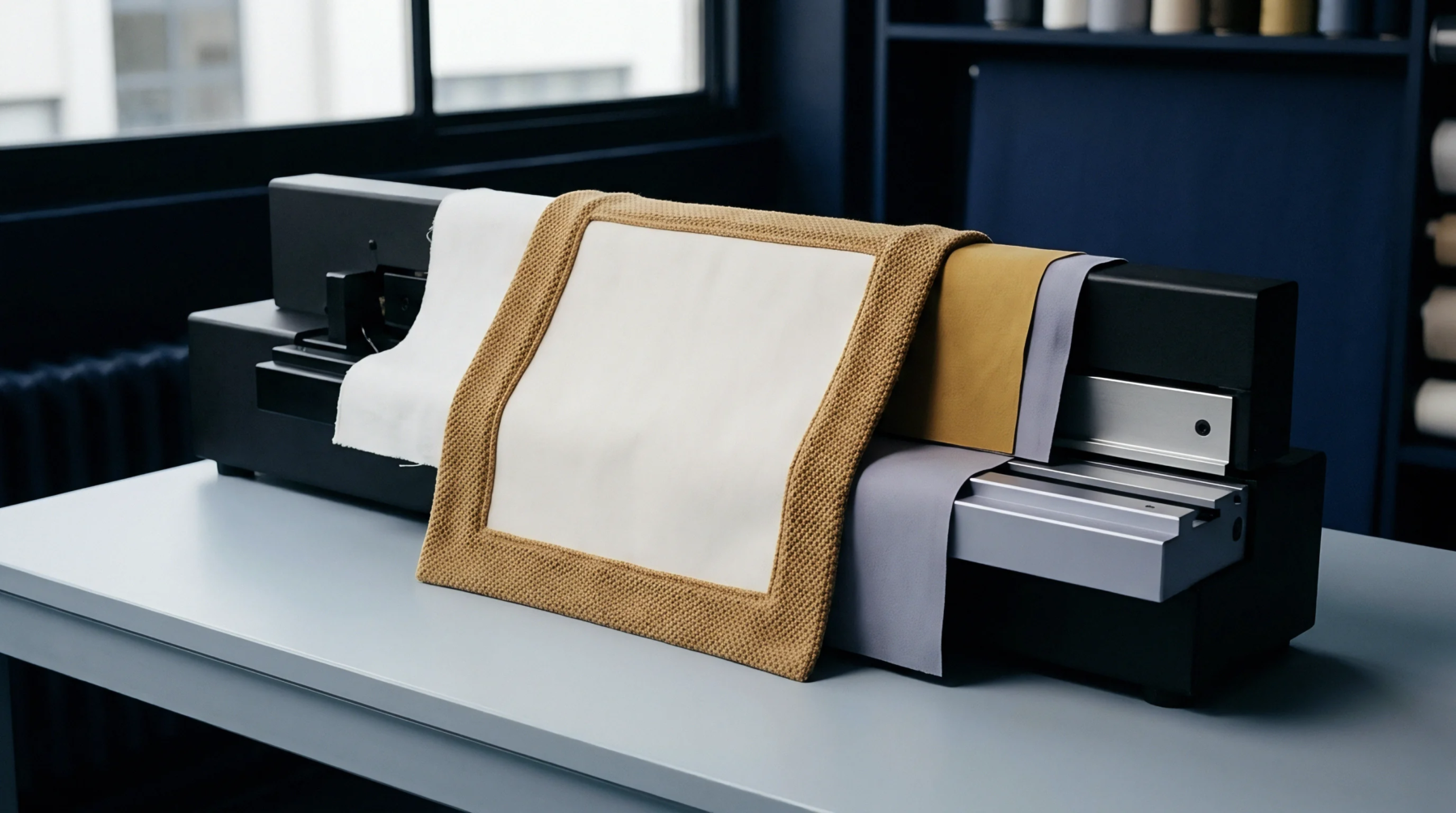
The evaluation of unfinished woven or knitted textiles before dyeing and finishing processes begins provides a critical quality gate in apparel supply chains. Quality managers perform greige fabric inspection to detect structural weave defects, yarn faults, and machine errors at the source. This assessment prevents the expenditure of additional time, chemicals, and energy on materials that are already defective.
The findings are recorded on a standardized inspection sheet to guide the subsequent finishing run or to halt production.
Defect Identification
Defect identification focuses on spotting loom-related anomalies like broken ends, mispicks, reed marks, and tension lines. These physical flaws are far easier to detect in the raw, unfinished state than after the fabric has been dyed or napped. Inspectors run the raw fabric rolls over a back-lit inspection frame, marking each defect with a small sticker or tag.
This step is essential because many loom faults are impossible to correct once the fabric has undergone wet processing or heat setting.
Early Remedy
Early remedy allows the weaving mill to adjust mechanical loom settings before a small defect becomes a widespread problem across thousands of yards. If the inspection reveals a repeated pattern of broken warp yarns, technicians can immediately stop the affected looms and fix the tension issues or replace damaged reeds. This rapid feedback loop minimizes yarn waste and keeps production on schedule.
It protects the mill from producing large volumes of unsellable second-quality goods.
Industrial Impact
Industrial impact is measured by the reduction in waste and the prevention of downstream delivery delays. By catching structural errors before dyeing, mills avoid the high cost of processing ruined fabrics. This early checkpoint is the primary defense against systemic manufacturing failures in the textile mill.