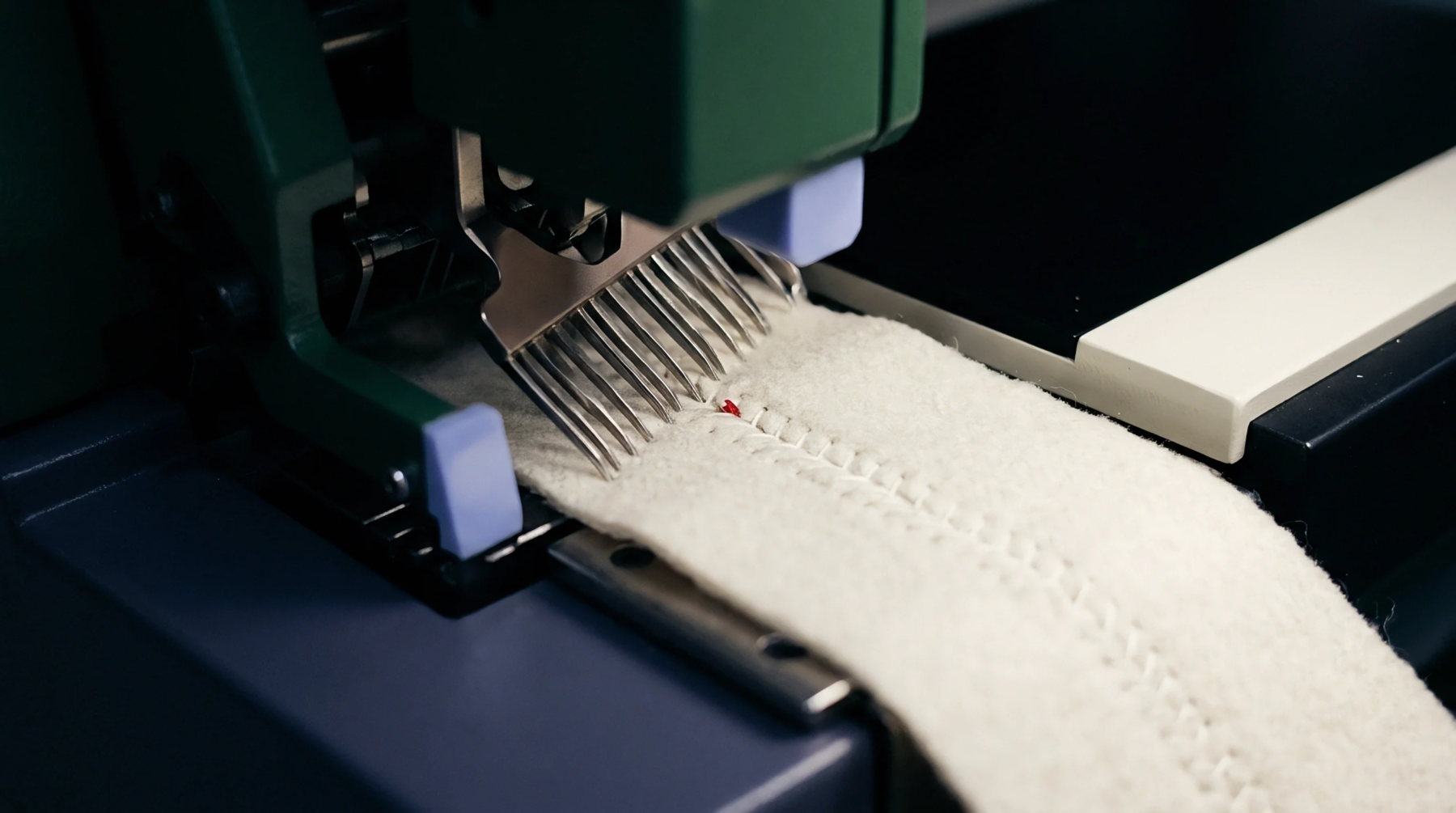
Analytical Breakdown
Manual separation of a textile sample into its individual components reveals the underlying construction and yarn properties. Performing a fabric swatch dissection allows a technician to determine the yarn count and twist direction of an unknown material. This process is essential for replicating a competitor’s fabric or verifying a supplier’s claim.
It requires steady hands and fine tweezers.
Deconstruction Method
Removing yarns from the warp and weft directions involves carefully unravelling the weave pattern. During fabric swatch dissection, the technician measures the length of the yarns before and after unravelling to calculate the crimp percentage. This data helps in estimating the actual yarn consumption for a production run.
It also reveals the density of the weave.
Material Analysis
Separation of different fiber types occurs when the yarns are untwisted and examined. A fabric swatch dissection might reveal that a seemingly pure cotton cloth actually contains a small percentage of polyester or elastane. Each component is weighed to find the mass distribution of the blend.
This provides a view than a simple surface scan.
Specification Check
Comparison of the dismantled parts against a technical data sheet confirms compliance with the order. Using fabric swatch dissection, a buyer can prove that a mill used a single ply yarn instead of the promised two ply. This evidence is used to negotiate price adjustments or reject a batch.
Detailed records of the dissection are kept for quality audits.