Chemical Separation
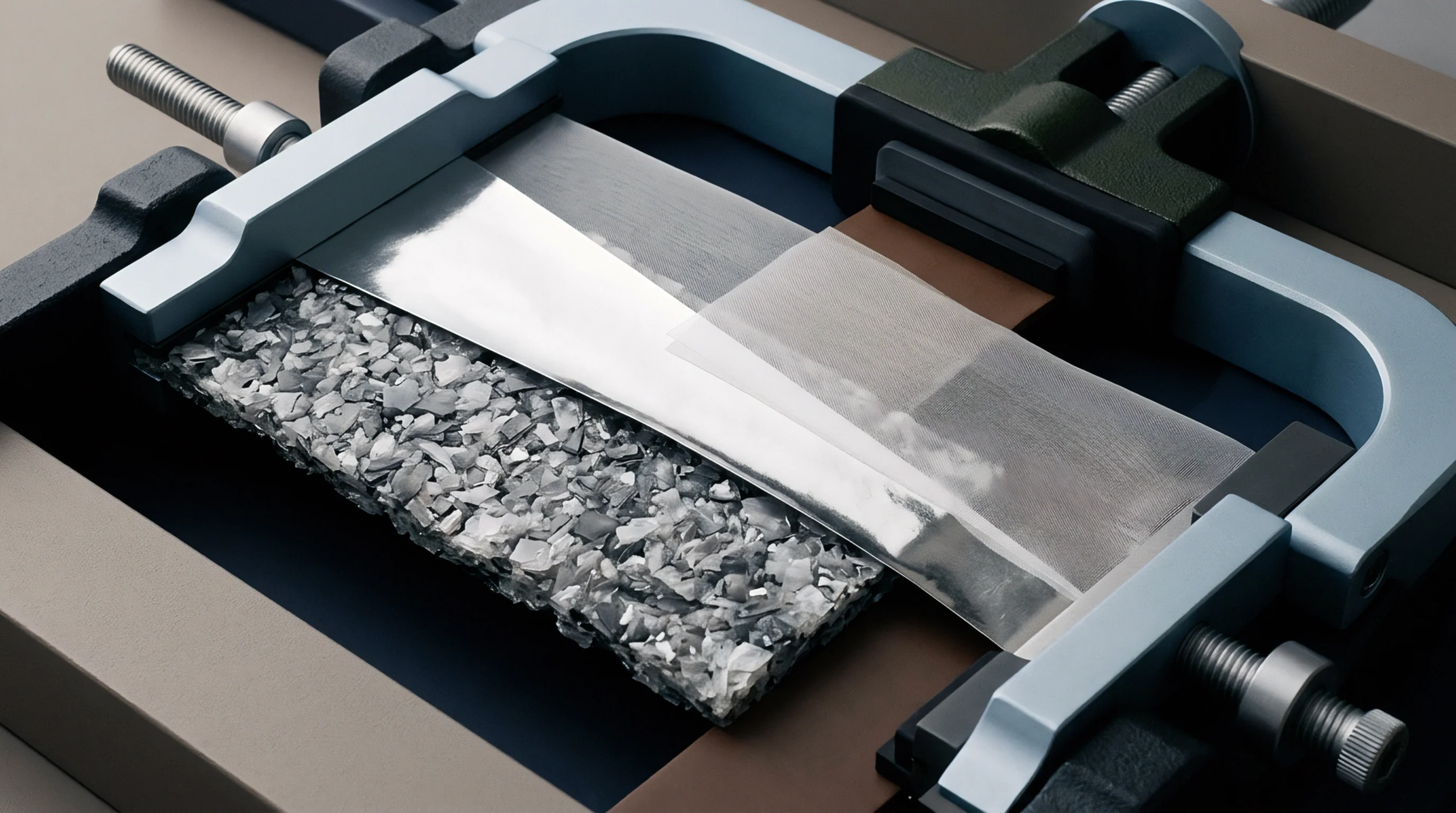
Binary mixtures of certain synthetic and cellulosic fibres are analysed using a specific acidic solution to dissolve one component while leaving the other as a solid residue. The formic acid zinc chloride reagent allows technicians to target the exact weight of viscose, modal or lyocell when they are blended with raw cotton. This laboratory process is standard for determining the composition percentages needed for garment labels and customs declarations.
By carefully controlling the concentration and temperature of the bath, the lab ensures that the secondary fibre is not damaged during the procedure. The resulting dry weight of the remaining cotton provides the basis for calculating the final blend ratios. This method is preferred when other generic reagents would be too aggressive for the cotton or too slow to fully digest the high performance rayons.
Processing Sequence
Successful application of the reagent begins with a finely ground sample that has been cleaned of all oils and water soluble lubricants. During the formic acid zinc chloride test, the technician maintains the solution at a fixed heat to facilitate the breakdown of the cellulose chains in the regenerated fibres. Continuous stirring ensures that the chemical moves into the center of the yarn structure to fully eliminate the targeted material.
After the prescribed time, the liquid is filtered through a sintered glass crucible to capture the recovered solid cotton. This solid is washed thoroughly with clean water and dilute ammonia to stop the acidic reaction before it begins to eat into the remaining mass. Finally, the material is dried to constant weight in a specialized oven to remove every trace of moisture.
Precision in this sequence is the only way to arrive at a value that satisfies international quantitative standards.
Correction Requirement
Calculation of the raw fibre weights must account for the minor mass changes that occur to the cotton during its immersion in the acidic bath. While formic acid zinc chloride is designed to be selective, the aggressive nature of the zinc chloride can slightly swell or strip microscopic layers from the cotton itself. To fix this bias, a correction factor is applied to the final result based on standard tables for these specific chemical interactions.
Without this step, the reported cotton percentage would appear lower than it truly is in the original fabric sample. Quality labs run blank samples on known cotton stocks to ensure their local correction values remain accurate over time. This rigorous adjustment process is what enables trade partners to trust the lab report as a true representation of the factory blend.
Boundary Condition
Technique effectiveness drops when the target fabric contains synthetic components like polyester or nylon which are resistant to this specific acidic mixture. The standard formic acid zinc chloride route is designed purely for mixtures of cotton and specific man made cellulosics. Using it on an acrylic blend or wool will lead to false readings or incomplete separation that makes the test useless for commercial purposes.
It also requires the lab to maintain high safety standards due to the corrosive and toxic nature of the zinc compounds and concentrated formic acid. Proper disposal of the heavy metal residues is essential to comply with modern environmental regulations. Despite these complexities, the precision offered for cellulosic separations keeps it a staple method in global textile forensic laboratories.