Polyvinyl Chloride Phthalate Migration and Solvent Clearance Mechanics
Polyvinyl chloride compliance demands precise thermal desorption parameters to remove residual solvents and lock phthalate plasticizers within polymer matrices.


Plasticizer
High-density polyvinyl chloride relies on low molecular weight additive blends to turn rigid resin into flexible elastomeric sheet. Without modification, vinyl resin has a glass transition temperature near 80 degrees Celsius, making unplasticized polymer brittle at room temperature. Adding ester molecules expands the free volume between polymer chains, dropping that glass transition threshold below minus 20 degrees Celsius.
The esters slip between polar vinyl chloride segments and neutralize the dipole-dipole attractions between chlorine atoms and the carbon backbone. As steric hindrance drops, chain mobility increases, yielding soft coated fabrics, synthetic leathers, and flexible films.
Monomeric ortho-phthalates have long been the primary additive class in flexible vinyl compounding. They are synthesized by reacting phthalic anhydride with specific alcohols to form esters like di-2-ethylhexyl phthalate, dibutyl phthalate, benzyl butyl phthalate, diisononyl phthalate, diisodecyl phthalate, and di-n-octyl phthalate. Physical entrainment holds these molecules inside the vinyl matrix ~ there are no covalent bonds anchoring them to the polymer backbone.
Because they are unbound, these additives tend to migrate when exposed to heat, pressure, or solvents, diffusing toward the surface along thermodynamic concentration gradients.

Polymer Network Attenuation Dynamics
Free volume expands when monomeric esters intercalate between adjacent macromolecular chains, allowing segments to slip past one another under small shear forces and giving plasticized films their flexibility and drape. How effectively an additive depresses glass transition depends on side-chain length and branching. Linear alcohol chains penetrate vinyl networks cleanly to maximize volume expansion per mole.
Highly branched structures introduce steric bulk, pushing adjacent polymer chains farther apart. Shifting temperatures alter this equilibrium; higher heat speeds up segment movement, opening wider interstitial channels for unattached esters to move through.
If plasticizer concentrations exceed the thermodynamic solubility limit of the vinyl resin, phase separation destabilizes the matrix. Heavy compounding ratios produce localized ester domains that pool together during thermal processing. Pressure or heat then drives this liquid ester out of the polymer core to the surface ~ a process known as exudation.
The resulting surface bloom leaves an oily film that spoils the hand, weakens adhesive bonds, and off-gasses volatile organic compounds. The maximum stable loading limit before phase separation begins depends on how compatible a given ester is with the vinyl backbone.
At compounding temperatures above 160 degrees Celsius, di-2-ethylhexyl phthalate exhibits an exudation coefficient three times higher than high molecular weight linear alkanes.
Polymeric plasticizers provide an alternative for more demanding applications. Synthesized from adipic, sebacic, or phthalic acids polyesterified with glycol derivatives, these long-chain additives carry molecular weights between 800 and 8000 grams per mole. That high molecular weight sharply limits diffusion through the vinyl lattice.
The polymeric molecules become trapped within macromolecular tangles, resisting extraction by organic solvents and lipophilic liquids. However, their high melt viscosity makes processing harder on compounding mills, forcing higher extrusion temperatures that raise the risk of thermal degradation.
Ortho-Phthalate Esters versus Terephthalate Alternates
Chemical structure determines the energy barrier to migration within flexible film formulations. Ortho-phthalate esters carry adjacent carboxylate groups at positions one and two on the aromatic ring. This cis-like alignment creates a permanent dipole moment that interacts readily with polar vinyl chloride units.
Terephthalates, by contrast, place carboxylate groups at positions one and four, forming a symmetrical para-substituted structure. Di-2-ethylhexyl terephthalate has a non-polar symmetry that weakens dipole interactions and alters packing in the polymer matrix. While reduced affinity for the vinyl backbone increases diffusion coefficients at lower temperatures, the non-ortho symmetry changes how the compound breaks down during biological exposure.
Cyclohexane dicarboxylic acid esters are another non-phthalate option designed for high-compliance uses. Diisononyl cyclohexane-1,2-dicarboxylate replaces the aromatic ring with a saturated ring, removing conjugated pi-electron systems to lower intermolecular attraction and shift solubility parameters. Acetyl tributyl citrate relies on aliphatic ester structures derived from citric acid, offering rapid biodegradation and broad biological safety margins.
However, citrate esters tend to volatilize during high-temperature baking, so fabric coating lines require tight oven atmosphere controls to prevent mass loss.
Epoxidized soybean oil serves as both a secondary plasticizer and a thermal stabilizer in vinyl formulations. Oxirane rings on its fatty acid chains scavenge free hydrogen chloride radicals released as the polymer degrades under heat. Mopping up hydrogen chloride halts auto-catalytic chain scission, protecting film integrity during high-temperature calendering.
Higher epoxidized soybean oil loadings do expand matrix free volume, which can speed up primary phthalate migration. Formulators must balance epoxy content against primary ester levels to maintain thermal stability without exceeding regulatory migration limits.
Minor surface oiling falls within normal processing variances and dissipates after ambient storage.

Desorption
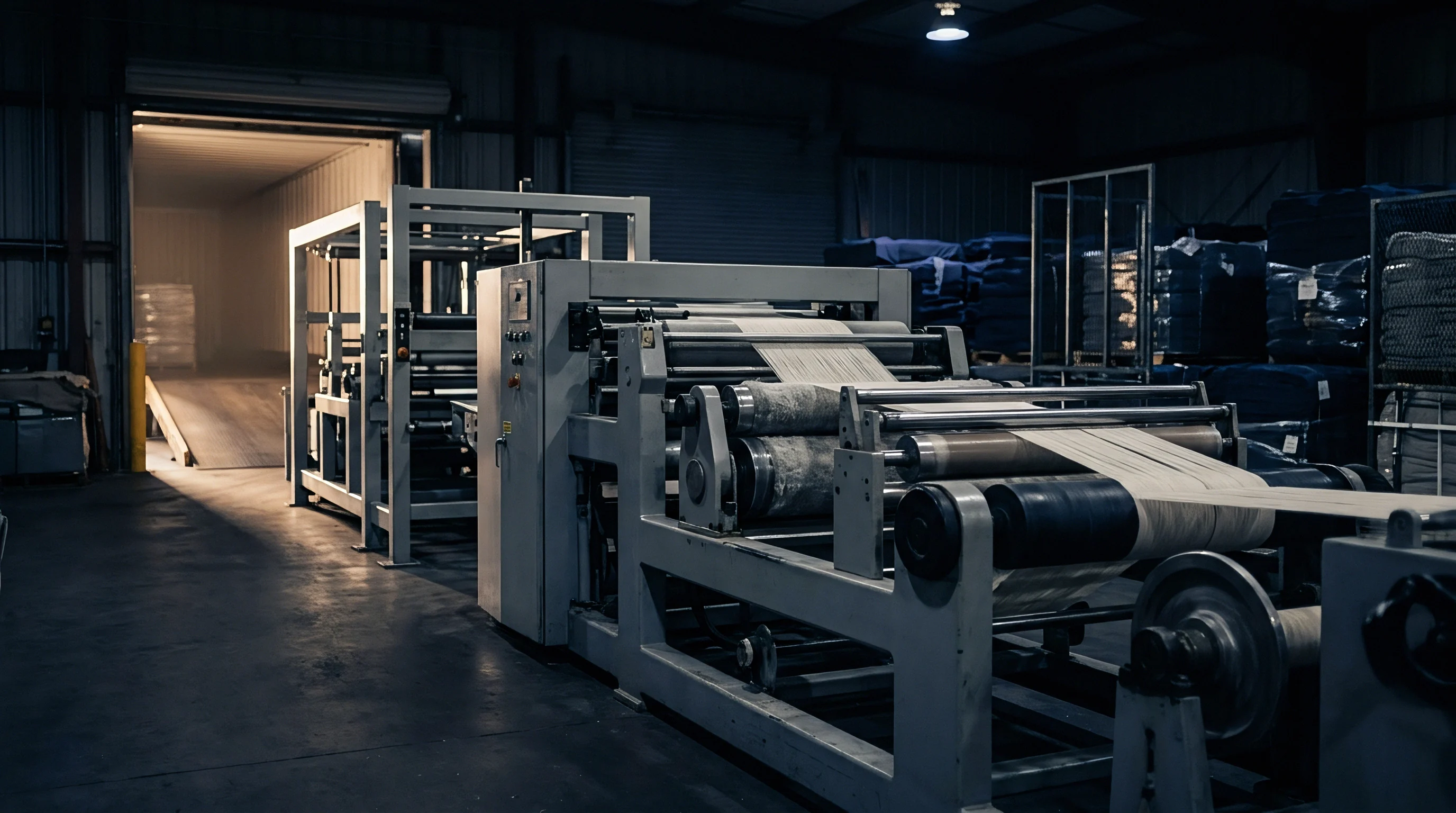
Removing residual solvent from cast polymer films follows a non-linear evaporation profile governed by ambient vapor pressure and thermal boundary layer resistance. Industrial fabric coating uses carrier solvents to dissolve vinyl resins and plasticizers into liquid plastisols or organosols for knife-over-roll application. Tetrahydrofuran, N,N-dimethylformamide, cyclohexanone, methyl ethyl ketone, and toluene are the primary media.
Drying lines must strip these volatiles down to trace parts-per-million levels before fabric winding; any remaining solvent stays trapped in the plasticized matrix, causing ongoing VOC emissions and altering plasticizer migration.
Drying kinetics follow two distinct evaporation stages during continuous stenter processing. The constant-rate period lasts as long as liquid solvent covers the wet film surface, where evaporation speed depends entirely on oven temperature, air velocity, and ambient solvent partial pressure. Here, mass transfer moves quickly as latent heat of vaporization balances convective heat input.
The falling-rate period starts once surface liquid disappears, forcing trapped solvent to diffuse through the solidifying matrix toward the surface. At this stage, internal diffusion resistance ~ not surface evaporation ~ becomes the bottleneck.

Clearance Thermal Bake Regimes
Oven temperature profiles dictate how fast volatile compounds evaporate in drying stenters. Entry zones are kept at 80 degrees Celsius to avoid surface skinning, stepping up to 160 degrees Celsius in final clearance zones. Heating too quickly early on causes immediate surface cross-linking and film consolidation.
That skinning forms a dense outer boundary that drastically slows solvent transport from deeper layers, trapping solvent in the core and requiring longer bake cycles at high heat to drive it out.
Clearing solvents requires careful oven calibration. Residual tetrahydrofuran concentrations increase by 42 percent when oven residence time drops below ninety seconds. Residual solvent molecules act as strong co-plasticizers within the film.
Trapped dimethylformamide further depresses the matrix glass transition temperature, swelling internal channels and lowering the activation energy needed for phthalate esters to move. Left uncleared, these solvents accelerate plasticizer migration toward the fabric surface during storage.
Solvent Trapping in Plasticized Polymers
Concentrated solvent residues alter matrix morphology, creating localized low-viscosity pockets in the coating. Strong affinity between carrier solvents and phthalate plasticizers opens up preferential liquid-phase pathways. Dimethylformamide readily dissolves both vinyl chloride polymers and monomeric phthalates, forming stable hydrogen-bonded complexes that resist thermal desorption.
Cyclohexanone has a high boiling point of 155 degrees Celsius, requiring significant heat for complete removal ~ yet pushing bake temperatures too high risks degrading heat-sensitive vinyl resins and triggering plasticizer exudation.
| Solvent Name | CAS Registry Number | Boiling Point (°C) | Vapor Pressure at 25°C (kPa) | Maximum Retentive Target (mg/kg) |
|---|---|---|---|---|
| Tetrahydrofuran | 109-99-9 | 66.0 | 19.30 | 10.0 |
| Methyl Ethyl Ketone | 78-93-3 | 79.6 | 12.10 | 50.0 |
| Toluene | 108-88-3 | 110.6 | 3.80 | 10.0 |
| Cyclohexanone | 108-94-1 | 155.6 | 0.50 | 20.0 |
| N,N-Dimethylformamide | 68-12-2 | 153.0 | 0.49 | 5.0 |
| Industry Standard Limits | Composite Profile | 66.0 – 155.6 | 0.49 – 19.30 | Total VOCs < 100.0 |
Solvent clearance relies on maintaining a high concentration gradient between the matrix core and the oven air stream. Laminar airflow over the web allows solvent vapor to pool in the gas boundary layer, weakening the driving force behind mass transfer. High-velocity turbulent air jets break up this boundary layer and sweep vaporized solvent away from the surface.
Exhaust rates must keep solvent concentrations inside the enclosure low; recirculating solvent-heavy air to save energy slows drying and drives residual solvent back into the molten polymer sheet.
- Skinning Boundary Encapsulation rapid surface drying seals the outer polymer layer, trapping volatile organic compounds within interior film zones.
- Solvent-Plasticizer Complexation polar carriers establish intermolecular hydrogen bonds with phthalate carboxyls, increasing the energy barrier for thermal desorption.
- Boundary Layer Saturation insufficient exhaust airflow allows solvent vapor accumulation above the drying web, suppressing internal diffusion driving forces.
- Plasticizer Exudation Flash excessive bake temperatures induce phase separation of plasticizers before carrier solvents fully evaporate from the coating core.
Film thickness increases diffusion resistance exponentially: doubling coating weight quadruples the time needed to clear residual dimethylformamide down to five parts per million. To prevent trapping, multilayer lines apply thin, sequential passes and dry each layer independently. Line speed, oven temperature zone mapping, and exhaust balance ultimately determine residual solvent levels on high-speed coating lines.
Higher oven temperatures fail to clear trapped solvent once surface polymer skinning establishes an impermeable diffusion boundary.

Leach
Migration into contact media depends on the chemical potential gradient between the polymer matrix and the liquid phase outside. Plasticizer molecules dissolved in vinyl films move down concentration gradients toward the surface, where contact media dissolve or absorb them and sustain a steep gradient. The total volume leached depends on surface area, temperature, exposure time, substrate permeability, and solubility in the target fluid.
Skin contact, artificial sweat, lipids, and saliva all serve as extraction fluids during product use.
Fickian diffusion modeling describes how mass moves through homogeneous polymer films. Diffusion coefficients mark the speed at which ester molecules travel through lattice spaces under ambient conditions. Monomeric esters such as dibutyl phthalate have higher diffusion coefficients than high molecular weight diisodecyl phthalate because their steric diameters are smaller.
That higher rate increases cumulative release into contacting liquids. Rising temperatures expand lattice spacing and raise ester kinetic energy, multiplying diffusion flux across the boundary.

What Triggers Plasticizer Exudation under Thermal Stress?
Thermal agitation increases macromolecular mobility while expanding the liquid phase within flexible resin compounds. Because matrix thermal expansion outpaces that of the plasticizer, physical entrapment degrades. Above 40 degrees Celsius, enhanced segment motion in the polymer backbone creates transient free-volume voids.
Unbound ortho-phthalates migrate into these temporary gaps, building continuous transport channels to the outer surface. Differences in surface tension then draw liquid esters out of internal voids to minimize surface free energy, producing visible liquid pooling on the fabric exterior.
Mechanical compression accelerates ester movement toward contact surfaces by squeezing polymer chains together and reducing free volume, which forces liquid plasticizer out of internal voids. Coated fabrics stored in tight rolls face continuous static pressure that drives ester migration into adjacent textile backings. In automotive interiors, synthetic leather upholstery experiences simultaneous heat and pressure, triggering severe exudation that volatilizes and fogs glass windshields.
Lipophilic Partition Coefficients and Migration Kinetics
Solubilization speeds up dramatically when synthetic leather touches fatty acid ester simulants. Lipophilic contact media penetrate outer vinyl surfaces, swelling the polymer matrix and lowering resistance to mass transfer. The partition coefficient describes the equilibrium concentration ratio of plasticizer in the fluid versus the matrix ~ higher values favor rapid extraction into external lipid phases.
Oils, fats, and organic solvents have a strong affinity for ortho-phthalates, stripping plasticizer from flexible vinyl items in short exposure windows.
| Contact Medium Type | Simulant Composition | Test Temp (°C) | Exposure Time (h) | Mean Migration Flux (µg/cm²/h) |
|---|---|---|---|---|
| Aqueous Saliva | Phosphate Buffered Saline (pH 6.8) | 37 | 24 | 0.12 |
| Acidic Sweat | L-Histidine Monohydrochloride (pH 5.5) | 37 | 48 | 0.45 |
| Alkaline Sweat | Disodium Hydrogen Phosphate (pH 8.0) | 37 | 48 | 0.38 |
| Cutaneous Lipid Simulant | Isooctane / Synthetic Triglycerides | 40 | 24 | 14.80 |
| Food Contact Simulant | Ethanol 50% Volume Fraction | 40 | 10 | 8.90 |
Traditional ortho-phthalates have low water solubility, keeping leaching minimal in neutral water. Hydrophobic interactions keep long-chain alkyl esters within non-polar matrices when exposed to pure water streams. However, detergent solutions break this barrier by forming micelles that encapsulate hydrophobic ester molecules.
Washing continuously strips plasticizer from the surface, prompting internal diffusion to replenish it and gradually making the fabric stiff and brittle over repeated wash cycles.

Standardized Diffusion Testing in Synthetic Fluids
Standard immersion methods measure total mass transport into artificial sweat over fixed exposure periods. Test samples are submerged in regulated sweat solutions prepared to ISO 105-E04 standards inside sealed glass vessels and held at 37 degrees Celsius to simulate body contact. Aliquots drawn at set intervals track cumulative mass release, while gas chromatography-mass spectrometry quantifies extracted esters down to sub-ppm levels, capturing non-linear leaching dynamics over extended testing.
EN ISO 14389 mandates standardized solvent extraction procedures that strip unbound low molecular weight phthalates from coated substrates before chromatographic separation.
Static immersion testing underestimates migration occurring under dynamic friction, where rubbing continuously removes surface ester films and maintains maximum concentration gradients. Accelerated protocols combine cyclic mechanical compression with liquid contact to mimic real-world wear. Dynamic extraction yields plasticizer loss up to five times higher than static immersion, providing realistic performance bounds for protective clothing and heavy-duty upholstery.
Boundaries determine migration flux, phase separation triggers surface blooming, and mass transfer drives migration ~ with heat accelerating phase separation throughout.
How ambient humidity fluctuations alter long-term migration kinetics in semi-rigid vinyl films remains an open question for laboratory evaluation.

Chamber
Verifying chemical compliance quantitatively relies on standardized solvent extraction paired with gas chromatography-mass spectrometry. Testing laboratories analyze coated fabrics to verify that ortho-phthalate levels remain below legal limits. Standard methods ~ including ISO 14389, EN 15777, and CPSC-CH-C1001-09.4 ~ require total extraction of plasticizer additives from the polymer matrix, typically using ultrasonic agitation or Soxhlet extraction.
Preparation steps isolate the plasticizers without interference from pigments, thermal stabilizers, or backing fibers.
Dissolving the polymer completely yields higher analytical precision than surface extraction. The solvent choice dictates how thoroughly the resin dissolves and the matrix breaks down. Tetrahydrofuran dissolves vinyl resins entirely, releasing all entrained plasticizer into solution.
Dissolving vinyl films in tetrahydrofuran and then precipitating the polymer with cold methanol leaves ester molecules cleanly isolated in the supernatant. By contrast, surface extractions using hexane or diethyl ether miss internal plasticizer stores, producing false compliance readings on heavy-gauge fabrics.

Analytical Solvent Extraction and Polymer Precipitation
Fully dissolving the vinyl matrix in tetrahydrofuran releases trapped ester plasticizers for measurement. Preparation requires cutting swatches into tiny fragments under two millimeters square, which increases surface contact with the extraction solvent and speeds up resin dissolution. Standard 1.000-gram samples are weighed into glass extraction flasks before adding solvent.
Ultrasonic treatment at 40 degrees Celsius for 60 minutes breaks down the polymer completely without degrading heat-sensitive target esters.
- Cut representative coated fabric swatches into uniform pieces measuring smaller than two millimeters to maximize solvent contact surface area.
- Weigh precisely 1.000 gram of specimen material into a clean glass flask using an analytical balance accurate to 0.1 milligrams.
- Add 20.0 milliliters of analytical grade tetrahydrofuran to dissolve the vinyl polymer matrix completely under continuous mechanical agitation.
- Pipette 40.0 milliliters of cold analytical grade methanol into the dissolved solution to precipitate vinyl resin backbones cleanly out of solution.
- Filter the precipitated mixture through a 0.45-micrometer polytetrafluoroethylene membrane filter into a dedicated glass autosampler vial for injection.
Precipitation removes high molecular weight vinyl polymers that would otherwise dirty chromatographic injection ports and analytical columns. Adding cold methanol drops polymer solubility to zero, aggregating resin chains into dense white flakes while target phthalates remain dissolved in the liquid phase. Centrifugation or membrane filtration yields clear samples for injection.
Thermal desorption gas chromatography provides a solventless alternative, heating solid micro-samples inside analytical chambers to volatilize plasticizers straight into the carrier gas stream.

Gas Chromatography Mass Spectrometry Calibration
Selective ion monitoring isolates target mass fragments from co-eluting background hydrocarbon signals. Gas chromatographs use capillary columns coated with 5 percent diphenyl and 95 percent dimethylpolysiloxane stationary phases to separate phthalate isomers by boiling point and polarity. Helium carrier gas sweeps vaporized samples through programmed oven runs rising from 50 to 300 degrees Celsius, and mass spectrometers operating in electron ionization mode fragment eluted molecules, recording characteristic mass-to-charge ratios for each restricted ester.
Complete polymer dissolution followed by cold methanol precipitation isolates phthalate esters more reliably than ultrasonic surface extraction.
Separating structural isomers chromatographically creates analytical challenges during quantification. Diisononyl phthalate and diisodecyl phthalate exist as complex mixtures of branched isomers that elute over wide retention windows rather than sharp, discrete peaks. Software must integrate these broad cluster peaks to calculate total isomeric response against multi-point calibration curves.
Adding internal standards, like deuterated di-2-ethylhexyl phthalate-d4, corrects for volume shifts, extraction losses, and instrument drift across extended testing runs.
Extraction conditions dictate analytical yields, and results vary significantly whenever laboratories deviate from standardized dissolution ratios or temperature profiles. Matrix effects from textile backings also introduce interfering signals during mass spectrometry scans ~ cotton and polyester introduce background lipids, waxes, and spinning oils into tetrahydrofuran solutions. Labs run matrix blanks and spiked recovery tests to validate quantitative accuracy across these composite materials.
ISO 14389 Section 7.2 specifies mandatory internal standard additions to correct for matrix recovery losses during polymer precipitation steps.

Recourse
Financial risk in cross-border textile supply chains centers on post-entry rejection over non-compliant chemical residues. Regulatory bodies worldwide limit ortho-phthalates in consumer goods, focusing particularly on items for children, childcare articles, and textiles meant for direct skin contact. Market surveillance authorities perform random retail sampling and port testing, enforcing sales bans, public recalls, and customs seizures when non-compliant items turn up.
Importers bear primary legal liability for violations, attempting to pass that exposure back to overseas mills through purchase order indemnity provisions.
Under EU REACH Regulation Annex XVII Entries 51 and 52, di-2-ethylhexyl phthalate, dibutyl phthalate, benzyl butyl phthalate, diisononyl phthalate, diisodecyl phthalate, and di-n-octyl phthalate are capped at a combined 0.1 percent by weight (1000 mg/kg) in plasticized materials. REACH Entry 72 sets a maximum individual threshold of 1000 mg/kg for specific phthalates in apparel and textiles entering Europe. In the US, Consumer Product Safety Improvement Act regulations align with these 1000 mg/kg limits across eight specified phthalates in children’s toys and childcare items.
Regulatory Threshold Limits and Market Surveillance
Enforcement agencies inspect imported vinyl goods against strict concentration ceilings for each restricted compound class. California’s Proposition 65 sets exposure safety thresholds, requiring explicit warning labels on products containing di-2-ethylhexyl phthalate unless estimated daily exposure falls below Maximum Allowable Dose Levels. Private litigation firms use Proposition 65 to target retailers selling unlabeled vinyl accessories, synthetic leather apparel, and plasticized footwear; out-of-court settlements, legal fees, and mandatory relabeling costs frequently exceed the original value of the goods.
| Regulatory Framework | Jurisdiction Scope | Restricted Compounds Included | Maximum Mass Concentration | Enforcement Mechanism |
|---|---|---|---|---|
| REACH Annex XVII Entry 51/52 | European Union | DEHP, DBP, BBP, DINP, DIDP, DNOP | 0.1% aggregate (1000 mg/kg) | Customs Seizure / RAPEX Recall |
| REACH Annex XVII Entry 72 | European Union | DEHP, DBP, BBP, DIBP in Textiles | 0.1% individual (1000 mg/kg) | Sales Ban / Statutory Fines |
| CPSIA Section 108 (16 CFR 1307) | United States | DEHP, DBP, BBP, DINP, DIBP, DPENP, DHEXP, DCHP | 0.1% individual (1000 mg/kg) | CPSC Detention / Injunction |
| California Proposition 65 | California, USA | DEHP, DBP, BBP, DIDP, DIBP | MADL-based warning thresholds | Private Civil Enforcement Litigation |
| OEKO-TEX Standard 100 Class I | Global Certification | All Ortho-Phthalates in Annex 6 | 0.05% aggregate (500 mg/kg) | Certificate Revocation |
OEKO-TEX Standard 100 Class I certification sets a stricter standard, capping total regulated phthalates at 500 mg/kg for infant textiles. Getting certified requires testing every component of the fabric ~ vinyl coatings, foam interlinings, printing inks, and plastic trims. The certificate’s scope must explicitly cover the finished coated construction and specific colorways; a certificate issued for a white base fabric offers no compliance protection for dark pigmented vinyl coatings made with unverified plasticizer Masterbatches.

Contractual Allocation of Retest Liabilities
Commercial purchase orders set binding financial consequences when batches fail chemical audits. Standard buying terms require suppliers to provide lot-specific test reports from ISO/IEC 17025 accredited laboratories before ex-factory shipment. Importers insert strict indemnity clauses holding mills liable for retesting fees, port demurrage, freight expenses, legal penalties, and retailer chargebacks triggered by compliance failures.
Testing swatches cut from sample rolls guarantees nothing about chemical concentrations in final production lots.
Retesting protocols depend on clear sample preservation rules. If a border audit detects 1200 mg/kg of di-2-ethylhexyl phthalate in a held container, mills often dispute the lab’s extraction efficiency. Resolving the dispute requires sending retained reference swatches to an independent referee lab for testing under identical protocols.
Contracts must explicitly state which laboratory standard governs final batch disposition and who pays for arbitration retesting.
- Lot-Specific Extraction Evidence require accredited laboratory test reports matching specific production batch numbers rather than generic material approval certificates.
- Explicit Chemical Limits define maximum allowable concentration thresholds for individual and aggregate ortho-phthalates directly inside purchase specifications.
- Indemnity Recourse Clauses insert binding contractual terms shifting total commercial exposure, detention charges, and legal fines onto non-compliant dyehouses and coaters.
- Retained Swatch Archiving store physical reference swatches from every production lot under controlled ambient conditions for two years to support arbitration retesting.
Failing to secure lot-specific extraction reports leaves importers exposed to total inventory destruction orders and statutory civil fines.

Sanction
Customs detentions trigger immediate verification sequences, requiring complete documentation chains before goods can be released. Enforcement agencies use automated screening systems to flag high-risk textile shipments arriving from overseas. Officers hold targeted containers at port terminals while taking random swatches for accredited chemical testing, leaving importers short deadlines to submit technical dossiers before formal detention or destruction orders are issued.
Chemical extraction audits revealed non-compliant phthalate levels in two production batches after a subcontractor substituted unapproved compounding plasticizers.
Customs Detention Mechanics and Sampling Protocols
Inspectors cut representative swatches directly from held containers to verify restricted substance declarations, taking swatches from rolls at the front, middle, and rear of the load. These swatches are combined into a composite sample for GC-MS testing at a government-accredited lab. Because the sample is composite, a single non-compliant roll taints the entire shipment, triggering detention for the whole container regardless of individual roll compliance ratios.
Releasing a held container requires an unbroken verification chain linking physical goods to accredited test reports. Scope certificates show that a facility has certified production control systems, but they do not prove a specific shipped batch meets chemical limits. Transaction certificates and lot-specific test reports establish direct traceability between tested swatches and invoice roll numbers.
Any gap in that paper trail gives customs grounds to deny entry, sending goods into bonded storage or forcing an export return.
Dossier Construction for Audit Immunity
Complete analytical records prove that production lots meet applicable chemical standards before customs clearance. A thorough compliance dossier includes technical data sheets, raw material bills of materials, supplier safety records, accredited extraction reports, and signed declarations of conformity. It must cover every component ~ surface vinyl coatings, plasticized print pastes, secondary polyurethane membranes, and backing fabric finishes.
Keeping pre-assembled dossiers on hand allows immediate submission during customs inquiries, speeding up container release.
Chemical compliance verification depends on maintaining batch traceability controls from raw resin compounding through finished fabric export. Sourcing practices protect commercial capital by integrating accredited laboratory testing into routine quality control instead of trusting unverified vendor declarations. Rigorous solvent clearance, validated plasticizer selections, and complete documentation ensure plasticized PVC fabrics clear international borders while meeting strict consumer safety mandates.