Polymer Identity
Synthetic polyester formed through the condensation polymerization of ethylene glycol and terephthalic acid provides the foundational raw material for modern extrusion lines. Polyethylene terephthalate delivers exceptional tensile strength and dimensional stability across wide temperature ranges during continuous filament spinning operations. Extruded chips undergo thermal crystallization before feeding into high pressure spin packs designed for industrial denier production.
Molten streams emerge from spinneret capillaries and solidify rapidly under controlled quench air distribution. Subsequent drawing stages orient the internal molecular chains along the fibre axis to maximize tenacity and elastic recovery. Spin finish application occurs immediately after quenching to reduce friction during high speed winding onto creels.
Filament yarn properties depend heavily on intrinsic viscosity measurements taken prior to extrusion runs. Lower viscosity grades melt readily for thin monofilament extrusion while higher ranges suit heavy industrial reinforcements.
Extrusion Mechanics
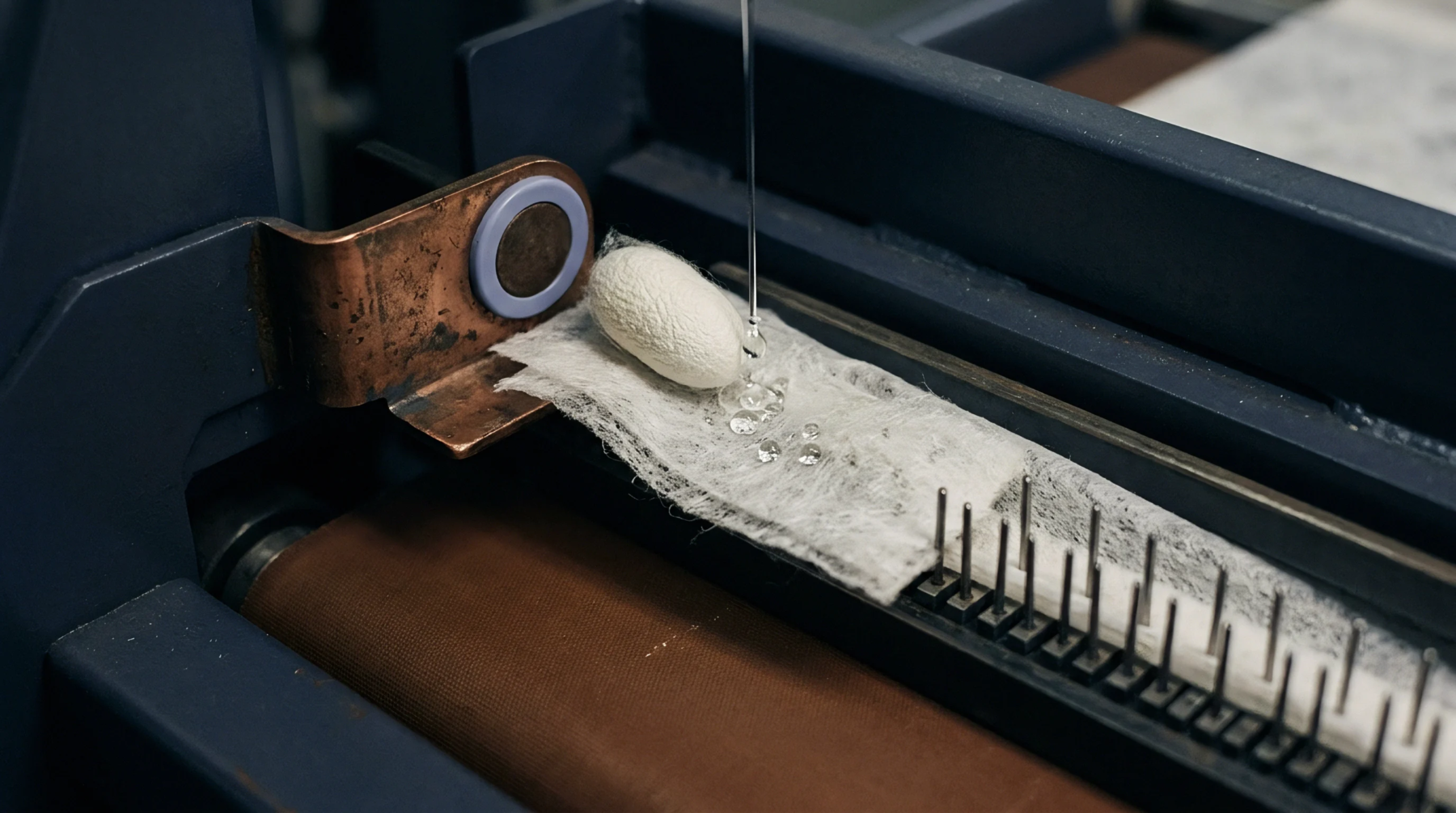
Thermal degradation occurs inside extruder barrels when moisture levels exceed standard thresholds prior to melting. Drying systems circulate heated air through pellet beds until moisture content drops below analytical limits. Screw geometry creates distinct compression zones that melt the polymer chips uniformly without causing chain scission.
Pressure builds steadily toward the metering pump to ensure consistent volumetric output through every spinneret hole. Temperature profiles along the barrel gradient rise gradually from feed throat to die head. Molten polymer flows through distribution channels that eliminate dead spots where residence time might cause discoloration.
Filter packs containing multiple stainless steel mesh screens trap foreign particles before they reach microscopic capillary openings. Metering pumps regulate mass flow precisely to prevent denier variations along the length of the spun yarn.
Spinning Dynamics
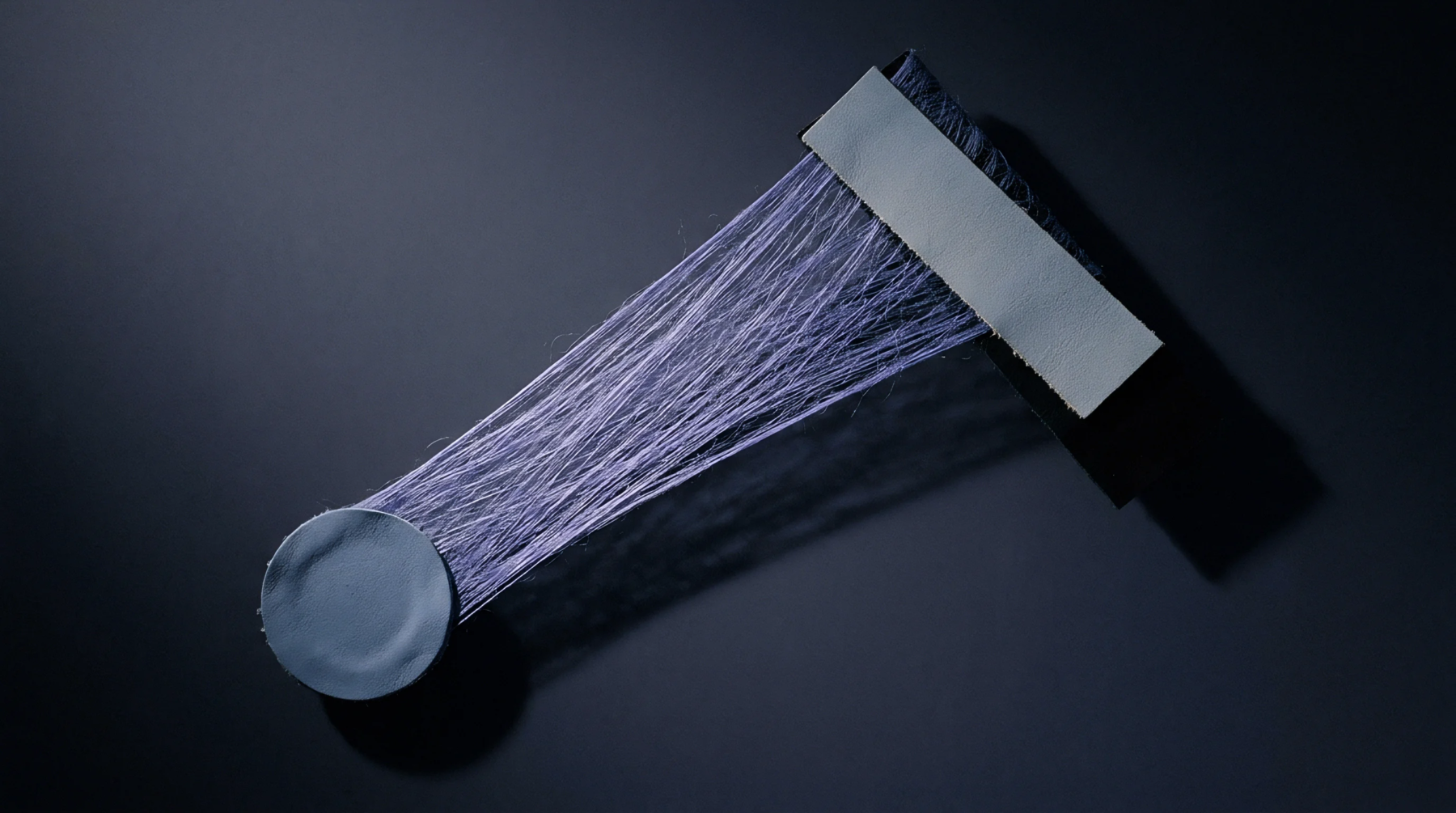
Quench air velocity must remain uniform across the cooling cabinet to prevent uneven crystallization rates among individual filaments. Air turbulence creates localized cooling variations that alter dye uptake characteristics during subsequent wet processing stages. Take up speed determines the degree of amorphous orientation achieved before wind up onto bobbins.
High speed spinning introduces internal stresses that require thermal setting steps to stabilize fabric dimensions. Roller assemblies apply tension gradually between godet sets to prevent filament breakage during orientation. Tension sensors monitor winding force continuously and adjust motor speeds to maintain consistent package density.
Finished packages pass visual inspection for broken filaments and surface irregularities before transfer to texturing departments.
Processing Limits
Ultraviolet radiation degrades the polymer backbone over extended exposure periods unless specialized stabilizers are incorporated during compounding. Moisture regain remains extremely low compared with natural fibres, which restricts static dissipation during high speed knitting operations. Dyeing requires dispersed dyestuffs operating at elevated temperatures or pressurized conditions because amorphous regions resist penetration by polar molecules.
Thermal shrinkage increases when drawn yarns experience excessive heat during downstream heat setting procedures. Fabric density calculations account for specific gravity values to determine accurate weight per square metre standards. Bulk delivery inspection verifies lot uniformity through differential scanning calorimetry tests that measure melting points and crystallinity percentages.