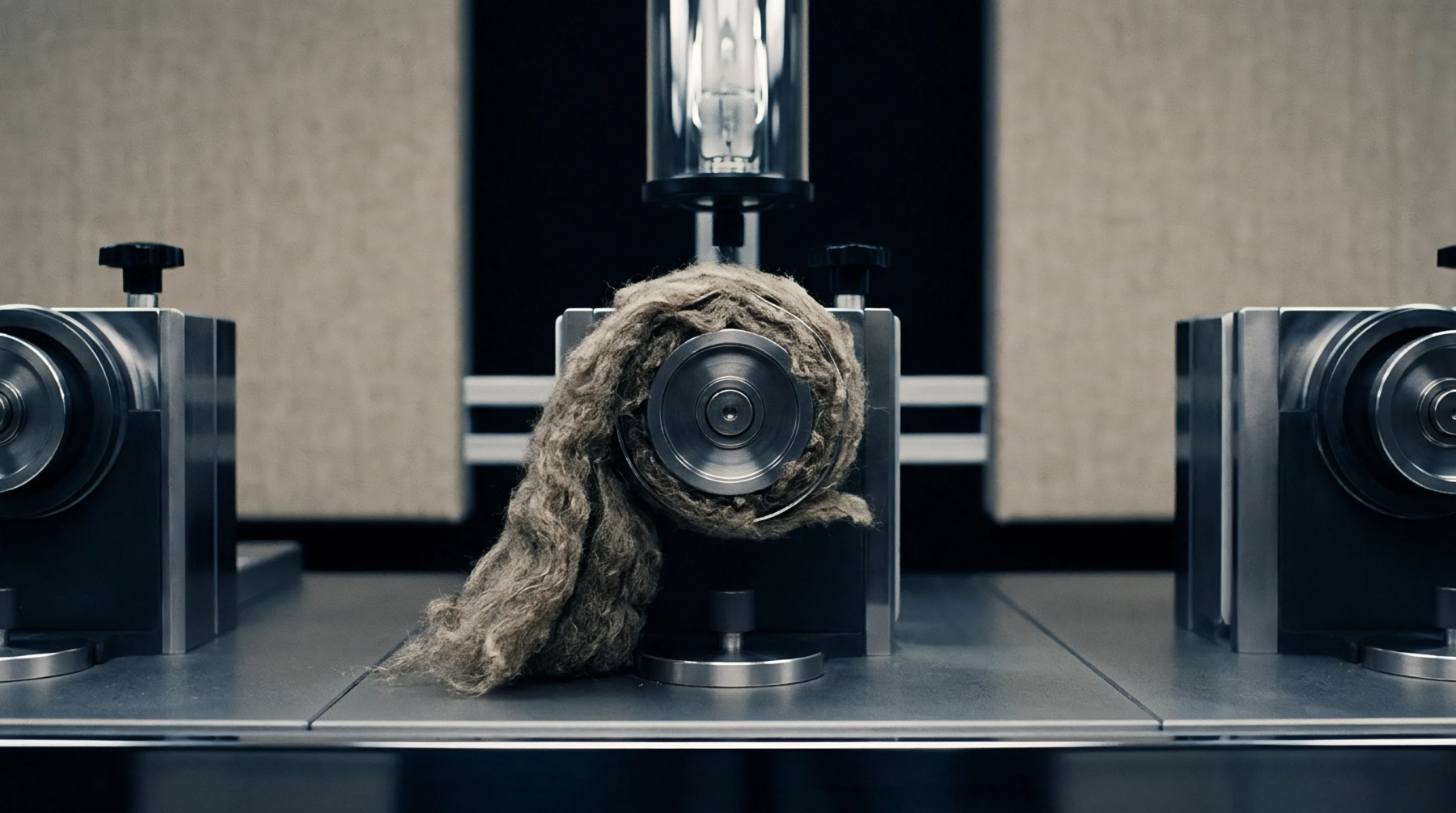
Polymer Extrusion
Synthetic filament formation begins when molten thermoplastic material is forced through small orifices into a cooling environment. Melt spinning achieves this transformation by heating polymer granulates past their softening point and metering the resulting liquid through a precision spinneret. High throughput demands exact temperature control across the extrusion barrel to prevent thermal degradation before solidification occurs.
Cooling Dynamics
Solidification happens immediately below the spinneret face through forced air quenching across the descending filaments. Air velocity and ambient temperature dictate the rate of heat removal which determines the internal crystalline structure of the polymer. Inadequate airflow produces uneven filament diameters and weak spots that fail tensile testing during subsequent drawing operations.
Drafting Tension
Mechanical rollers pull the solidified strands away from the extrusion zone at speeds significantly higher than the initial extrusion velocity. This stretching action orients the polymer molecules along the fibre axis to develop the tensile strength required for commercial textile processing. Tension management prevents filament breakage and ensures consistent denier measurements across every produced spool.
Quality Verification
Laboratory technicians measure final fibre properties against established mill specifications using tensile testers and birefringence analysis equipment. Deviations from target denier or tenacity values indicate upstream temperature fluctuations or inconsistent polymer viscosity during the extrusion phase. Commercial acceptance depends entirely on meeting these rigorous physical standards before the yarn enters downstream weaving or knitting facilities.