Substantiating Preferential Tariff Origin through Spinning Mill Traceability Records
Preferential yarn origin stands on contemporaneous blowroom laydowns, machine logs, and waste mass balance records rather than unverified commercial affidavits.

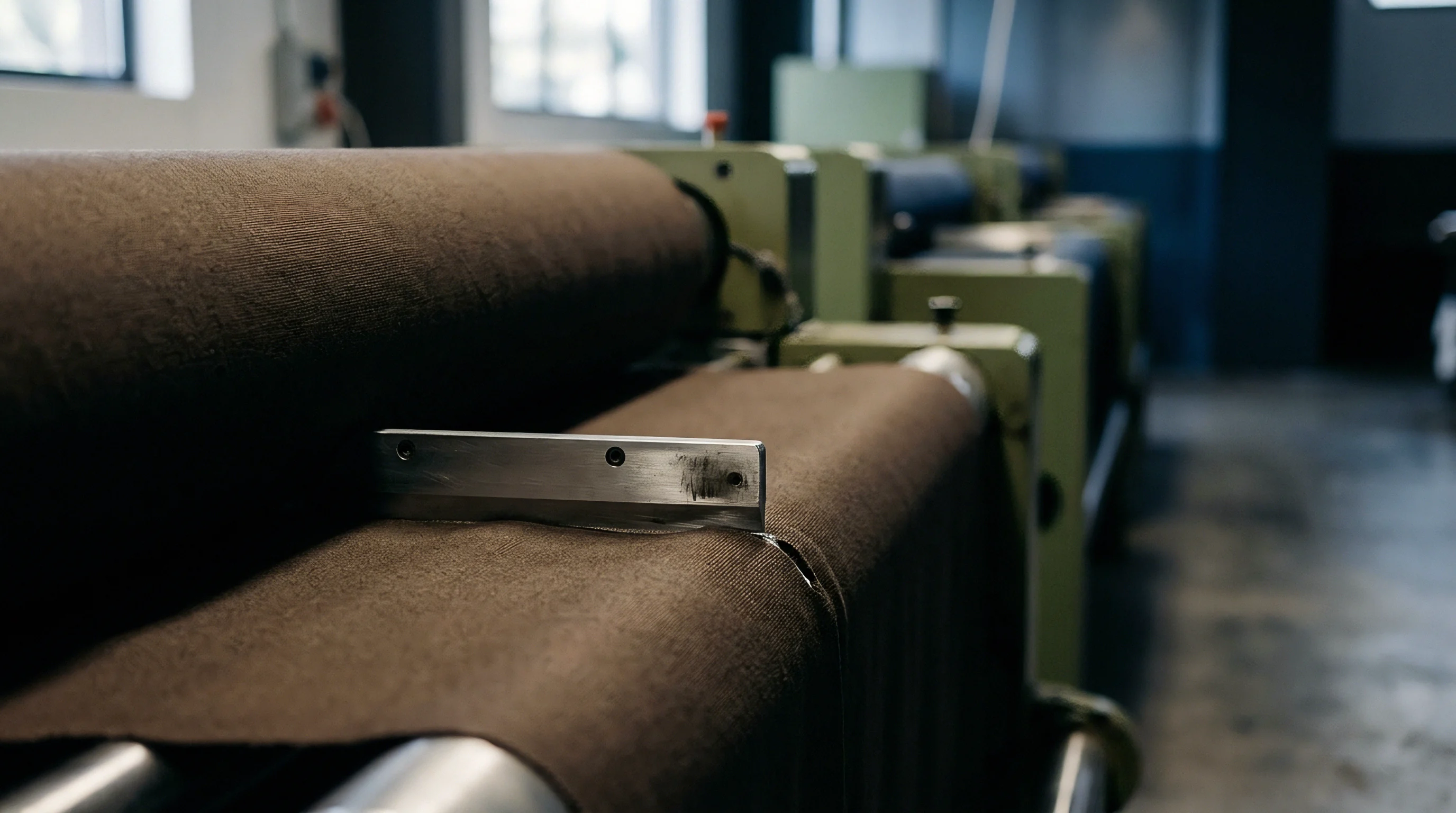
Proof
A formal inquiry under customs origin verification procedures targets the physical inventory ledger of the yarn manufacturer. Customs Form 28 notices under trade agreements like the United States-Mexico-Canada Agreement or CAFTA-DR demand primary evidence that raw fibre underwent substantial transformation within treaty boundaries. Importers often submit mill declarations stating that spun singles qualify under applicable tariff transformation rules.
The invoice is insufficient. Border authorities routinely reject bare affidavits lacking primary operational records from the spinning facility. Preferential tariff benefits dissolve when the paper chain breaks between bale intake and yarn dispatch.
Substantiating preferential origin rests on the yarn-forward rule governing Chapter 52 through Chapter 55 of the Harmonized System. This rule mandates that every manufacturing stage from yarn spinning forward through finished product assembly must occur within the designated free trade zone. Non-originating raw fibres transform into originating yarns only when spinning operations convert staple fibres or extruded filaments into continuous strands within a signatory nation.
Customs auditors bypass the finishing plant and the knitting facility to audit the machinery floor of the spinning mill. They seek contemporaneous proof that specific import consignments trace back to qualifying raw fibre purchases.
Origin liability shifts entirely to the importer of record when a spinning certificate lacks contemporaneous machine logs.
Production evidence spans multiple processing departments. The evidentiary trail begins at the receiving warehouse and terminates at the winding bay. When a spinning mill processes both qualifying regional cotton and cheaper third-country cotton on parallel ring frames, accounting isolation collapses without rigid physical segregation.
Documentation fixes the origin. Border auditors inspect warehouse receiving tallies, automated blowroom bale plucker schedules, carding sliver weight logs, and roving allocation records.
Statutory Mandates across Major Trade Accords
Preferential tariff regimes classify spun yarns under strict transformation criteria that disqualify operations limited to simple winding or packaging. Trade pacts differ in their evidentiary thresholds, yet each structure penalizes unverified origin claims through retroactive duty assessments. Importers bear the ultimate liability.
Auditing bodies conduct on-site factory verifications under free trade agreement enforcement protocols to confirm that recorded machinery hours match declared yarn output volumes.
| Trade Agreement | Applicable Origin Criterion | Mandatory Spinning Floor Records | Allowed De Minimis Non-Originating Fibre | Record Retention Period |
|---|---|---|---|---|
| USMCA | Yarn-forward tariff shift | Bale tags, laydown sheets, card logs, spindle allocations | Up to 10 percent of component weight | 5 years from entry date |
| CAFTA-DR | Yarn-forward rule of origin | Ginner certificates, blowroom records, yarn winding reports | Up to 10 percent of total weight | 5 years from entry date |
| EU-UK TCA | Manufacture from non-originating staple | Raw material supplier invoices, mass balance production tallies | Up to 10 percent of product weight | 4 years from entry date |
| CPTPP | Yarn-forward with regional value content | Chemical separation tests, machine runtime logs, waste tallies | Up to 10 percent of component weight | 5 years from entry date |
Chain of Custody Documentation Requirements
Inquiries from customs administrations compel importers to furnish continuous production dossiers rather than simple commercial affidavits. Sourcing offices must demonstrate that raw fibre lots entered the blowroom line without unrecorded substitution. Auditors demand physical records.
The required dossier links raw material purchasing documents to machine output reports through unbroken serial coding.
- Purchase Invoices and Commercial Documentation matching raw fibre lot numbers to supplier shipping manifests.
- Bale Room Laydown Sheets recording individual bale barcodes, gross weights, and warehouse release stamps.
- Carding and Drawing Production Logs detailing machine frame numbers, shift dates, and total sliver output.
- Spinning Frame Allocation Schedules tying specific spindle sections to designated sales contract orders.
- Finished Package Inspection Reports confirming gross packaging weights, tare allowances, and commercial invoice references.
Under standard customs indemnity provisions, the insertion of a mandatory clause compelling mill disclosure of machine run times within seventy-two hours of written notice shifts the financial burden of origin disputes directly onto the vendor.

Sliver
Raw fibre bales arrive at the opening line with country-specific ginning tags, gross weights, and lot identifiers attached to the bale ties. Technicians sample incoming bales to measure micronaire, staple length, and tensile strength on High Volume Instrument lines before staging. Fibre properties determine processing.
Upland cotton displaying micronaire values between 3.8 and 4.2 with staple lengths of 28.6 millimetres enters opening lines calibrated for high-speed carding. Cotton classing tags record the state or province of ginning, establishing the geographic point of extraction. Customs compliance requires physical preservation of these plastic or paper barcode tags in archive bins alongside electronic inventory logs.
Spinning mills transform staple stock through an intensive mechanical cleaning and parallelization sequence. The process initiates in the blowroom, where automated bale plucking arms traverse staged laydowns to peel thin layers of tufts from dozens of bales simultaneously. Heavy beaters and grid bars separate foreign matter, plant leafy residue, and sand from the expanding fibre mass.
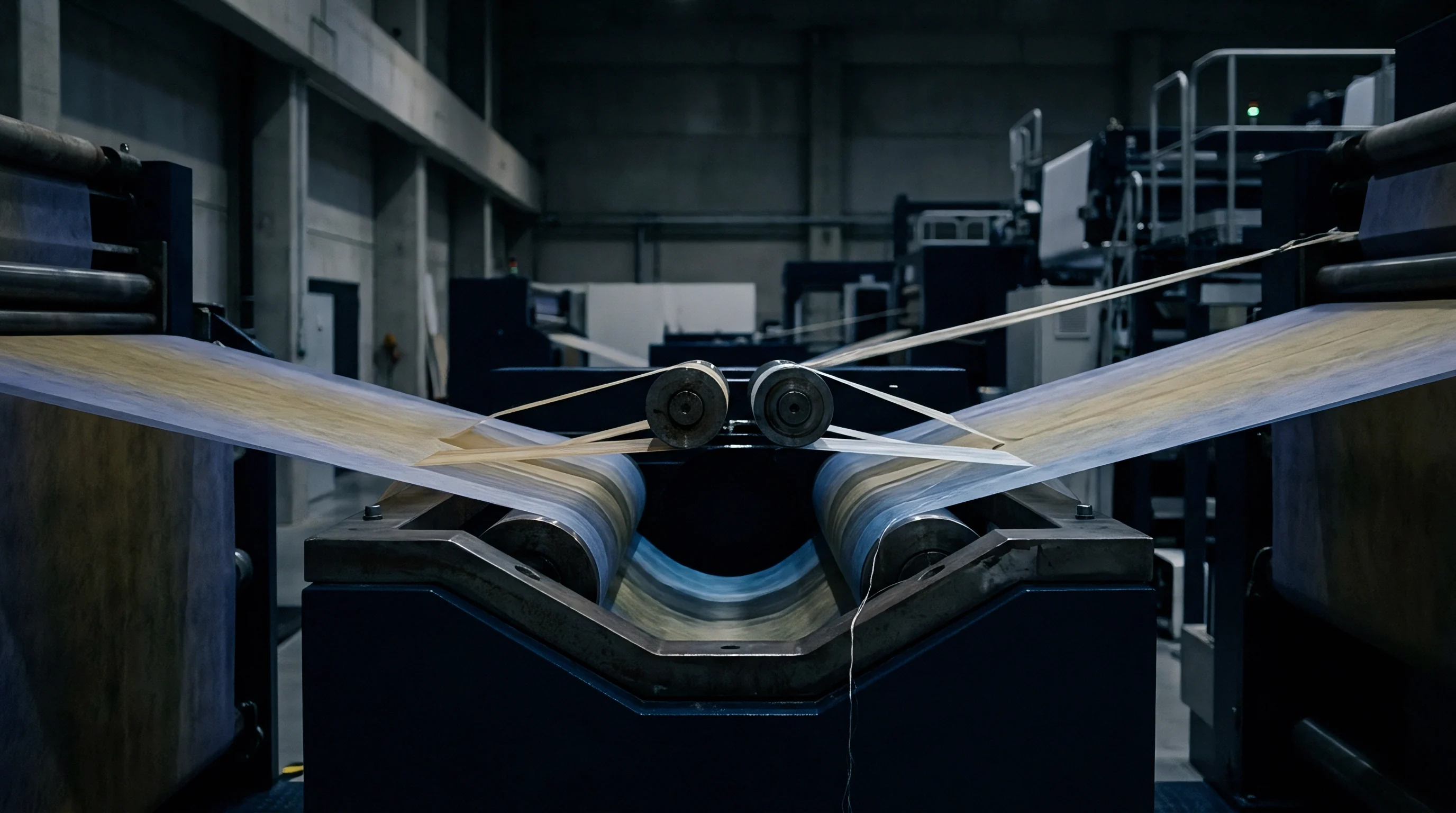
Cleaned tufts travel pneumatically through distribution ducts into carding machines. Carding flats lined with fine wire teeth disentangle individual fibres, stripping short lint while forming an untwisted, continuous strand. This strand emerges as card sliver and coils into heavy cylindrical cans.
Tolerances permit no drift.
Card sliver linear density varies within plus or minus 2.5 percent across standard production runs when blowroom opening remains constant.
Can management forms the primary defense against origin dilution on the production floor. A card produces sliver at linear densities typically ranging from 4.0 to 5.5 kilotex (grams per metre). When a mill operates split production lines, originating card sliver cans run alongside non-originating stock cans in the same preparation hall.
Can transponders and visual colour rings prevent cross-contamination during transfer to drawing frames.
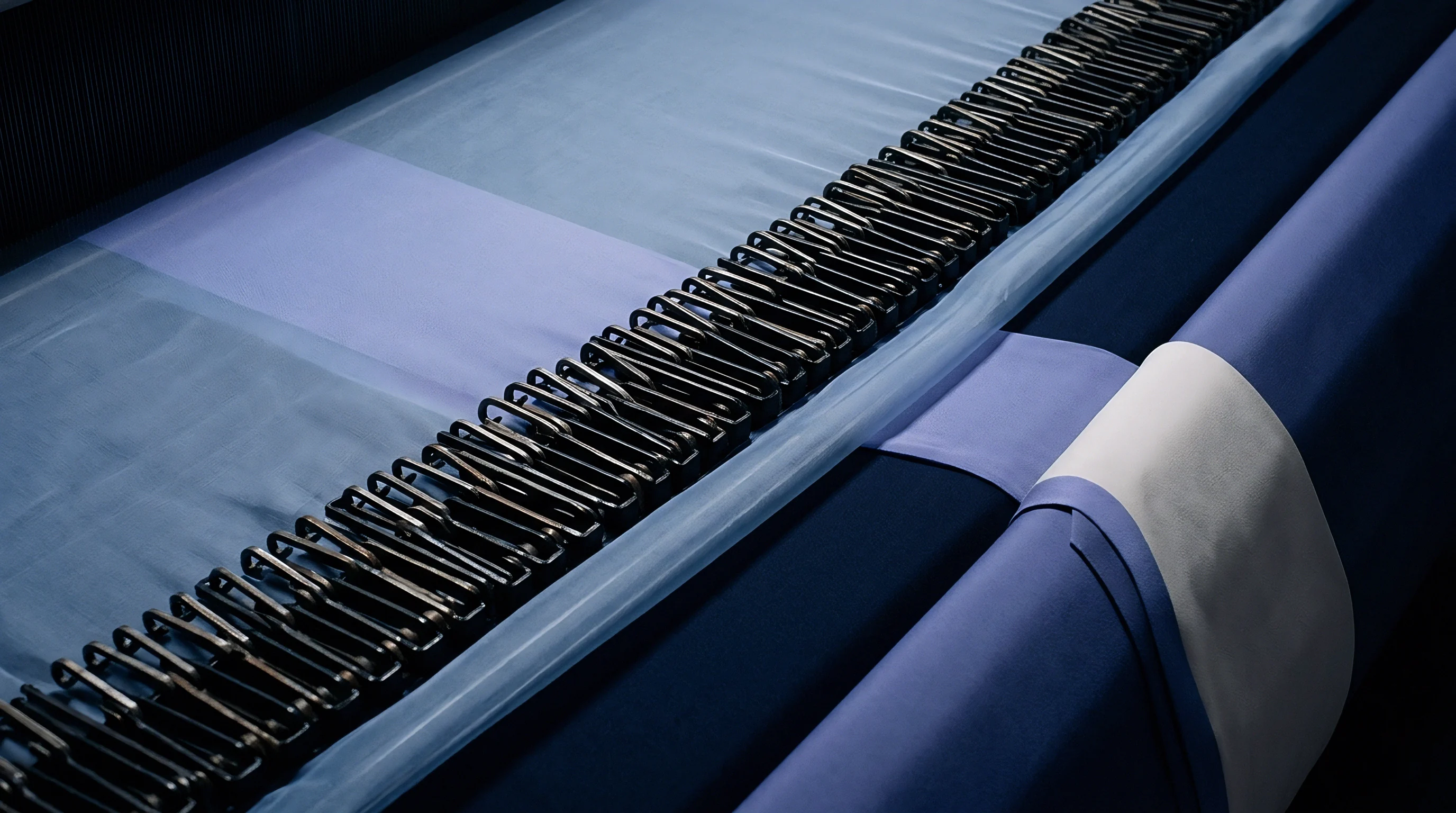
Blowroom Separation and Card Can Identification
Automated bale pluckers move across assigned laydowns to feed dedicated cleaning lines without mixing originating and third-country inventory. Blowroom operators document each bale plucker run on physical shift logs, noting the exact lot numbers plucked between shift changeovers. A single unrecorded bale of foreign staple introduced to maintain line pressure invalidates the origin claim for that entire production run.
Card waste reduces net yield. Technicians track licker-in drops, flat strips, and filter waste separately to verify that output volume matches input mass.
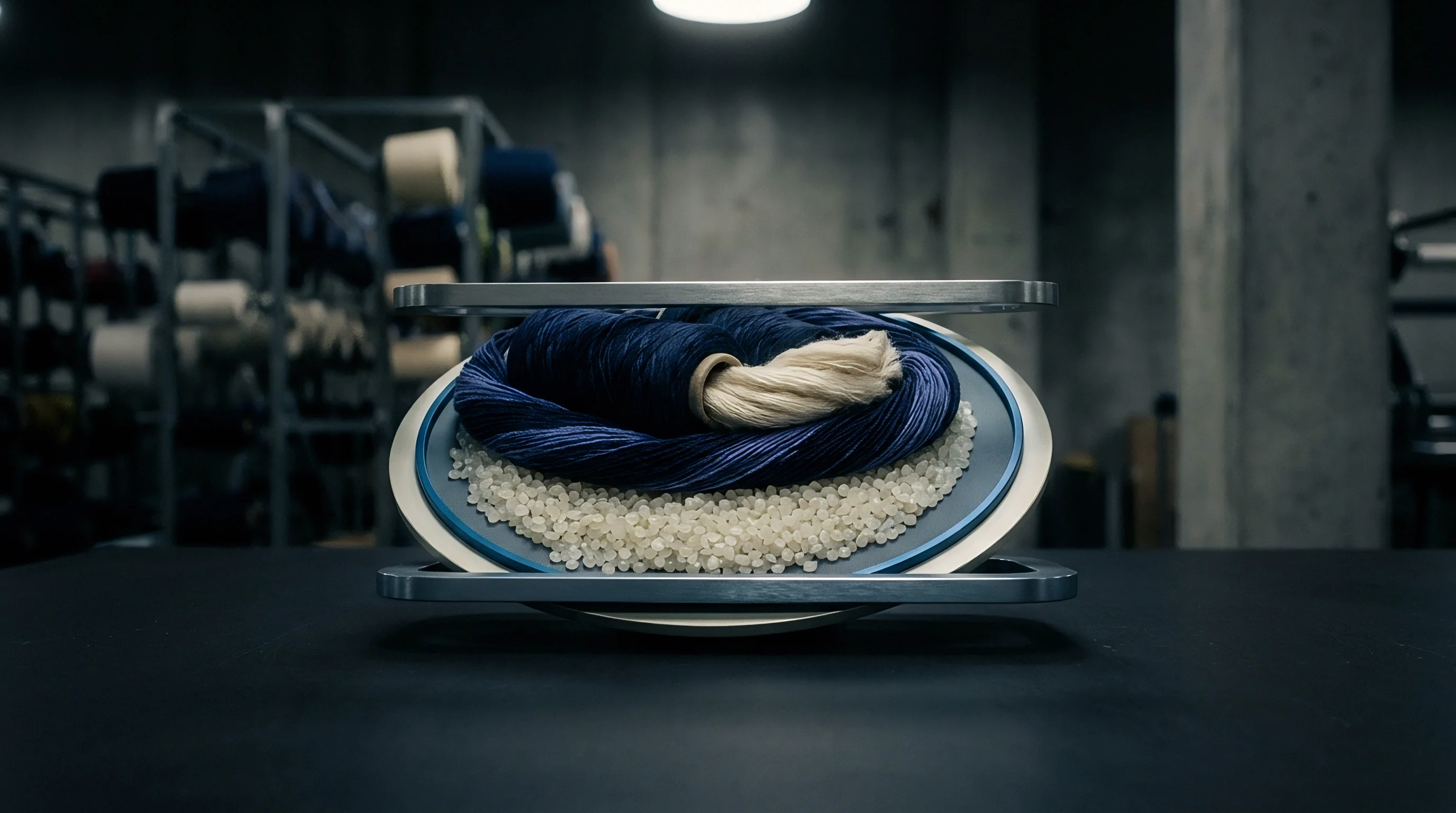
Draw Frame Passages and Contamination Controls
Multiple drafting zones double the linear density of parallel strands while exposing the spinning line to unintended lot mixing. Breaker draw frames combine six to eight card slivers, drafting them down to a single strand to even out linear mass irregularities. Finisher draw frames repeat this doubling operation.
If an operator places one non-qualifying card sliver into an eight-sliver creel feeding an originating lot run, twelve and a half percent of the finished yarn instantly contains non-originating fibre. This contamination exceeds statutory de minimis limits. Batch numbers prevent mixing.
Plants establish rigid color-coded can pathways and barcode confirmation gates at every draw frame creel.
Visible lot tags on every sliver can protect origin claims far better than electronic ledger entries created after the shift concludes.
Allocation
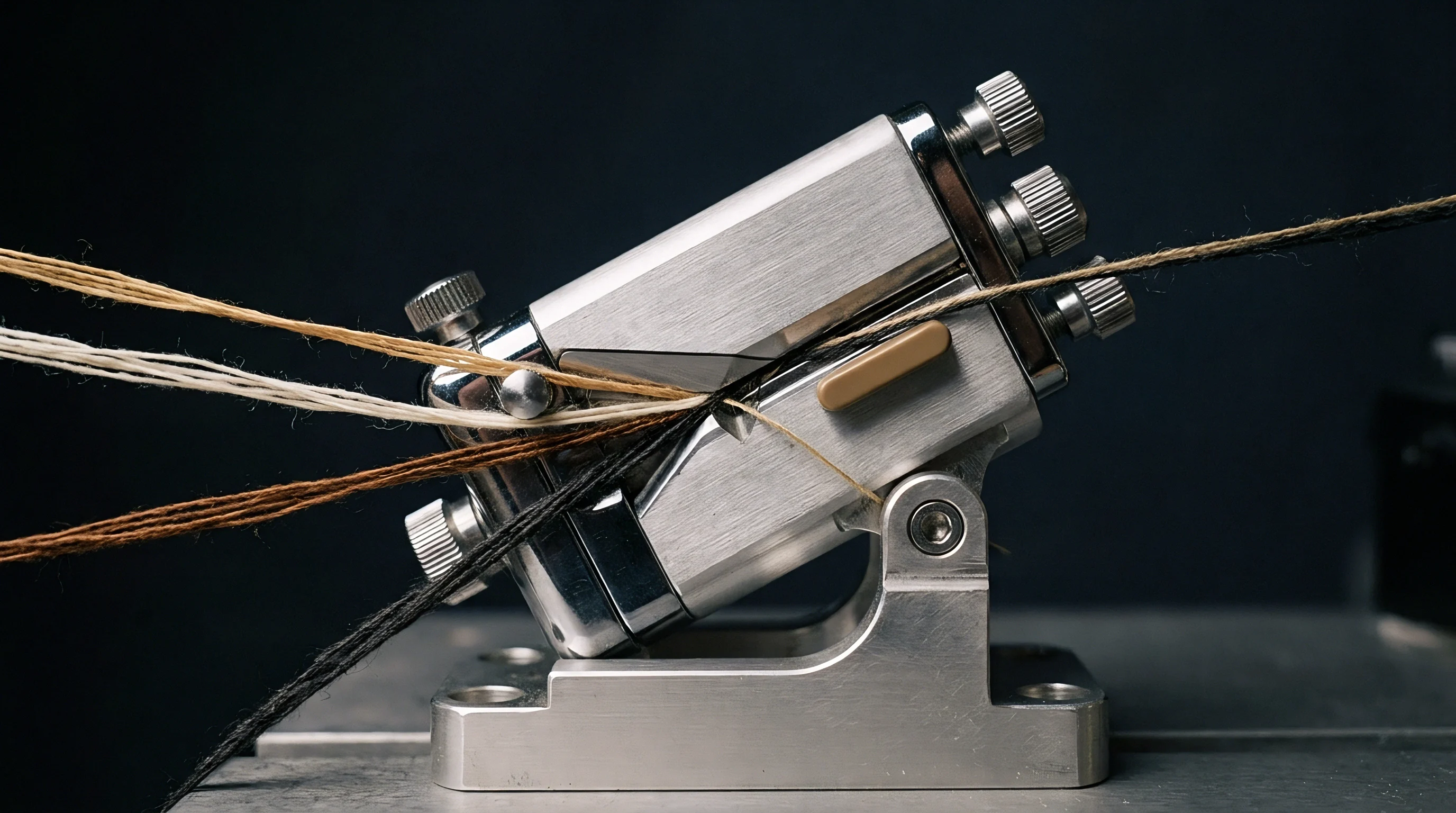
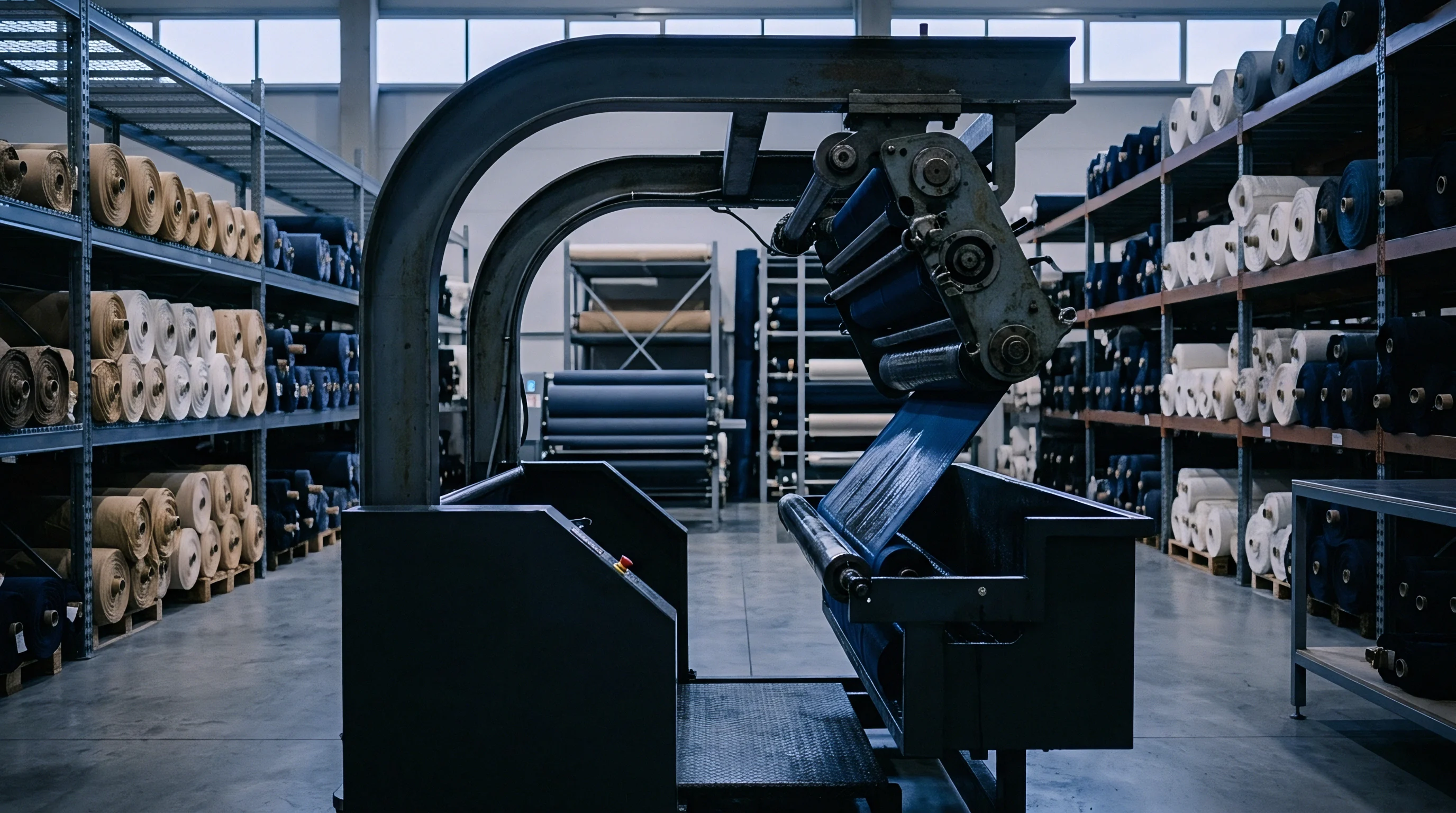
Production schedulers assign specific ring frames to export contracts by locking automated spindle banks to dedicated roving supplies. Finished drawn sliver passes through roving frames, where slight drafting and minimal twist produce thin roving bobbins suitable for ring spinning creels. Floor supervisors attach physical lot tickets to individual roving bobbin trucks.
When roving packages reach the spinning floor, creelers load bobbins onto pre-assigned machine banks. Ring spinning frames drafting at ratios of thirty to forty convert roving into final singles yarns at designated metric counts. Floor logs override invoices.
Origin verification depends on proving that specific ring frames spun only qualifying stock during contract execution dates. Importers lose origin challenges when mills allocate spinning capacity across shared ring frames without documented cleaning intervals. Pneumatic waste flutes on ring frames suck broken ends into collection boxes.
If suction boxes discharge into central recycling ducts without segregation, non-originating fibres re-enter the raw stock line. Physical separation across machines eliminates cross-contamination.
Physical segregation in the bale laydown eliminates accounting disputes during customs audits.
Traceability breaks down when mills implement inventory accounting methods that exist solely on commercial software rather than on the machinery floor. A spinning facility cannot validate preferential origin through average monthly volume balance if the physical yarn packages derived from unsegregated roving lines.

What Traceability Gap Triggers Origin Disallowance?
Auditors reject preferential declarations when a mill commingles roving packages from divergent raw stock lots on identical spinning frames. Sourcing specialists identify operational failures during shift transitions, maintenance cycles, and line changeovers. When an auditor cross-references machine runtime power metrics against declared output volumes, unexplained spikes reveal unauthorized lot substitutions.
Penalties escalate quickly.
- Uncontrolled Waste Reintroduction contaminates pure originating lots when operators sweep card droppings back into the blowroom feeder without weighing.
- Missing Sliver Can Tags cause mix-ups at the breaker draw frame when shifts swap sliver supply cans without scanning container numbers.
- Shared Pneumafil Recovery Lines combine suction waste from adjacent spinning machines processing divergent cotton origins into one collection cyclone.
- Unrecorded Frame Swaps happen when mechanics shift roving bobbins between ring frames to meet rush delivery deadlines.

Bale Laydown Sheets and Mixing Percentages
Recipe cards posted in the staging area list individual bale identification numbers alongside moisture readings and micronaire values. Spinning masters balance the micronaire average across forty to sixty bales to maintain consistent spinning tension and yarn strength. The paper trail collapsed.
If a recipe card incorporates thirty bales of domestic origin and ten bales of foreign stock, the resultant yarn constitutes an intimate mixture subject to strict tariff classification rules. Customs officers verify that the mechanical layout of the opening line physically matched the written recipe percentages.
| Processing Phase | Physical Machine Unit | Recorded Primary Data Field | Verification Artifact |
|---|---|---|---|
| Bale Staging | Plucking Line Track | Ginner bale number, gross weight, lot code | Physical barcode tag, scale ticket |
| Blowroom Opening | Feed Hopper / Beater | Laydown sequence ID, run start and stop time | Operator batch log, recipe sheet |
| Carding | Revolving Flat Card | Card frame number, sliver delivery weight, can ID | Shift sliver weight chart, can sticker |
| Drawing | Draw Frame (1st/2nd) | Creel lot scan, draft gear ratio, delivery speed | Draw frame run sheet, sliver test report |
| Roving | Speed Frame | Spindle bank ID, bobbin color code, tare mass | Roving truck route card |
| Ring Spinning | Ring Spinning Frame | Frame number, side designation, spindle count, Ne | Machine control panel run log |
| Winding / Packing | Autoconer / Case Packer | Cone barcode, carton net weight, moisture regain | Finished case packing slip, pallet label |
Mills frequently explain discrepancies by asserting that roving bobbins were swapped between adjacent frames during shift changes without supervisor knowledge.
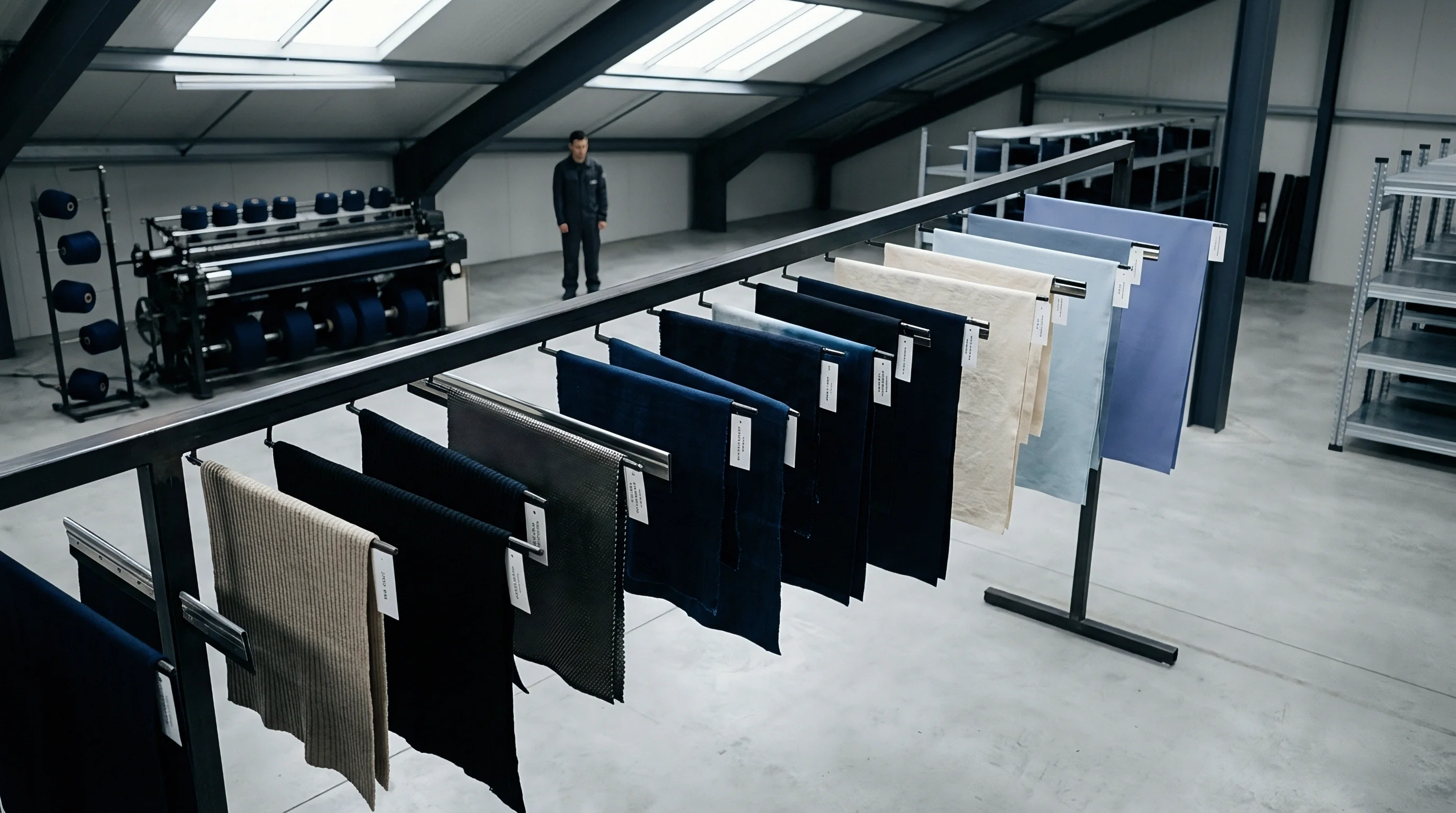
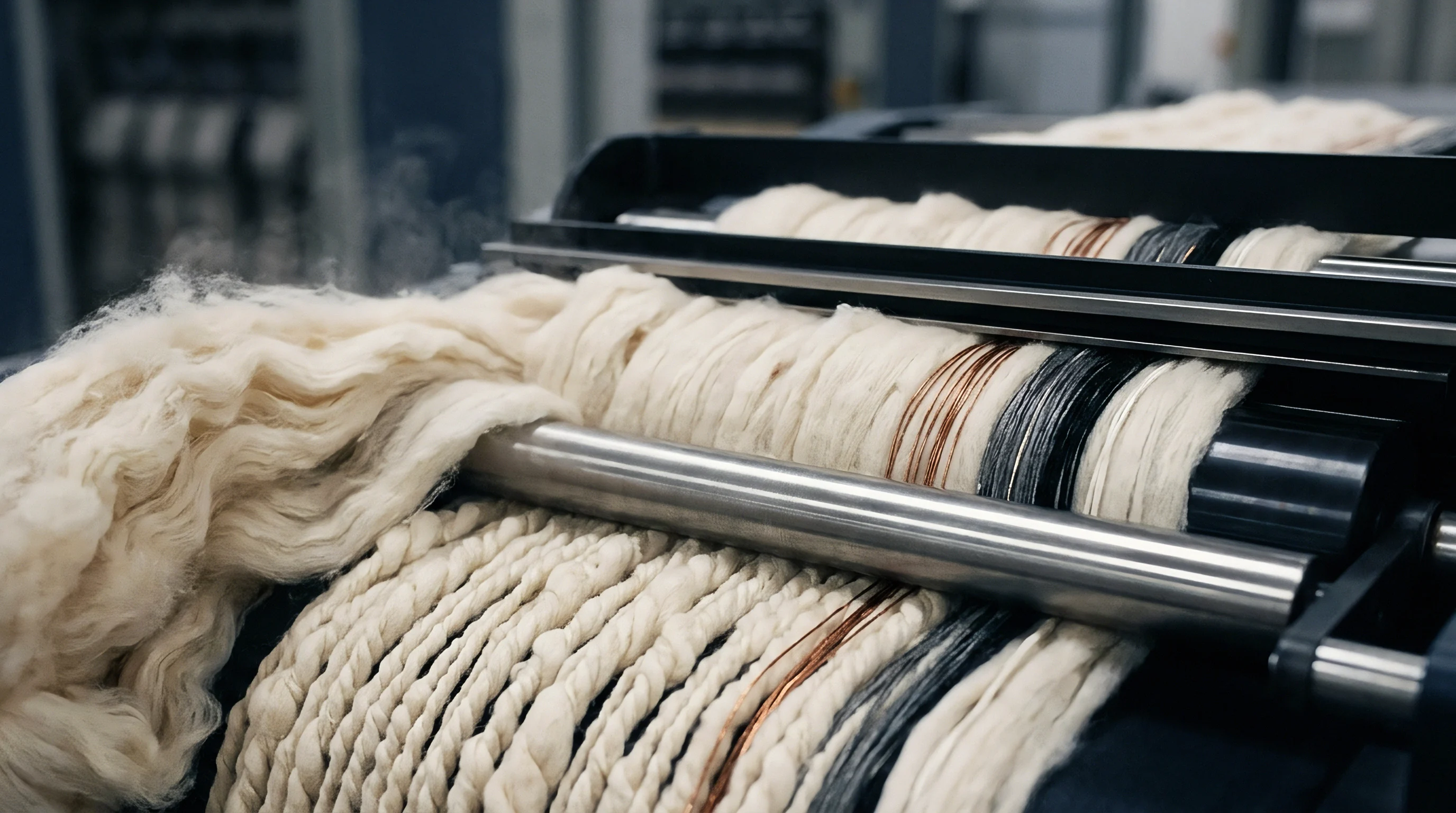
Reconciliation
Mass audits calculate the absolute physical difference between raw stock input weights and final cone shipments. In a standard ring spinning sequence, fibre mass drops across cleaning, combing, and drafting stages before stabilizing in conditioned yarn packages. Processing produces mechanical waste streams comprising trash, short fibre, and pneumafil suction lint.
Spinning technicians weigh every waste category to calculate net transformation efficiency. The deduction remains contested.
Construct a worked scenario with stated assumptions: take a 50,000-kilogram lot of Ne 30/1 combed ring spun cotton yarn produced under USMCA preferential rules. Assume raw cotton input of 60,975 kilograms of Grade 31-2, 1-1/8 inch staple length cotton at an opening purchase price of 2.10 dollars per kilogram. Processing this lot through opening and cleaning extracts 2,134 kilograms of blowroom trash and microdust, representing a 3.5 percent cleaning loss.
Revolving flat cards generate 3,354 kilograms of licker-in drops and flat strips, removing another 5.5 percent of initial mass. Combers extract 8,536 kilograms of comber noil, removing 14.0 percent of raw weight to eliminate fibres below 12 millimetres. Speed frames generate 488 kilograms of roving waste (0.8 percent), while ring spinning frames lose 732 kilograms to pneumafil and floor sweepings (1.2 percent).
Final winding on automated cone winders trims 305 kilograms of yarn faults (0.5 percent).
Moisture gain during conditioning conceals real fibre mass loss across the ring spinning room.
Total mechanical waste equals 15,549 kilograms, leaving an oven-dry finished mass of 45,426 kilograms. Finished yarn passes through yarn conditioning autoclaves, where saturated steam elevates moisture content to standard commercial regain levels. Commercial regain for pure cotton sits at 8.5 percent per international testing standards ISO 6741 and ASTM D2495.
Moisture regain alters dry weight. Adding 3,861 kilograms of conditioned water vapour yields 49,287 kilograms of invoiceable yarn mass. Sourcing managers reconcile the remaining 713-kilogram discrepancy against unmeasured atmospheric invisible loss across the ring room.
Where Do Mass Balance Records Break Down?
Unrecorded comber noil recycling skews material accounting by masking the true percentage of non-qualifying fibre in the card sliver. Comber noil constitutes premium short-staple cotton fibre. Combing operations remove these fibers to produce smooth, high-tenacity yarns for fine circular knitting.
Many spinning mills blow comber noil back into blowroom collection hoppers to spin cheaper open-end yarns on adjacent machinery lines. Customs rejected the claim.
If non-originating comber noil enters a blowroom line producing an originating yarn order, preferential status collapses entirely. Trade auditors calculate the ratio of purchased raw fibre to dispatched finished goods. If a spinning mill claims a yarn output yield of 92 percent on a combed ring-spun cotton program, auditors recognize immediate fraud.
Standard industrial yields for combed ring spinning never exceed 78 to 82 percent of raw cotton bale weight. The physical mass balance fails scrutiny.
Comber Noil Reintroduction and Waste Arithmetic
High-speed combing units extract short fibres measuring under 12 millimetres to enhance yarn uniformity and tensile strength. Mills generate millions of kilograms of comber noil annually. Accounting protocols must specify whether comber waste was sold to paper mills, repurposed in rotor spinning, or fed into non-preferential lines.
- Gross Raw Fibre Intake Logs certify total delivered bale weights before conditioning or warehouse storage.
- Daily Opening Room Depletion Sheets record the exact bale identifiers fed into active production lines.
- Periodic Waste Collection Tallies categorize trash, licker-in drops, comber noils, and pneumafil by machine section.
- Calculated Invisible Loss Records track moisture fluctuations between bale receipt and finished yarn packaging.
- Warehouse Finished Goods Ledgers balance net shipped yarn weight against initial raw stock inputs.
| Processing Stage | Waste Category | Standard Mass Loss Percentage | Stage Output Mass (kg) | Cumulative Loss (kg) |
|---|---|---|---|---|
| Bale Opening & Blowroom | Heavy trash, dust, burrs | 3.50% | 58,841 | 2,134 |
| Carding Flat Stripping | Licker-in drops, flat strips | 5.50% | 55,487 | 5,488 |
| Combing Preparation | Lap waste, piecing sliver | 0.70% | 55,060 | 5,915 |
| Precision Combing | Comber noil (fibres < 12mm) | 14.00% | 46,524 | 14,451 |
| Drawing (2 Passages) | Sliver cans bottom waste | 0.30% | 46,341 | 14,634 |
| Roving Formation | Roving scraps, bobbin waste | 0.80% | 45,853 | 15,122 |
| Ring Spinning | Pneumafil suction, ends down | 1.20% | 45,121 | 15,854 |
| Winding & Clearing | Yarn clearers cuts, knots | 0.50% | 44,816 | 16,159 |
| Conditioning Chamber | Standard moisture uptake (8.5%) | +8.50% | 48,625 | 12,350 (net loss) |
| Calculated based on 60,975 kg intake of raw upland cotton at standard laboratory conditions (20°C, 65% RH per ISO 139). Comber noil is physically segregated and sold to secondary open-end mills. | ||||
Failure to account for invisible moisture gain during yarn conditioning triggers retroactively applied standard tariff rates, punitive interest charges, and the cancellation of preferential import privileges across all subsequent shipments.

Clearance
Customs authorities target spinning operations through targeted verification questionnaires issued directly to import compliance officers. Inquiries from United States Customs and Border Protection or European Union customs directorates demand original mill archives within thirty days of notice. Importers must assemble a structured evidentiary package that bridges commercial invoices and technical mill run sheets.
Gaps in archive retention expose sourcing networks to catastrophic financial risk under joint liability statutes.
Corporate record policies frequently destroy shift production logs after twelve months to clear server space. Free trade legislation universally requires archiving primary verification evidence for five full calendar years from the customs declaration date. When audited five years post-entry, an importer unable to produce the daily carding shift log for a specific spinning lot faces immediate disqualification.
Authorities assess full Most-Favoured-Nation tariff rates against all historical entries covered by that origin declaration.
Administrative Scrutiny of Factory Logs
Revenue agents scrutinize machine stop logs and shift handovers to detect untracked fibre swaps during weekend production runs. When an auditor cross-references factory electric utility consumption against reported production yardage, production anomalies become obvious. A spinning facility cannot claim full ring frame production during periods when factory power records indicate complete motor shutdowns.
Physical maintenance records corroborate production logs.

Contractual Indemnities for Sourcing Offices
Purchasing agreements allocate tariff adjustment expenses to the manufacturer whenever missing mill records forfeit preferential entry rights. Legal counsel inserts clear operational covenants into raw yarn procurement contracts. These agreements compel mills to permit unannounced facility inspections by third-party auditors and guarantee permanent access to original weighbridge data, machine control panel printouts, and waste disposal manifests.
Whether international customs authorities will accept decentralized digital production logs without physical on-site verification audits remains an unsettled question across modern trade dispute tribunals.