Chemical Decomposition
Molecular bond cleavage driven by the persistent presence of water molecules defines hydrolytic degradation. Polymer chains within synthetic fibres undergo this irreversible reaction when high humidity or liquid contact facilitates the insertion of water into ester or amide linkages. Frequent exposure to extreme pH levels accelerates this breaking process, which fundamentally reduces the tensile strength and molecular weight of the material.
Process Mechanism
Aqueous molecules penetrate the amorphous regions of the polymer matrix to initiate the separation of long molecular chains into shorter fragments. These small oligomers migrate to the surface of the fibre while creating voids that weaken the structural integrity of the bulk product. Increased temperatures amplify the kinetics of this chain scission by providing the energy required for water to overcome the activation barrier of the polymer bonds.
Verification Protocol
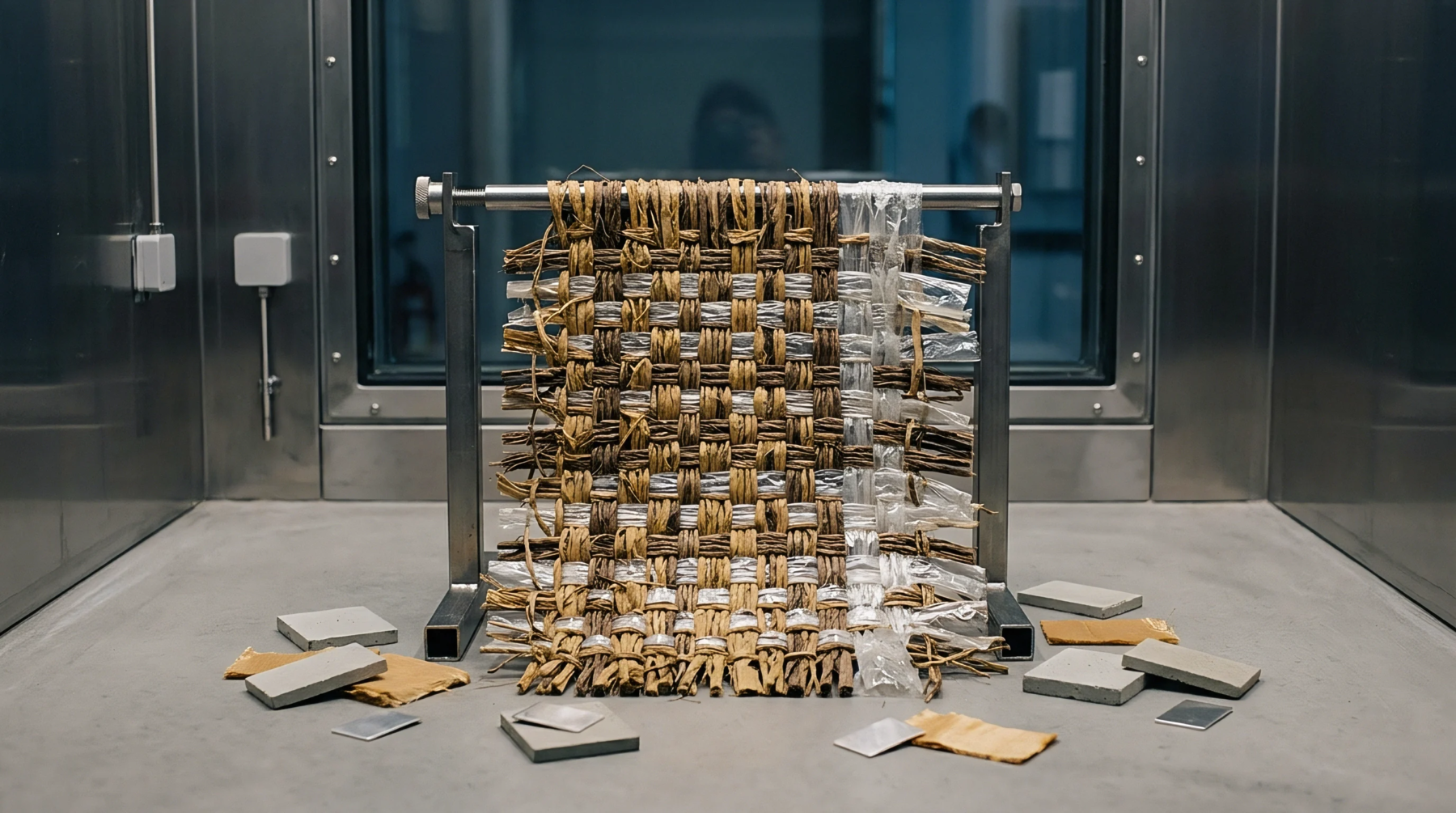
Accelerated aging chambers recreate these hostile environments through controlled heat and moisture cycles to quantify how quickly a sample loses its original properties. Technicians measure the percentage reduction in elongation and tenacity after specific intervals to establish the expected lifespan of technical fabrics. Testing outcomes determine if the selected polymer composition withstands environmental stresses during the intended service life of the garment or industrial textile.
Commercial Impact
Material failure during transit or storage frequently stems from hidden moisture trapped inside sealed transport containers. Retailers observe this as premature brittleness or yellowing in synthetic inventories stored in tropical climates without proper climate control. Proper moisture management within supply chains prevents the loss of structural properties that renders commercial goods unusable.